
spec sheet12 rows
Cephalexin, also spelled cefalexin, is a first-generation cephalosporin antibiotic taken by mouth to treat a variety of common bacterial infections [1][2]. It works by blocking construction of the bacterial cell wall and is used chiefly against gram-positive organisms, in conditions such as skin infections, strep throat, ear infections, and urinary tract infections [1][2]. First marketed in 1969 under the brand name Keflex, it is inexpensive, widely available as a generic, and listed on the World Health Organization Model List of Essential Medicines [1]. It is generally well tolerated, with digestive upset among the more common side effects [1][2].
- Treats skin, throat, ear and urinary infections
- Kills bacteria outright rather than just slowing them
- Also covers bone and joint infections
- Cheap generic since 1969, available everywhere
- On the WHO essential medicines list
- Generally well tolerated dependable oral workhorse
- Diarrhea or other digestive upset
- Nausea
- Skin rash or allergic reactions, more likely with penicillin or cephalosporin allergy
Overview
Cephalexin is a beta-lactam antibiotic and one of the first-generation cephalosporins, a group closely related to the penicillins [1][2]. Its molecular formula is C16H17N3O4S, giving a molar mass of about 347 grams per mole [1]. The drug is taken orally and is valued for being absorbed thoroughly from the gut, which makes it a convenient oral treatment for infections that do not require injectable antibiotics [2].
Cephalexin is most active against gram-positive bacteria, including streptococci and methicillin-susceptible staphylococci, and it also covers some gram-negative organisms [1][2]. It has no useful activity against methicillin-resistant Staphylococcus aureus, most enterococci, or Pseudomonas species [1]. In practice it is used for skin and soft-tissue infections, streptococcal pharyngitis, middle-ear infections, bone infections, respiratory infections, and urinary tract infections, and it can serve as prophylaxis against recurrent urinary infections or, in some situations, bacterial endocarditis [1][2]. For urinary tract infections it is generally regarded as a second-line oral option, useful when first-choice agents are unsuitable [4].
After an oral dose cephalexin is absorbed rapidly and almost completely, chiefly from the upper small intestine rather than the stomach, reaching peak blood levels in about an hour [2]. It binds only weakly to plasma proteins, is not appreciably broken down in the body, and is cleared quickly by the kidneys, with the great majority of a dose recovered unchanged in the urine within several hours [2]. Because of this rapid renal clearance the drug has a short half-life, and doses are spaced through the day; people with significantly reduced kidney function need smaller or less frequent doses [2].
Cephalexin was developed in the late 1960s and first went on sale in 1969 as Keflex, from Eli Lilly [1]. It has long since become a low-cost generic and is one of the more frequently prescribed antibiotics [1]. The World Health Organization includes it on its Model List of Essential Medicines [1]. It is supplied in oral forms such as capsules, tablets, and powder for suspension, and it is generally considered acceptable for use during pregnancy [1][3].

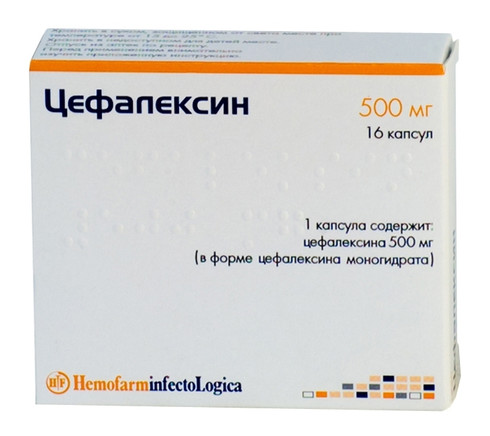
- Cephalexin is barely metabolized by the body, so it leaves largely intact through the kidneys and reaches high concentrations in urine, one reason it works well for urinary infections.
- Contemporary laboratory reappraisal, using cefazolin as a surrogate for testing, has moved cephalexin from resistant to susceptible against many urinary bacteria, renewing interest in this old drug.
Mechanism
Cephalexin kills bacteria by interrupting synthesis of their cell wall [1][2]. As a beta-lactam it binds to penicillin-binding proteins, the enzymes that build and cross-link the peptidoglycan layer surrounding bacterial cells; when these enzymes are blocked, the wall becomes defective and the organism can no longer hold its shape against internal pressure, so it dies [1]. Its activity is strongest against actively dividing gram-positive bacteria, while gaps in its spectrum, such as its lack of effect on methicillin-resistant staphylococci and Pseudomonas, reflect the enzymes and barriers those organisms use to evade first-generation cephalosporins [1]. The drug is not metabolized to an appreciable degree and leaves the body largely intact through the kidneys, which is why it reaches high concentrations in the urine [2].
receptor fingerprint
Penicillin-binding proteins (PBPs)inhibits
D-alanyl-D-alanine transpeptidaseinhibits
Bacterial peptidoglycan wallblocks
Penicillin-binding protein 3 (septal)inhibits
Cell wall autolysinsactivates
Dosingtypical ranges, not medical advice
interested in protocols and clinical dosages? make an account to see them! ^_^
Safetyrisks and cautions, not medical advice
Cephalexin is prescription only. Most people tolerate it well; the usual complaints are stomach upset, diarrhea, and the occasional rash. Because it carries the beta-lactam ring found in penicillin, anyone with a serious penicillin allergy should be careful, since cross-reactivity is possible though uncommon. Rare but serious problems include Clostridioides difficile colitis, severe skin reactions, and anaphylaxis. It can throw off some urine and blood tests, and probenecid raises cephalexin levels by slowing its exit through the kidneys. The dose should be lowered when kidney function is significantly reduced.
Interactionsdocumented pairs only, not exhaustive
Probenecid significantly increases cephalexin blood levels and area under the curve by inhibiting renal tubular secretion via organic anion transporters, particularly OAT1 and OAT3 [6]. This is a pharmacokinetic interaction; probenecid changes how the kidney handles cephalexin, not the drug's metabolism or absorption. In rats, probenecid increases cephalexin AUC by approximately 75 percent (from 68.1 to 117 microg.h/mL), and this effect is reproducible across cephalosporins including cefadroxil and cefdinir [7] [8]. The clinical consequence is prolonged antibiotic exposure and potentially increased risk of adverse effects; however, this interaction is also sometimes exploited to extend the dosing interval of cephalosporins.
Cephalexin does not inhibit CYP enzymes or induce metabolism of other drugs; the transport interaction is one-directional (probenecid changes cephalexin clearance, not vice versa). What remains unstudied: the interaction with other uricosuric agents that affect OAT transporters, with NSAIDs (which may compete for the same transporters), the clinical significance of the AUC increase in patients with normal renal function, and whether this interaction matters in modern dosing regimens where higher cephalexin doses are standard.
Checking a whole stack? Run it through interactions + stacks.
History
Cephalexin, also spelled cefalexin, is a semisynthetic first-generation cephalosporin developed by Eli Lilly and Company and first marketed around 1969 and 1970 under the brand name Keflex. It was among the earliest orally active cephalosporins, arriving at a time when the class was largely confined to injectable use, and its good absorption from the gut made it a convenient treatment for common community infections.
The molecule descends chemically from the cephalosporin nucleus originally derived from the fungus Acremonium, work that grew out of Giuseppe Brotzu's mid-twentieth-century discovery of naturally antibacterial compounds. Over more than half a century it has become inexpensive, ubiquitous as a generic, and a familiar first choice for skin infections, streptococcal pharyngitis, ear infections, and urinary tract infections. It is listed on the World Health Organization Model List of Essential Medicines and remains one of the most frequently prescribed oral antibiotics.
Reputation
Cephalexin is regarded as a reliable, affordable, and well-tolerated workhorse antibiotic, especially trusted for gram-positive infections of the skin and soft tissue. Its long track record, predictable safety profile, and low cost keep it a first-line agent decades after its introduction, and digestive upset is generally the most common complaint. Prescribers appreciate that much of the drug is excreted unchanged into the urine, which supports its use in uncomplicated urinary tract infections.
Modern reappraisal through pharmacokinetic and pharmacodynamic analysis, along with updated susceptibility testing, has in some cases reclassified organisms from resistant to susceptible, reaffirming its usefulness as a fluoroquinolone-sparing option in an era of growing resistance. Its recognized limits, such as inactivity against methicillin-resistant staphylococci and Pseudomonas, are well understood and shape its appropriate use.
Subjective profileweighing the evidence above
A dependable, cheap workhorse for skin, throat and simple urinary infections, and one of the reasons it sits on the WHO essential medicines list. Digestive upset is the usual complaint; a serious penicillin allergy is the one thing worth raising with a prescriber before starting.
Where to buy
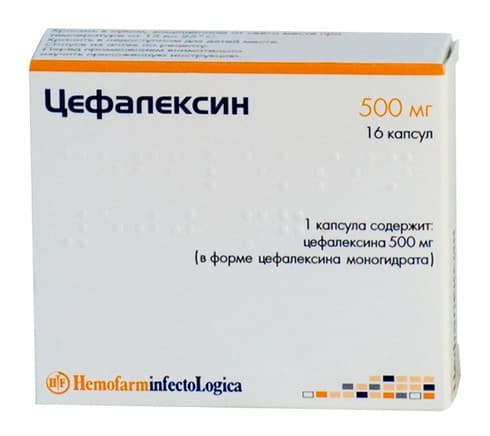
1 other outlet

Suppliers
Vendors carrying Cephalexin, with live product details and codes. Links are affiliate links that support the wiki at no cost to you.
PCT.Zone
Cephalexin
RUPharma🌐
Cephalexin
Research
- 1970first citedCephalexin (Medical Clinics of North America review).
- 2023most recentA Systematic Review on the Clinical Pharmacokinetics of Cephalexin in Healthy and Diseased Popu…
- 1.Cephalexin in lower respiratory tract infections.
- 2.The pharmacology of cephalexin.
- 3.Cephalexin (Medical Clinics of North America review).
- 4.Treatment of urinary tract infections in the era of antimicrobial resistance and new antimicrobial agents.
- 5.A Critical Review of Cephalexin and Cefadroxil for the Treatment of Acute Uncomplicated Lower Urinary Tract Infection in the Era of "Bad Bugs, Few Drugs"
- 6.A Systematic Review on the Clinical Pharmacokinetics of Cephalexin in Healthy and Diseased Populations.
- 7.Pharmacokinetic interaction between JBP485 and cephalexin in rats.
- 8.Influence of probenecid on the renal excretion mechanisms of cefadroxil.
8 listed here; entry last updated August 2026
Reviews
My notesprivate to this device
FAQ
Is cephalexin the same as penicillin?
No, but they are close cousins; both are beta-lactams that block cell wall building, so a small number of penicillin-allergic people can react to cephalexin too.
Can I drink alcohol while taking it?
Alcohol does not clash with cephalexin the way it does with metronidazole, but it can worsen stomach upset and slow your recovery, so go easy.
How quickly will I feel better?
Many people improve within about two days, but finish the whole course so the infection does not rebound or build resistance.
Does it work on colds or the flu?
No; it only kills bacteria, so it does nothing for viral illnesses like colds, flu, or most sore throats.
Should I take it with food?
You can take it with or without food; having it with a meal helps if it unsettles your stomach.
Adverse effects
- Diarrhea or other digestive upset
- Nausea
- Skin rash or allergic reactions, more likely with penicillin or cephalosporin allergy
- Clostridioides difficile associated colitis (uncommon)