
spec sheet13 rows
Azithromycin is a broad-spectrum antibiotic in the macrolide family, specifically the first of the azalide subclass, sold under brand names such as Zithromax and the Z-Pak. It treats a range of bacterial infections, including respiratory, skin, and sexually transmitted infections. Discovered by scientists at the Croatian company Pliva in the early 1980s, it is known for concentrating heavily in body tissues and having a long half-life, which allows short, simple courses of treatment.
- Treats respiratory, skin and sexually transmitted bacterial infections
- Short, simple courses; the famous Z-Pak convenience
- Concentrates heavily in tissue and works after the last dose
- Long half-life means fewer pills to remember
- Excellent at its job when the infection is confirmed bacterial
- Few drug interactions compared with older macrolides
- Diarrhea
- Nausea
- Abdominal cramps
Overview
Azithromycin is a macrolide antibiotic and the first member of the azalide subclass, distinguished by a fifteen-membered ring that contains a nitrogen atom. [2] It stops bacteria from multiplying by interfering with their ability to make proteins, and it is active against a broad range of organisms, including many Gram-positive and Gram-negative bacteria and atypical pathogens. [2]
It is used to treat middle-ear infections, sinusitis, strep throat, community-acquired pneumonia, and skin infections, as well as sexually transmitted infections such as chlamydia, where a single dose can be curative. [2] Beyond straightforward infections, it also has immune-modulating and anti-inflammatory effects that make it useful in chronic airway diseases such as cystic fibrosis and some forms of bronchiectasis. [3]
The drug was discovered in 1980 by a team of researchers at the pharmaceutical company Pliva in Zagreb, in what was then Yugoslavia, and later licensed to Pfizer, which marketed it worldwide as Zithromax. [2] Its distinctive pharmacology set it apart from earlier macrolides such as erythromycin.
Azithromycin's most notable feature is how it distributes in the body. It accumulates inside cells, particularly the immune cells that carry it to sites of infection, reaching tissue concentrations many times higher than in the blood, and it is eliminated slowly, with a half-life measured in days. [3] These properties are what allow a short course, such as five days or even a single dose, to keep working after the last tablet is taken.
Azithromycin is generally well tolerated, with digestive upset being the most common side effect, and it interacts with fewer other drugs than some related macrolides because it only weakly affects the CYP3A4 liver enzyme. [2] It can prolong the heart's QT interval, and a large study found a small increase in cardiovascular death during treatment, chiefly in people already at high cardiac risk. [4] It is a prescription-only medicine and is on the World Health Organization's List of Essential Medicines.
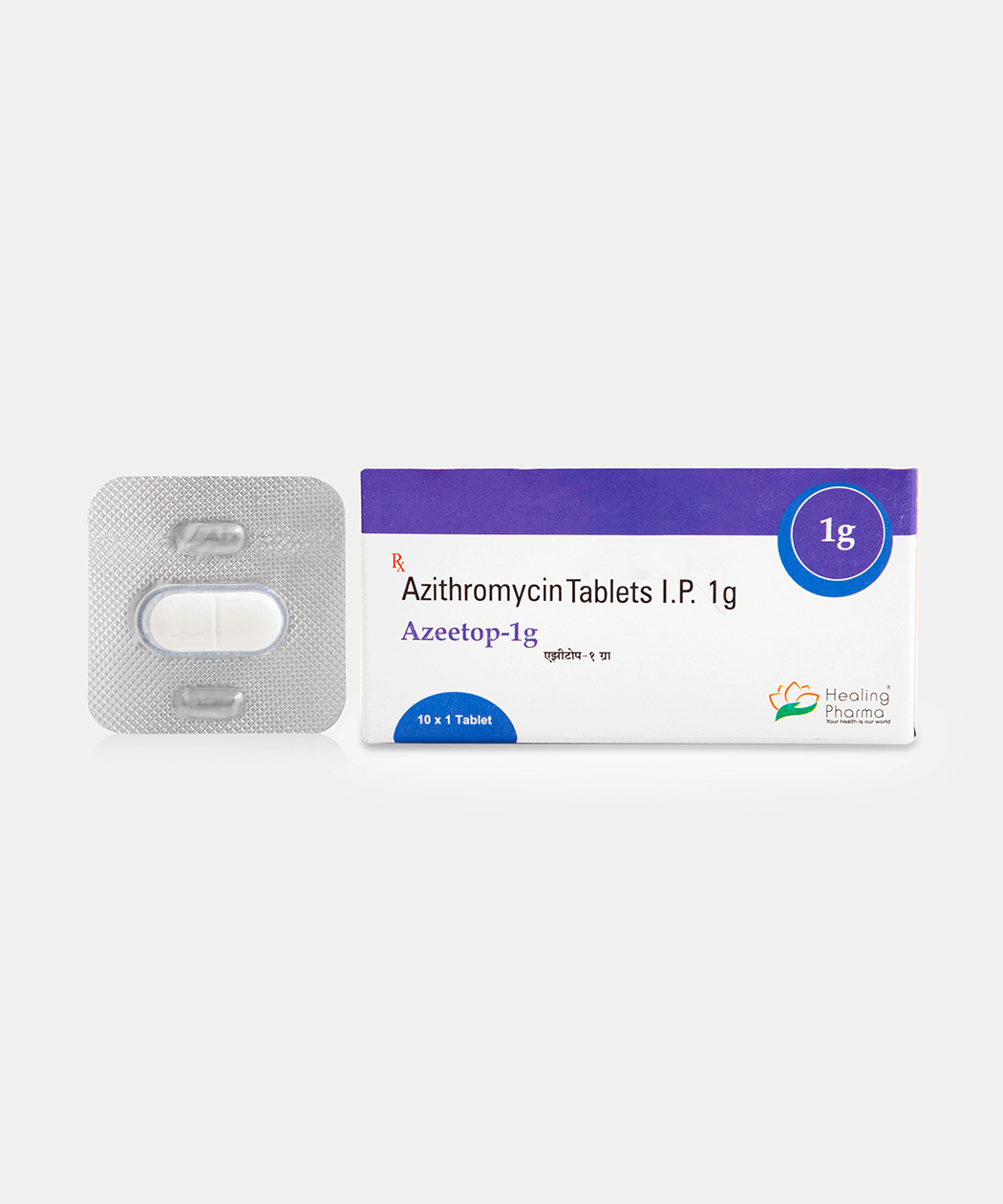
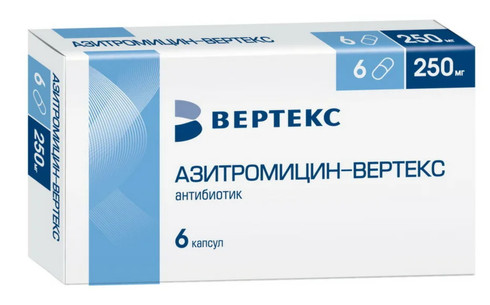
- Azithromycin concentrates so heavily inside white blood cells that phagocytes act like couriers, carrying the drug to sites of infection and releasing it there, which is why tissue levels can stay high for days after the last dose.
- It is one of the very few blockbuster drugs to originate from Croatia, and Pliva's discovery is celebrated there as a national scientific achievement.
Mechanism
Azithromycin inhibits bacterial protein synthesis by binding to the 50S subunit of the bacterial ribosome, specifically at the 23S ribosomal RNA. [1] By attaching there it blocks the elongation and translocation steps of translation, preventing the ribosome from adding new amino acids to the growing protein chain, which halts bacterial growth (a bacteriostatic effect). [1] The drug accumulates to very high levels inside cells, including the phagocytes that transport it to infected tissue, which underlies its long tissue and short dosing courses. [3] Beyond killing bacteria, azithromycin has immunomodulatory actions: it dampens the release of inflammatory cytokines, interferes with bacterial quorum-sensing and biofilm formation, and modulates immune-cell behavior, effects that explain its benefit in chronic inflammatory lung disease. [3] A recognized off-target effect is blockade of cardiac potassium channels, which can prolong the QT interval. [4]
receptor fingerprint
50S ribosomal subunit (23S rRNA)inhibits
Ribosomal translocation stepblocks
hERG potassium channelblocks
Neutrophil and inflammatory responsemodulates
Pseudomonas biofilm and quorum signalingmodulates
Dosingtypical ranges, not medical advice
interested in protocols and clinical dosages? make an account to see them! ^_^
Safetyrisks and cautions, not medical advice
Azithromycin is prescription only. Common side effects are diarrhea, nausea, and abdominal cramps. It can prolong the QT interval and, rarely, trigger dangerous heart rhythms, so it is used carefully in people with heart disease or on other QT prolonging drugs. It can rarely strain the liver and cause hearing changes with high or prolonged dosing. A plus is that it has far fewer drug interactions than erythromycin or clarithromycin because it does not strongly block the CYP3A4 enzyme. People with a macrolide allergy should avoid it.
Interactionsdocumented pairs only, not exhaustive
Rifampicin is a potent hepatic enzyme inducer that accelerates azithromycin metabolism, reducing plasma azithromycin levels by 50-62% [5]. This is a pharmacokinetic interaction where rifampicin increases azithromycin's metabolic clearance; peak drug concentrations (Cmax) and trough levels both decline substantially. The clinical consequence is reduced antibiotic efficacy; patients receiving both drugs may require azithromycin dose adjustment or increased dosing intervals to maintain therapeutic levels. Therapeutic drug monitoring has been used successfully to guide dosing in this interaction.
Azithromycin carries well-documented risk of QT interval prolongation and torsades de pointes, a potentially fatal cardiac arrhythmia [6]. This effect is pharmacodynamic, caused by azithromycin's blockade of cardiac potassium channels (hERG inhibition) that normally repolarize the heart. Elderly patients face substantially higher cardiac risk [7]. Most other azithromycin interactions remain inadequately studied in the clinical literature.
Checking a whole stack? Run it through interactions + stacks.
History
Azithromycin was discovered in 1980 by a team of researchers at the Croatian pharmaceutical company Pliva, led by Gabra Kobrehel, Gorjana Radobolja-Lazarevic, Zrinka Tamburasev, and Slobodan Djokic, who created it by inserting a nitrogen atom into the macrolide ring of erythromycin to form the first of a new subclass called the azalides. Pliva patented the molecule in 1981, and Pfizer subsequently licensed it for major world markets, launching it as Zithromax in the early 1990s. The structural modification gave the drug much greater acid stability and a far longer tissue half-life than erythromycin, enabling the short dosing courses for which it became known. It went on to become one of the most widely prescribed antibiotics in the world.
Reputation
Azithromycin is widely regarded as a landmark of modern antibiotic development and remains one of the most trusted macrolides in everyday practice. Clinicians value its convenience, since a three- to five-day course, and in some cases a single dose, can treat infections that once required longer regimens, which helps patients complete therapy. Beyond its antibacterial reach, it has earned lasting scientific interest for its anti-inflammatory and immunomodulatory properties, now used to reduce exacerbations in chronic lung conditions such as cystic fibrosis and COPD. It is included on the World Health Organization's List of Essential Medicines, a mark of its recognized value; prescribers do weigh its potential to prolong the QT interval in susceptible patients.
Subjective profileweighing the evidence above
Excellent at its job and badly overused. The short course is genuinely convenient, but it belongs to a confirmed bacterial infection and nothing else, because casual use is how resistance spreads. Worth flagging to a prescriber if you already take something that prolongs the QT interval.
Where to buy

1 other outlet
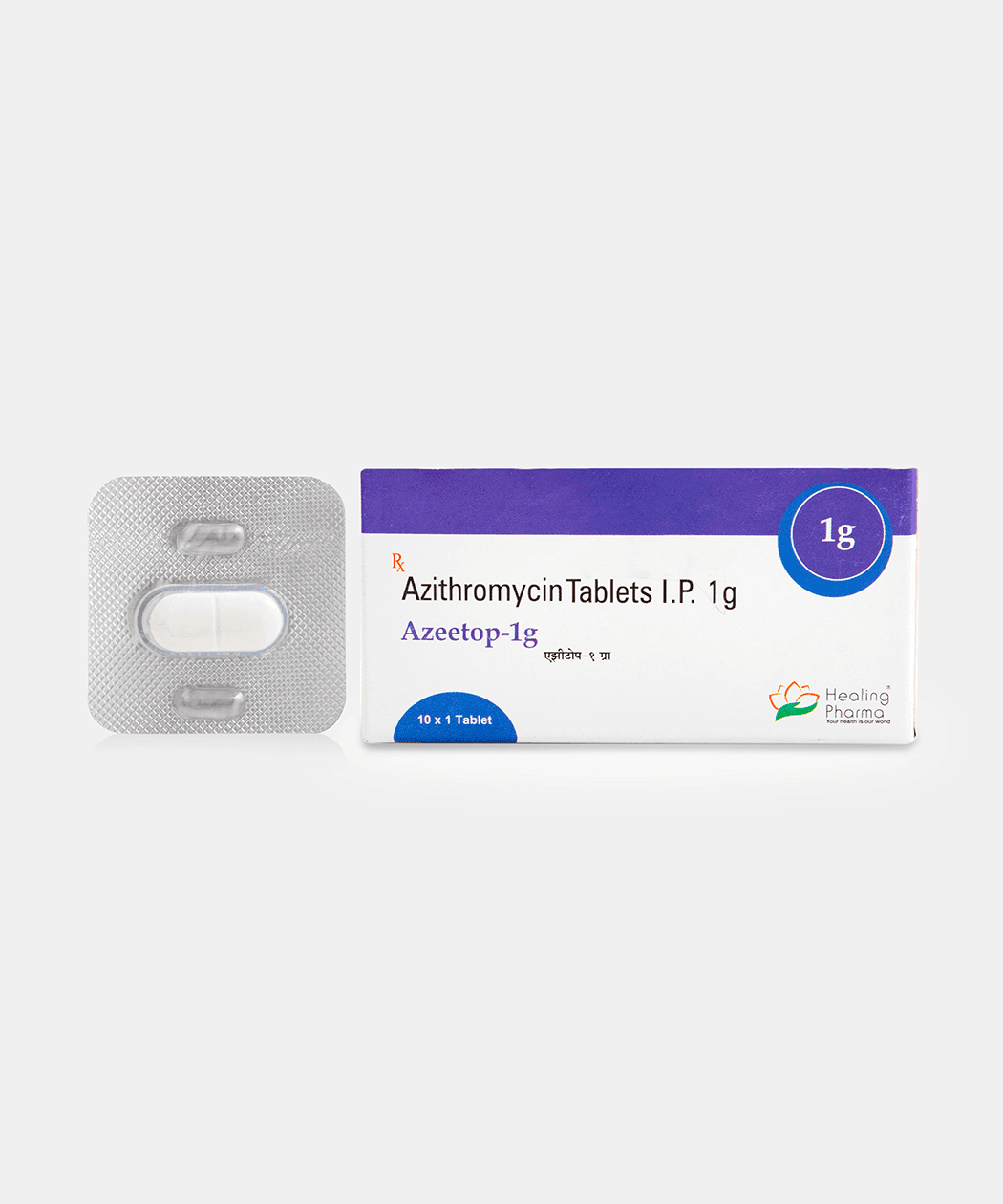
Suppliers
Vendors carrying Azithromycin, with live product details and codes. Links are affiliate links that support the wiki at no cost to you.
PCT.Zone
Azithromycin
RUPharma🌐
Azithromycin
Research
- 1992first citedAzithromycin: the first azalide antibiotic
- 2026most recentExposure to azithromycin and the effect of co-administration of rifampicin in patients with non…
- 1.Azithromycin: mechanisms of action and their relevance for clinical applications
- 2.Azithromycin: the first azalide antibiotic
- 3.The macrolides
- 4.Azithromycin and the risk of cardiovascular death
- 5.Exposure to azithromycin and the effect of co-administration of rifampicin in patients with non-tuberculous mycobacterial disease.
- 6.Macrolide Antibiotic Mediated Cardiac Arrhythmias: Emerging Concepts and Clinical Implications.
- 7.Age-stratified pharmacovigilance of azithromycin: a multimethod signal detection analysis in the FAERS database.
7 listed here; entry last updated August 2026
Reviews
My notesprivate to this device
FAQ
Why is a five day Z-Pak enough?
Azithromycin builds up in your tissues and clears very slowly, so it keeps killing bacteria for several days after you take the last pill.
Can azithromycin affect my heart?
It can prolong the QT interval and rarely cause rhythm problems, so tell your doctor about any heart condition or other QT affecting drugs.
Does it interact with many medicines?
Fewer than other macrolides, because it does not strongly block the CYP3A4 enzyme that clarithromycin and erythromycin inhibit.
Can I take it for a single dose infection?
Yes, a single 1 g dose is a standard treatment for chlamydia, which makes adherence easy.
Should I finish the whole course?
Yes, take every dose as prescribed even if you feel better, so the infection clears fully and resistance is less likely.
Adverse effects
- Diarrhea
- Nausea
- Abdominal cramps
- Can prolong the QT interval
- Rare serious heart rhythm changes
- Rare liver strain
- Occasional temporary hearing changes