
spec sheet13 rows
Clindamycin is a lincosamide antibiotic, a semisynthetic derivative of lincomycin, that inhibits bacterial protein synthesis by binding the 50S ribosomal subunit at the peptidyl transferase center and blocking the nascent peptide exit tunnel. It is active against many Gram-positive cocci and anaerobes and is used for skin and soft-tissue, dental, and bone infections as well as some MRSA disease. A distinctive feature is its ability to suppress translation of bacterial exotoxins independent of bactericidal killing, which makes it a valued adjunctive agent in streptococcal and staphylococcal toxic shock syndrome and necrotizing soft-tissue infection, where it curbs production of superantigens and Panton-Valentine leukocidin. Because it also disables the apicoplast of apicomplexan parasites, clindamycin serves as an antimalarial partner drug and in the treatment of toxoplasmosis and babesiosis. Its principal drawback is a comparatively high risk of Clostridioides difficile colitis.
- Clears the bacteria that drive inflammatory acne
- Calms angry red pimples; skin looks clearer fast
- Topical forms barely enter the bloodstream
- Pairs with benzoyl peroxide for the best results
- Gel, lotion or foam; pick what suits your skin
- Silences bacterial toxin production, not just bacterial growth
- Diarrhea
- Nausea
- Skin rash
Overview
Clindamycin belongs to the lincosamide class of antibiotics. It was created in 1966 by chemically modifying lincomycin, replacing a hydroxyl group with a chlorine atom, a change that improved its absorption and antibacterial potency. It is chiefly active against Gram-positive bacteria and anaerobes, and it is usually bacteriostatic, meaning it halts bacterial growth, though it can become bactericidal at higher concentrations [1].
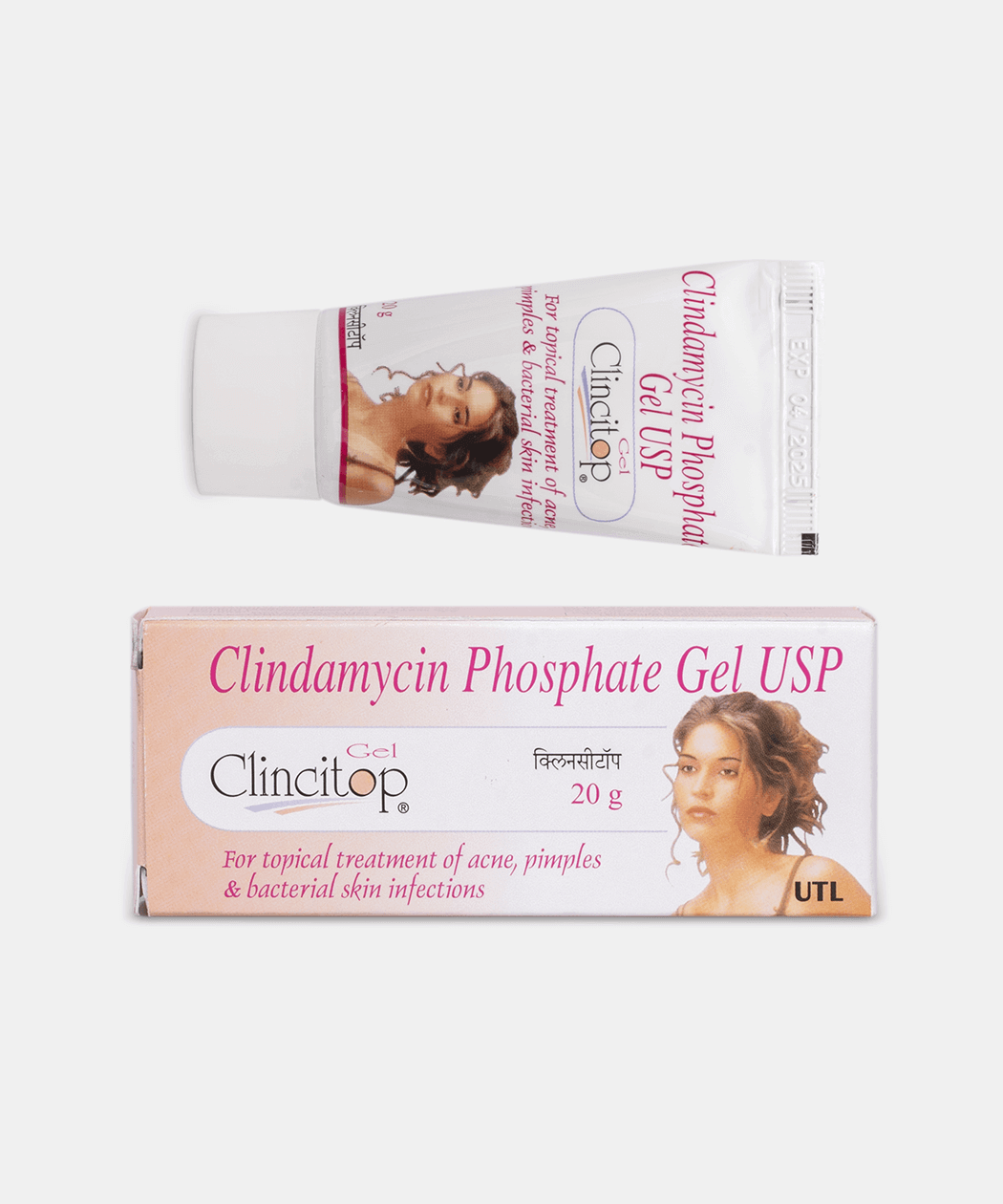
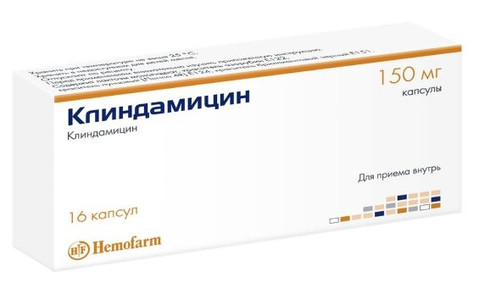
The drug is used for a broad range of infections: skin and soft-tissue infections, dental infections, bone and joint infections, and infections caused by anaerobic organisms. It is an option for community-acquired methicillin-resistant Staphylococcus aureus and is valued in toxin-mediated illnesses such as toxic shock syndrome because it suppresses bacterial toxin production. Beyond ordinary bacteria, clindamycin has antiparasitic uses; it is given with other agents against malaria and for toxoplasmosis [1][3]. It is available in oral, intravenous, topical, and intravaginal forms, the topical preparations being common in acne treatment.
The best-known hazard of clindamycin is its association with Clostridioides difficile. By disrupting the normal bacteria of the colon, it can allow this spore-forming organism to overgrow and release toxins that inflame the bowel, producing illness that ranges from mild diarrhea to severe pseudomembranous colitis; clindamycin is consistently ranked among the antibiotics most likely to trigger this complication [2]. Bacterial resistance to clindamycin occurs mainly through methylation of the ribosomal target site, enzymatic modification of the drug, or active pumping of it out of the cell [1].
Clindamycin is a prescription-only medicine. Prescribers weigh its usefulness against anaerobes and resistant Gram-positive organisms against its potential to provoke C. difficile infection.

- Clindamycin's parent drug, lincomycin, was named after Lincoln, Nebraska, where the soil bacterium that produces it was discovered.
- It can silence the production of bacterial toxins even without killing the bacteria, which is why it is used as an add-on in toxic shock syndrome.
- By disabling a plant-like organelle called the apicoplast, clindamycin also works against malaria parasites and serves as an antimalarial partner drug.
Mechanism
Clindamycin blocks bacterial protein synthesis by binding to the 50S subunit of the bacterial ribosome, at the 23S ribosomal RNA, where it interferes with the positioning and translocation of the growing chain; this stops protein production and is usually bacteriostatic, becoming bactericidal at higher concentrations [1]. Its ability to shut down the manufacture of bacterial toxins makes it particularly useful in toxin-driven illnesses. The same disruption of bacterial populations that clears pathogens can also strip away the normal colonic flora that keep Clostridioides difficile in check, which is why clindamycin carries a notably high risk of C. difficile-associated diarrhea and colitis [2]. Resistance develops mainly through methylation of the ribosomal target, enzymatic inactivation of the drug, or active efflux [1].
receptor fingerprint
50S ribosomal subunit (23S rRNA)inhibits
Cutibacterium acnesblocks
Neutrophil chemotaxis and inflammationinhibits
Free fatty acids in sebumblocks
Dosingtypical ranges, not medical advice
interested in protocols and clinical dosages? make an account to see them! ^_^
Safetyrisks and cautions, not medical advice
Topical clindamycin is prescription and generally well tolerated. The usual complaints are dryness, peeling, redness, burning, and oiliness at the application site. Because a small amount can be absorbed, there is a rare chance of diarrhea and, very rarely, Clostridioides difficile colitis, even from the skin form; stop and seek care for severe or bloody diarrhea. Using it alone for long stretches encourages bacterial resistance, which is why it is usually paired with benzoyl peroxide. Oral clindamycin carries a higher risk of gut infection than the topical version.
Interactionsdocumented pairs only, not exhaustive
Clindamycin has intrinsic neuromuscular blocking activity, and this is the interaction that causes real harm. Case reports document prolonged paralysis and delayed recovery when it is given around nondepolarizing muscle relaxants such as vecuronium or rapacuronium, and the effect compounds with aminoglycosides and with magnesium.
Clindamycin binds the 50S ribosomal subunit at the same site as macrolides and chloramphenicol, so erythromycin and its relatives antagonize it competitively; the two are not useful in combination.
CYP3A4 handles most of clindamycin's metabolism, so rifampin and other strong inducers lower its concentrations enough to threaten efficacy, while strong inhibitors raise them.
Antimotility agents such as loperamide can mask or worsen Clostridioides difficile colitis, the complication clindamycin is most associated with. Kaolin-containing antidiarrheals also bind the drug in the gut and reduce oral absorption.
Checking a whole stack? Run it through interactions + stacks.
History
Clindamycin descends from lincomycin, an antibiotic isolated in 1962 by scientists at the Upjohn Company from the soil bacterium Streptomyces lincolnensis, which had been recovered from a soil sample near Lincoln, Nebraska, the source of its name. Seeking greater potency and better absorption, Upjohn chemists modified lincomycin by replacing a hydroxyl group with chlorine, yielding the semisynthetic derivative clindamycin, which proved substantially more active against many bacteria.
It was introduced for clinical use around 1970 under the brand name Cleocin. Over the following decades its applications expanded well beyond ordinary infections to include toxin-mediated diseases such as toxic shock syndrome and necrotizing soft-tissue infection, where its ability to shut down bacterial toxin production is especially valuable, and even antiparasitic roles in malaria, toxoplasmosis, and babesiosis. Its recognized association with Clostridioides difficile colitis has shaped cautious prescribing ever since.
Reputation
Clindamycin holds a respected and rather versatile place in the antibiotic armamentarium, admired for capabilities that reach beyond simply killing bacteria. Clinicians value it particularly in toxin-driven illnesses, because it can suppress the manufacture of bacterial exotoxins and superantigens independent of its bactericidal action, which makes it a prized partner in streptococcal and staphylococcal toxic shock and in necrotizing infections.
Its reach is genuinely broad, spanning many Gram-positive cocci and anaerobes and even extending, through its action on a parasite organelle called the apicoplast, into the treatment of malaria and toxoplasmosis. In topical form it is also a mainstay of acne therapy, targeting the bacteria implicated in the condition. A balanced view, however, must foreground its best-known drawback; clindamycin carries a comparatively high risk of Clostridioides difficile colitis, a serious disturbance of the gut flora that underlies the careful way it is prescribed.
Subjective profileweighing the evidence above
Effective for inflammatory acne and one of the better-tolerated topicals, but only paired with benzoyl peroxide; used alone it breeds resistance quickly. Oral clindamycin is a different proposition, with a real risk of C. difficile colitis behind it.
Where to buy

2 other outlets

Suppliers
Vendors carrying Clindamycin, with live product details and codes. Links are affiliate links that support the wiki at no cost to you.
PCT.Zone
Clindamycin
PCT.Zone
Clindamycin
RUPharma🌐
Clindamycin
Research
- 1997first citedDrug-induced Clostridium difficile-associated disease
- 2025most recentOptimizing Antibiotic Choice, Administration, and Duration in NSTI Treatment.
- 1.Lincosamides: chemical structure, biosynthesis, mechanism of action, resistance, and applications
- 2.Drug-induced Clostridium difficile-associated disease
- 3.Clindamycin as an antimalarial drug: review of clinical trials
- 4.Impact of antibiotics on expression of virulence-associated exotoxin genes in methicillin-sensitive and methicillin-resistant Staphylococcus aureus.
- 5.The mechanism of action of macrolides, lincosamides and streptogramin B reveals the nascent peptide exit path in the ribosome.
- 6.Gram-positive toxic shock syndromes.
- 7.Should Linezolid Replace Clindamycin as the Adjunctive Antimicrobial of Choice in Group A Streptococcal Necrotizing Soft Tissue Infection and Toxic Shock Syndrome? A Focused Debate.
- 8.Clinical efficacy of polyspecific intravenous immunoglobulin therapy in patients with streptococcal toxic shock syndrome: a comparative observational study.
- 9.Invasive Group A Streptococcal Infections: Benefit of Clindamycin, Intravenous Immunoglobulins and Secondary Prophylaxis.
- 10.Invasive group A streptococcal disease: epidemiology, pathogenesis and management.
- 11.Understanding the biology of the Plasmodium falciparum apicoplast; an excellent target for antimalarial drug development.
- 12.Guidelines of care for the management of acne vulgaris.
16 listed here; entry last updated August 2026
Reviews
My notesprivate to this device
FAQ
Why is clindamycin paired with benzoyl peroxide?
Benzoyl peroxide kills bacteria by a different route and keeps them from becoming resistant to clindamycin, so the combo works better and lasts longer.
How long until my acne improves?
Most people see gradual improvement over 6 to 12 weeks of steady twice daily use, so give it time before judging it.
Can a skin antibiotic upset my stomach?
Rarely, yes; a small amount can absorb and cause diarrhea, so stop and get medical advice if you develop severe or bloody diarrhea.
Can I use it alone forever?
It is best not to; using clindamycin by itself long term breeds resistant bacteria, so it is usually combined with benzoyl peroxide or a retinoid.
Does it help with cystic acne?
It helps mild to moderate inflammatory acne but deeper cystic acne often needs oral medicines or a retinoid alongside it.
Adverse effects
- Diarrhea
- Nausea
- Skin rash
- Metallic taste with intravenous use
Notes and cautions
- Elevated risk of Clostridioides difficile colitis