
spec sheet13 rows
Amoxicillin is a widely used antibiotic of the penicillin family, specifically an aminopenicillin, effective against many common bacterial infections. It works by disrupting the construction of the bacterial cell wall, killing susceptible bacteria [1]. Taken by mouth, it is a first-choice treatment for conditions such as middle-ear infections, streptococcal sore throat, and community-acquired pneumonia, and it is one of the most frequently prescribed medicines worldwide [2][3][4].
- First line for ear infections, strep throat and pneumonia
- One of the most prescribed medicines in the world
- Kills susceptible bacteria by wrecking the cell wall
- Excellent oral absorption, no injection required
- Safe enough for children and pregnancy
- Easy liquid form for anyone who hates tablets
- Nausea and diarrhea
- Skin rash
- Allergic reactions in penicillin-sensitive people
Overview
Amoxicillin is a semisynthetic beta-lactam antibiotic derived from the penicillin nucleus. As an aminopenicillin it has a broader reach against Gram-negative bacteria than the original penicillins, and it is absorbed more reliably from the gut than its close relative ampicillin, which is why it is usually preferred for oral treatment [1]. It is bactericidal, meaning it kills bacteria rather than simply halting their growth [1].
Like all penicillins, amoxicillin works by interfering with the building of the bacterial cell wall. It binds to enzymes called penicillin-binding proteins that normally cross-link the mesh of peptidoglycan surrounding the bacterium; with these links unformed, the wall weakens and the cell bursts [1]. Its main limitation is that many bacteria produce beta-lactamase enzymes that break the drug apart, so amoxicillin is often paired with the beta-lactamase inhibitor clavulanic acid to extend its usefulness against resistant strains [1].
Amoxicillin is a mainstay of everyday infection treatment. It is recommended as the first-line antibiotic for acute middle-ear infection in children [2], and penicillin or amoxicillin is the treatment of choice for streptococcal pharyngitis, the bacterial form of sore throat [3]. It is also a preferred oral option for community-acquired pneumonia in otherwise healthy outpatients [4]. Other uses include sinus infections, certain urinary and skin infections, dental infections, prevention of infection of the heart valves in at-risk people, early Lyme disease, and, as part of combination regimens, eradication of the stomach bacterium Helicobacter pylori [1].
Because amoxicillin is broken down by beta-lactamases, resistance is common among organisms such as some strains of Escherichia coli and Staphylococcus aureus, and it has no activity against bacteria like Pseudomonas [1]. It is well absorbed, distributes widely, and is cleared mainly by the kidneys, giving it a short duration that calls for repeated daily dosing [1]. These properties, along with its low cost and good safety record, have made it one of the most prescribed antibiotics and a fixture on the World Health Organization's list of essential medicines [1].
The most common side effects are digestive, chiefly nausea and diarrhea, along with skin rashes and, in people allergic to penicillins, allergic reactions that can rarely be severe [1]. A distinctive, non-allergic rash often appears if amoxicillin is given to someone with infectious mononucleosis [1]. Like other broad antibiotics, it can disturb the normal gut flora and occasionally lead to Clostridioides difficile infection [1]. Amoxicillin was developed in the late 1950s, came into medical use in the 1970s, and is a prescription-only medicine available inexpensively as a generic in capsules, tablets, chewables, and liquid suspensions [1].
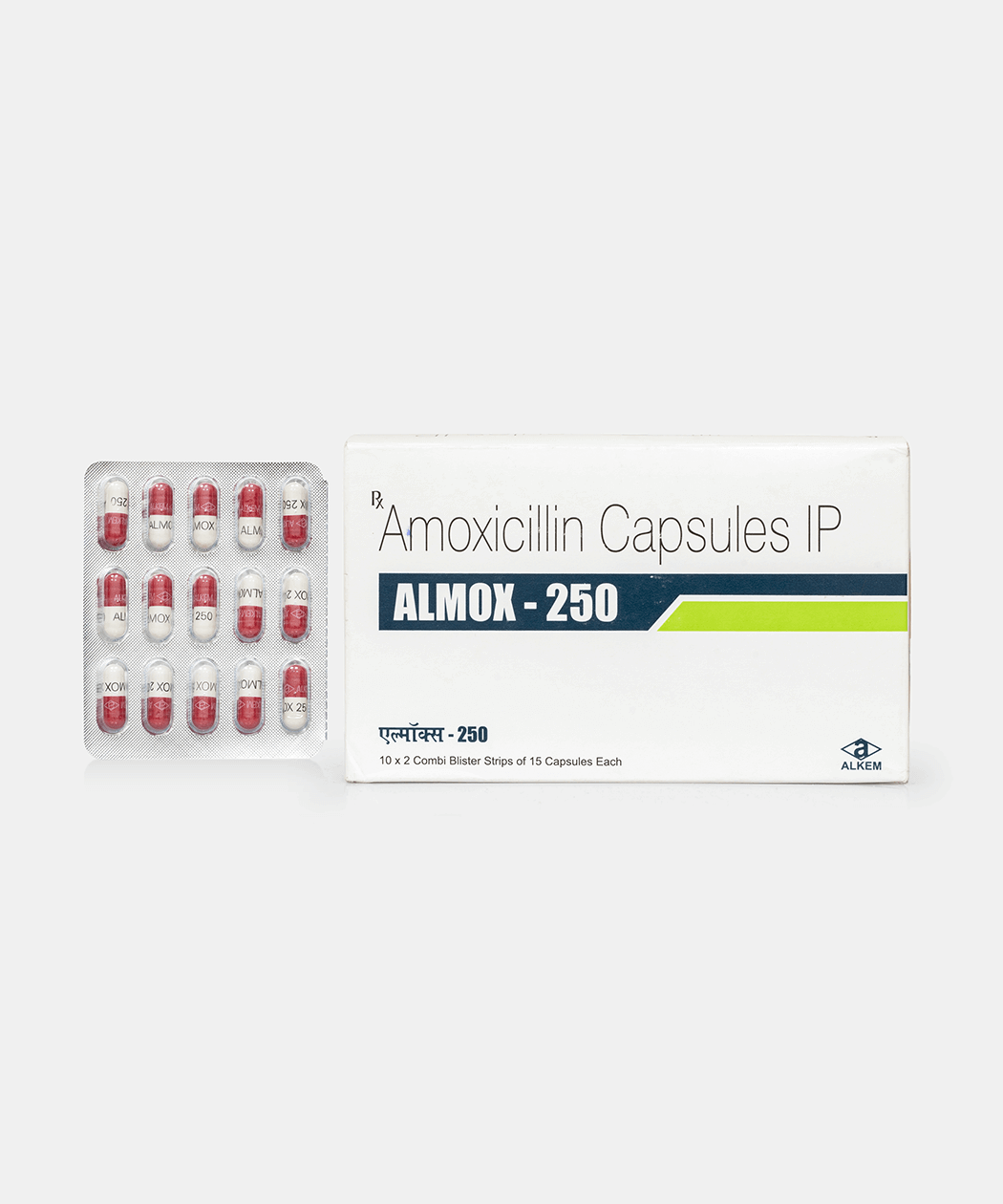
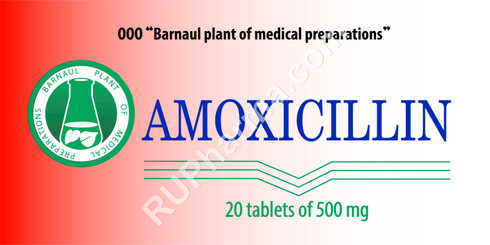
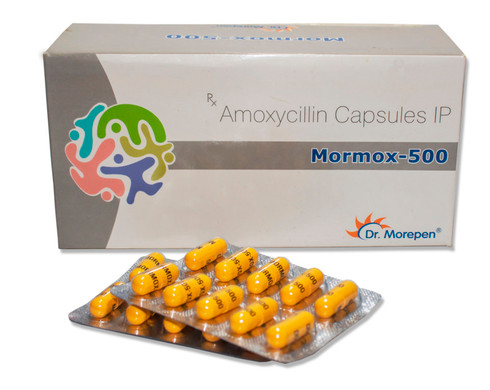
- Amoxicillin is absorbed far better by mouth than the earlier penicillins, with the large majority of an oral dose reaching the bloodstream, which is why it so rarely needs to be given by injection.
- It is among the most prescribed antibiotics on the planet and appears on the World Health Organization Model List of Essential Medicines.
Mechanism
Amoxicillin belongs to the beta-lactam antibiotics, named for the four-membered beta-lactam ring at the heart of the molecule. This ring mimics part of the natural building block of the bacterial cell wall, allowing amoxicillin to bind and inhibit penicillin-binding proteins, the transpeptidase enzymes that stitch together the peptidoglycan layer that gives the wall its strength [1]. With cross-linking blocked, growing bacteria cannot maintain a sound wall, and the resulting osmotic instability causes them to lyse and die, which is why the drug is described as bactericidal [1]. Amoxicillin is most active against organisms that rely on this wall-building process and are not protected by beta-lactamase; where such enzymes are present, they cleave the beta-lactam ring and inactivate the drug, the reason it is frequently combined with a beta-lactamase inhibitor [1].
receptor fingerprint
Penicillin-binding proteins 1a and 1binhibits
Penicillin-binding protein 2blocks
Penicillin-binding protein 3inhibits
D-alanyl-D-alanine transpeptidaseinhibits
Bacterial autolysinsactivates
Dosingtypical ranges, not medical advice
interested in protocols and clinical dosages? make an account to see them! ^_^
Safetyrisks and cautions, not medical advice
Amoxicillin is prescription only and generally safe, including in children and pregnancy. Common effects are diarrhea, nausea and a skin rash; it can also cause thrush and, less often, C. difficile colitis. A true penicillin allergy can cause serious reactions including anaphylaxis, so any history of that matters, though a non-allergic rash is common, especially if given during glandular fever. It interacts with allopurinol (more rash), probenecid (higher levels) and can modestly affect warfarin. Doses are reduced in significant kidney impairment.
Interactionsdocumented pairs only, not exhaustive
Amoxicillin has a light interaction profile; it is not metabolized by cytochrome P450 and leaves the body mostly unchanged through the kidney.
Probenecid is the classic pairing, blocking tubular secretion so amoxicillin concentrations run higher and last longer. That has been exploited deliberately in some regimens, but it also means exposure is greater than intended when probenecid is being taken for gout. Allopurinol is a separate oddity: the combination is associated with a markedly higher rate of rash, which is easily misread as a penicillin allergy and can follow someone for life.
Warfarin control can loosen during a course, partly through disruption of the vitamin K producing gut flora, and rises in INR with bleeding have been reported. Penicillins also reduce the renal clearance of methotrexate, and both hematologic and gastrointestinal methotrexate toxicity have followed. The long-standing worry about oral contraceptive failure remains theoretical and is not supported by pharmacokinetic data.
Checking a whole stack? Run it through interactions + stacks.
History
Amoxicillin was developed by researchers at the British company Beecham, part of the same program that produced ampicillin, and it was introduced into clinical use in 1972. It is a semisynthetic aminopenicillin, created by modifying the core penicillin structure to broaden its spectrum and, importantly, to improve absorption when taken by mouth. That improved oral bioavailability, together with its activity against many common respiratory and ear pathogens, quickly made it a first-choice antibiotic in general practice. More than fifty years later it remains one of the most frequently prescribed medicines in the world and sits on the World Health Organization Model List of Essential Medicines.
Reputation
Amoxicillin holds a place of enormous trust in medicine as a dependable, inexpensive, and well-tolerated first-line antibiotic, particularly in children with ear infections, streptococcal sore throat, and pneumonia. Its favorable absorption, palatable liquid formulations, and long safety record have made it a genuine mainstay of everyday prescribing. Clinicians appreciate that it targets bacterial cell-wall building with little effect on human cells, so serious toxicity is rare aside from allergy. The honest caveats are that penicillin allergy affects a meaningful minority of patients, and that overuse contributes to bacterial resistance, which is why careful, indication-based prescribing is emphasized.
Subjective profileweighing the evidence above
One of the most useful antibiotics there is: well absorbed, dependable, and safe enough for children and pregnancy, which is why it sits first line for ear infections, strep throat and community pneumonia. Prescription only for good reason, and a true penicillin allergy rules it out entirely.
Where to buy


Suppliers
Vendors carrying Amoxicillin, with live product details and codes. Links are affiliate links that support the wiki at no cost to you.
PCT.Zone
Amoxicillin
RUPharma🌐
Amoxicillin
RUPharma🌐
Amoxicillin
Research
- 2012first citedClinical practice guideline for the diagnosis and management of group A streptococcal pharyngit…
- 2024most recentTopical or oral antibiotics in childhood acute otitis media and ear discharge: a randomized con…
- 1.Amoxicillin (StatPearls)
- 2.The diagnosis and management of acute otitis media
- 3.Clinical practice guideline for the diagnosis and management of group A streptococcal pharyngitis: 2012 update by the Infectious Diseases Society of America
- 4.Diagnosis and Treatment of Adults with Community-acquired Pneumonia. An Official Clinical Practice Guideline of the American Thoracic Society and Infectious Diseases Society of America
- 5.Topical or oral antibiotics in childhood acute otitis media and ear discharge: a randomized controlled non-inferiority trial
5 listed here; entry last updated August 2026
Reviews
My notesprivate to this device
FAQ
What infections does amoxicillin treat?
Ear infections, strep throat, sinus and chest infections, some urinary and dental infections, plus part of the treatment for H. pylori stomach infection.
Can I stop once I feel better?
Finish the full course as prescribed; stopping early can let the infection rebound and helps drive antibiotic resistance.
Will it help a cold or the flu?
No; colds and flu are viral, and amoxicillin only works against bacteria.
I developed a rash; am I allergic?
Not necessarily; amoxicillin can cause a harmless rash, especially during glandular fever, but a true penicillin allergy is serious, so check with a clinician.
Can I drink alcohol while taking it?
A moderate drink does not stop amoxicillin working, though rest and fluids help you recover.
Adverse effects
- Nausea and diarrhea
- Skin rash
- Allergic reactions in penicillin-sensitive people
- Non-allergic rash during mononucleosis
- Yeast infection (thrush)
Notes and cautions
- Clostridioides difficile colitis (uncommon)