
spec sheet12 rows
Cefixime is an orally administered third-generation cephalosporin antibiotic used to treat a range of bacterial infections [1][2]. It works by disrupting construction of the bacterial cell wall and is notably resistant to breakdown by many bacterial beta-lactamase enzymes [2]. Common uses include urinary tract infections, middle-ear infections, pharyngitis, and certain respiratory and sexually transmitted infections [2][3]. First patented in 1979 and approved in the United States in 1989, cefixime is listed on the World Health Organization Model List of Essential Medicines [1].
- Treats urinary tract, middle-ear and respiratory infections
- Broad gram negative coverage in one daily pill
- Resists many bacterial beta-lactamase enzymes
- Once daily oral dosing, no injections needed
- On the WHO essential medicines list
- Oral alternative to injectable cephalosporins
- Diarrhea and loose stools
- Nausea and abdominal discomfort
- Allergic reactions, particularly in people with penicillin or cephalosporin allergy
Overview
Cefixime is a semisynthetic antibiotic in the cephalosporin group, and more precisely a third-generation agent that is taken by mouth [1][2]. Its molecular formula is C16H15N5O7S2, corresponding to a molar mass near 453 grams per mole, and its structure includes an aminothiazole ring and an oxyimino side chain that help make it stable against many beta-lactamase enzymes [1][2]. During development it was identified by the code designations FK027, FR17027, and CL284635 before receiving its international nonproprietary name [2].
The drug shows broad activity against many gram-negative organisms, among them Haemophilus influenzae, Moraxella catarrhalis, and numerous Enterobacteriaceae, as well as streptococci such as Streptococcus pyogenes and penicillin-susceptible Streptococcus pneumoniae [2]. It has little useful activity against Staphylococcus aureus and is inactive against Pseudomonas aeruginosa [2]. In clinical practice cefixime is used for urinary tract infections, acute otitis media, pharyngitis and tonsillitis, and lower respiratory tract infections, where comparative trials have found it broadly similar in effectiveness to agents such as amoxicillin, cefaclor, and cefuroxime [3]. It has also been used as an oral option for uncomplicated gonorrhea, although rising resistance in Neisseria gonorrhoeae has narrowed that role; even so, a pooled analysis of randomized trials reported high clinical cure rates for a single oral course [4].
A distinguishing feature of cefixime is its comparatively long elimination half-life of roughly three to four hours, which permits once-daily or twice-daily administration rather than the more frequent schedules required by older oral cephalosporins [2][3]. Oral bioavailability is moderate, on the order of one-third to one-half of an administered dose, and the drug is cleared substantially in bile and urine [1]. It is supplied in oral forms, including tablets, capsules, and liquid suspensions [1].
Cefixime was patented in 1979 and approved in the United States in 1989, where it was first marketed under the brand name Suprax [1]. The original branded tablet was withdrawn from the United States market by its manufacturer in 2003 after patent expiry, though the drug later returned in generic and reformulated products and has remained available internationally under names such as Suprax, Pancef, and Zifi [1]. It appears on the World Health Organization Model List of Essential Medicines and is widely sold as a low-cost generic medicine [1].
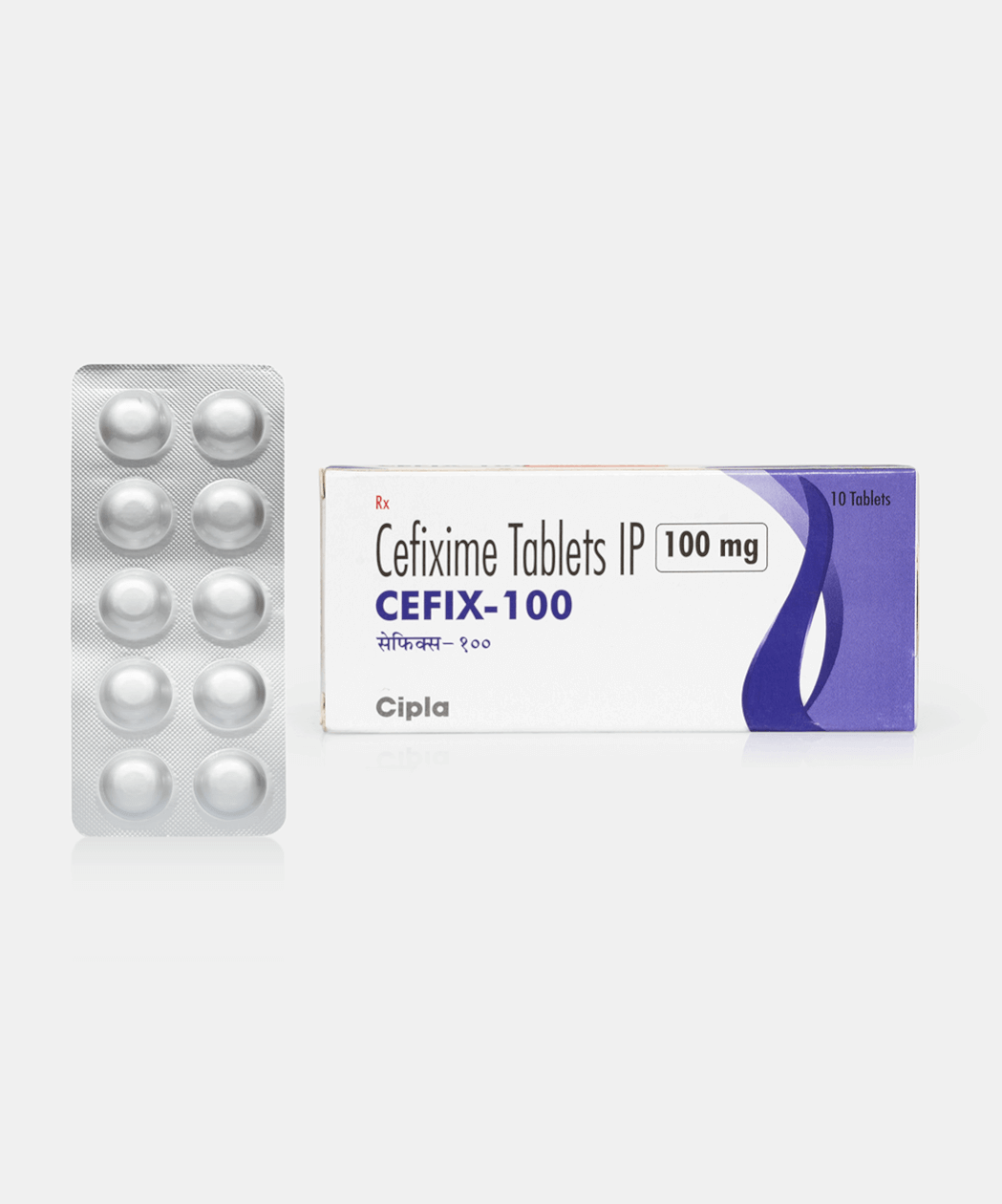
- Cefixime was one of the first oral cephalosporins potent enough to be taken just once a day, a convenience earlier drugs in its class could not match.
- Its resistance to many beta-lactamase enzymes lets it defeat bacteria that inactivate older penicillins and cephalosporins.
- It appears on the World Health Organization Model List of Essential Medicines as a core antibiotic.
Mechanism
Cefixime exerts its antibacterial effect by interfering with synthesis of the bacterial cell wall [1]. Like other beta-lactam antibiotics it binds to penicillin-binding proteins, the enzymes that catalyze cross-linking of the peptidoglycan strands that give the wall its strength; blocking this step weakens the wall and leads to bacterial lysis and death [1]. A defining property of cefixime is its stability in the presence of many beta-lactamase enzymes, which lets it stay active against organisms that inactivate earlier cephalosporins and penicillins [2]. Its relatively long persistence in the body underlies the convenient once-daily or twice-daily dosing seen with the drug [2][3].
receptor fingerprint
Penicillin-binding proteinsinhibits
Bacterial cell wall synthesisblocks
Beta-lactamase enzymesmodulates
Gram-negative cell envelopemodulates
Dosingtypical ranges, not medical advice
interested in protocols and clinical dosages? make an account to see them! ^_^
Safetyrisks and cautions, not medical advice
Cefixime is prescription only. The most common effects are gastrointestinal: diarrhea, loose stools, nausea, and abdominal discomfort, with diarrhea being especially frequent. As with any broad antibiotic it can disturb gut flora and, uncommonly, trigger Clostridioides difficile colitis, which causes severe watery diarrhea and needs prompt care. Allergic reactions range from rash to, rarely, anaphylaxis, and people with a serious penicillin allergy have a small chance of cross-reacting. It is used cautiously in kidney impairment, where the dose is reduced. Prolonged or repeated use promotes antibiotic resistance, so it should be taken only for confirmed or strongly suspected bacterial infections and the full course completed.
Interactionsdocumented pairs only, not exhaustive
Anticoagulants matter most. Raised prothrombin time and bleeding have been reported when cefixime is added to warfarin, partly a cephalosporin class effect on the gut flora that supply vitamin K, so the INR can drift upward during a course.
Carbamazepine concentrations have been reported to rise during cefixime treatment, and beta-lactams lower the seizure threshold in their own right by antagonizing GABA-A; a case of nonconvulsive status epilepticus was described in a woman with long-controlled epilepsy shortly after cefixime was started. Probenecid blocks the renal tubular secretion that clears cefixime and raises its exposure, and nifedipine has been shown to increase cefixime bioavailability.
Nephrotoxicity is additive with aminoglycosides and loop diuretics. Cefixime also causes false-positive urine glucose readings with copper reduction tests and can produce a positive direct Coombs result, both of which mislead lab work rather than harm the patient directly.
Checking a whole stack? Run it through interactions + stacks.
History
Cefixime is a third-generation cephalosporin developed in Japan by Fujisawa Pharmaceutical, the company that later became part of Astellas. It was first patented in 1979 and emerged from the intense mid-century effort to build on the cephalosporin scaffold, itself derived from a fungus discovered off the coast of Sardinia, to create antibiotics that resisted bacterial enzymes and could be taken by mouth. Cefixime's particular achievement was combining broad activity against gram-negative bacteria with oral absorption and a long duration of action, an uncommon pairing among the potent later cephalosporins. It received United States approval in 1989 and was marketed under the brand name Suprax, offering the convenience of once-daily or twice-daily dosing. Its enduring clinical value is reflected in its inclusion on the World Health Organization Model List of Essential Medicines.
Reputation
Cefixime is regarded as a reliable, well-established oral antibiotic, appreciated for delivering the reach of a third-generation cephalosporin in a convenient tablet or suspension that patients can take at home. Clinicians value its stability against many beta-lactamase enzymes, which lets it remain effective against organisms that have learned to inactivate older penicillins and earlier cephalosporins, and its long persistence in the body allows simple once-daily or twice-daily dosing.
It has a long track record across common infections of the urinary tract, middle ear, throat, and respiratory system, and it has historically served an important role in certain sexually transmitted infections. Its place on the WHO Essential Medicines list underscores a global reputation for usefulness and value. In fairness, like all antibiotics its effectiveness depends on local resistance patterns and appropriate use, and it is reserved for bacterial rather than viral illness, but as a dependable oral agent it remains widely trusted.
Subjective profileweighing the evidence above
A useful once-daily oral antibiotic when a clinician has picked it for the right infection, and that is the whole point: antibiotics are not something to stock or self-prescribe. Finish the course, expect loose stools, and flag a penicillin allergy before starting.
Where to buy
Suppliers
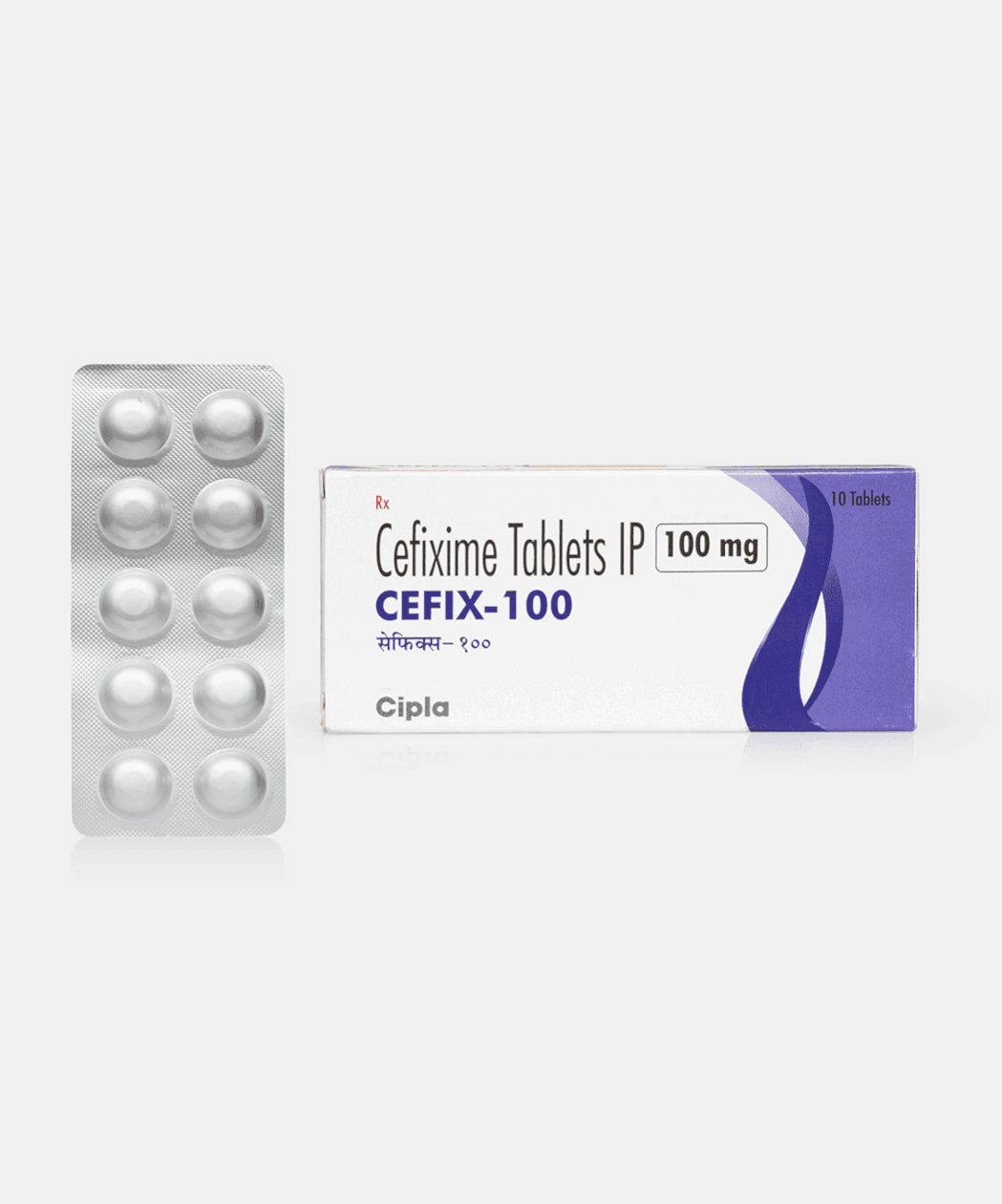
Vendors carrying Cefixime, with live product details and codes. Links are affiliate links that support the wiki at no cost to you.
PCT.Zone
Cefixime
Research
- 1989first citedCefixime. A review of its antibacterial activity. Pharmacokinetic properties and therapeutic po…
- 2023most recentClinical pharmacokinetics of cefixime: a systematic review.
- 1.Clinical pharmacokinetics of cefixime: a systematic review.
- 2.Cefixime. A review of its antibacterial activity. Pharmacokinetic properties and therapeutic potential.
- 3.Cefixime. A review of its therapeutic efficacy in lower respiratory tract infections.
- 4.Systematic review and meta-analysis on efficacy of cefixime for treating gonococcal infections.
4 listed here; entry last updated August 2026
Reviews
My notesprivate to this device
FAQ
Will cefixime treat a cold or flu?
No. It only works on bacteria, and colds and flu are viral, so taking it then just risks side effects and resistance.
Why does it cause diarrhea so often?
It disturbs the normal gut bacteria; usually the diarrhea is mild, but severe or bloody diarrhea needs medical attention.
Can I take it if I am allergic to penicillin?
Often yes, but a small cross-reaction risk exists; tell your doctor about any serious penicillin reaction before starting.
Should I finish the whole course?
Yes. Stopping early can leave surviving bacteria that come back stronger and more resistant, even if you already feel better.
With or without food?
Either is fine; taking it with food can ease stomach upset without meaningfully reducing how well it works.
Adverse effects
- Diarrhea and loose stools
- Nausea and abdominal discomfort
- Allergic reactions, particularly in people with penicillin or cephalosporin allergy
Notes and cautions
- Clostridioides difficile associated colitis (uncommon)