
spec sheet13 rows
Metformin is an oral antidiabetic medication of the biguanide class and the first-line drug for type 2 diabetes. Derived originally from a compound in the French lilac plant, it lowers blood sugar chiefly by reducing the amount of glucose the liver releases, without causing the weight gain or low blood sugar seen with some other agents. Beyond diabetes it is used in polycystic ovary syndrome and prediabetes, and its apparent effects on metabolism and aging have made it a subject of ongoing longevity research.
- Among the most studied medicines ever prescribed
- Flips on AMPK, the metabolic master switch
- Sharpens insulin sensitivity
- Reins in the liver's sugar output
- Longevity research's most watched candidate
- Rooted in French lilac, refined into pharmacology
- Gastrointestinal upset such as diarrhea, nausea, and cramping, especially when starting
- Long-term use can lower vitamin B12 levels
- Rare lactic acidosis, mainly with significant kidney impairment
Overview
Metformin is a biguanide, one of a class of antihyperglycemic compounds, and it is the most widely used oral medicine for type 2 diabetes [1][2]. It lowers elevated blood glucose without prompting extra insulin secretion, so on its own it rarely causes hypoglycemia and tends to be weight-neutral, qualities that helped make it a first-line therapy recommended by major diabetes and internal-medicine bodies [1]. Chemically it is a small, water-soluble molecule usually supplied as metformin hydrochloride [1].
The drug traces its origins to Galega officinalis, the French lilac or goat's rue, a plant used in traditional European medicine and later found to be rich in guanidine-related compounds that lower blood sugar [1]. The biguanide metformin was first described in the 1920s, but it was the French physician Jean Sterne who studied it in people during the 1950s and gave it the name Glucophage, meaning glucose eater [1]. It was introduced in France in 1957 and approved in the United States in 1994, and it has since become one of the most prescribed medicines in the world [1].
Metformin's main use is the long-term control of blood sugar in type 2 diabetes, often as the foundation on which other therapies are added [1][2]. It is also prescribed in polycystic ovary syndrome, where it can help restore ovulation and menstrual regularity, and it has moderate evidence for delaying the progression from prediabetes to diabetes [1][2]. Large observational studies have linked metformin use in people with diabetes to lower overall mortality and reduced rates of cancer and cardiovascular disease, which, together with its effects on cellular energy metabolism, has spurred interest in whether it might influence aging itself; reviews are cautious, suggesting it may improve healthspan more than extend maximum lifespan, and dedicated clinical trials on aging have been proposed [1].
Metformin is a prescription medicine in most countries and appears on the World Health Organization's Model List of Essential Medicines [1]. It is sold generically in immediate-release and extended-release tablets and in liquid form [1]. The most common problems are gastrointestinal, including diarrhea, nausea, and abdominal discomfort, particularly when starting or increasing the dose, and these are eased by gradual escalation [1]. Long-term use can lower vitamin B12 levels, so periodic monitoring is advised, and a rare but serious complication is lactic acidosis, seen chiefly in people with significant kidney impairment, which is why the drug is avoided when kidney function falls too low [1].

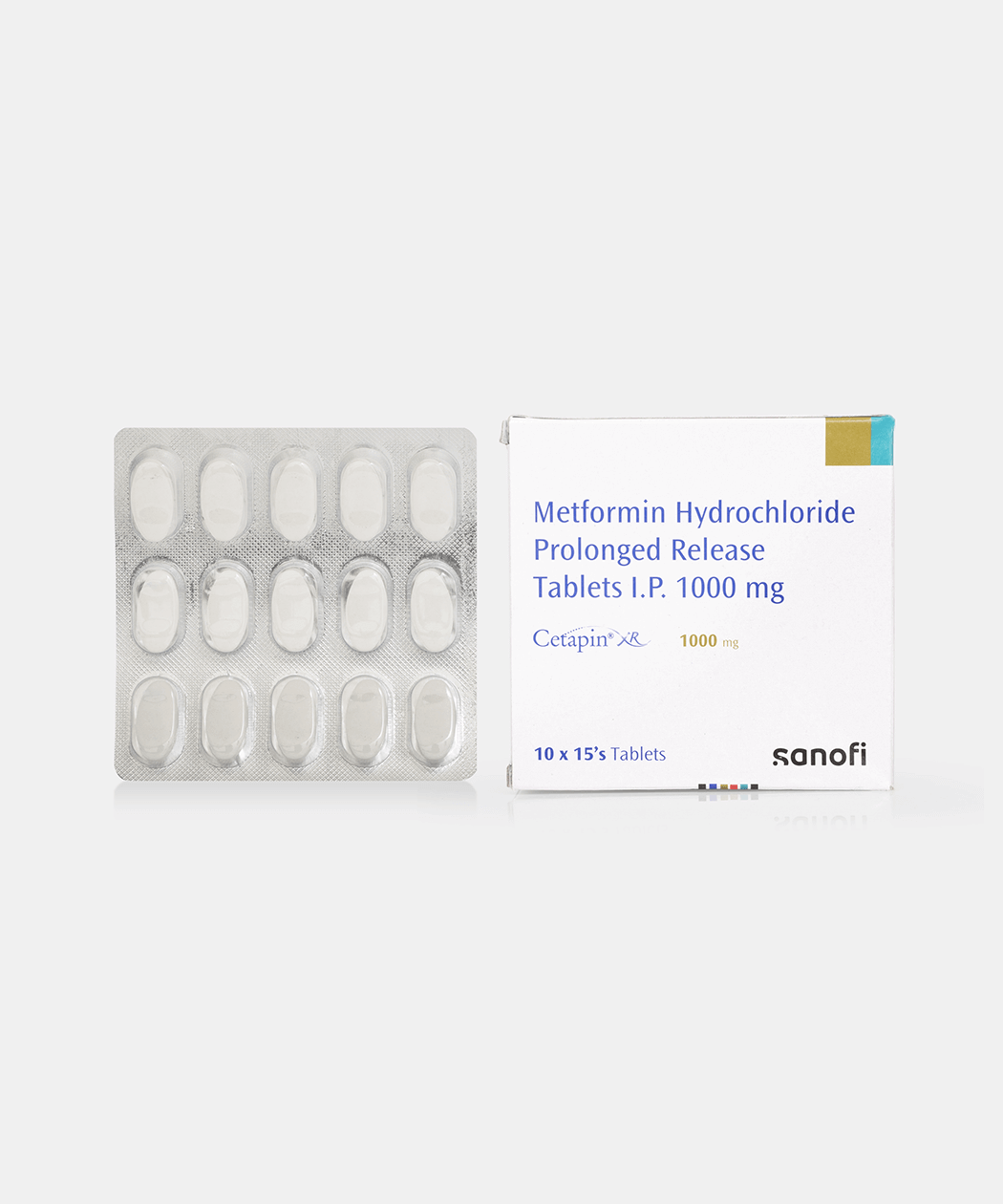
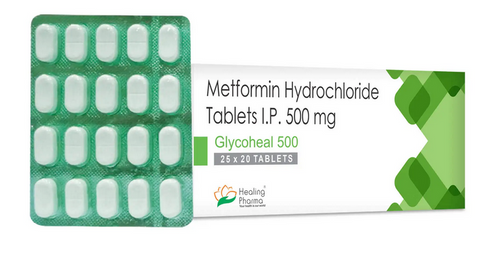
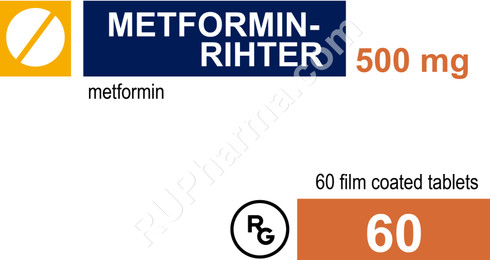
- Metformin's botanical ancestor, the French lilac (Galega officinalis), was used as a folk remedy for excessive urination centuries before its active guanidine chemistry was understood.
- Although first synthesized in 1922, metformin waited more than thirty years for clinical recognition and did not reach the United States market until 1995.
- It is the first drug ever proposed to be tested specifically for its effects on human aging, through the planned TAME (Targeting Aging with Metformin) trial.
Mechanism
Metformin lowers blood glucose mainly by suppressing gluconeogenesis, the liver's production of new glucose, and by improving the body's sensitivity to so that muscle and other tissues take up glucose more readily [2][4]. At the cellular level its central action is a mild, reversible inhibition of complex I of the respiratory chain, which lowers the cell's energy charge [2][4]. The resulting rise in AMP relative to ATP activates AMP-activated protein kinase (), an enzyme that acts as a master sensor of cellular energy; AMPK activation was long regarded as the core of metformin's action and helps explain its effects on lipid metabolism and sensitivity [2][3].
More recent work indicates that the immediate suppression of hepatic glucose output does not strictly require and can arise from the change in energy state itself, for example through effects on adenylate cyclase, glucagon signaling, and glycerol-3-phosphate dehydrogenase, which shifts the cell's redox balance [4][5]. The gastrointestinal tract also plays a large part, since metformin acts on the gut to increase glucose-lowering hormones such as -1, change bile acid handling, and reshape the gut microbiota [5]. Because it targets energy metabolism broadly, the same pathways have been invoked to explain its investigational effects on cancer cells and on aging [3][4].
receptor fingerprint
complex Iinhibits
activates
Hepatic gluconeogenesisreduces
Dosingtypical ranges, not medical advice
interested in protocols and clinical dosages? make an account to see them! ^_^
Safetyrisks and cautions, not medical advice
The most common effects are gastrointestinal, nausea, diarrhea, and cramping, which often ease over time or with the extended-release form; long-term use can lower vitamin B12. The rare but serious risk is lactic acidosis, seen chiefly with significant kidney impairment, dehydration, or heavy alcohol use. Prescription medicine.
Interactionsdocumented pairs only, not exhaustive
Metformin combined with iodinated contrast media used in imaging procedures significantly increases the risk of lactic acidosis, particularly in patients with impaired renal function [27]; [28]. This is a pharmacokinetic interaction where contrast media impairs renal clearance of metformin, allowing accumulation to toxic levels. The risk applies to iodinated contrast agents and warrants withdrawal of metformin for 48 hours before and 48 hours after contrast exposure if renal function is reduced [29]. What remains unstudied are safe metformin re-dosing schedules in patients with borderline renal function, the risk profile with low-osmolarity versus older high-osmolarity contrast agents, and whether timing of metformin dose relative to contrast administration affects outcomes.
Checking a whole stack? Run it through interactions + stacks.
History
Metformin traces its lineage to Galega officinalis, the French lilac or goat's rue, a herb used in medieval Europe for symptoms now recognized as diabetes and later found to be rich in guanidine, a compound with glucose-lowering properties. The biguanide dimethylbiguanide itself was first synthesized in 1922 by the Irish chemists Emil Werner and James Bell, but it drew little attention while insulin dominated diabetes care. Its therapeutic potential was established in the 1950s by the French physician Jean Sterne, who studied the molecule clinically and gave it the trade name Glucophage, meaning "glucose eater," with his key report appearing in 1957.
Introduced in France that same year, metformin spread through Europe over the following decades but reached the United States market only in 1995 after regulatory review by the Food and Drug Administration. It has since become the most widely prescribed oral medication for type 2 diabetes worldwide and appears on the World Health Organization's List of Essential Medicines. In the twenty-first century it has drawn renewed scientific interest for its investigational effects on aging, culminating in proposals for the landmark TAME (Targeting Aging with Metformin) trial.
Reputation
Metformin is widely regarded as one of the most valuable and dependable medications in modern medicine, earning a reputation as the first-line therapy for type 2 diabetes across international guidelines. Clinicians favor it because it lowers blood sugar effectively while rarely causing the low blood sugar or weight gain associated with several other agents, and it carries a long track record of safety spanning more than sixty years of clinical use. Beyond glucose control, it is valued in polycystic ovary syndrome and prediabetes, and observational data have linked its use to favorable outcomes in cardiovascular health and certain cancers, though these applications remain under active study.
Its low cost and broad availability have made it a mainstay of care around the globe. Interest in metformin as a potential geroprotective agent has grown considerably, with researchers examining whether its effects on cellular energy metabolism might slow features of aging itself. It is worth noting that the evidence for extending human lifespan remains preliminary and debated, and its most common drawback is transient gastrointestinal upset that often eases with slow dose titration or extended-release formulations.
Subjective profileweighing the evidence above
Hard to beat for the price. Decades of use, a well-mapped safety profile, and the most credible longevity candidate in the pharmacy, though that lifespan case is still unsettled. Start low to get past the gut upset, keep an eye on B12 over the years, and mind kidney function given the rare lactic acidosis risk.
Where to buy

Suppliers
Vendors carrying Metformin, with live product details and codes. Links are affiliate links that support the wiki at no cost to you.
| supplier | size | price | $/mg |
|---|---|---|---|
| PCT.Zonelowest | 850MG | $1.65 | $0.002/mg |
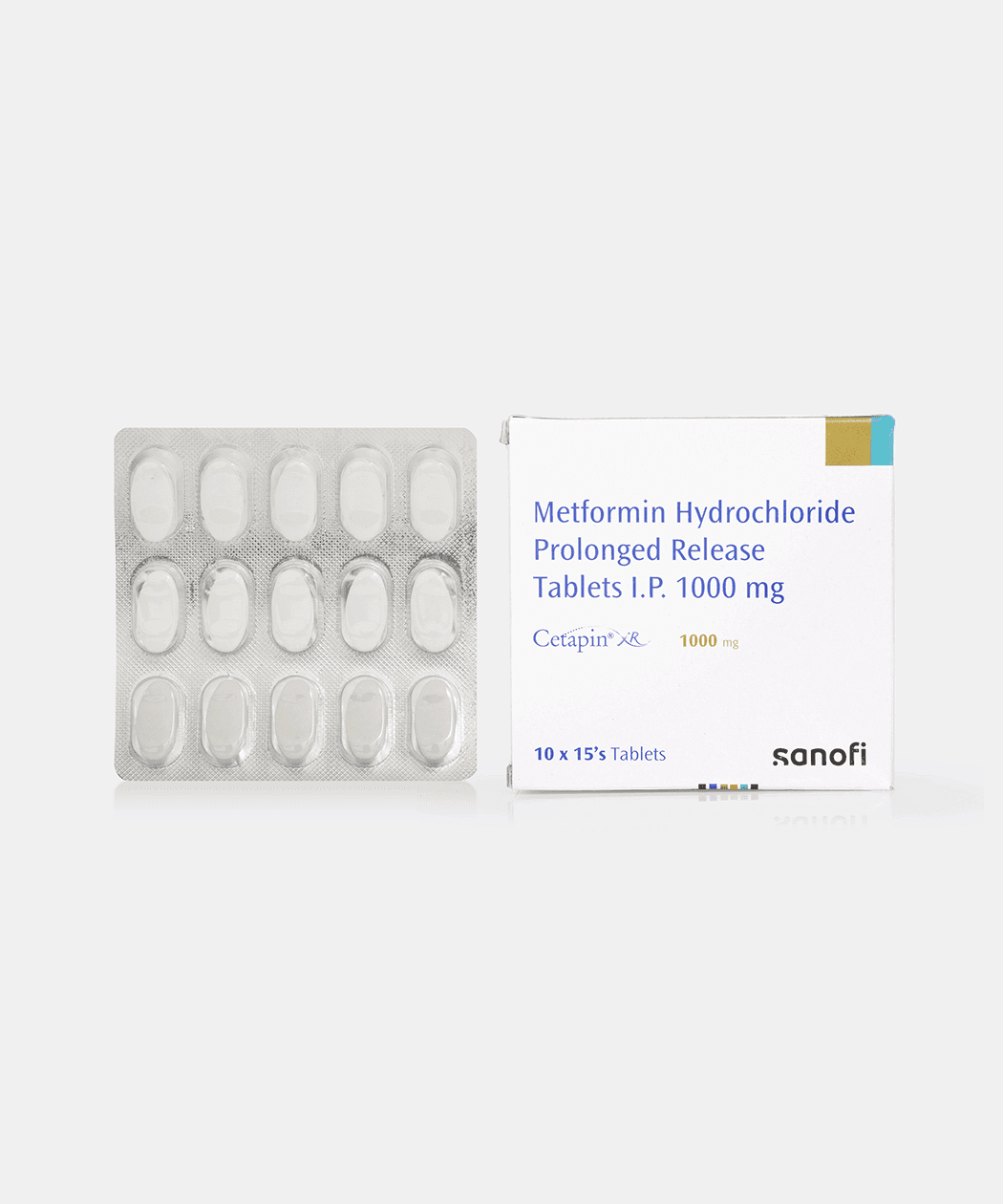
| PCT.Zone | 1000MG | $2.01 | $0.002/mg |
| PCT.Zone | 1000MG | $2.42 | $0.002/mg |
| PCT.Zone | 500MG | $1.31 | $0.003/mg |
| PCT.Zone | 500MG | $1.31 | $0.003/mg |
| PCT.Zone | 250MG | $0.99 | $0.004/mg |
| PCT.Zone | 500MG | $2.01 | $0.004/mg |
PCT.Zone
Metformin
PCT.Zone
Metformin
PCT.Zone
Metformin
PCT.Zone
Metformin
PCT.Zone
Metformin
PCT.Zone
Metformin
PCT.Zone
Metformin
PCT.Zone
Metformin
PCT.Zone
Metformin

RUPharma🌐
Metformin
RUPharma🌐
Metformin
Research
- 1998first citedEffect of intensive blood-glucose control with metformin on complications in overweight patient…
- 2019most active year6 papers
- 2022meta-analysisMetformin: Is it a drug for all reasons and diseases?
- 2025most recentA Data Mining Approach on Polypharmacy and Drug-drug Interactions of Common Diabetes Medication…
- 1.Metformin: Is it a drug for all reasons and diseases?
- 2.Role of AMP-activated protein kinase in mechanism of metformin action
- 3.Cellular and molecular mechanisms of metformin: an overview
- 4.Metformin: mode of action and clinical implications for diabetes and cancer
- 5.Understanding the glucoregulatory mechanisms of metformin in type 2 diabetes mellitus
- 6.Metformin Improves Mitochondrial Respiratory Activity through Activation of AMPK
- 7.Mitochondrial Complex I Inhibition by Metformin Limits Reperfusion Injury
- 8.Metformin suppresses glucose-6-phosphatase expression by a complex I inhibition and AMPK activation-independent mechanism
- 9.Mitochondrial targets of metformin-Are they physiologically relevant?
- 10.Metformin in therapeutic applications in human diseases: its mechanism of action and clinical study
- 11.Effect of intensive blood-glucose control with metformin on complications in overweight patients with type 2 diabetes (UKPDS 34). UK Prospective Diabetes Study (UKPDS) Group
- 12.Where Does Metformin Stand in Modern Day Management of Type 2 Diabetes?
29 listed here; entry last updated August 2026
Reviews
My notesprivate to this device
FAQ
Why is it popular in longevity circles?
Its effects on AMPK and metabolism have generated interest in whether it can influence aging, though this is still under active research.
Why take it with food?
Taking it with meals reduces the common gastrointestinal side effects, especially when starting out.
Does it deplete any nutrients?
Long-term use is associated with lower vitamin B12 levels, so monitoring is sometimes recommended.
Can it blunt exercise gains?
Some research suggests it may modestly dampen certain exercise adaptations, which is an area of ongoing debate.
Adverse effects
- Gastrointestinal upset such as diarrhea, nausea, and cramping, especially when starting
- Long-term use can lower vitamin B12 levels
- Rare lactic acidosis, mainly with significant kidney impairment
Notes and cautions
- Avoided when kidney function is too low