
data + articles · 8 listed
newest 2024spec sheet13 rows
Isoliquiritigenin is a chalcone-type flavonoid from licorice (Glycyrrhiza) with a bright yellow color and a simple trihydroxychalcone backbone. In lab and animal studies it acts as an antioxidant and anti-inflammatory, activating the Nrf2 pathway while dampening NF-kB and the NLRP3 inflammasome, and it inhibits the aromatase enzyme that makes estrogen. Nearly all of the evidence is preclinical; there is no established human dose and human trial data are essentially absent.
- Activates the Nrf2 antioxidant pathway in cell and animal studies
- Dampens NF-kB and NLRP3 inflammation in preclinical work
- A genuine aromatase inhibitor in the dish and in mice
- Anti-proliferative across many cancer cell lines in the lab
- Bright yellow chalcone straight from licorice root
- Promising chemistry with a coherent preclinical story
- possible antiplatelet (bleeding) effect based on lab findings
- if taken as whole-licorice extract: glycyrrhizin-related blood-pressure rise and low potassium
Overview
Isoliquiritigenin (2',4',4-trihydroxychalcone, commonly abbreviated ISL, ILG, or ILN) is a chalcone-class flavonoid found chiefly in the roots of licorice species (Glycyrrhiza glabra, G. uralensis, G. inflata) and, in smaller amounts, in shallot, bean sprouts, and other plants. Structurally it is the open-chain (ring-opened) counterpart of the flavanone liquiritigenin, and its conjugated enone gives it a characteristic yellow color and a reactive Michael-acceptor chemistry that underlies much of its biology. Across preclinical work it has been described as antioxidant, anti-inflammatory, antiplatelet, anti-diabetic, and antitumor, and reviews frame it as a multi-target natural compound rather than a single-receptor drug [1].
One of the most studied properties is inhibition of aromatase (CYP19A1), the enzyme that converts androgens to estrogens. In a dietary-administration study, isoliquiritigenin inhibited recombinant aromatase and slowed the growth of aromatase-overexpressing MCF-7 breast cancer cells and their xenografts in mice without reducing body weight [2]. Because of this and its effects on estrogen-receptor signaling, angiogenesis, and proliferation, it is frequently discussed as a candidate in hormone-related breast cancer; reviews stress that these findings are promising but remain confined to cell and animal models and require clinical validation before any therapeutic claim [3].
Its anti-inflammatory and cytoprotective actions have been mapped to a recurring molecular pattern: activation of the Nrf2/ARE antioxidant program alongside suppression of NF-kB and the NLRP3 inflammasome. In macrophages and a mouse model of LPS-induced acute lung injury, isoliquiritigenin induced AMPK/Nrf2 signaling and reduced reactive oxygen species while blunting NLRP3 and NF-kB, easing pulmonary edema and injury [4]. A similar Nrf2-dependent mechanism reduced NLRP3-driven damage after experimental intracerebral hemorrhage in rats, with the benefit lost when Nrf2 was silenced [5], and the same pathways were implicated in protection against cigarette-smoke-induced COPD-like lung inflammation [6]. In cancer models it has additionally been shown to raise ROS and inhibit the Jak2/STAT3 pathway, driving apoptosis in renal carcinoma cells [7].
Pharmacokinetics are a major practical limitation. Isoliquiritigenin is extensively metabolized by phase II UDP-glucuronosyltransferases to glucuronide conjugates, which contributes to low systemic exposure after oral intake [8]; combined with poor aqueous solubility, this gives it modest oral bioavailability and has motivated formulation work (nanoparticles, complexes) in the lab. Human pharmacokinetic and efficacy data are effectively absent, so the animal doses used to produce these effects do not translate into a validated human regimen. Overall the compound has a broad and internally consistent preclinical profile, but it should be read as an early-stage research molecule rather than a proven supplement.

- it's the ring-opened chalcone form of liquiritigenin; the two interconvert and often show up together in licorice.
- the bright yellow color comes from the same conjugated enone that makes it chemically reactive as a Michael acceptor.
- it's a genuine aromatase inhibitor in the lab, which is why it keeps appearing in hormone-related breast cancer research.
- your body clears it fast by glucuronidation, which is a big reason its oral bioavailability is low.
- beyond licorice it also turns up in shallots and bean sprouts, just in much smaller amounts.
Mechanism
isoliquiritigenin is a Michael-acceptor chalcone, and a lot of its biology flows from that reactive enone. it activates the Nrf2/ARE antioxidant response (raising downstream enzymes like HO-1 and quinone reductase) while dampening NF-kB signaling and the NLRP3 inflammasome, which together lowers ROS and IL-1beta-type inflammation. separately it inhibits aromatase (CYP19A1), reducing synthesis, and it modulates estrogen-receptor signaling. additional reported targets include tyrosinase inhibition (skin/pigment work), -A positive modulation (preclinical anxiolytic signals), aldose reductase inhibition, and pro-apoptotic effects via Jak2/STAT3 and pathways in cancer cells. net effect in models is antioxidant, anti-inflammatory, and anti-proliferative.
receptor fingerprint
Aromatase (CYP19A1)Inhibition
Nrf2 / ARE (NFE2L2)Activation
NF-kBInhibition
NLRP3 inflammasomeInhibition
Jak2 / STAT3Inhibition
TyrosinaseInhibition
-A receptorPositive modulation
Aldose reductaseInhibition
Dosingtypical ranges, not medical advice
interested in protocols and clinical dosages? make an account to see them! ^_^
Safetyrisks and cautions, not medical advice
purified isoliquiritigenin has a generally clean preclinical tolerability record, but there is no meaningful human safety data, so caution is the default. two specific flags: it's an aromatase inhibitor and phytoestrogen-active, so it's not appropriate to casually combine with hormone therapy, fertility treatment, or in hormone-sensitive conditions, and it should be avoided in pregnancy. it also has antiplatelet activity in the lab, which matters if you're on blood thinners or heading into surgery. importantly, if you're getting ISL through a whole-licorice extract, that extract can contain glycyrrhizin, which raises blood pressure and lowers potassium (pseudoaldosteronism); that risk belongs to licorice, not to purified ISL, but most people encounter the two together. talk to a clinician before using it alongside any medication.
History
Isoliquiritigenin has been consumed indirectly for millennia as a constituent of licorice root, long used in traditional Chinese and other herbal medicine. It was later isolated and characterized as the chalcone (ring-opened) counterpart of liquiritigenin, and from the 1990s onward became a focus of chemoprevention and anti-inflammatory pharmacology research.
Reputation
Within nutraceutical and research circles it has a reputation as a promising multi-target licorice flavonoid; antioxidant, anti-inflammatory, and aromatase-inhibiting; but one whose real-world use is limited by poor oral bioavailability and an almost complete lack of human clinical data.
Where to buy
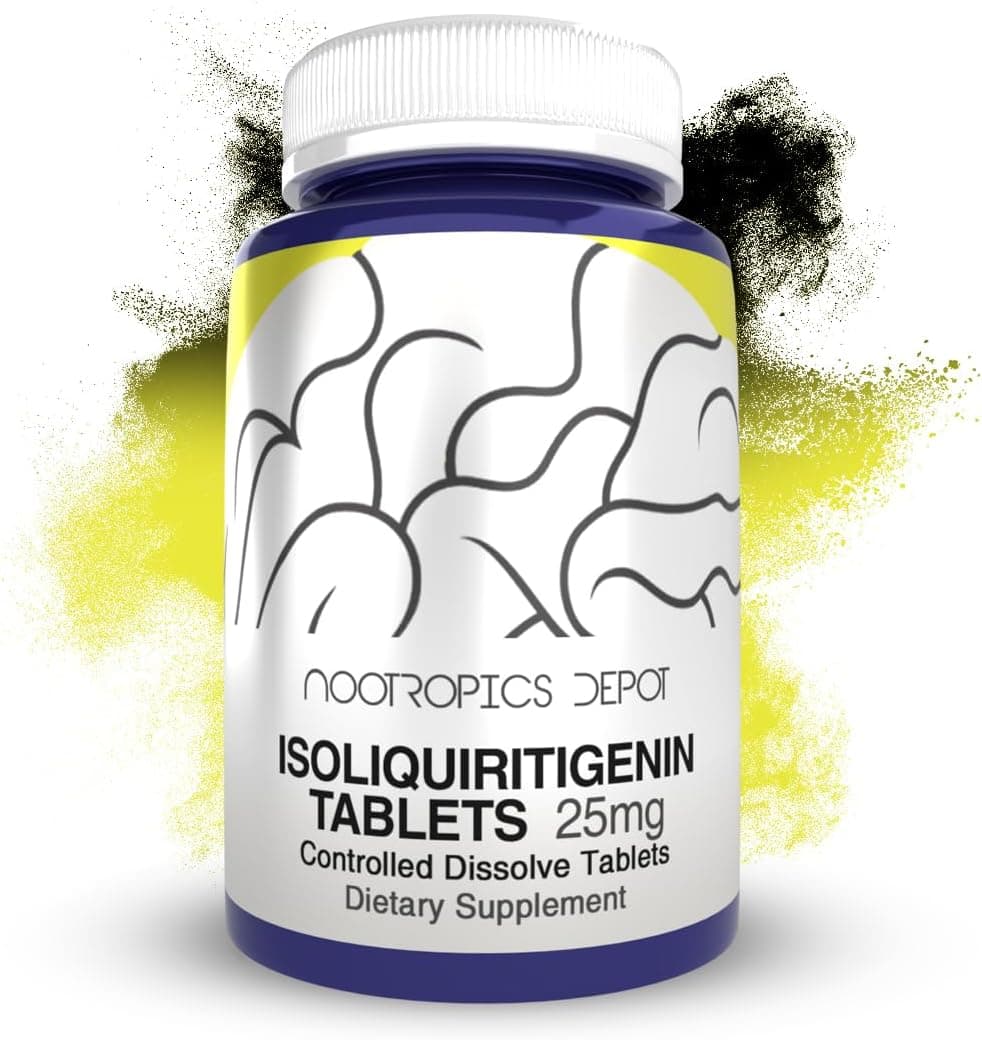
Suppliers
Vendors carrying Isoliquiritigenin, with live product details and codes. Links are affiliate links that support the wiki at no cost to you.
Amazon
Isoliquiritigenin
Research
- 2008first citedBiotransformation of the chemopreventive agent 2',4',4-trihydroxychalcone (isoliquiritigenin) b…
- 2017most active year3 papers
- 2024most recentIsoliquiritigenin, a potential therapeutic agent for treatment of inflammation-associated disea…
- 1.Isoliquiritigenin, a potential therapeutic agent for treatment of inflammation-associated diseases.
- 2.Dietary administration of the licorice flavonoid isoliquiritigenin deters the growth of MCF-7 cells overexpressing aromatase
- 3.An insight into the therapeutic effects of isoliquiritigenin in breast cancer.
- 4.Isoliquiritigenin Activates Nuclear Factor Erythroid-2 Related Factor 2 to Suppress the NOD-Like Receptor Protein 3 Inflammasome and Inhibits the NF-κB Pathway in Macrophages and in Acute Lung Injury.
- 5.Isoliquiritigenin alleviates early brain injury after experimental intracerebral hemorrhage via suppressing ROS- and/or NF-κB-mediated NLRP3 inflammasome activation by promoting Nrf2 antioxidant pathway.
- 6.Isoliquiritigenin Inhibits Cigarette Smoke-Induced COPD by Attenuating Inflammation and Oxidative Stress via the Regulation of the Nrf2 and NF-κB Signaling Pathways.
- 7.Isoliquiritigenin inhibits the proliferation of human renal carcinoma Caki cells through the ROS-mediated regulation of the Jak2/STAT3 pathway
- 8.Biotransformation of the chemopreventive agent 2',4',4-trihydroxychalcone (isoliquiritigenin) by UDP-glucuronosyltransferases.
8 listed here; entry last updated August 2026
Reviews
My notesprivate to this device
FAQ
is isoliquiritigenin the same as licorice or glycyrrhizin?
no. it's one flavonoid found in licorice root. glycyrrhizin is a different licorice compound and the one responsible for licorice's blood-pressure and potassium effects; purified ISL doesn't carry that specific risk, but whole-licorice extracts can contain both.
does it actually lower estrogen?
in the lab, yes; it inhibits aromatase, the enzyme that makes estrogen, and it affects estrogen-receptor signaling. whether that translates to a measurable effect in people at a realistic dose is unknown.
is there a proven human dose?
no. essentially all the data is from cells and animals. there's no established, validated human dose, which is why we don't publish one.
how is it different from liquiritigenin?
liquiritigenin is the closed-ring flavanone; isoliquiritigenin is the open-chain chalcone form. they interconvert and co-occur in licorice, and both show aromatase-inhibiting activity.
who should avoid it?
anyone pregnant, on hormone therapy or fertility treatment, with a hormone-sensitive condition, or on blood thinners should avoid it or check with a doctor first, given the estrogen and antiplatelet activity.
Limitations of the evidence
- human side-effect data are essentially absent
- theoretical hormonal effects from aromatase inhibition / phytoestrogen activity
Adverse effects
- possible antiplatelet (bleeding) effect based on lab findings
- if taken as whole-licorice extract: glycyrrhizin-related blood-pressure rise and low potassium