
spec sheet9 rows
Cranberry (Vaccinium macrocarpon) is a berry extract standardized for its A-type proanthocyanidins (PACs), the polyphenols (plant antioxidant compounds) that stop E. coli bacteria from gripping the bladder wall. Its best-earned job is helping PREVENT recurrent urinary tract infections (UTIs); it is not a cure for an active infection, which still needs antibiotics. Concentrated capsules standardized to around 36 mg PACs are far more reliable than juice, which is dilute and loaded with sugar. On top of the urinary angle, it delivers general antioxidant and polyphenol support.
- Real help preventing repeat urinary tract infections
- Stops E. coli gripping the bladder wall instead of killing it
- Standardized to roughly 36 mg of A-type PACs, the dose that works
- An option that works without reaching for antibiotics
- Capsules give reliable dosing without the sugar load of juice
- Delivers broad antioxidant and polyphenol support from concentrated fruit
- Mild stomach upset
- Loose stools, especially with large juice volumes
- High sugar and acid load if taken as juice
Overview
A preventive, not a treatment. The right form is a capsule standardized to ~36 mg A-type PACs rather than sugary juice, and the expectations should be set honestly; it lowers the odds of the next UTI, it does not clear one you already have.
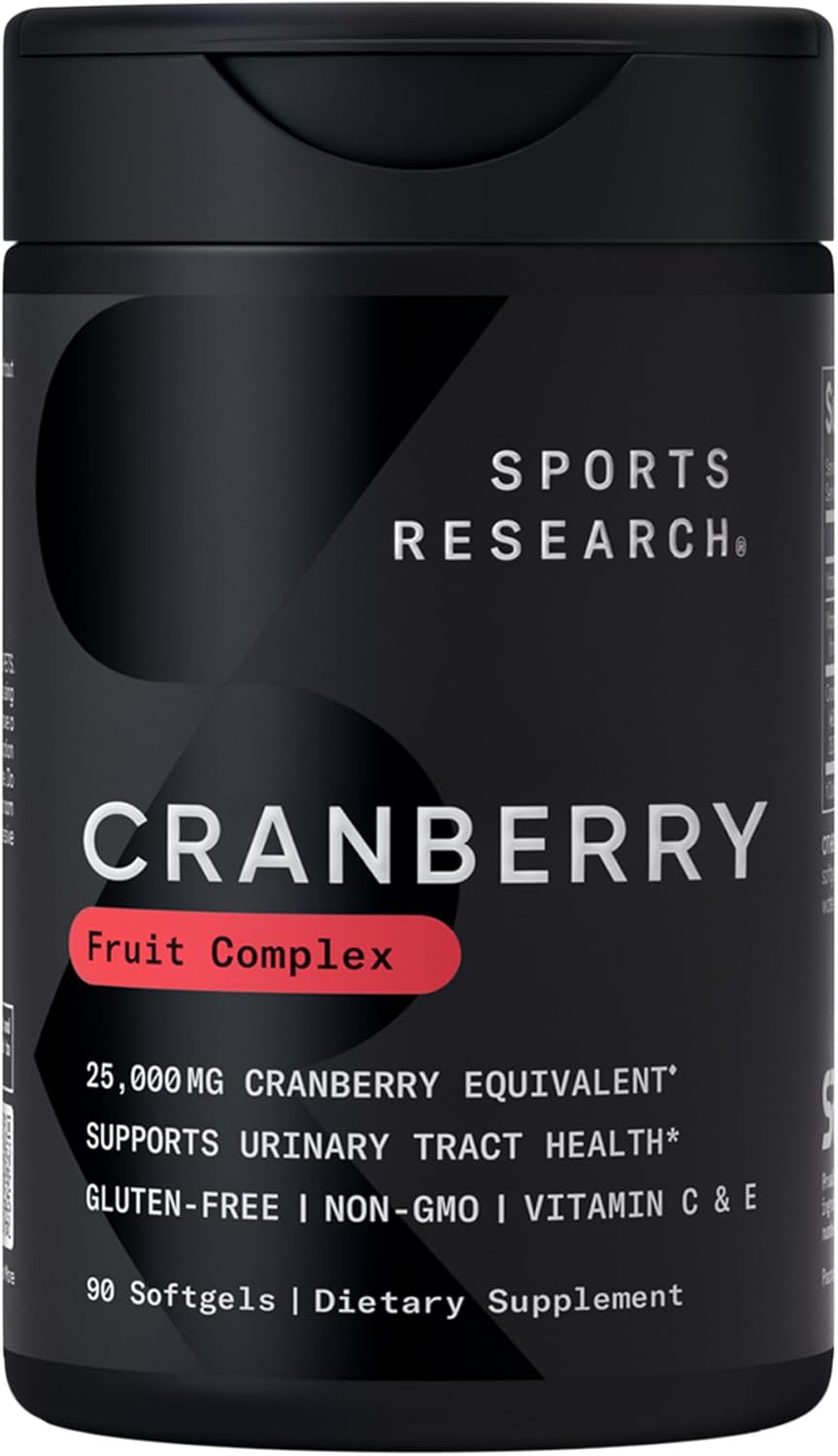
- The 'A-type' in A-type PACs refers to a specific double chemical linkage; cranberry is unusually rich in it, and that shape is what makes it good at anti-adhesion versus the more common B-type PACs in many other fruits.
- Cranberry doesn't actually kill the bacteria; it just makes the bladder wall too slippery for E. coli to hold on, so your body flushes them out.
- Good labs measure the PAC content with a standardized test called BL-DMAC, which is why serious products list a PAC number in milligrams rather than just 'cranberry extract'.
- Much of the old research that made cranberry look useless used underdosed products or plain juice; when studies use a proper standardized PAC dose, the prevention signal gets a lot clearer.
Mechanism
The active fraction is a family of polyphenols (plant antioxidant compounds) called A-type proanthocyanidins (PACs); the "A-type" bit refers to a specific chemical linkage between the building blocks, and it matters because that shape is what does the work. Many E. coli that cause UTIs cling to the bladder lining using tiny hair-like grips called fimbriae, tipped with an adhesin protein (a sticky docking molecule); A-type PACs specifically blunt the mannose-resistant, P-type fimbriae (tipped with an adhesin called PapG) that uropathogenic E. coli use to anchor, so the bacteria can't latch onto the uroepithelial cells (the cells lining the urinary tract); if they can't stick, they tend to get flushed out with urine instead of setting up an infection.
That is why cranberry is described as "anti-adhesion" rather than antibacterial; it doesn't really kill the bugs, it just makes the wall slippery to them. Separately, the same polyphenols act as antioxidants (molecules that neutralize reactive free radicals), which is where the general polyphenol-support reputation comes from.
receptor fingerprint
P-type (mannose-resistant) fimbriae / PapG adhesin on E. coliAnti-adhesion (blocks bacterial gripping)
Uroepithelial cells (bladder lining)Reduces bacterial attachment to the cell surface
Reactive oxygen species / free radicalsAntioxidant scavenging
Urinary microbiome balanceDiscourages colonization by uropathogens
Evidencehow good the literature is
Moderate and honestly a bit mixed, which is normal for a food-derived supplement. The strongest, most consistent signal is for reducing recurrent UTIs in people prone to them, particularly women with a history of repeat infections; pooled analyses lean positive when the product actually delivers a standardized PAC dose. A lot of the disappointing older trials used underdosed or poorly characterized products (or plain juice), which muddied the picture and is a big reason the field looks noisier than it should. The mechanism, anti-adhesion against P-fimbriated (mannose-resistant) uropathogenic E. coli, is well characterized in the lab and gives the clinical story a plausible backbone. Evidence for anything beyond urinary prevention (the general antioxidant claims) is real at the polyphenol level but much softer in terms of hard clinical outcomes.
Dosingtypical ranges, not medical advice
interested in protocols and clinical dosages? make an account to see them! ^_^
Safetyrisks and cautions, not medical advice
Cranberry is a food, so the safety margin is wide and it is generally very well tolerated. The most common complaints are mild stomach upset and, especially with large juice volumes, loose stools; the sugar and acid load of juice is its own downside. There is a long-standing caution about warfarin (a blood thinner); cranberry has been reported to increase its effect in some cases, so if you take warfarin, loop in your doctor first. People prone to calcium-oxalate kidney stones sometimes worry about the oxalate content of cranberry, so heavy chronic use there is worth a conversation with a clinician. The big honest caveat is not toxicity, it is scope; if you already have an active UTI (burning, urgency, fever, blood), cranberry is not the answer and you need proper medical treatment, usually antibiotics. General educational info, not medical advice.
History
Cranberry is native to North America, where Indigenous peoples used the tart berry as food, dye, and a folk remedy long before it became a supermarket staple. The idea that it helps the urinary tract is old folk wisdom, originally chalked up to making urine more acidic; that acidification theory was later largely set aside once researchers identified the proanthocyanidins and the anti-adhesion mechanism as the real story. Over the last few decades the product evolved from sweetened juice cocktail into standardized PAC capsules, and the science matured alongside it as people realized dose and standardization, not just 'drinking cranberry', were what mattered.
Reputation
Cranberry has one of the most recognizable reputations in the supplement aisle; almost everyone has heard 'drink cranberry juice for a UTI'. The catch is that the popular version of that advice is half wrong, because it frames cranberry as a treatment and pushes sugary juice. Among people who actually read the evidence, the respected form is a standardized PAC capsule used as prevention for recurrent UTIs, and expectations are kept modest and honest. It sits in the sweet spot of being genuinely useful for a specific job while being badly oversold for everything else.
Subjective profileweighing the evidence above
Worth it if you get recurrent UTIs, which is the one job it genuinely does, and a capsule standardized to roughly 36 mg of A-type PACs is the version that works; juice is dilute and mostly sugar. It will do nothing for an active infection, so never let it delay antibiotics.
Where to buy
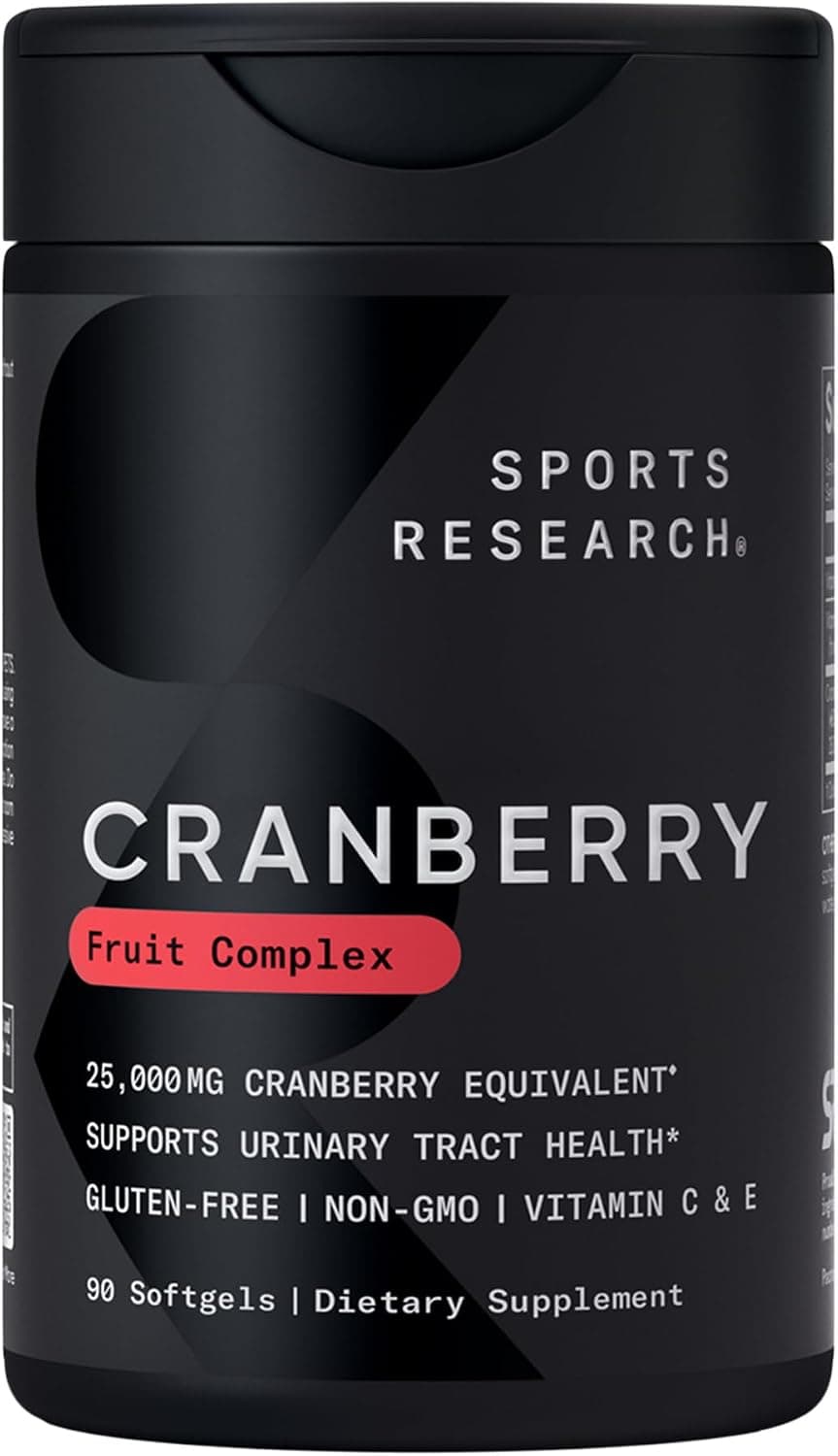
Suppliers
Vendors carrying Cranberry, with live product details and codes. Links are affiliate links that support the wiki at no cost to you.
Amazon
Cranberry
Research
- 2005first citedA-type cranberry proanthocyanidins and uropathogenic bacterial anti-adhesion activity
- 2012meta-analysisCranberries for preventing urinary tract infections
- 2021most recentHigh dose versus low dose standardized cranberry proanthocyanidin extract for the prevention of…
- 1.Cranberries for preventing urinary tract infections
- 2.A-type cranberry proanthocyanidins and uropathogenic bacterial anti-adhesion activity
- 3.High dose versus low dose standardized cranberry proanthocyanidin extract for the prevention of recurrent urinary tract infection in healthy women: a double-blind randomized controlled trial
3 listed here; entry last updated August 2026
Reviews
My notesprivate to this device
FAQ
Can cranberry cure a UTI I already have?
No, and this is the part people get wrong most. Cranberry is preventive; it makes it harder for bacteria to grab the bladder wall in the first place. Once you have an active infection (burning, urgency, fever, blood in urine), you need medical care, usually antibiotics; a supplement is not a substitute.
Is a capsule really better than juice?
For UTI prevention, yes. Juice is dilute and sugary, and many products barely deliver the active A-type PACs. A capsule standardized to around 36 mg PACs gives you a reliable, measured dose without drinking your daily sugar allowance.
How much should I take?
Aim for about 36 mg of standardized A-type proanthocyanidins (PACs) per day, often in a 300 to 500 mg concentrated extract; splitting it morning and night is sensible. Look for the PAC number on the label, not just the extract weight.
How long until it helps?
It is a numbers-game preventive, not a fast fix; use it continuously and give it several weeks to a few months to see whether your recurrence rate actually drops.
Is it safe to take every day?
For most people, yes; it is essentially a concentrated food and is well tolerated. The main flags are warfarin (a blood thinner) and a history of calcium-oxalate kidney stones, so check with your doctor if either applies to you.
Limitations of the evidence
- No benefit against an active infection, which can delay proper treatment if misused
Adverse effects
- Mild stomach upset
- Loose stools, especially with large juice volumes
- High sugar and acid load if taken as juice
- Possible interaction with warfarin (blood thinner)
- Oxalate content may concern those prone to calcium-oxalate kidney stones