
spec sheet16 rows
N-acetylcysteine (NAC) is one of the most versatile and well-evidenced antioxidant compounds available, prized as a direct precursor to glutathione, the body's master intracellular antioxidant. Beyond replenishing glutathione to counter oxidative stress, it fine-tunes glutamate signaling through the cystine-glutamate antiporter, a mechanism that has driven serious clinical research across psychiatry and neurology [1][3]. It is a decades-old hospital staple, serving as the standard antidote for acetaminophen overdose and as a proven mucolytic, all at low cost and with an excellent tolerability record.
- Fuels glutathione, the body's master antioxidant
- Crushes oxidative stress across the body
- Hospital grade liver support, proven for decades
- Balances glutamate signaling in the brain
- Studied hard for compulsive behaviors
- Cheap, well tolerated, remarkably versatile
- Mild nausea
- Occasional digestive upset
- Occasional headache
Overview
N-acetylcysteine (NAC) is the N-acetylated derivative of the amino acid L-cysteine and a direct biosynthetic precursor to glutathione (GSH), the sulfhydryl tripeptide that serves as the principal antioxidant inside cells. It has been used clinically for decades, originally as a mucolytic that breaks the disulfide bonds cross-linking mucins to reduce mucus viscosity, and as the standard antidote for acetaminophen (paracetamol) poisoning, where it restores the hepatic glutathione pool depleted during drug detoxification [1].
As understanding of its mechanisms broadened, NAC's clinical applications expanded well beyond the lungs and liver. The discovery that it can modulate glutamate homeostasis, by stimulating the cystine-glutamate antiporter (system xc-) and thereby restraining excessive synaptic glutamate release, prompted extensive study in neuropsychiatric conditions characterized by impaired redox balance and glutamatergic tone [1][3]. Research programs have examined it across depression, anxiety, schizophrenia, bipolar disorder, obsessive-compulsive and addictive behaviors, chronic neuropathic pain, and neurodegenerative disease, as well as cardiovascular disease, contrast-induced nephropathy, and ophthalmology [1].
The clinical literature includes controlled trials. In schizophrenia, an eight-week randomized study using magnetic resonance spectroscopy found that NAC increased medial prefrontal glutathione and showed a trend toward reduced glutamate [3], and NAC has been proposed as a strategy to correct glutathione deficiency in the disorder. In multiple sclerosis, an eight-week randomized trial reported reductions in the lipid peroxidation marker malondialdehyde and improvement in anxiety symptoms [2]. Preclinical work links its antioxidant action to preservation of parvalbumin interneurons after early-life oxidative insults [6] and to facilitation of fear extinction by restoring glutathione homeostasis in the amygdala [5]. Reviews have also explored NAC in combination with acetyl-L-carnitine and citicoline for neurological and psychiatric indications [4].
NAC is widely available as an inexpensive oral supplement and pharmaceutical, sold in capsule, tablet, powder, and effervescent forms, and is also used intravenously in hospital settings. Its long history of use, low cost, and favorable safety profile have made it a cornerstone antioxidant.

- NAC is the standard emergency-room antidote for acetaminophen overdose, where it works by restoring the liver's supply of the antioxidant glutathione.
- Beyond its antioxidant role, NAC drives the cystine-glutamate antiporter, exporting glutamate that dampens excessive synaptic glutamate release, the basis for its study in addiction and compulsive behavior.
Mechanism
NAC delivers a straightforward and durable benefit; it reinforces the cell's own antioxidant defenses at the point where they matter most. Once absorbed it is deacetylated to L-cysteine, the rate-limiting building block for glutathione synthesis, so supplementation replenishes glutathione and directly buffers reactive oxygen species and reactive electrophiles [1]. The intact molecule also carries a free thiol that can scavenge radicals and reduce disulfide bonds, which underlies its mucolytic action of thinning cross-linked mucus [1].
Its most studied central mechanism is modulation of . NAC drives the cystine-glutamate antiporter (system xc-), exchanging intracellular glutamate for extracellular cystine; the exported glutamate stimulates inhibitory metabotropic glutamate receptors of the mGluR2/3 class, which restrains excessive glutamate release [4]. By steadying tone in reward and limbic circuits, this pathway is thought to indirectly normalize signaling, providing a rationale for the research interest in compulsive behaviors and cravings.
Human and preclinical findings give the picture quantitative grounding. In a randomized schizophrenia trial, 2400 mg per day for eight weeks significantly increased glutathione in the medial prefrontal measured by magnetic resonance spectroscopy, with a trend toward lower [3]. In multiple sclerosis, 600 mg twice daily for eight weeks significantly lowered serum malondialdehyde and improved anxiety scores versus placebo [2]. In rodents, restoring glutathione in the basolateral amygdala facilitated extinction of learned fear [5], and NAC prevented the loss of parvalbumin interneurons caused by early [6]. Reported subjective effects in users tend to be subtle and cumulative, in keeping with an antioxidant and -stabilizing action rather than an acute stimulant one.
Because it targets and homeostasis simultaneously, and supports and membrane integrity, NAC is frequently framed as a neuroprotective and multi-system agent [1][4]. Its overall profile is that of a foundational antioxidant with broad, mechanistically coherent effects.
receptor fingerprint
Glutathione synthesis (cysteine substrate)Precursor / substrate
Mucin disulfide bonds (mucus)Reducing agent
Hepatic glutathione (acetaminophen / NAPQI)Replenisher
Cystine/ antiporter (xCT)Substrate / modulator
Reactive oxygen species (free radicals)Scavenger
Dosingtypical ranges, not medical advice
interested in protocols and clinical dosages? make an account to see them! ^_^
Safetyrisks and cautions, not medical advice
NAC is generally well tolerated, with the most common effects being gastrointestinal, including nausea, vomiting, diarrhea, and an unpleasant sulfur odor. Higher or intravenous doses can trigger anaphylactoid reactions such as flushing, rash, and rarely bronchospasm, and it may enhance the blood-pressure-lowering effect of nitroglycerin and mildly affect platelet function. People with asthma should be cautious, and it is not a substitute for medically supervised treatment of acetaminophen overdose.
Interactionsdocumented pairs only, not exhaustive
N-acetylcysteine's best-documented interaction is with nitroglycerin and other organic nitrates; controlled hemodynamic studies show NAC potentiates nitrate-induced vasodilation and helps reverse nitrate tolerance by supplying sulfhydryl groups, which can produce additive hypotension and severe headache when the two are combined. As a thiol antioxidant NAC has theoretical additive antiplatelet or bleeding effects with anticoagulants and antiplatelet drugs, though this is not firmly established clinically. In poisoning care, activated charcoal can adsorb oral NAC and reduce its availability, and NAC is the standard antidote that counteracts the hepatotoxicity of acetaminophen overdose. This is research information, not medical advice.
Checking a whole stack? Run it through interactions + stacks.
History
N-acetylcysteine was first developed in the 1960s as a mucolytic agent, exploiting its free thiol group to break the disulfide bonds that make mucus viscous, and it remains on the World Health Organization's list of essential medicines. In the 1970s it was found to be a life-saving antidote for acetaminophen (paracetamol) overdose, because it replenishes the hepatic glutathione depleted by the drug's toxic metabolite, and it became the standard hospital treatment for that purpose. From the 1990s onward, researchers extended interest to its antioxidant and glutamate-modulating actions, driving clinical trials across psychiatry and neurology. Today it is both an inexpensive over-the-counter supplement and a well-established hospital medicine.
Reputation
NAC is regarded as one of the most versatile and well-evidenced antioxidant compounds available, prized as a direct precursor to glutathione and backed by decades of clinical use. Its reputation rests on an unusually broad and mechanistically coherent profile, buffering oxidative stress while fine-tuning glutamate signaling through the cystine-glutamate antiporter, a combination that has driven serious research into compulsive behaviors, psychiatric conditions, and neuroprotection. Users tend to describe its effects as subtle and cumulative rather than acute, in keeping with an antioxidant rather than a stimulant action. It is widely praised for being low-cost with an excellent tolerability record. Reviewers caution that, despite promising signals, results across many psychiatric indications remain mixed and not yet definitive.
Subjective profileweighing the evidence above
Two very different reputations sit on one molecule. As the antidote in paracetamol overdose and as a mucolytic in sputum-producing lung disease it is genuinely indispensable; as a daily antioxidant capsule it is among the most oversold things on the shelf, since oral bioavailability is poor and anyone eating enough protein is rarely short of cysteine to begin with. The psychiatric and longevity claims are where the evidence thins out fastest, and thin is the honest word for it rather than negative.
Where to buy
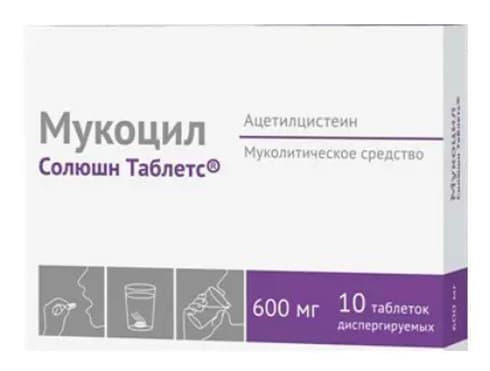
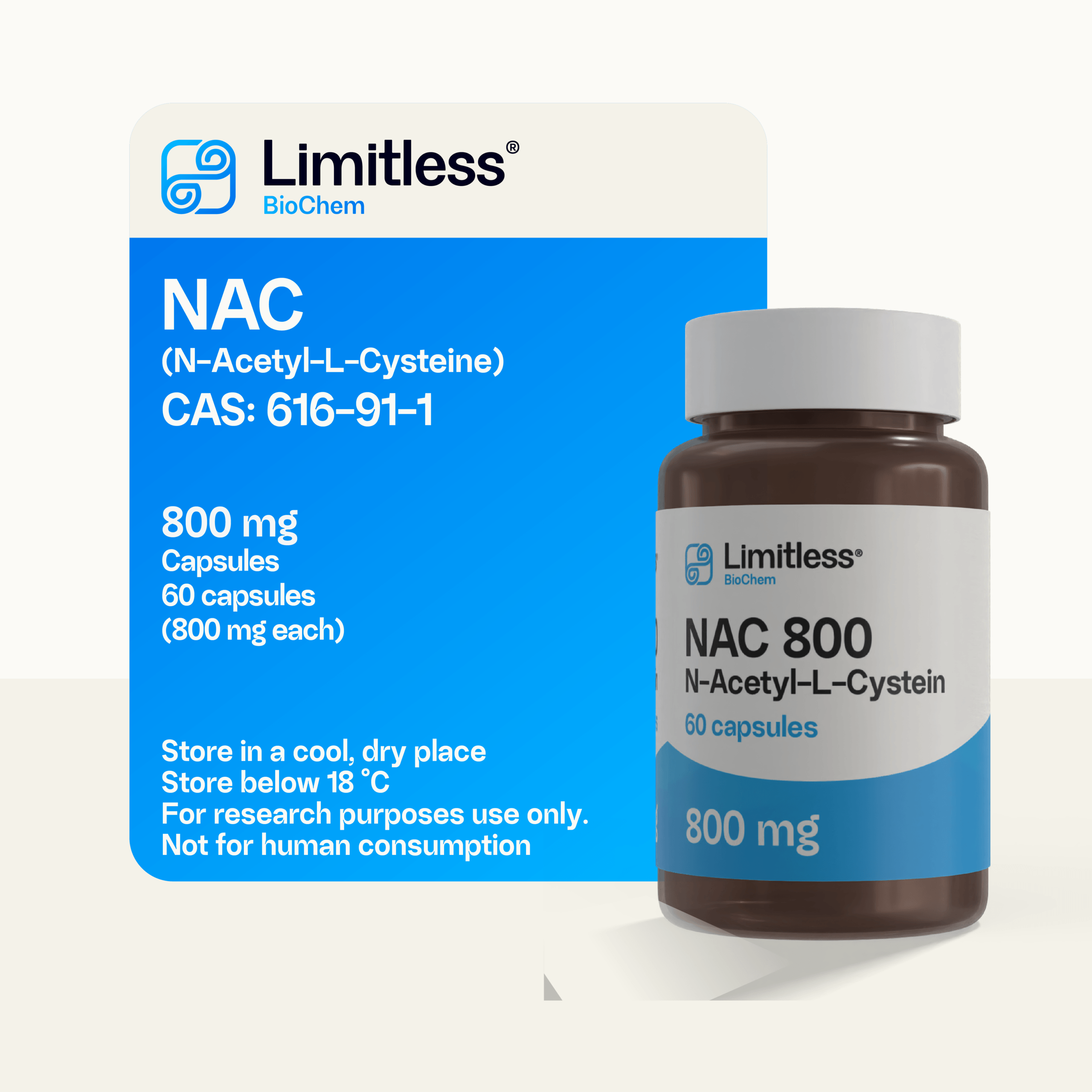
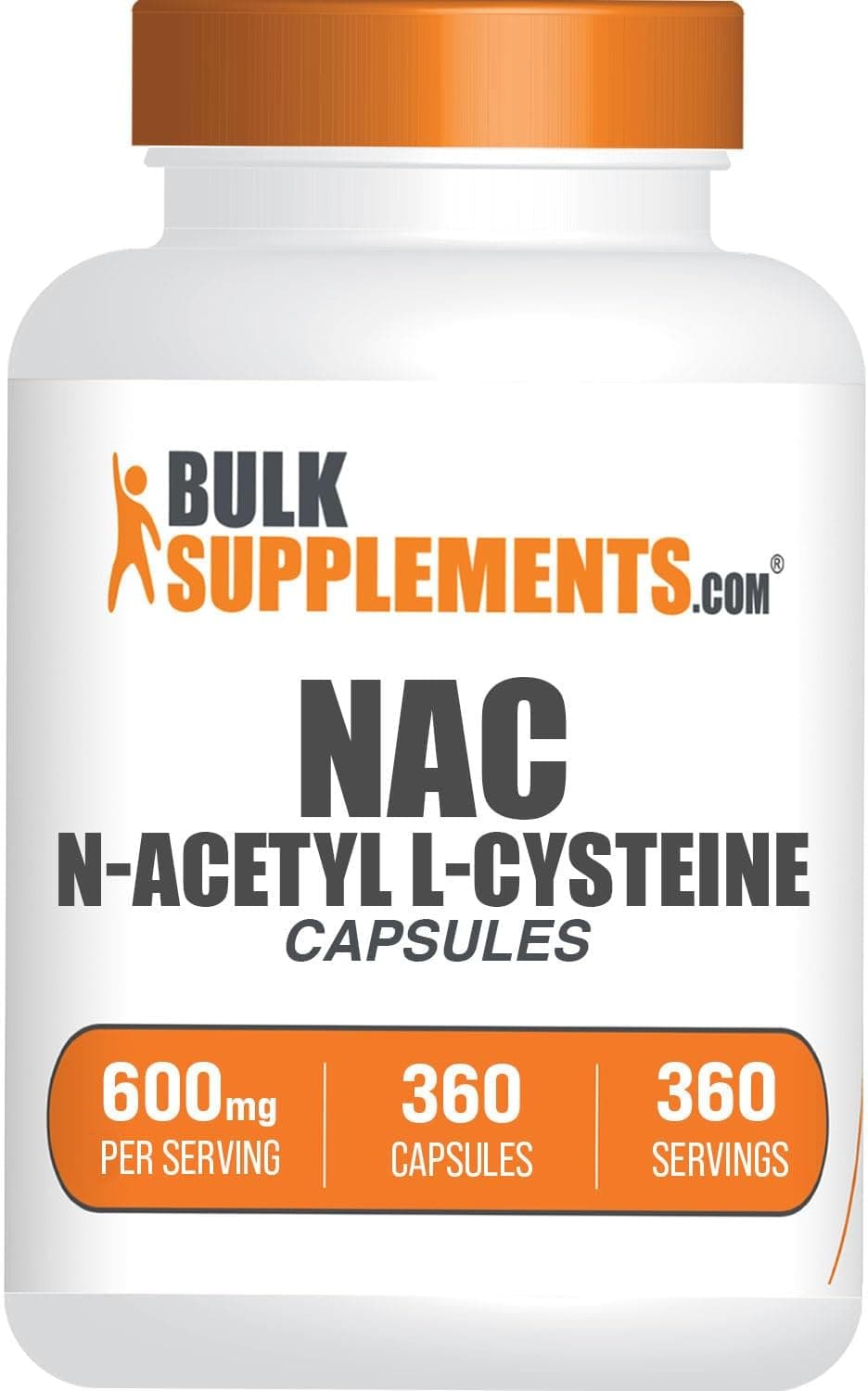


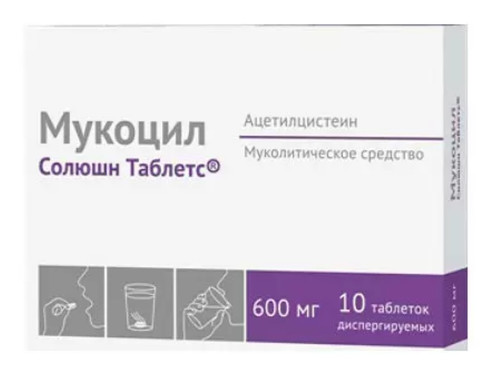
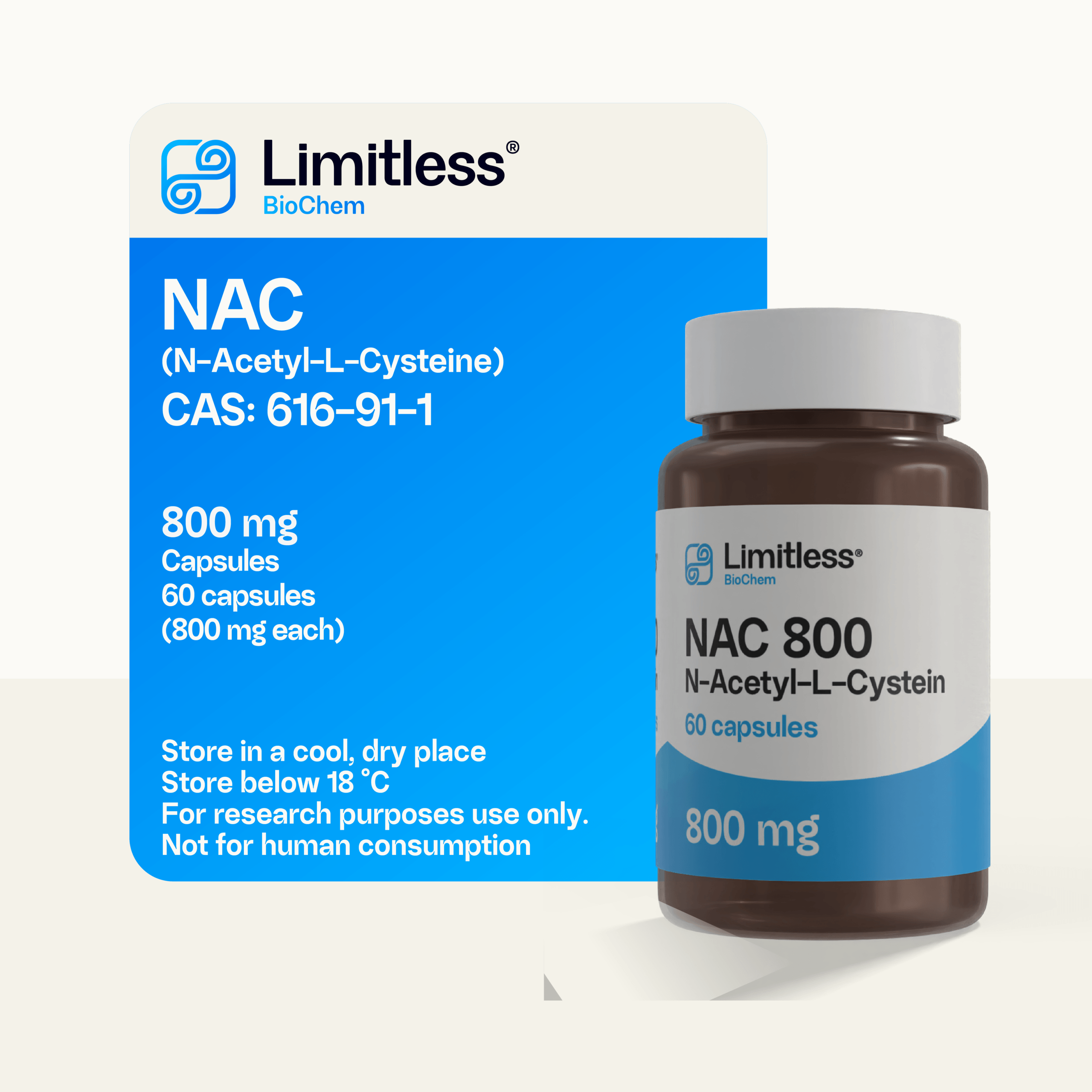
Suppliers
Vendors carrying NAC, with live product details and codes. Links are affiliate links that support the wiki at no cost to you.
RUPharma🌐
Acetylcysteine
Amazon
NAC
Limitless Biochem🌐
NAC
Kimera Chems
NAC
iHerb
NAC
Research
- 2013first citedEarly-life insults impair parvalbumin interneurons via oxidative stress: reversal by N-acetylcy…
- 2022most active year5 papers
- 2024meta-analysisEfficacy of N-acetylcysteine for patients with depression: An updated systematic review and met…
- 2026most recentN-acetylcysteine, Acetyl-L-carnitine, and Citicoline: A Potential Synergism in Neurological and…
- 1.The Multifaceted Therapeutic Role of N-Acetylcysteine (NAC) in Disorders Characterized by Oxidative Stress
- 2.Effects of N-acetylcysteine on oxidative stress biomarkers, depression, and anxiety symptoms in patients with multiple sclerosis
- 3.N-Acetylcysteine effects on glutathione and glutamate in schizophrenia: A preliminary MRS study
- 4.N-acetylcysteine, Acetyl-L-carnitine, and Citicoline: A Potential Synergism in Neurological and Psychiatric Disorders
- 5.N-acetylcysteine facilitates extinction of cued fear memory in rats via reestablishing basolateral amygdala glutathione homeostasis
- 6.Early-life insults impair parvalbumin interneurons via oxidative stress: reversal by N-acetylcysteine
- 7.The mechanism of action of N-acetylcysteine (NAC): The emerging role of H2S and sulfane sulfur species.
- 8.N-Acetylcysteine as an antioxidant and disulphide breaking agent: the reasons why.
- 9.Clinical trials of N-acetylcysteine in psychiatry and neurology: A systematic review.
- 10.The neuroprotective effects of N-acetylcysteine in psychiatric and neurodegenerative disorders: From modulation of glutamatergic transmission to restoration of synaptic plasticity.
- 11.N-acetylcysteine (NAC) in neurological disorders: mechanisms of action and therapeutic opportunities.
- 12.The effect of N-acetylcysteine (NAC) on human cognition - A systematic review.
24 listed here; entry last updated August 2026
Reviews
My notesprivate to this device
FAQ
What does NAC do?
It's a direct precursor to glutathione, the body's master antioxidant, and also influences glutamate signaling.
Why is it used in hospitals?
It's used medically as an antidote for acetaminophen overdose and as a mucus-thinning agent.
What's the glutamate connection?
Its modulation of glutamate has driven research into compulsive behaviors and mental health, though results vary.
Why does it sometimes smell like sulfur?
NAC contains sulfur, which can produce a distinctive odor that's normal for the compound.
Adverse effects
- Mild nausea
- Occasional digestive upset
- Occasional headache
Notes and cautions
- Faint, harmless sulfur smell