
data + articles · 3 listed
newest 2023spec sheet11 rows
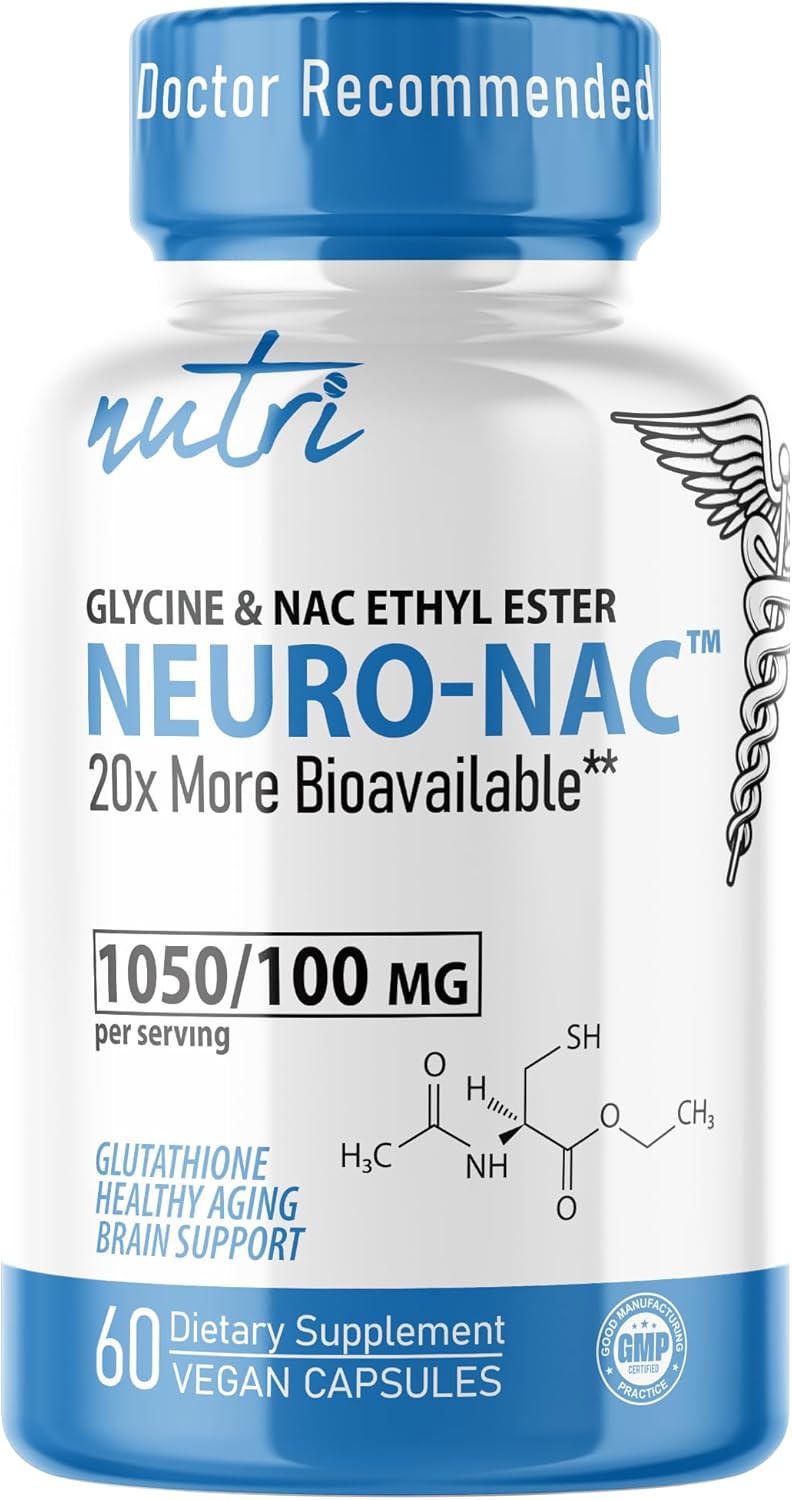
NACET is a lipophilic ethyl-ester version of NAC (N-acetylcysteine). The ester makes it far more cell-permeable and orally absorbable than NAC, so more of it reaches tissues, where it is cleaved back to NAC and cysteine and feeds glutathione, the body's main built-in antioxidant.
- NAC that actually absorbs; the ester slips through membranes
- Feeds glutathione, the body's master antioxidant
- A direct thiol antioxidant in its own right
- Reaches brain tissue in animal work where plain NAC stalls
- Human trials are still early; the chemistry is the draw
- Likely mild GI upset, like NAC
Mechanism
NACET is NAC with its carboxyl group turned into an ethyl ester, which raises lipophilicity so the molecule crosses cell membranes and the gut wall much more readily than NAC (whose oral is notoriously low). Once inside cells, esterases cleave it back to NAC and cysteine, the rate-limiting building block for glutathione synthesis; it also acts directly as a thiol antioxidant. Animal work reports it raises glutathione in tissues, including the brain, more effectively than NAC itself.
receptor fingerprint
Glutathione synthesisprecursor (via cysteine)
Free radicalsthiol scavenger
Membrane permeabilityimproved delivery vs NAC
Dosingtypical ranges, not medical advice
interested in protocols and clinical dosages? make an account to see them! ^_^
Safetyrisks and cautions, not medical advice
It is expected to share NAC's generally good tolerability, with mild stomach upset the most likely issue; human data specific to NACET are limited, so most of what is known is preclinical. As with NAC, a little care is sensible alongside nitrates or where extra thiol/antioxidant load matters. Not medical advice.
History
NACET (N-acetylcysteine ethyl ester) is a lipophilic, cell-permeable ethyl ester derivative of the long-established antioxidant N-acetylcysteine. It was introduced in a 2012 paper published in Biochemical Pharmacology, where the authors esterified the carboxyl group of NAC specifically to overcome NAC's poor oral bioavailability, which had been blamed for repeated failures of large NAC trials in oxidative-stress diseases. The research showed NACET readily enters cells, where it is converted back to NAC and cysteine, producing higher tissue and brain glutathione levels than NAC itself. It has not been developed as an approved drug and circulates chiefly as a research chemical and grey-market antioxidant supplement.
Subjective profileweighing the evidence above
A smarter way to deliver NAC if the goal is feeding glutathione, since plain NAC absorbs poorly and this does not. Human data specific to NACET is thin so most of the case is preclinical, but tolerability appears to follow NAC's and mild stomach upset looks like the only expected cost.
Where to buy
2 other outlets

Suppliers
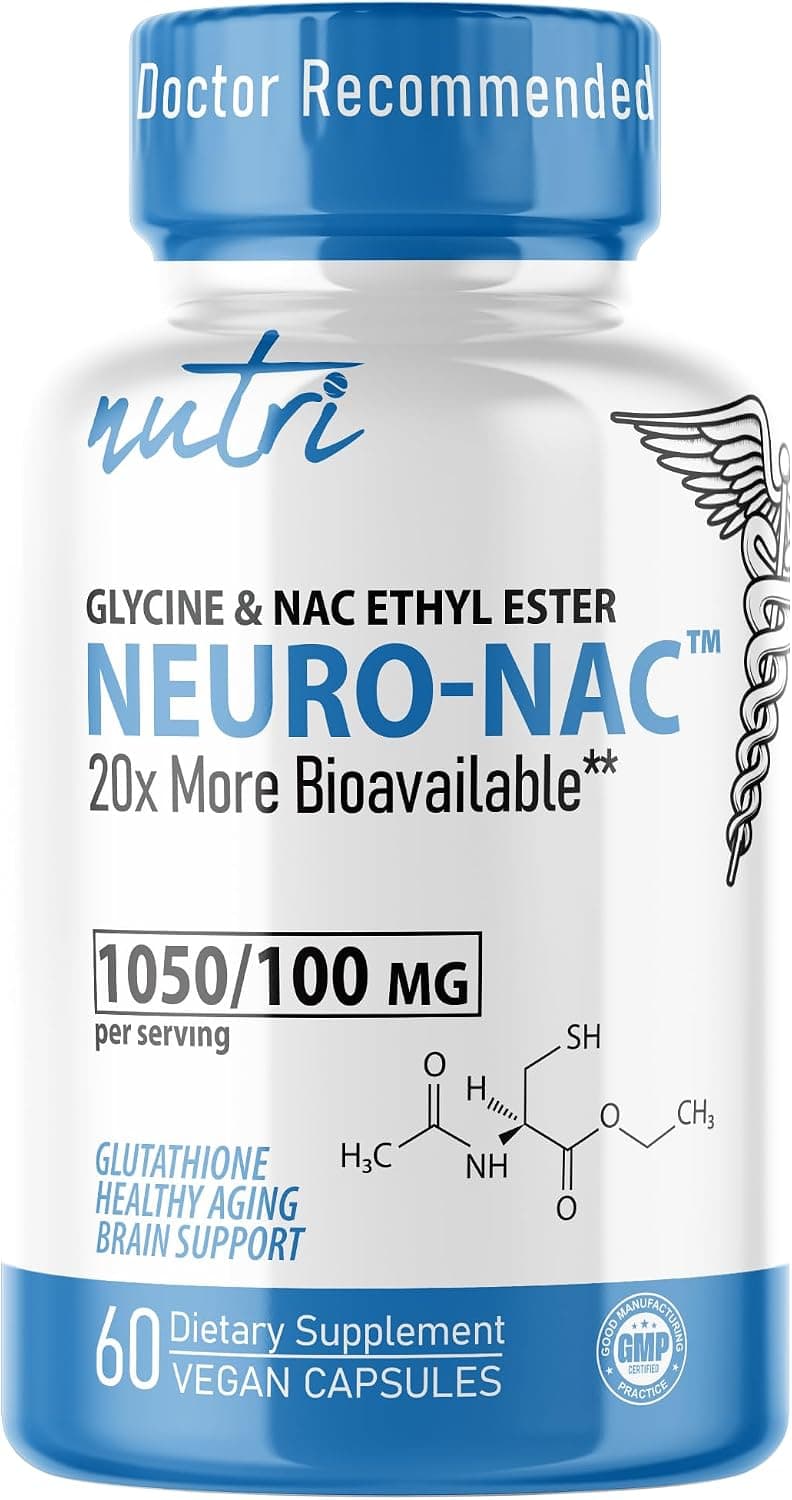
Vendors carrying NACET, with live product details and codes. Links are affiliate links that support the wiki at no cost to you.
Amazon
NACET

iHerb
NACET
iHerb
NACET
Research
- 2012first citedN-Acetylcysteine ethyl ester (NACET): a novel lipophilic cell-permeable cysteine derivative wit…
- 2023most recentHow to Increase Cellular Glutathione
- 1.N-Acetylcysteine ethyl ester (NACET): a novel lipophilic cell-permeable cysteine derivative with an unusual pharmacokinetic feature and remarkable antioxidant potential
- 2.Superior Properties of N-Acetylcysteine Ethyl Ester over N-Acetyl Cysteine to Prevent Retinal Pigment Epithelial Cells Oxidative Damage
- 3.How to Increase Cellular Glutathione
3 listed here; entry last updated August 2026
Reviews
- good
i like it better than NAC. seems to curb my food cravings and overall za cravings as well, way more strongly than NAC alone, which I heavily enjoy
0
My notesprivate to this device
FAQ
How is NACET different from NAC?
It is the ethyl ester of NAC; that makes it far more absorbable and cell-permeable, so more reaches tissues before it converts back to NAC.
What does it do?
It supplies cysteine to build glutathione and acts as a direct thiol antioxidant, supporting the body's antioxidant defenses.
Is it well studied in people?
Not yet; most of the evidence is preclinical, though it is expected to share NAC's good tolerability.
Is NACET the same as the NAC I can buy in stores?
No; regular NAC is the plain molecule and is what you will find on most shelves, while NACET is its ethyl ester, a less common form made to slip across membranes more easily before it converts back to NAC inside cells.
Limitations of the evidence
- Human data specific to NACET are limited
Adverse effects
- Likely mild GI upset, like NAC
Notes and cautions
- Most evidence is preclinical