
spec sheet11 rows
Rosemary extract is a concentrated preparation of the culinary herb Rosmarinus officinalis (now often classed as Salvia rosmarinus). Its active fraction is dominated by two polyphenols; carnosic acid, a fat-soluble diterpene that activates the body's own antioxidant defenses, and rosmarinic acid, a water-soluble caffeic acid ester. The plant's volatile oil also carries 1,8-cineole, the aromatic component tied to rosemary's cognitive reputation. It's studied mostly for memory support, antioxidant activity, and mild mood effects.
- students scored better on memory at 500 mg twice daily
- carnosic acid switches on the body's own Nrf2 defences
- calmer mood and better sleep alongside the memory gains
- just the aroma sharpened attention and reaction speed
- a culinary herb with a genuinely low risk profile
- broad polyphenol free radical scavenging in every dose
- undiluted essential oil can irritate skin
- GI upset with large oral doses of concentrated extract or oil
- possible theoretical interaction with anticoagulants at high doses
Overview
Rosemary extract is a concentrated preparation of the culinary herb Rosmarinus officinalis, a Mediterranean evergreen shrub in the mint family now often reclassified as Salvia rosmarinus. Its bioactivity is dominated by two polyphenols; carnosic acid, a fat-soluble diterpene, and rosmarinic acid, a water-soluble caffeic acid ester. The plant's volatile oil also carries 1,8-cineole, the aromatic component most directly tied to rosemary's long-standing reputation as a "memory herb." That reputation is old; rosemary threaded through Greek and Roman ritual and earned Shakespeare's line "rosemary, that's for remembrance" centuries before anyone isolated the underlying chemistry. Modern interest is split between the swallowed polyphenols, studied for antioxidant and neuroprotective activity, and the inhaled aroma, studied for on-the-spot cognitive effects.
The two routes work through different mechanisms. Carnosic acid is a pro-electrophilic compound; once oxidized it S-alkylates cysteine residues on Keap1, releasing the transcription factor Nrf2 to switch on the antioxidant response element gene battery and raise the body's own antioxidant enzymes [4]. It crosses the blood-brain barrier and accumulates in the brain in animal models, and knocking down Nrf2 abolishes its neuroprotection [4]. Rosmarinic acid adds direct free-radical scavenging and anti-inflammatory activity, though its oral bioavailability is very low, roughly one to two percent in rats and single digits in humans, and it is rapidly conjugated or degraded by gut flora. The aroma component 1,8-cineole works separately, inhibiting acetylcholinesterase and butyrylcholinesterase so that more acetylcholine remains available for memory and attention.
Human evidence is thin but points in one direction. A double-blind randomized trial in 68 university students found that 500 mg of dried rosemary leaf twice daily for one month improved both prospective and retrospective memory scores and also eased anxiety, depression, and sleep quality relative to placebo [1]. On the aroma side, a study measuring plasma 1,8-cineole after exposure to rosemary essential oil found that the more of the compound showed up in a person's blood, the better they performed on speed and accuracy tasks, tying the volatile chemistry directly to cognition [2]. Much of the remaining support comes from animal work; carnosic-acid and rosmarinic-acid-containing extracts improved learning and memory in SAMP8 mice, a model of accelerated aging [3]. Taken together the picture is consistent but modest; a single small human trial plus aroma studies and preclinical data, not a deep clinical base, and the poor absorption of the swallowed actives keeps expectations low.
Rosemary is a common food and is generally recognized as safe at culinary amounts, and extract doses near one gram of dried leaf per day were well tolerated in the student trial [1]. Concentrated extracts and the essential oil warrant more care; the undiluted oil can irritate skin and, taken orally in large amounts, has been linked to GI upset and historically to uterine stimulation, so large medicinal doses are traditionally avoided in pregnancy. High doses may theoretically interact with anticoagulants and with drugs handled by organic anion transporters. In supplement form rosemary is sold as capsules, standardized carnosic-acid extracts, whole dried leaf, and essential oil for aromatic use, and it is regulated as a food-grade botanical rather than an approved drug; in nootropic circles it is regarded as a gentle, low-risk supporting polyphenol rather than a potent standalone cognitive enhancer.
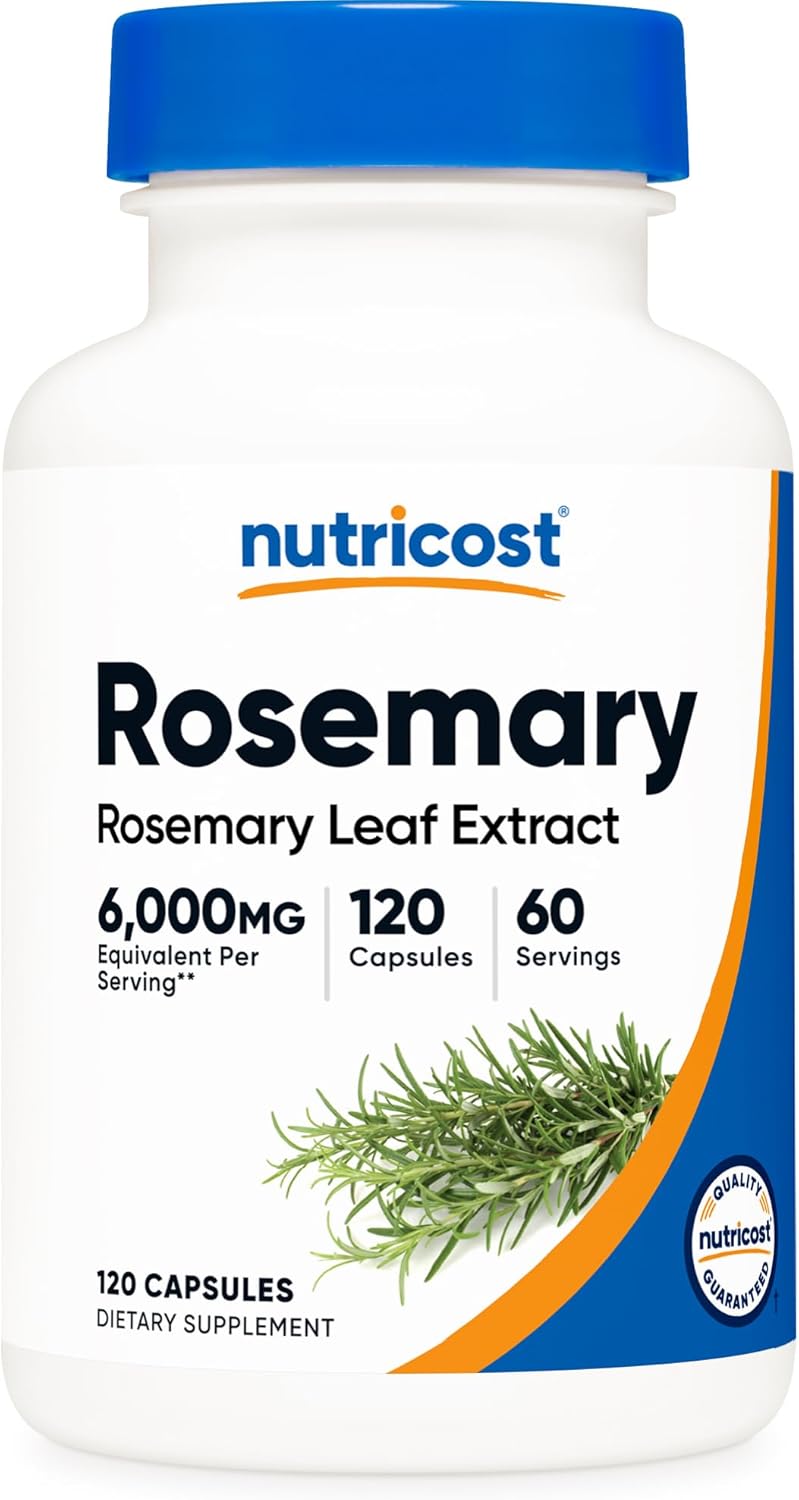
- The rosemary aroma effect is real enough to measure in blood; the more 1,8-cineole showed up in people's plasma after sitting in a rosemary-scented room, the better they did on math and attention tasks.
- Carnosic acid doesn't neutralize free radicals by being eaten as an antioxidant; it works backwards, mildly stressing cells so they turn on their own, longer-lasting antioxidant genes via Nrf2.
- Rosemary and sage are close cousins in the mint family, and both owe part of their memory folklore to the same cholinesterase-inhibiting aroma chemistry; Ophelia's 'rosemary, that's for remembrance' predates the biochemistry by 400 years.
Mechanism
Carnosic acid is a pro-electrophilic compound; once oxidized it S-alkylates cysteine residues on Keap1, releasing Nrf2 to switch on the ARE gene battery, which raises endogenous antioxidant enzymes. It crosses the and accumulates in the brain in animal models, and knocking down Nrf2 abolishes its neuroprotection. Rosmarinic acid contributes direct free-radical scavenging and anti-inflammatory activity, though its oral is very low (roughly 1-2% in rats, single-digit in humans) and it's rapidly conjugated or broken down by gut flora into caffeic acid. Separately, the aroma component 1,8-cineole inhibits and butyrylcholinesterase, and its plasma levels track cognitive test performance after rosemary aroma exposure.
receptor fingerprint
/ free radicalsRosmarinic and carnosic acid scavenge reactive species
Keap1/Nrf2/ARE pathwayCarnosic acid activates Nrf2, inducing antioxidant genes
/ butyrylcholinesterase1,8-cineole inhibits the enzymes that break down acetylcholine
Microglial (NF-kB)Carnosic acid dampens LPS-induced microglial activation
Dosingtypical ranges, not medical advice
interested in protocols and clinical dosages? make an account to see them! ^_^
Safetyrisks and cautions, not medical advice
Rosemary is a common food and is generally recognized as safe at culinary amounts, and extract doses around 1 g/day of dried leaf were well tolerated in the student trial. Concentrated extracts and the essential oil are a different matter; the undiluted oil can irritate skin and, taken orally in large amounts, has been linked to GI upset and, historically, uterine stimulation, so large medicinal doses are traditionally avoided in pregnancy. High doses may theoretically interact with anticoagulants and with drugs handled by organic anion transporters. As a food-grade antioxidant it's low-risk; treat the concentrated oil with respect.
History
Rosemary has been tied to memory for centuries; it wove through Greek and Roman ritual, was carried by scholars and mourners, and earned Shakespeare's line "rosemary, that's for remembrance." Modern interest picked up when researchers isolated its polyphenols carnosic acid and rosmarinic acid and, separately, connected the aroma chemical 1,8-cineole to measurable cognitive effects.
Reputation
Widely known as the "memory herb" and a staple antioxidant in food and supplements. In nootropic circles it's regarded as gentle and low-risk rather than potent; often used as a supporting polyphenol or an aroma for focus rather than a standalone cognitive enhancer.
Subjective profileweighing the evidence above
rosemary is best treated as a gentle, well-tolerated brain-and-body antioxidant, not a hard-hitting nootropic. the human evidence is thin but consistent in one direction; a small student trial saw better memory scores, calmer mood, and better sleep on 500 mg twice a day, and the aroma work is genuinely interesting. it earns a place when you want a low-risk polyphenol in the rotation, or honestly just cook with it and diffuse the oil. don't expect a stimulant-like lift; the actives absorb poorly and the effect is quiet.
Where to buy
Suppliers
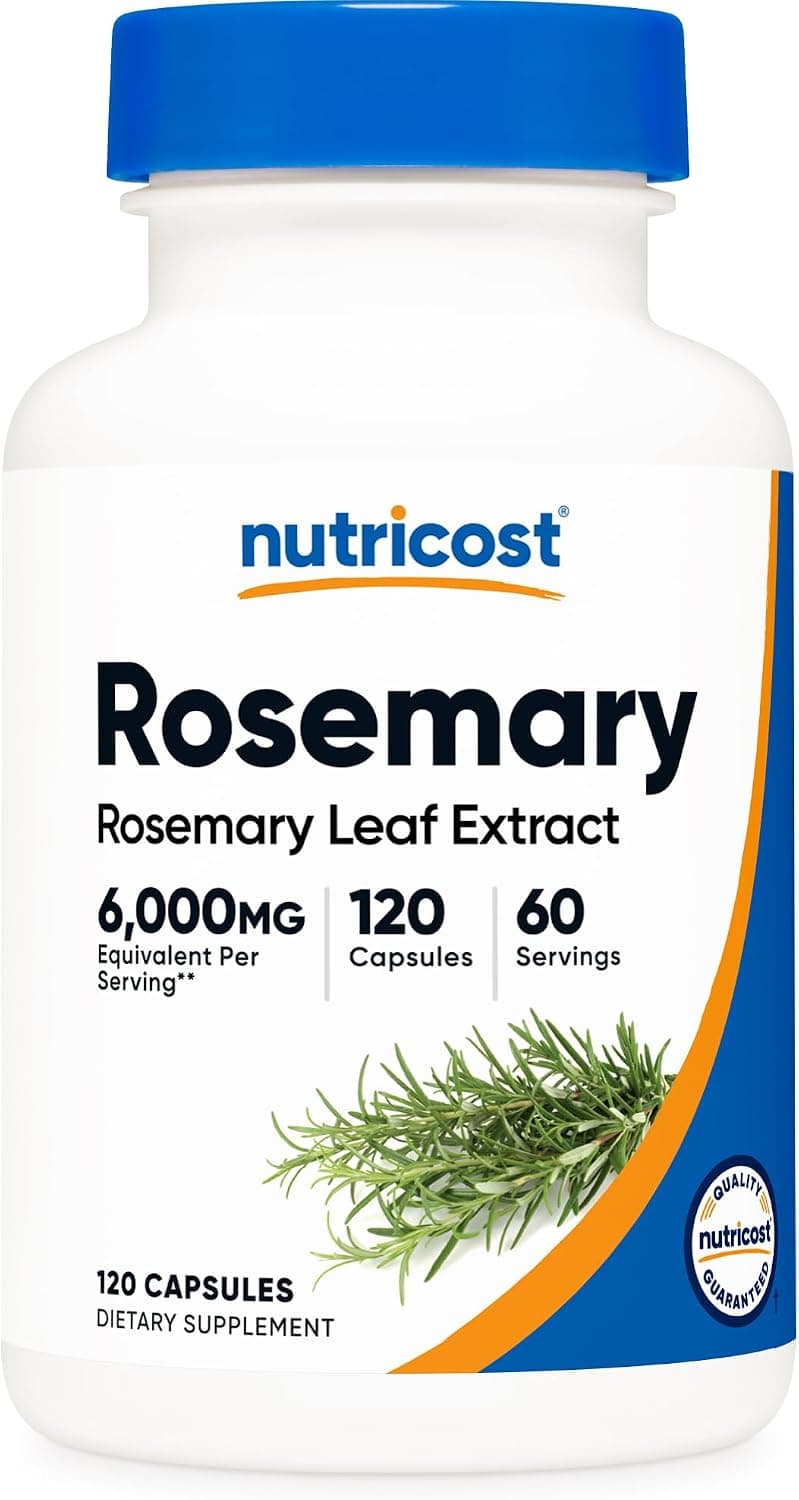
Vendors carrying Rosemary Extract, with live product details and codes. Links are affiliate links that support the wiki at no cost to you.
Amazon
Rosemary Extract
Research
- 2012first citedPlasma 1,8-cineole correlates with cognitive performance following exposure to rosemary essenti…
- 2018controlled trialEffects of Rosmarinus officinalis L. on memory performance, anxiety, depression, and sleep qual…
- 2023most recentNeuroprotective Effects of Carnosic Acid: Insight into Its Mechanisms of Action
- 1.Effects of Rosmarinus officinalis L. on memory performance, anxiety, depression, and sleep quality in university students: A randomized clinical trial
- 2.Plasma 1,8-cineole correlates with cognitive performance following exposure to rosemary essential oil aroma
- 3.Effect of botanical extracts containing carnosic acid or rosmarinic acid on learning and memory in SAMP8 mice
- 4.Neuroprotective Effects of Carnosic Acid: Insight into Its Mechanisms of Action
4 listed here; entry last updated August 2026
Reviews
My notesprivate to this device
FAQ
does cooking with rosemary do anything for my brain?
culinary amounts are mostly flavor and a little antioxidant. the memory trial used about a gram of dried leaf a day split into two doses, which is more than most meals; the aroma effect, though, you can get just by smelling it.
smelling it versus swallowing it; which matters?
they're two different routes. swallowed extract delivers carnosic and rosmarinic acid (poorly), while the aroma delivers 1,8-cineole through your lungs, and that's the route tied most directly to on-the-spot attention and speed in testing.
is it a real nootropic?
it's a gentle one at best. the human data is a single small trial plus aroma studies and a lot of animal work; expect a quiet antioxidant and mild mood-and-memory nudge, not a stimulant lift.
can i just use the essential oil?
for the aroma benefit, yes, diffuse it. don't drink it; the concentrated oil is irritating and can cause GI upset in more than trivial amounts.
Adverse effects
- undiluted essential oil can irritate skin
- GI upset with large oral doses of concentrated extract or oil
- possible theoretical interaction with anticoagulants at high doses
Notes and cautions
- traditionally avoided at medicinal doses in pregnancy