
spec sheet13 rows
Creatine is a nitrogen-containing organic acid that occurs naturally in vertebrates, where it helps recycle the cellular energy carrier adenosine triphosphate (ATP), chiefly in muscle and brain. The body makes it in the liver, kidneys, and pancreas from the amino acids arginine, glycine, and methionine, and it is also obtained from animal foods such as meat and fish. First isolated from meat by the French chemist Michel Eugene Chevreul in 1832, creatine is today one of the most widely studied and used dietary supplements, valued mainly for improving strength and high-intensity exercise performance.
- Raw strength and explosive power output
- Builds real muscle over time
- Recharges cellular energy in muscle and brain
- Backed for memory and mental energy
- Holds performance up under sleep deprivation
- Decades of research, spotless safety record
- Early weight gain from water drawn into muscle
- Occasional stomach upset, especially with large single intakes
- No evidence of kidney harm in healthy people at usual intakes
Overview
Creatine is an organic acid built from amino acids and found throughout the vertebrate body, with the large majority stored in skeletal muscle [1]. Most of it exists either as free creatine or as phosphocreatine, a phosphorylated form that serves as a rapidly available energy reserve [3]. The body synthesizes creatine in the liver, kidneys, and pancreas using arginine, glycine, and a methyl group supplied by methionine; a small fraction of the total store is broken down each day to creatinine and excreted, and this loss must be replaced through synthesis or diet [1].
Because creatine is concentrated in muscle tissue, dietary intake comes mainly from meat and fish, and people who eat little or no animal food tend to have lower baseline levels [1]. The compound was first isolated from skeletal muscle by Michel Eugene Chevreul in 1832 and named after the Greek word for flesh [1]. Early twentieth-century research showed that eating creatine could raise its concentration in muscle, and phosphocreatine was later identified as a key player in muscular energy metabolism [3].
Creatine is sold as a dietary supplement, most commonly in the well-studied form creatine monohydrate [2]. Supplementation reliably increases the creatine and phosphocreatine content of muscle, and when combined with resistance training it has been shown to enhance strength, power, and gains in lean mass beyond training alone [1][2]. Regimens often begin with a short loading period of higher daily intake to saturate muscle stores quickly, followed by a smaller ongoing maintenance intake, although a lower steady intake reaches the same stores more gradually [3]. Benefits are most pronounced in brief, high-intensity efforts and tend to fade as exercise duration lengthens [2].
Beyond sport, creatine has been investigated for a wide range of clinical and cognitive applications, including neurodegenerative and neuromuscular disorders, recovery, and brain energy metabolism [1]. Research on cognition has produced mixed results; a 2024 review by the European Food Safety Authority concluded that the current studies do not establish a cause-and-effect relationship between creatine supplementation and improved cognitive function [4].
Creatine is regarded as one of the most thoroughly studied sports supplements, and expert reviews describe both short-term and long-term use in healthy people as safe and well tolerated, with no evidence of kidney harm at customary intakes [1]. In most countries it is regulated as a dietary supplement or food rather than as a medicine, and it is widely available as a powder, in capsules, and in drink mixes [1][2].


- Creatine has been known to science since 1832, when Chevreul isolated it from meat and named it from the Greek word for flesh.
- About 95 percent of the body's creatine is stored in skeletal muscle, mostly as energy-rich phosphocreatine.
- Interest in creatine's brain effects is growing so quickly that it is now studied for cognition during sleep deprivation, concussion recovery, and mood, not just athletic performance.
Mechanism
Creatine's central role lies in the phosphocreatine energy system. The enzyme creatine kinase shuttles a phosphate group between creatine and ATP, storing energy as phosphocreatine when supply is plentiful and releasing it to regenerate ATP from ADP when demand spikes [1]. This buffer matters most in tissues with rapid, fluctuating energy needs, such as contracting skeletal muscle and the brain, where it helps sustain output during short bursts of intense activity [1][3].
By raising the muscle's phosphocreatine reserve, supplementation allows faster ATP resynthesis between efforts, which underlies the observed gains in strength and repeated high-intensity performance and may support greater training adaptations over time [2]. Creatine is also osmotically active, drawing water into muscle cells, an effect tied to early increases in body mass and possibly to signaling that favors muscle growth [1]. Proposed cognitive effects are attributed to creatine's contribution to brain energy metabolism, although this mechanism is considered weak and the functional benefit remains unproven [4].
receptor fingerprint
Phosphocreatine systemRegenerates ATP rapidly
Brain energy metabolismBuffers neural ATP demand
Muscle cellsDraws water into cells
Dosingtypical ranges, not medical advice
interested in protocols and clinical dosages? make an account to see them! ^_^
Safetyrisks and cautions, not medical advice
Creatine monohydrate is one of the most studied and safest supplements there is, with decades of data and no credible link to kidney or liver harm in healthy people. The common early effects are a few pounds of water weight and occasional bloating or GI upset, worse if you load or take it dry. People with existing kidney disease should clear it with a doctor first. Monohydrate is the gold-standard form; the fancier versions do not beat it and cost more.
Interactionsdocumented pairs only, not exhaustive
The best-characterized creatine interaction is with caffeine: a crossover study by Vandenberghe and colleagues found that caffeine co-ingestion blunted the ergogenic benefit of creatine loading on muscle performance, a pharmacodynamic antagonism at the level of muscle contractile function. Creatine raises serum creatinine as a benign analytical artifact, which can confound interpretation of renal function tests rather than reflect a true drug interaction. Caution combining creatine with nephrotoxic agents (for example NSAIDs or aminoglycosides) is often cited, but this rests on theoretical renal-load reasoning rather than well-documented interaction studies. This is research information, not medical advice.
Checking a whole stack? Run it through interactions + stacks.
History
Creatine was first isolated from skeletal muscle in 1832 by the French chemist Michel Eugene Chevreul, who named it after the Greek word kreas, meaning flesh. Nineteenth and early twentieth century physiologists gradually pieced together its role in energy metabolism, discovering phosphocreatine and the creatine kinase reaction that regenerates ATP during bursts of intense effort.
Creatine's leap into mainstream use came in the early 1990s, when researchers including Roger Harris and Paul Greenhaff published influential work showing that oral supplementation markedly raised muscle creatine stores and improved high-intensity performance. Public attention surged after the 1992 Barcelona Olympics, where several medal-winning athletes were reported to use it, sparking a commercial boom in creatine monohydrate powders. Today creatine is among the most extensively researched dietary supplements in the world, with a strong safety record and expanding investigation into brain and metabolic health.
Reputation
Creatine monohydrate enjoys an almost unique standing in sports nutrition: it is widely considered the most effective and best-evidenced legal supplement for increasing strength and repeated high-intensity performance. Its safety profile is reassuring, supported by decades of studies and long-term use in athletes, and the compound is inexpensive and simple to dose. Enthusiasm has broadened well beyond the gym, as researchers explore its potential to support brain energy metabolism, cognition under stress such as sleep deprivation, recovery from traumatic brain injury, and healthy aging. The honest boundary is that while its ergogenic benefits are firmly established, the cognitive and neuroprotective effects remain promising but not yet proven, and individual response to muscle loading varies. Even so, few supplements combine this much positive evidence with such a benign risk profile.
Subjective profileweighing the evidence above
Reach for it for what it reliably does: more strength, power, and a brain-energy buffer under stress or sleep loss, all with a great safety record. Just set expectations on size; much of the quick lean-mass jump is water, and a standard 5 g/day may not add real muscle beyond your training, so a higher maintenance dose could be needed if that is the goal.
Where to buy
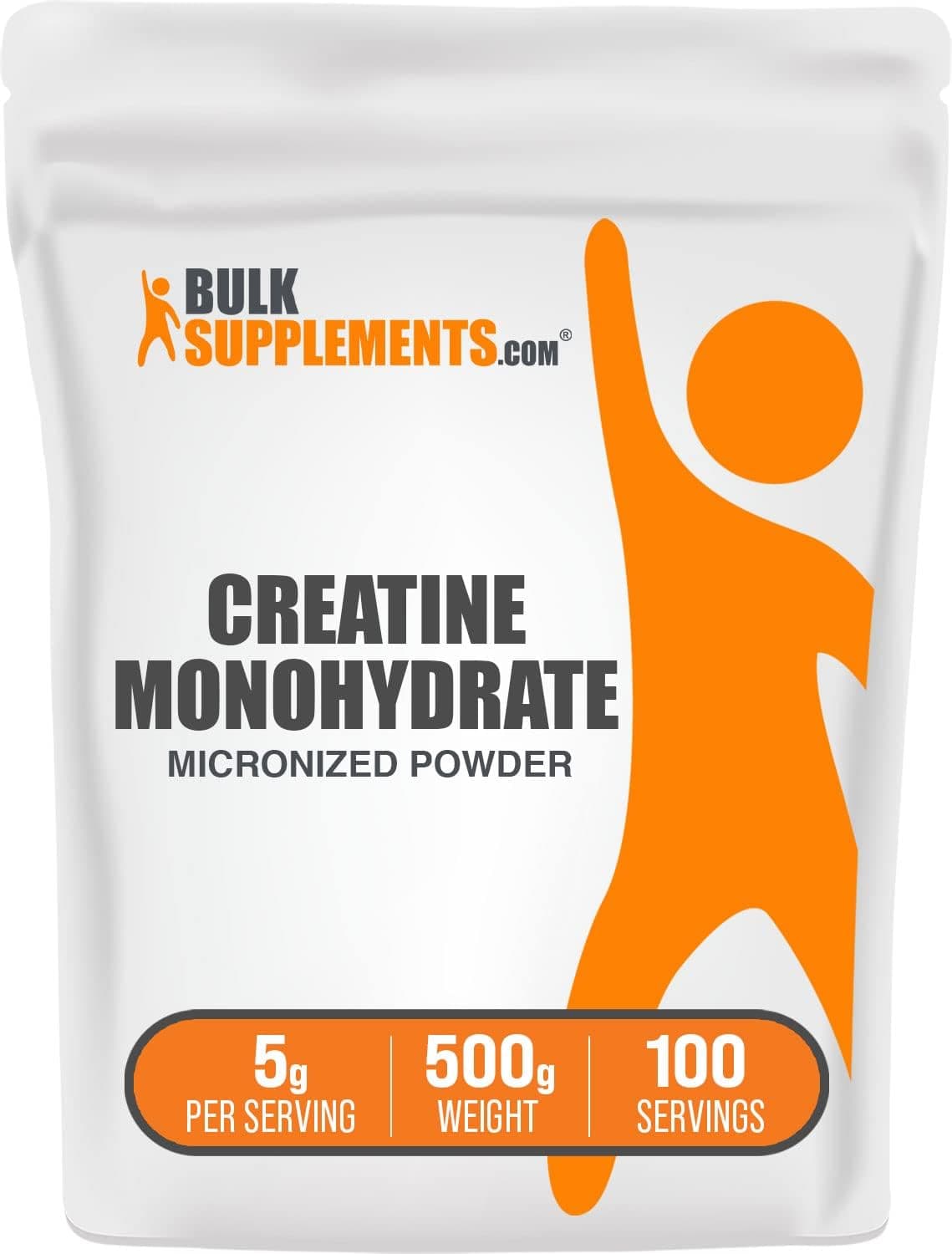
Suppliers
Vendors carrying Creatine, with live product details and codes. Links are affiliate links that support the wiki at no cost to you.
Amazon
Creatine
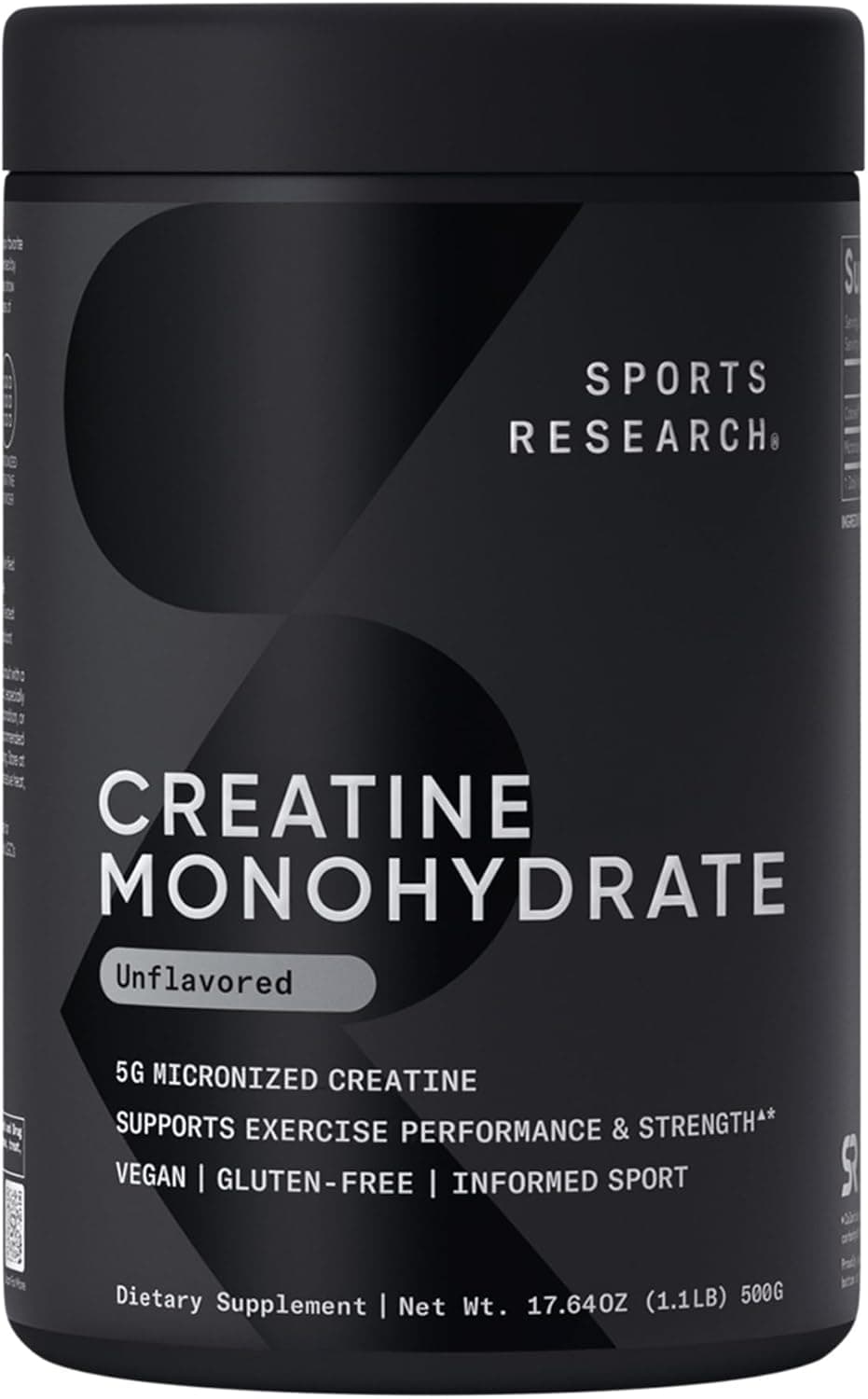
Amazon
Creatine
Limitless Biochem🌐
Creatine
Research
- 1996first citedMuscle creatine loading in men
- 2023most active year6 papers
- 2026most recentThe Effects of 8-Week Creatine Hydrochloride and Creatine Ethyl Ester Supplementation on Cognit…
- 1.International Society of Sports Nutrition position stand: safety and efficacy of creatine supplementation in exercise, sport, and medicine
- 2.Creatine supplementation with specific view to exercise/sports performance: an update
- 3.Muscle creatine loading in men
- 4.Creatine and improvement in cognitive function: Evaluation of a health claim pursuant to article 13(5) of regulation (EC) No 1924/2006.
- 5.Effects of Creatine Supplementation on Brain Function and Health.
- 6.Creatine Supplementation and Brain Health.
- 7.Effects of creatine supplementation on memory in healthy individuals: a systematic review and meta-analysis of randomized controlled trials.
- 8.The effects of creatine supplementation on cognitive performance-a randomised controlled study.
- 9.Beyond muscle: the effects of creatine supplementation on brain creatine, cognitive processing, and traumatic brain injury.
- 10."Heads Up" for Creatine Supplementation and its Potential Applications for Brain Health and Function.
- 11.Creatine supplementation and cognitive performance in elderly individuals.
- 12.The Effects of 8-Week Creatine Hydrochloride and Creatine Ethyl Ester Supplementation on Cognition, Clinical Outcomes, and Brain Creatine Levels in Perimenopausal and Menopausal Women (CONCRET-MENOPA): A Randomized Controlled Trial.
23 listed here; entry last updated August 2026
Reviews
I was taking a regular dose every day during my swim season and during a rigorous course load in college, and the effects were apparent. I felt stronger in the water and in the classroom, if that makes sense. Consistency is definitely what makes this supplement shine.
0
My notesprivate to this device
FAQ
Do I need to load?
Loading fills stores faster, but taking a steady daily amount reaches the same place in a few weeks without the bloat.
Is it bad for the kidneys?
In healthy people, long term studies show no kidney harm; those with existing kidney disease should check with a doctor.
Does it help the brain?
Evidence is strongest when the brain is stressed, like sleep loss or aging; benefits in rested young adults are smaller.
Which form is best?
Plain monohydrate has the most research and is the most cost effective; fancier forms rarely beat it.
Does creatine actually build muscle or just add water weight?
Both, but be realistic. The fast early gain in lean body mass is largely water. In one trial, past a 7-day wash-in, 5 g/day did not add lean mass beyond resistance training alone, and more than 5 g/day may be needed to help there. Its strength, power, and brain-energy benefits are the solid part.
Adverse effects
- Early weight gain from water drawn into muscle
- Occasional stomach upset, especially with large single intakes
- No evidence of kidney harm in healthy people at usual intakes
- Muscle cramping sometimes reported but not consistently shown
Notes and cautions
- Generally safe and well tolerated in studies