
spec sheet11 rows
Nattokinase is a protein-digesting enzyme extracted from natto, a traditional Japanese food made by fermenting soybeans with the bacterium Bacillus subtilis. It is a serine protease of the subtilisin family and is notable for its fibrinolytic, or clot-dissolving, activity in the laboratory. It is sold as a dietary supplement marketed for cardiovascular and circulatory support, although rigorous clinical evidence is mixed.
- Fibrinolytic enzyme that breaks down clot forming fibrin
- One of the more credible cardiovascular supplements out there
- Modest but measurable blood pressure reduction in human trials
- May improve circulation and lower clotting markers
- Comes from natto, a food eaten in Japan for centuries
- Increased bleeding risk
- Interactions with blood thinners
Overview
Despite its name, nattokinase is not a kinase but an extracellular serine protease closely related to subtilisin, produced by Bacillus subtilis during the fermentation that turns boiled soybeans into natto [1]. The purified enzyme is a single chain of roughly 275 amino acids and digests fibrin, the protein meshwork that gives blood clots their structure [1]. It was originally isolated directly from natto but can now be manufactured by fermentation and recombinant methods, and many other Bacillus-fermented legume foods contain nearly identical proteases [1].
Interest in nattokinase centers on the cardiovascular system. In the test tube and in animals it shows strong fibrinolytic activity, both cutting fibrin directly and inactivating plasminogen activator inhibitor-1 (PAI-1), a molecule that normally restrains clot breakdown [1][2]. Human trials are fewer and less consistent. A randomized, controlled trial in adults with elevated blood pressure reported modest reductions in systolic and diastolic pressure after eight weeks of supplementation [3]. By contrast, a larger multi-year randomized trial in people at low cardiovascular risk found no effect of nattokinase on the progression of subclinical atherosclerosis or on blood pressure [4]. Reviews describe it as a promising but not yet proven cardiovascular agent [5].
Nattokinase is sold over the counter as an oral capsule, often standardized in fibrinolytic units (FU). A recurring scientific question is whether the intact enzyme survives digestion and reaches the bloodstream in an active form; evidence on oral bioavailability remains limited and debated [5]. Because of its effect on clotting, it is generally cautioned against in people taking blood thinners or approaching surgery. It is regulated as a food supplement rather than an approved medicine.

Mechanism
Nattokinase promotes the breakdown of blood clots through several complementary actions. It directly cleaves fibrin, the structural protein of clots, acting much like the body's own clot-dissolving enzyme plasmin [1]. It also inactivates plasminogen activator inhibitor-1, thereby removing a brake on the natural fibrinolytic system and indirectly increasing the generation of plasmin [2]. In laboratory and animal studies these effects translate into enhanced clot dissolution, and proposed cardiovascular benefits such as lower blood pressure have been linked in part to reduced renin activity [3][5]. Whether enough active enzyme reaches the circulation after oral dosing to reproduce these effects in humans is still uncertain [4][5].
receptor fingerprint
Fibrindegrades
Plasmin/plasminogen activationenhances
Blood pressurelowers
Blood viscosityreduces
Dosingtypical ranges, not medical advice
interested in protocols and clinical dosages? make an account to see them! ^_^
Safetyrisks and cautions, not medical advice
The main concern is increased bleeding risk, especially when combined with anticoagulants, antiplatelet drugs, or before surgery. It is generally well tolerated otherwise, with occasional GI upset. People with bleeding disorders or on blood thinners should avoid it or use only under medical supervision.
Subjective profileweighing the evidence above
One of the more credible cardiovascular supplements with fibrinolytic activity and decent human data; just respect the bleeding risk and drug interactions.
Where to buy
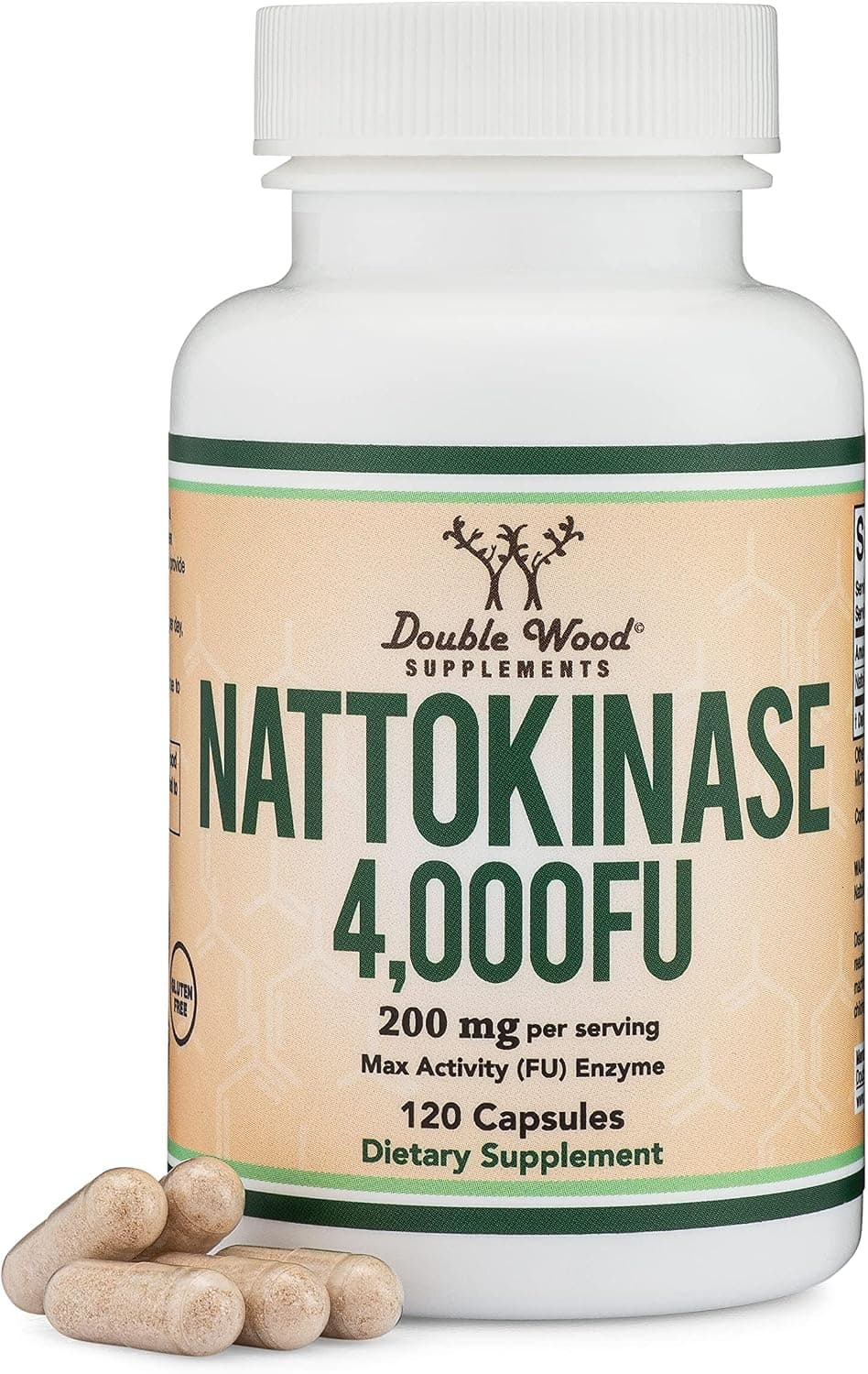
Suppliers
Vendors carrying Nattokinase, with live product details and codes. Links are affiliate links that support the wiki at no cost to you.
Amazon
Nattokinase
Research
- 1993first citedPurification and characterization of a strong fibrinolytic enzyme (nattokinase) in the vegetabl…
- 2008controlled trialEffects of nattokinase on blood pressure: a randomized, controlled trial
- 2021most recentNattokinase atherothrombotic prevention study: a randomized controlled trial
- 1.Purification and characterization of a strong fibrinolytic enzyme (nattokinase) in the vegetable cheese natto, a popular soybean fermented food in Japan
- 2.The profibrinolytic enzyme subtilisin NAT purified from Bacillus subtilis cleaves and inactivates plasminogen activator inhibitor type 1
- 3.Effects of nattokinase on blood pressure: a randomized, controlled trial
- 4.Nattokinase atherothrombotic prevention study: a randomized controlled trial
- 5.Nattokinase: a promising alternative in prevention and treatment of cardiovascular diseases
5 listed here; entry last updated August 2026
Reviews
My notesprivate to this device
FAQ
Can I take it with blood thinners?
Not without medical supervision; combining them can meaningfully raise bleeding risk.
Does an oral enzyme really work?
Some fibrinolytic activity appears to survive digestion, and human trials show effects on blood pressure and clot markers, though absorption is still debated.
Should I stop it before surgery?
Yes, discontinue well before any surgery or dental procedure due to bleeding risk.
Is it the same as eating natto?
Supplements concentrate the enzyme; natto also contains vitamin K2 and other components not in isolated nattokinase.
How is it dosed?
By fibrinolytic units (FU), commonly around 2000 FU per serving.
Adverse effects
- Increased bleeding risk
- Interactions with blood thinners
Notes and cautions
- Gastrointestinal upset
- Stop before surgery