
spec sheet12 rows
Bromelain is a mixture of sulfhydryl (cysteine) proteases and associated non-proteolytic components extracted mainly from the stem and fruit of the pineapple, Ananas comosus. Its anti-inflammatory activity is linked both to its proteolytic action and to downregulation of the NF-kB and mitogen-activated protein kinase signaling pathways, reducing pro-inflammatory cytokines and mediators such as interleukin-1beta, interleukin-6, tumor necrosis factor alpha and prostaglandins. Beyond its long-standing use as an oral supplement for inflammation, digestion and rheumatic complaints, a concentrated bromelain-based preparation (NexoBrid) is an approved agent for rapid, selective enzymatic debridement of deep burn eschar, reducing the need for surgical excision and skin grafting. Additional research has explored anti-thrombotic, fibrinolytic, immunomodulatory and anti-cancer properties, although clinical evidence for many of these uses remains preliminary.
- pineapple enzymes that take down swelling and bruising
- clears sinus congestion and pressure
- speeds soft tissue recovery from strains and knocks
- quiets NF-kB signalling and inflammatory cytokines
- helps break protein down when taken with food
- a concentrated form is approved to debride deep burns
- Mild digestive upset such as nausea or diarrhea
- Allergic reactions, especially in people allergic to pineapple
- May increase bleeding risk, particularly alongside blood thinners
Overview
Bromelain is the collective name for a group of proteolytic, protein-digesting enzymes found in the pineapple plant (Ananas comosus), a member of the family Bromeliaceae. Chemically, its main components are cysteine proteases, sometimes called sulfhydryl proteases because they depend on a free thiol group to function [1][4]. The enzyme was first isolated from pineapple in the late nineteenth century, and today two principal forms are recognized, stem bromelain and fruit bromelain, which differ in their enzyme makeup and are produced by different methods [4].
Bromelain has a long record of culinary use as a meat tenderizer and industrial use in baking and other processes, but it is best known to consumers as a dietary supplement. Reviews of the scientific literature describe a range of studied effects, including anti-inflammatory, anti-edema (swelling-reducing), fibrinolytic, and antithrombotic actions, along with exploratory work in cardiovascular disease, sinusitis, osteoarthritis, and cancer [1][3][4]. A systematic review of laboratory studies reported that bromelain lowered the secretion of pro-inflammatory signaling molecules such as IL-1beta, IL-6, and TNF-alpha in stimulated immune cells [2].
Despite this broad interest, rigorous clinical proof remains limited for most proposed uses. The one clearly established medical application is as a debriding agent; a bromelain-based preparation is approved in Europe and elsewhere for removing dead tissue from deep or partial-thickness burns. For other indications, bromelain is generally sold as an over-the-counter dietary supplement rather than an approved drug, and standardization can vary between products [1][3].
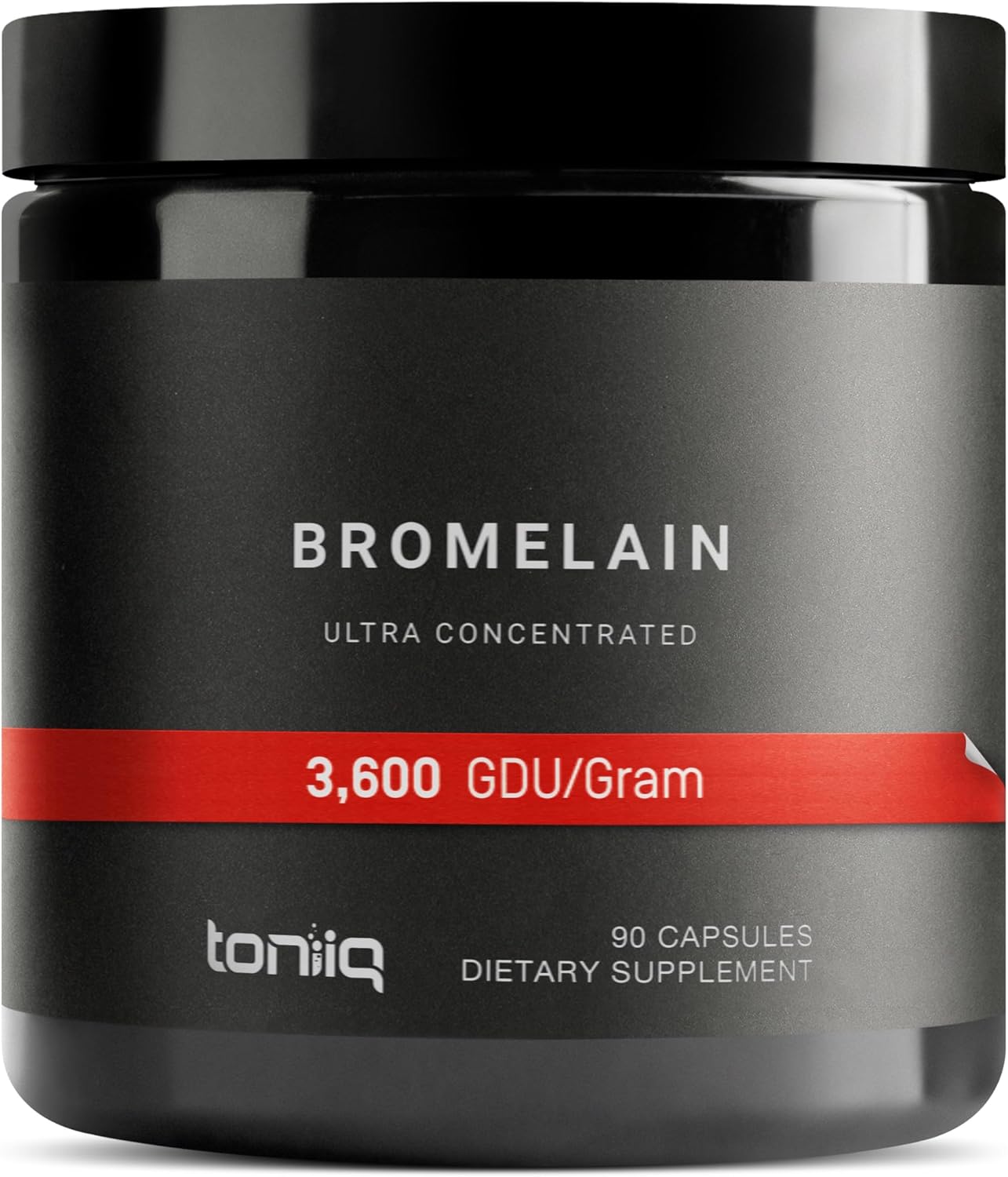
Bromelain is commonly available as capsules, tablets, and powders, and it is sometimes combined with other enzymes or with anti-inflammatory nutrients. Enzyme activity is often expressed in specialized activity units rather than by weight, and the enzyme keeps much of its activity across a range of temperatures, though high heat gradually reduces it [4].
Mechanism
Bromelain is a blend of cysteine proteases, enzymes that cleave the bonds in proteins using a reactive thiol (sulfhydryl) group at their active site [1][4]. Its studied biological effects are attributed to this proteolytic activity together with actions on inflammatory and clotting pathways; bromelain has been reported to lower levels of pro-inflammatory mediators such as prostaglandins and cytokines including IL-1beta, IL-6, and TNF-alpha, and to influence fibrinolysis and platelet aggregation [2][3]. In damaged or burned tissue, its ability to break down proteins underlies its approved use for enzymatic debridement, in which it helps digest and lift away dead tissue [4]. A notable feature is that a meaningful fraction of orally taken bromelain appears to be absorbed while retaining proteolytic activity [1].
receptor fingerprint
Dietary proteinsdigests
Bradykininreduces
Fibrindegrades
Pro-inflammatory cytokinesmodulates
Mucus secretionsthins
Dosingtypical ranges, not medical advice
interested in protocols and clinical dosages? make an account to see them! ^_^
Safetyrisks and cautions, not medical advice
Generally well tolerated. Common side effects are mild GI upset, nausea, and diarrhea. Because it has fibrinolytic activity, it can increase bleeding risk, so caution with anticoagulants and before surgery. People allergic to pineapple, latex, or certain pollens may react to it.
Interactionsdocumented pairs only, not exhaustive
Bromelain may increase bleeding risk when taken with warfarin and other anticoagulants [15]. The exact mechanism and degree of clinical significance remain unclear, and most supporting evidence comes from in vitro studies and case reports rather than controlled trials [15]. Antiplatelet drugs like aspirin and NSAIDs have not been formally studied with bromelain; these combinations remain understudied.
Checking a whole stack? Run it through interactions + stacks.
Subjective profileweighing the evidence above
A genuinely useful anti-inflammatory enzyme for swelling, bruising, and sinus issues; take it away from food for systemic effects.
Where to buy
1 other outlet

Suppliers
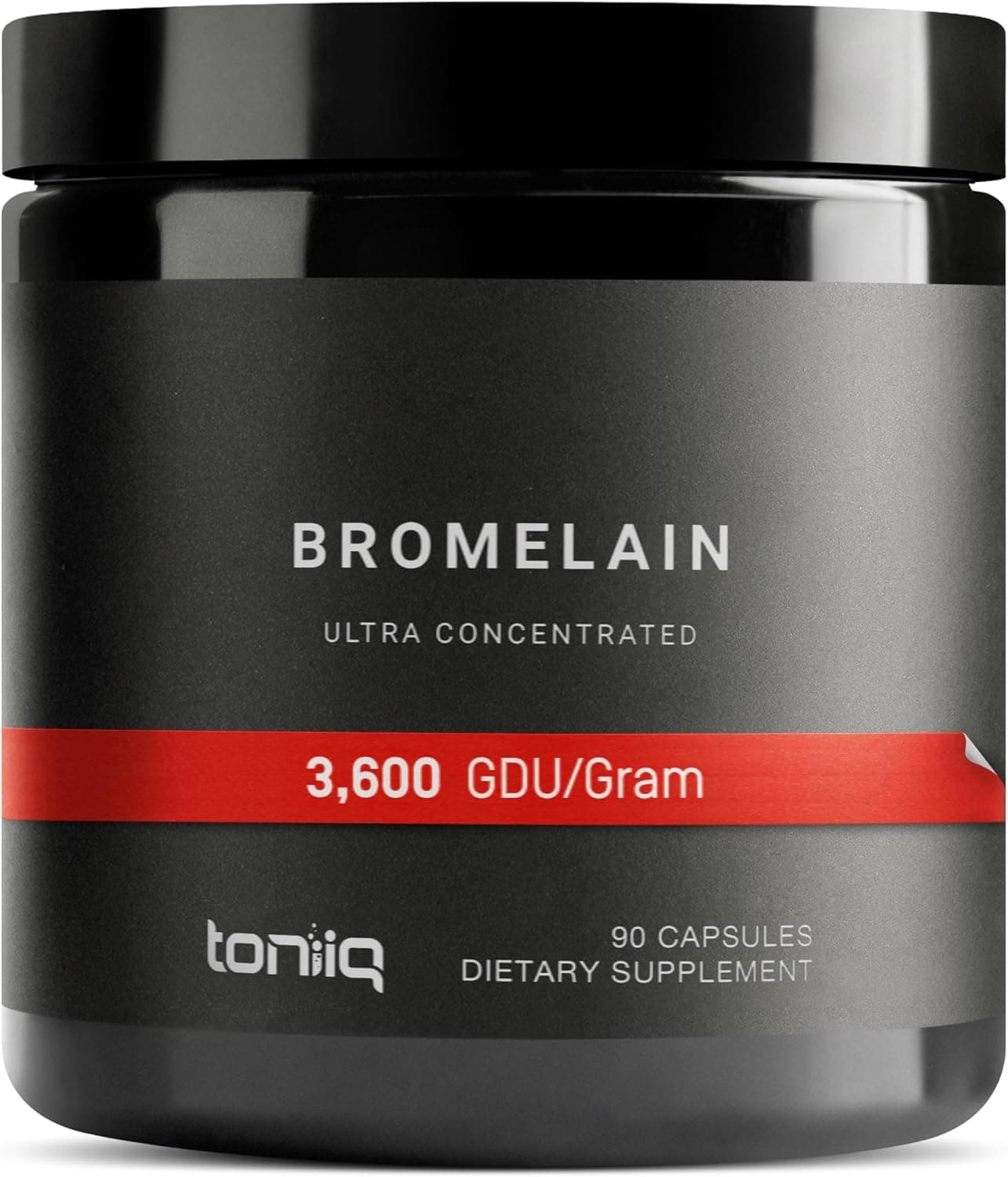
Vendors carrying Bromelain, with live product details and codes. Links are affiliate links that support the wiki at no cost to you.
Amazon
Bromelain
iHerb
Bromelain
Research
- 2000first citedPotential interactions between alternative therapies and warfarin.
- 2021most active year4 papers
- 2025most recentBromelain as a natural anti-inflammatory drug: a systematic review
- 1.Beneficial Properties of Bromelain
- 2.Bromelain as a natural anti-inflammatory drug: a systematic review
- 3.Bromelain: a review of its mechanisms, pharmacological effects and potential applications
- 4.Bromelain: A Potent Phytomedicine
- 5.Anti-Inflammatory Effect of Pineapple Rhizome Bromelain through Downregulation of the NF-κB- and MAPKs-Signaling Pathways in Lipopolysaccharide (LPS)-Stimulated RAW264.7 Cells.
- 6.Anti-Inflammatory and Mineralization Effects of Bromelain on Lipopolysaccharide-Induced Inflammation of Human Dental Pulp Cells.
- 7.Anti-inflammatory properties of a proprietary bromelain extract (Bromeyal™) after in vitro simulated gastrointestinal digestion.
- 8.Bromelain's activity and potential as an anti-cancer agent: Current evidence and perspectives.
- 9.Bromelain exerts anti-inflammatory effects in an ovalbumin-induced murine model of allergic airway disease.
- 10.Therapy with proteolytic enzymes in rheumatic disorders.
- 11.Anti-inflammatory activity of Bromelia hieronymi: comparison with bromelain.
- 12.Eschar removal by bromelain based enzymatic debridement (Nexobrid) in burns: European consensus guidelines update.
15 listed here; entry last updated August 2026
Reviews
My notesprivate to this device
FAQ
Should I take bromelain with or without food?
Without food for anti-inflammatory and systemic effects; with food if you want digestive help.
Does it really help with bruising?
Yes, it has reasonable evidence for reducing post-injury and post-surgical swelling and bruising.
Is it safe before surgery?
Stop it beforehand since its fibrinolytic activity can increase bleeding.
What are GDU and MCU?
They're activity units measuring the enzyme's potency; higher numbers mean more active enzyme per gram.
Adverse effects
- Mild digestive upset such as nausea or diarrhea
- Allergic reactions, especially in people allergic to pineapple
- May increase bleeding risk, particularly alongside blood thinners
- Skin or gum irritation with topical or dental use
Notes and cautions
- Generally well tolerated