
spec sheet12 rows
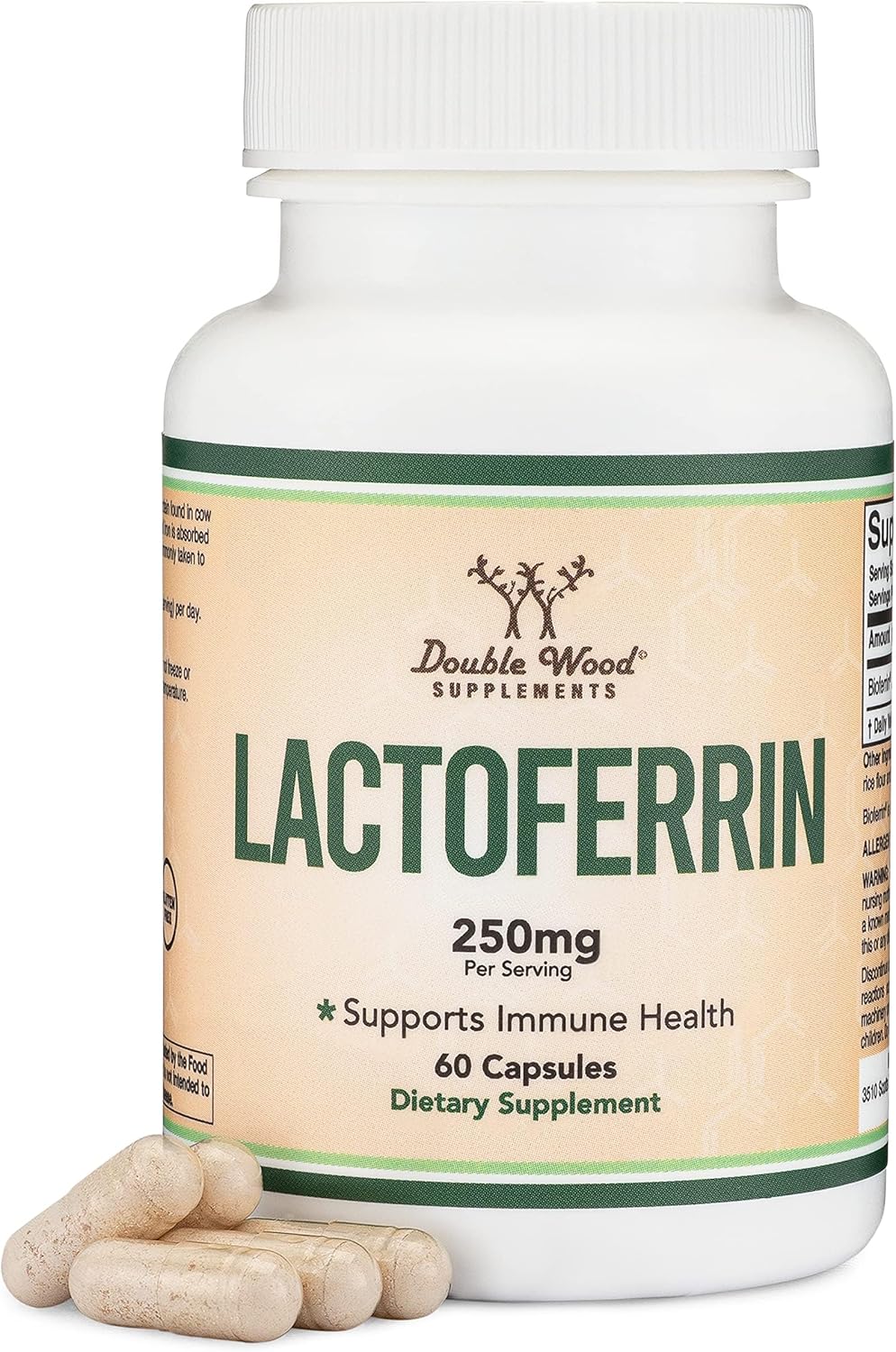
Lactoferrin is a multifunctional iron-binding glycoprotein belonging to the transferrin family, found most abundantly in milk and especially in colostrum. It also occurs in tears, saliva, and other secretions and is stored in the white blood cells called neutrophils, forming part of the body's first-line defenses. Best known for its ability to bind iron and for a broad range of antimicrobial and immune-regulating actions, it is added to some infant formulas and sold as a supplement studied mainly for infection and immune support.
- an iron binding protein from colostrum and first line defense
- real antimicrobial activity, not a vague immune claim
- one of the more legitimate immune support proteins going
- supports gut health alongside immunity
- helps the body regulate iron
- evidence is moderate and improving year on year
- Mild digestive upset in some people
- Constipation or diarrhea occasionally
- Rare allergic reactions
Overview
Lactoferrin is a globular glycoprotein of roughly 80 kilodaltons that belongs to the transferrin family of iron-binding proteins [1]. Its single chain folds into two lobes, each able to hold an iron ion very tightly, and this structure gives the protein an unusually high affinity for iron along with the ability to bind and release it in response to conditions in the body [1]. It is present in many secretions, reaching its highest concentrations in colostrum and milk and appearing also in tears, saliva, and nasal fluid, and it is stored in the granules of neutrophils, where it takes part in the innate immune response [1][3].
The protein was first noted in milk in the late 1930s and characterized in detail around 1960, when its antibacterial action was linked to its capacity to bind iron [1][2]. Two broad kinds of activity have made it a focus of research. First, by sequestering iron it deprives many bacteria of a nutrient they need to grow, and it can also disrupt microbial membranes directly; fragments released when it is digested, known as lactoferricins, are even more strongly antimicrobial, and activity has been described against bacteria, fungi, and viruses [2][3]. Second, lactoferrin modulates the immune system and inflammation, and it can bind to surfaces and receptors that some pathogens use to enter cells [3][5].
These properties underlie a wide range of investigation into lactoferrin as a supplement and functional-food ingredient. A meta-analysis of randomized trials reported that lactoferrin supplementation was associated with a reduced risk of respiratory tract infections, and the protein has been studied in newborn care, iron status, and, more recently, as a candidate adjunct in viral illness [4][5]. Commercially, bovine lactoferrin is added to some infant formulas, yogurts, and other products and sold as a dietary supplement; because supplements are not held to the same manufacturing standards as medicines, the purity and content of such products can vary [4].
Mechanism
Lactoferrin's actions flow largely from its structure as a two-lobed protein that binds iron with very high affinity [1]. By locking up free iron in secretions and at sites of infection, it withholds a nutrient that many bacteria depend on, slowing their growth in a strategy sometimes called nutritional immunity [2][3]. It does not rely on iron starvation alone; the positively charged regions of the molecule can bind to and destabilize the membranes of microbes, and partial digestion of lactoferrin releases peptides called lactoferricins that are more potent antimicrobial agents than the intact protein [2].
Against viruses, lactoferrin can attach to viral particles or to the cell-surface molecules that viruses use for entry, hindering infection of host cells [3][5]. Beyond these direct antimicrobial effects, the protein acts as an immune modulator, influencing inflammatory signaling and the activity of immune cells, which may explain benefits reported in studies of infection and mucosal protection [3][5]. Because it survives partly intact through the gut and can interact with intestinal cells, orally consumed lactoferrin is thought to exert some of these effects locally in the digestive tract [2].
receptor fingerprint
Free ironsequesters
Bacterial membranesdisrupts
Innate immune cellsmodulates
Inflammatory signalingmodulates
Iron absorptioninfluences
Dosingtypical ranges, not medical advice
interested in protocols and clinical dosages? make an account to see them! ^_^
Safetyrisks and cautions, not medical advice
Generally well tolerated, with occasional mild GI complaints. Most products are derived from cow's milk, so people with dairy protein allergy should be careful. Long-term high-dose safety data in humans is still limited.
Where to buy
1 other outlet
Suppliers
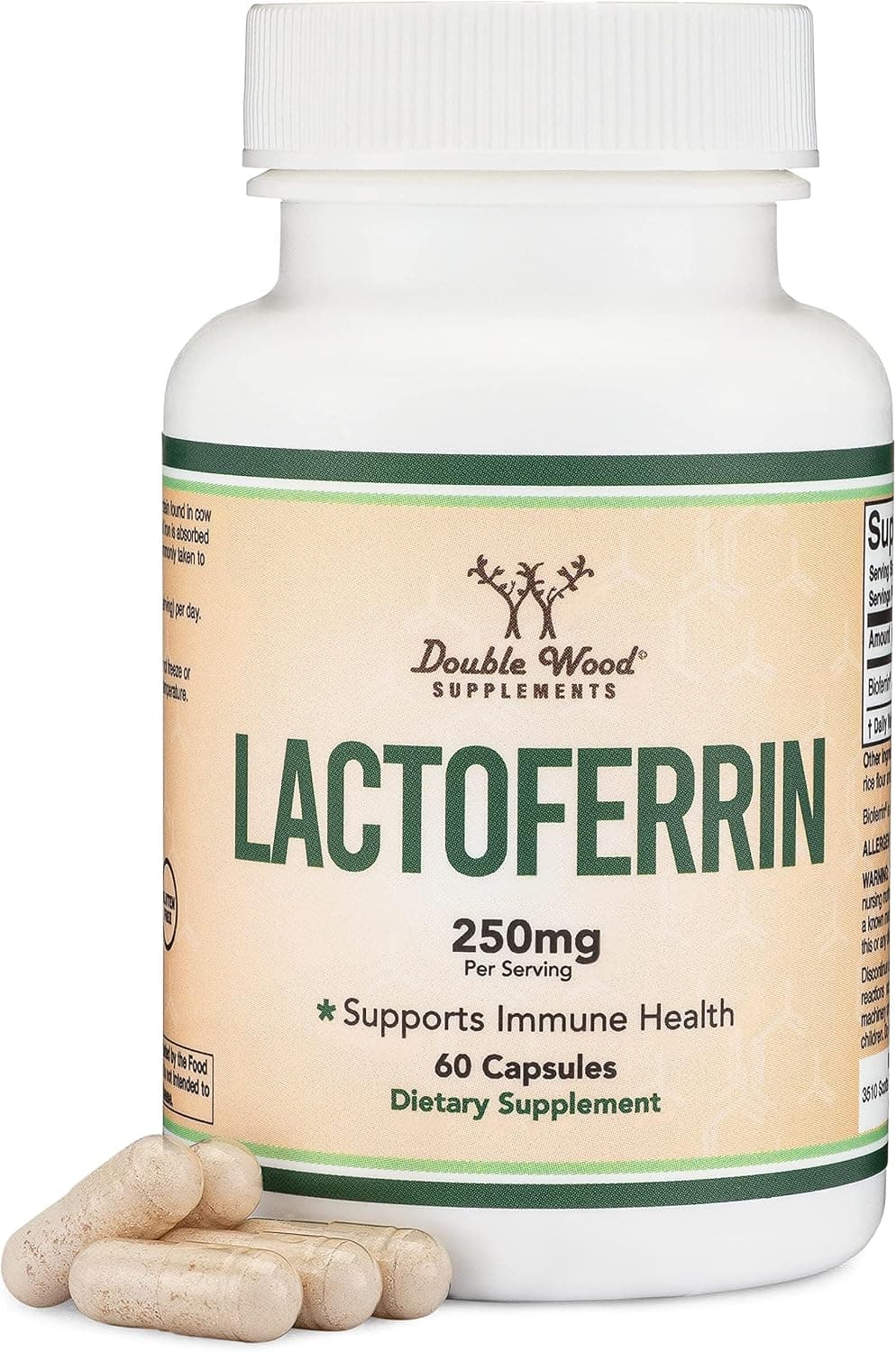
Vendors carrying Lactoferrin, with live product details and codes. Links are affiliate links that support the wiki at no cost to you.
Amazon
Lactoferrin
Amazon
Lactoferrin
Research
- 2005first citedMolecular structure, binding properties and dynamics of lactoferrin.
- 2021most recentLactoferrin reduces the risk of respiratory tract infections: A meta-analysis of randomized con…
- 1.Molecular structure, binding properties and dynamics of lactoferrin.
- 2.Lactoferrin: an iron-binding antimicrobial protein against Escherichia coli infection.
- 3.Lactoferrin: A Critical Mediator of Both Host Immune Response and Antimicrobial Activity in Response to Streptococcal Infections.
- 4.Lactoferrin reduces the risk of respiratory tract infections: A meta-analysis of randomized controlled trials.
- 5.The role of iron in the pathogenesis of COVID-19 and possible treatment with lactoferrin and other iron chelators.
5 listed here; entry last updated August 2026
Reviews
My notesprivate to this device
FAQ
Does lactoferrin actually boost immunity?
It has a real mechanism and moderate human evidence, which is more than most immune supplements can claim.
Can it help iron levels?
It may support iron regulation and absorption, and it's being studied as a gentler option for iron status.
Is it dairy-based?
Most is derived from cow's milk, so avoid it if you have a milk protein allergy.
Empty stomach or with food?
Empty stomach may preserve more activity, but take it with food if it bothers your gut.
Is it safe long-term?
Short-term use looks safe; long-term high-dose data is still limited.
Adverse effects
- Mild digestive upset in some people
- Constipation or diarrhea occasionally
- Rare allergic reactions
Notes and cautions
- Generally well tolerated
- Milk-derived, so caution with milk allergy