
spec sheet14 rows
Glutathione is the body's main intracellular antioxidant, a tripeptide that neutralizes free radicals, supplies phase-II liver detoxification, and protects cells and mitochondria from oxidative wear. Whether swallowing it raises the amount in the body is the unsettled question at the center of this compound: a single dose does nothing measurable, while months of daily dosing appear to raise body stores modestly and reversibly. Oral use is well tolerated and produces a small, temporary lightening of sun-exposed skin in controlled trials. Intravenous glutathione sold for skin whitening is a different matter and has drawn regulatory warnings.
- The body's master intracellular antioxidant
- Feeds phase II liver detox enzymes
- Sustained oral dosing raises body stores
- Sublingual beat plain capsules head to head
- Topical use lowered skin melanin in a trial
- More than doubled natural killer cell activity
- Mild injection site reactions
- Occasional cramping
- Rare allergic reactions
Overview
Glutathione is a tripeptide of glutamate, cysteine, and glycine (gamma-L-glutamyl-L-cysteinylglycine) and the principal intracellular antioxidant in human cells. It cycles between a reduced (GSH) and oxidized (GSSG) form, and that redox couple is fundamental to cellular protection, detoxification, and signaling [3].
Because orally ingested glutathione is largely broken down during digestion, its bioavailability is a long-standing question, and it is delivered in oral, topical, liposomal, and injectable forms with differing absorption [3][2]. It is used both as a systemic antioxidant and, especially across parts of Asia, as a cosmetic skin-lightening agent [4].
Its research applications concentrate on skin pigmentation and antioxidant status. A randomized, double-blind, placebo-controlled trial found that oral glutathione lowered the skin melanin index at sun-exposed sites over four weeks, with reductions reaching significance at the face and forearm and parallel decreases in ultraviolet spots [1]. A double-blind randomized trial reported that combining topical and oral glutathione lowered the melanin index more than either alone [2], while systematic reviews conclude the skin-whitening evidence is promising but still inconsistent and limited by absorption and study quality, with oral forms generally well tolerated and parenteral forms less so [4][3]. Reviews also note associated cosmetic effects such as improved skin elasticity and reduced wrinkles [4].
Glutathione is regulated as a dietary supplement in oral form in the United States; intravenous skin-lightening use is not an approved indication and has drawn safety warnings in some countries. It is sold as capsules, topical preparations, and injectable solutions.
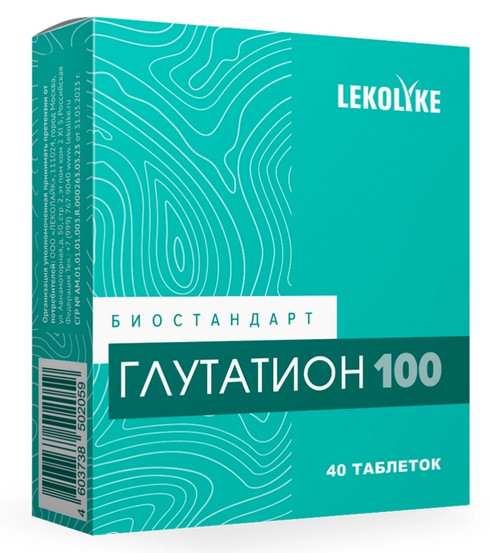

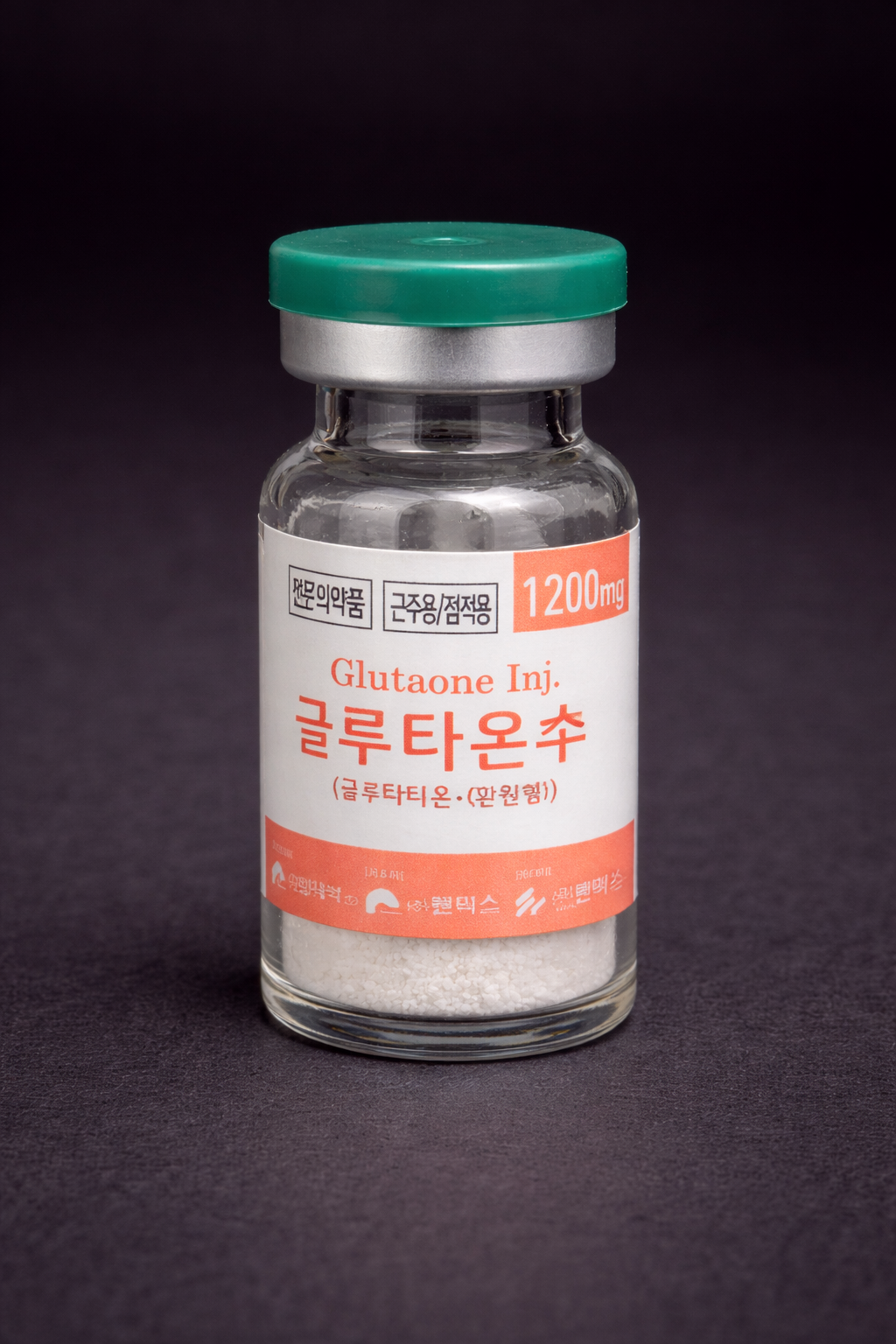

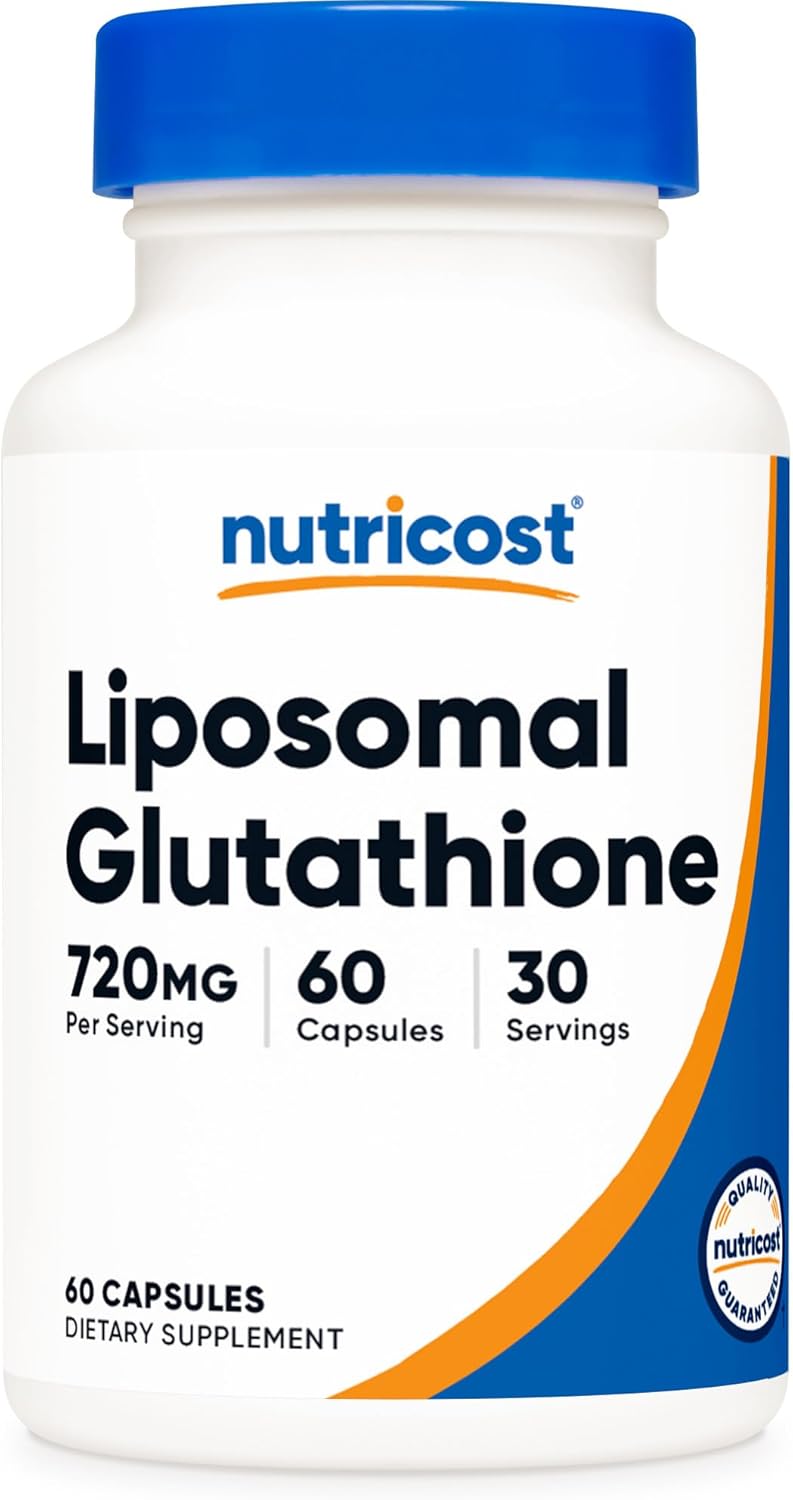

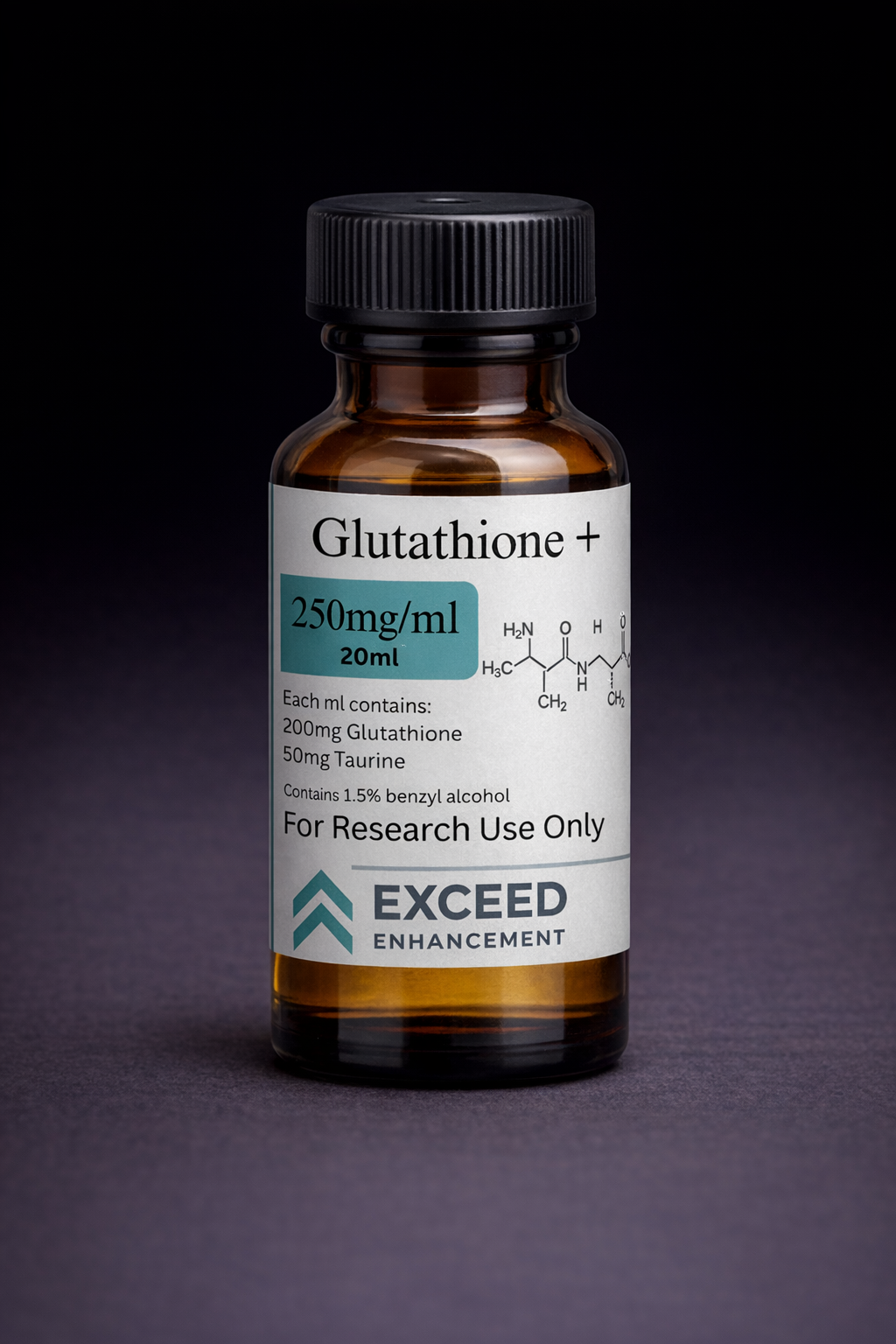
- Glutathione was first described in 1888 under the name "philothion," meaning "love of sulfur."
- It is one of the few antioxidants the body manufactures itself, and it can recharge spent vitamin C and vitamin E back into their active forms.
Mechanism
Glutathione's appeal is twofold; it is the cell's central antioxidant and detoxifier, and it doubles as a skin-brightening agent, so a single molecule both protects the body and helps it glow. The injectable and topical routes exist largely because oral glutathione is heavily degraded in digestion [3].
As an antioxidant, glutathione serves as the electron-donating cofactor for glutathione peroxidase, which reduces hydrogen peroxide and lipid peroxides and protects cell membranes and mitochondria; its own thiol group also scavenges reactive oxygen species directly [3]. In detoxification it is the substrate for glutathione S-transferases in phase-II liver metabolism, conjugating toxins and drug metabolites so they can be cleared, and it can bind heavy metals such as mercury to help shuttle them out. It further regenerates spent vitamins C and E back to their active forms, extending the body's overall antioxidant reserve. Together these roles keep the cellular redox balance that lets mitochondria run cleanly.
The skin-brightening mechanism is inhibition of tyrosinase, the rate-limiting enzyme of melanin synthesis, which shifts pigment production toward lighter pheomelanin and reduces overall melanin output. The human evidence is measurable if modest; in a randomized, double-blind, placebo-controlled trial, oral glutathione significantly lowered the skin melanin index versus placebo at the right cheek and sun-exposed forearm over four weeks, with corresponding drops in ultraviolet spots [1], and a separate randomized trial found combined topical and oral use outperformed monotherapy [2]. Systematic reviews temper this by noting that benefits are strongest in sun-exposed areas, are not always durable, and are constrained by the compound's limited oral , while confirming that oral use is generally well tolerated [4][3].
Why the oral question is hard is a matter of chemistry rather than of formulation. Glutathione's is joined to its cysteine through the gamma carboxyl instead of the usual alpha carboxyl, so ordinary peptidases cannot cut that bond and one enzyme does nearly all of the dismantling: gamma-glutamyl transferase, sitting on the outer face of the cell membrane. That enzyme is not merely present, it is saturated; human GGT1 and GGT5 both hold reduced glutathione with a Km of 11 micromolar, which a swallowed gram exceeds by orders of magnitude [40]. Intestinal and hepatic gamma-glutamyl transferase strips a dose back toward its amino acids on the way in, which is why 3 g by mouth moved plasma glutathione not at all [19]. The cell then rebuilds the tripeptide from the inside through the gamma-glutamyl cycle, using cysteine ligase and then glutathione synthetase [34]. Synthesis is governed by three things and none of them is the supply of finished glutathione: the activity of cysteine ligase, the availability of cysteine, and feedback inhibition by the glutathione already present [39].
That last point is the practical one. The ingredient that runs short is cysteine, not , not glycine and not glutathione itself. In older adults with measurably low red cell glutathione, two weeks of cysteine and glycine raised the concentration by about 95 percent and the absolute synthesis rate by about 230 percent, restoring both to the levels seen in young controls [35]; the same correction was measured in people with uncontrolled type 2 diabetes [36], and a later randomised trial of glycine plus N-acetylcysteine reproduced it over sixteen weeks [13]. A cysteine donor is therefore usually the more reliable lever than the finished molecule, with one honest caveat: it works by refilling a pool that is empty, so it does comparatively little in cells that are already replete [38]. The dipeptide one step down, gamma-glutamylcysteine, is taken up by cells directly and pushed lymphocyte glutathione to roughly two to three times basal within three hours of a single oral dose, back to baseline by five [37].
Two further roles are worth naming because they explain where glutathione goes. It is the conjugating partner that lets a cell export what it has detoxified, and the MRP transporters that carry those conjugates out co-transport free glutathione with them, which is one of the ways a cell loses its pool. It is also the cofactor of the glyoxalase pathway that clears methylglyoxal, a reactive by-product of glycolysis and a driver of protein glycation. The scale of the pool those systems draw on is millimolar: total glutathione measured across the interior of a human cell sits at roughly 7 mM, and inside the endoplasmic reticulum it is higher still [41].
receptor fingerprint
Glutathione peroxidase (GPx)Cofactor / substrate
Reactive oxygen species (free radicals)Scavenger
Glutathione S-transferases (Phase II detox)Substrate
Gamma-glutamyl transferase (GGT)Substrate (hydrolyzed)
Glutathione reductase (GSR)Product (regenerated from GSSG)
Heavy metals (mercury, arsenic)Chelator
Vitamin C and ERegenerator
Tyrosinase (melanin synthesis)Inhibitor
MRP1 / ABCC1 (glutathione efflux)Co-transported substrate
Glyoxalase I (methylglyoxal clearance)Cofactor / substrate
Dosingtypical ranges, not medical advice
interested in protocols and clinical dosages? make an account to see them! ^_^
Safetyrisks and cautions, not medical advice
Oral glutathione has been well tolerated in the controlled trials that measured it, at 250 to 1,000 mg a day for as long as six months [7][20][22]. The problems belong to the other routes.
Intravenous glutathione sold for skin lightening is the serious one. Adverse effects reported with it led the Food and Drug Administration of the Philippines to issue a public warning against off-label cosmetic use, and the reported harms include severe skin eruptions such as Stevens-Johnson syndrome, kidney and thyroid dysfunction, and infection from unregulated preparations [30][31]. Parenteral glutathione does have legitimate approved uses, for severe liver disorders and for preventing chemotherapy neurotoxicity, and the harm reports come from the cosmetic market rather than from those [31]. A 2016 review of the whole literature found no study at all of intravenous glutathione for skin lightening, and none of its safety in long-term use for any indication [32]. A 2025 systematic review states plainly that the intravenous route is contraindicated for pigmentation, for want of efficacy and because of the side effects [11]. One consequence rarely appears in marketing: the shift from eumelanin toward lighter pheomelanin that produces the lightening also removes pigment that was protecting the skin, which may raise the risk of sun-induced skin cancer in people who were previously protected; that is reasoning from mechanism rather than a measured outcome, and no study has tested it [32].
Nebulized glutathione should be avoided in asthma. In a randomized crossover challenge, 600 mg by nebulizer cut FEV1 by 19 percent and caused cough or breathlessness in most of the eight patients tested, an effect blocked by salbutamol and attributed to sulfite formation [23]. Intranasal glutathione is better behaved and was tolerable across three months at 300 to 600 mg a day in Parkinson's disease, though one participant on the high dose in the phase IIb trial developed cardiomyopathy [15][17]. Nothing about the injectable route should be treated as risk-free.
Two case reports published in 2025 put names to what the reviews had only counted. A 33-year-old woman developed Stevens-Johnson syndrome overlapping toxic epidermal necrolysis after an intravenous infusion containing glutathione, vitamin C and vitamin D at a wellness clinic; the infusion was a mixture, so the tripeptide cannot be isolated as the cause, and the report's own point is that glutathione has been the named agent in earlier cases and that this is the association behind the Philippine warning [47]. A previously healthy woman collapsed within an hour of a high-dose unregulated glutathione drip sold for skin lightening, with a temperature above 41 degrees, a white cell count of 26, acute liver injury and a coagulopathy, and no infection found; she recovered with supportive care, and her authors attribute it either to endotoxin in the product or to a very large glutathione load in someone who had been eating very little [48]. Neither case is proof of causation on its own. Both describe the same setting, which is an unregulated infusion given outside a clinical service.
Regulators have taken the same view from both ends. The Philippine agency's warning is the one the dermatology literature keeps citing [30][31]. In the United States the Food and Drug Administration has approved no injectable drug for skin lightening at all, and its consumer guidance names glutathione among the ingredients in the products it warns about, alongside infection, clots and blood-borne infection from the injection itself rather than from the molecule. The case report of the collapse above notes that the product involved has no regulatory approval in the United Kingdom either [48]. Oral and topical glutathione sit in an entirely different regulatory place and carry none of this.
Interactionsdocumented pairs only, not exhaustive
Glutathione has few documented drug interactions, and the ones worth knowing are about its chemistry rather than about metabolism. It is the substrate for the glutathione S-transferases of phase II conjugation, so in principle it sits in the clearance pathway for a very large number of drugs; no clinical interaction has actually been demonstrated from supplementing it, and the effect of an oral dose on hepatic conjugation has never been measured in a person. Nebulized glutathione is the clear one to avoid alongside anything that raises bronchial reactivity: in mild asthma 600 mg by nebulizer cut FEV1 by 19 percent, an effect attributed to sulfite formation and blocked by salbutamol [23].
Anyone with a known sulfite sensitivity should treat inhaled preparations the same way. With chemotherapy the picture is genuinely reassuring rather than alarming; intravenous glutathione given before oxaliplatin reduced grade 2 to 4 neurotoxicity without reducing the response rate to the chemotherapy itself [29], although the larger phase 3 trial in paclitaxel and carboplatin found no neuropathy benefit at all [28], so this belongs to the oncologist and not to a supplement shelf. Injectable glutathione sold for cosmetic use is commonly combined with high-dose intravenous vitamin C, and the regulator warnings apply to the whole practice [31][32]. This is research information, not medical advice.
Checking a whole stack? Run it through interactions + stacks.
History
Glutathione was first observed in 1888 by the French scientist J. de Rey-Pailhade, who named the sulfur-containing substance he found in yeast and animal tissues "philothion." Its identity as a tripeptide of glutamate, cysteine, and glycine was established in the 1920s, notably through the work of the British biochemist and Nobel laureate Frederick Gowland Hopkins, with later refinement by Edward Calvin Kendall and others. Recognized as the body's principal intracellular antioxidant, glutathione became a cornerstone of redox biology and detoxification research through the twentieth century. Its use as a skin-brightening agent is more recent, arising from the observation that it inhibits melanin synthesis, and this application has been tested in controlled studies such as a 2010 randomized trial of oral glutathione.
Reputation
Glutathione is held in high regard across biochemistry and medicine as the cell's "master antioxidant," central to neutralizing free radicals, powering liver detoxification, and regenerating vitamins C and E. In dermatology and consumer wellness it has built a devoted following as a skin-brightening agent, supported by randomized trials showing measurable reductions in skin melanin, especially in sun-exposed areas. It is valued as a single, naturally occurring molecule that both defends cells and supports a clearer complexion, and oral use is generally very well tolerated. In the interest of honesty, oral bioavailability is limited and skin-lightening effects are modest and not always durable, which is part of why injectable and topical forms exist.
Subjective profileweighing the evidence above
Fine and low risk taken orally, though absorption is poor enough to keep expectations modest. The part to take seriously is injectable glutathione sold for skin lightening, which has drawn regulatory warnings over severe skin reactions, kidney and thyroid dysfunction, and infections from unregulated preparations.
Where to buy

10 other outlets


Suppliers
Vendors carrying Glutathione, with live product details and codes. Links are affiliate links that support the wiki at no cost to you.
| supplier | size | price | $/mg |
|---|---|---|---|
| Exceed Enhancementlowest | 1200mg | $25.00 | $0.021/mg |
| PCT.Zone | 600MG | $34.24 | $0.057/mg |
| Moglabs | 500mg | $56.00 | $0.112/mg |
RUPharma🌐
Glutathione
Amazon
Glutathione
Exceed Enhancement
Glutathione
Amazon
Glutathione
Amazon
Glutathione
PCT.Zone
Glutathione
Exceed Enhancement
Glutathione+
Kimera Chems
Glutathione
Moglabs
Glutathione
Peptira
Glutathione
RUO
Glutathione
Research
- 1988first citedGlutathione metabolism and its selective modification.
- 2011most active year4 papers
- 2019meta-analysisAntioxidant supplementation for lung disease in cystic fibrosis.
- 2026most recentThe role of N-acetylcysteine and glutathione in the management of Parkinson's disease: a system…
- 1.Glutathione as an oral whitening agent: a randomized, double-blind, placebo-controlled study
- 2.Combination of topical and oral glutathione as a skin-whitening agent: a double-blind randomized controlled clinical trial
- 3.The clinical effect of glutathione on skin color and other related skin conditions: A systematic review
- 4.Systemic Glutathione as a Skin-Whitening Agent in Adult
- 5.Antioxidants Maintain Cellular Redox Homeostasis by Elimination of Reactive Oxygen Species
- 6.Glutathione metabolism in cancer progression and treatment resistance
- 7.Randomized controlled trial of oral glutathione supplementation on body stores of glutathione
- 8.Effects of N-acetylcysteine, oral glutathione (GSH) and a novel sublingual form of GSH on oxidative stress markers: A comparative crossover studymanufacturer authored
- 9.Randomized, double-blind, pilot evaluation of intravenous glutathione in Parkinson's disease
- 10.Glycine-based treatment ameliorates NAFLD by modulating fatty acid oxidation, glutathione synthesis, and the gut microbiome
- 11.Glutathione as a skin-lightening agent and in melasma: a systematic review
- 12.The role of systemic treatments for skin lightening
49 listed here; entry last updated August 2026
Reviews
My notesprivate to this device
FAQ
Does swallowing glutathione actually raise it in the body?
Two good trials disagree and both are right. A single 3 g dose did not raise plasma glutathione at all in healthy adults, because gamma-glutamyl transferase in the gut wall and liver takes the tripeptide apart first [19]. Six months of 250 or 1,000 mg a day did raise red cell, plasma and lymphocyte glutathione by about 30 to 35 percent at the higher dose, and levels fell back to baseline a month after stopping [7]. A four-week trial at 500 mg twice daily found nothing [20]. The reconciliation is duration: one dose does not survive the trip, but a steady daily supply of what it breaks into can still feed synthesis over months.
Should I take glutathione or NAC?
NAC is usually the better first choice. Cysteine is the ingredient that runs short when a cell builds glutathione, and NAC delivers cysteine directly, while glutathione has to be dismantled before any of it can be used [39]. In older adults with measurably low glutathione, cysteine plus glycine roughly doubled the red cell concentration in two weeks [35]. One caveat cuts the other way: a cysteine donor refills an empty pool and does much less in cells that are already replete [38]. Glutathione earns its place where the goal is specifically the skin-lightening effect, which is the use that has actually been trialled with the finished molecule.
Is liposomal or S-acetyl glutathione worth the extra money?
Not on the evidence that exists. The liposomal case rests on a single twelve-person study with no control group, funded by the maker of the product tested [21]. S-acetyl glutathione has never had its absorption measured in a human being at all. The only form with a head to head comparison is sublingual, which beat plain oral glutathione and NAC on plasma glutathione and the GSH to GSSG ratio in twenty people with metabolic syndrome; two of that study's four authors work for the company making the sublingual product [8]. No study has ever compared the four forms in one design, so the ranking in supplement marketing is assembled from trials that cannot be compared with each other.
Is the injectable form worth it?
Not for skin. Exactly one placebo-controlled study of intravenous glutathione for pigmentation exists, its result did not reach significance, and a 2025 systematic review calls the route contraindicated for that use on grounds of both efficacy and side effects [11]. A 2016 review found no study of intravenous glutathione for skin lightening and none of its safety in long-term use for any indication [32]. Parenteral glutathione does have approved medical uses, for severe liver disorders and for preventing chemotherapy neurotoxicity; the harm reports that led the Philippine regulator to warn against cosmetic use came out of the unregulated cosmetic market, not those [31].
What actually goes wrong with a glutathione drip?
Three separate things, and only one of them is about glutathione. The molecule itself has been named in Stevens-Johnson syndrome, and a 2025 case describes Stevens-Johnson overlapping toxic epidermal necrolysis after a wellness-clinic infusion of glutathione with vitamin C and vitamin D [47]. The product can be contaminated: another 2025 case describes shock, a temperature above 41 degrees, acute liver injury and a coagulopathy within an hour of an unregulated high-dose drip, with no infection found [48]. And the act of injecting carries its own risk of infection and clots regardless of what is in the syringe. The United States has approved no injectable drug for skin lightening, and the product in that second case had no approval in the United Kingdom either [48].
Does it whiten skin permanently?
No. The trials that found an effect measured a small drop in a melanin index at sun-exposed sites over 4 to 12 weeks, and the pigment comes back after dosing stops [1][3]. The mechanism is a shift from darker eumelanin toward lighter pheomelanin rather than any removal of pigment cells, so it holds only while the compound is being taken. Pheomelanin protects against ultraviolet light less well than the pigment it replaces, which is a real trade nobody advertises [32]. The largest oral trial, eighty-three women over twelve weeks, found no statistically significant lightening at all [45].
Does the cream work better than the capsule?
For a local result, probably, and the evidence is thinner. A 2 percent oxidised glutathione lotion applied to one side of the face for ten weeks lowered the melanin index against the placebo side, and also improved stratum corneum moisture, wrinkles and smoothness [43]. A 2025 systematic review found only five topical trials in total and calls the safety data limited [44]. A randomised trial of the two together found the combination outperformed either alone [2]. Topical acts where it is applied; oral acts everywhere or nowhere.
Can I use the nasal spray?
It is a compounded prescription rather than something to buy, and what it is proven to do is arrive rather than help. Reduced glutathione was tolerable over three months in Parkinson's disease at 300 to 600 mg a day [15], and a spectroscopy study showed intranasal dosing does raise brain glutathione for at least an hour [16]. The phase IIb trial then found no advantage over saline for symptoms, and one participant on the high dose developed cardiomyopathy [17]. A 2026 systematic review of the whole Parkinson's literature reaches the same conclusion and finds the case for NAC stronger [49].
Is it safe to inhale if I have asthma?
No. In a randomized crossover challenge, 600 mg by nebulizer cut FEV1 by 19 percent and caused cough or breathlessness in most of the eight patients with mild asthma tested; salbutamol blocked the effect, and the authors attributed it to sulfite formation rather than to glutathione itself [23]. Inhaled glutathione has been trialled properly in cystic fibrosis, where it missed its primary endpoint in the two largest studies [24][25]. Oral, topical and intranasal use carry no comparable signal.
Why are the affinity numbers mostly blank?
Because the honest answer is that most of them do not exist as binding constants. Glutathione is the co-substrate of glutathione peroxidase, the glutathione S-transferases and glyoxalase, not a drug competing for their active sites, so the meaningful number is a Km rather than a Ki and most human enzymes here have never had one measured cleanly. Two are quoted because they are real: gamma-glutamyl transferase holds reduced glutathione with a Km of 11 micromolar [40], and the MRP1 transporter carries it with a Km near 5 millimolar. A published value of 20 nanomolar for glutathione at a glutathione S-transferase was removed from this table during the rebuild; it is a real database record, but it is an inhibition constant against one mitochondrial isoform, and printing it beside the word substrate would tell a reader something four orders of magnitude away from the truth.
Limitations of the evidence
- The central question, whether swallowing glutathione raises the amount in the body, has good trials on both sides: a single 3 g dose changed plasma glutathione not at all [19], four weeks at 1,000 mg a day changed nothing [20], and six months at the same dose raised red cell and plasma glutathione by about a third [7].
- Every human measurement is of blood: red cells, plasma, lymphocytes, mononuclear cells and buccal cells. No study has measured liver glutathione in a person after taking any oral glutathione product, so the liver detoxification claim that sells the compound has never been tested in the organ it names.
- No published study compares plain, liposomal, sublingual and acetylated oral glutathione in one design, so the ranking of forms sold in supplement marketing rests on separate small trials that cannot be compared with each other.
- Both trials reporting that a better absorbed form works were authored or funded by the company selling that form [8][21]; the two reporting no effect from plain oral glutathione were not [19][20].
- S-acetyl glutathione has never had its absorption measured in a human being, so the claim that the acetyl group gets it past digestion is inference from cell and animal work.
- Every positive oral skin lightening trial is small, runs 4 to 12 weeks, measures a melanin index rather than an appearance judgement, and reports an effect that reverses when dosing stops [1][22][31]; none has followed pigment or safety past three months.
- The largest oral skin trial was negative. Eighty-three Indonesian women over twelve weeks showed greater reductions in the glutathione arm than in placebo on every measure and not one of them reached significance, and that product was a combination of glutathione with vitamin C, alpha lipoic acid and zinc, so even a positive result could not have been attributed to glutathione alone [45].
- Only one placebo-controlled study of intravenous glutathione for pigmentation exists, its result did not reach significance at 37.5 percent against 18.7 percent, and reviewers describe its design and analysis as unsound [11][31].
- Inhaled glutathione in cystic fibrosis improved FEV1 at three months in the pooled estimate but not at six [27], and the largest single trial missed its primary endpoint outright [24].
- For chemotherapy neuropathy there is one positive randomized trial in oxaliplatin [29] and one larger phase 3 trial in paclitaxel and carboplatin that found no benefit at all, with time to grade 2 neuropathy actually favouring placebo [28], so the result does not carry across drugs.
- Intranasal glutathione is proven to reach the brain and to be tolerable, but the phase IIb trial improved every arm including saline and was not superior to placebo [17], and a 2026 systematic review of the whole Parkinson's literature concludes that the findings for glutathione remain inconclusive while those for its precursor do not [49].
- Only one number in this entry's affinity table is a corroborated binding constant for glutathione itself, and one more is a transport Km. The rest are blank on purpose: glutathione is the co-substrate of these enzymes rather than a ligand competing for a site, so a Ki or an IC50 would be the wrong kind of measurement to publish, not a missing one.
Adverse effects
- Mild injection site reactions
- Occasional cramping
- Rare allergic reactions
- Nebulized glutathione cut FEV1 by 19 percent with cough or breathlessness in mild asthma, attributed to sulfite formation [23]
- Severe skin eruptions including Stevens-Johnson syndrome reported with intravenous use sold for skin lightening, now including a published case of Stevens-Johnson overlapping toxic epidermal necrolysis after a wellness-clinic infusion [30][47]
- Systemic inflammatory response syndrome, shock and acute liver injury within an hour of an unregulated high-dose glutathione drip [48]
- Kidney and thyroid dysfunction reported with intravenous cosmetic use [31]
- Infection, clots and blood-borne infection from unregulated injectable preparations and the injecting itself
- One case of cardiomyopathy in the high-dose arm of the intranasal Parkinson's phase IIb trial [17]
- Successful skin lightening removes pigment that was protecting against ultraviolet light; reasoning from mechanism rather than a measured outcome, and untested [32]
Notes and cautions
- The gamma linkage is the whole story. Glutamate is attached through its gamma carboxyl rather than the usual alpha carboxyl, so ordinary digestive peptidases cannot touch it and one enzyme, gamma-glutamyl transferase, controls its fate. That is why a tripeptide behaves nothing like a protein supplement.
- Cysteine is the scarce ingredient, not glutathione. Synthesis is limited by glutamate cysteine ligase activity, by how much cysteine is available, and by feedback from the glutathione already there [39]. Nothing about that list is helped by swallowing more of the product.
- A precursor only helps where the pool is actually low. In cells already replete with glutathione, a cysteine donor has little to refill and does correspondingly little [38]; the trials that show large effects were run in people measured to be deficient [35][36].
- Reduced and oxidized are two different products. Capsules are usually reduced glutathione (GSH); the oxidized dimer (GSSG) is a separate molecule sold under its own name, and both forms were tested at 250 mg a day with broadly similar skin results [22]. The topical trials mostly used the oxidized form [43].
- The buccal and sublingual routes exist for one reason: to bypass the gut wall and the liver, where gamma-glutamyl transferase does its work. Sublingual outperformed plain oral in the only head to head [8], and a lozenge has been trialled once [46].
- Ordinary food contains glutathione and it makes no measurable difference to circulating levels, for the same reason a capsule does not [19]. Dietary sulfur amino acids, and adequate protein generally, matter more [39].
- The medical uses of injected glutathione are real and are not the cosmetic ones. It is given for severe liver disorders and to prevent chemotherapy neurotoxicity in some countries, and the Philippine agency lists it as an adjunct in cisplatin chemotherapy; the harm reports come out of the cosmetic market [31].
- Nasal spray is a compounded prescription, not a shelf product. Intranasal reduced glutathione was tolerable over three months at 300 to 600 mg a day and does measurably raise brain glutathione [15][16], which is a delivery result rather than a treatment result.