
spec sheet13 rows
Glutamine is an alpha-amino acid used in the building of proteins and is the most abundant free amino acid in human blood and muscle. Classified as conditionally essential, it can normally be made by the body but may become depleted during severe illness, injury, or intense stress, when dietary or supplemental intake becomes more important. Beyond its structural role in proteins, glutamine serves as a major carrier of nitrogen between tissues and as a fuel and biosynthetic precursor for rapidly dividing cells such as those of the intestine and immune system.
- the gut lining's preferred fuel; feeds the intestinal barrier
- immune backup when illness, injury or hard training drains it
- a direct precursor to glutathione, the master antioxidant
- the most abundant free amino acid in blood and muscle
- helps hold onto muscle protein under severe stress
- cheap, food derived and famously easy to tolerate
- In sickle cell trials, low-grade nausea, chest pain, or fatigue were reported
- Caution advised in liver disease or with intravenous nutrition
Overview
Glutamine (symbol Gln or Q) is one of the twenty amino acids used to build proteins, distinguished from the related glutamic acid by an amide group in place of a second carboxylic acid. In humans it is regarded as non-essential under normal conditions but conditionally essential during metabolic stress, because the body's own synthesis may not keep pace with demand. It is the most plentiful free amino acid in the circulation, and skeletal muscle is its principal site of production and storage. The naturally occurring form is L-glutamine.
Glutamine occupies a central place in nitrogen metabolism. It acts as a nontoxic vehicle for carrying ammonia and nitrogen among organs, moving in the fed state largely from the intestine to other tissues and, during fasting or stress, from muscle toward the liver and kidneys [1]. It supplies carbon to the citric acid cycle after conversion to alpha-ketoglutarate, donates nitrogen for the synthesis of purines and other nucleotides, and contributes to the production of glutathione, an important cellular antioxidant. Cells with high turnover, including the enterocytes of the gut lining, activated immune cells, and many tumor cells, consume glutamine avidly as both an energy source and a building block [4].
Glutamine is obtained from protein-rich foods such as meat, fish, eggs, dairy, and legumes, and it is manufactured on an industrial scale by microbial fermentation for use in nutrition and research. As a supplement it has been studied in critical illness, gut health, and sports nutrition. Evidence in critically ill patients is mixed; some formulations were once used routinely to support the gut and immune function, but later large trials raised caution, and current reviews advise against glutamine supplementation in patients with multiple organ failure [2]. In sickle cell disease a pharmaceutical-grade oral form was shown in a randomized phase 3 trial to modestly reduce the frequency of pain crises and hospitalizations, leading to its approval as a prescription therapy [3].
Glutamine is sold both as a dietary supplement, commonly in powder or capsule form, and, for sickle cell disease, as an approved prescription medicine. It is generally considered safe for healthy adults at customary intakes and is a normal component of the diet. Caution is warranted in people with liver disease or those receiving intravenous nutrition, and its role in feeding rapidly dividing cells has prompted ongoing research interest in how glutamine metabolism relates to cancer [4].

Mechanism
Glutamine influences physiology through its dual identity as a structural amino acid and a versatile metabolic intermediate. Enzymes interconvert glutamine and , allowing it to shuttle nitrogen safely between tissues without raising blood ammonia to harmful levels; in this way it links the nitrogen economy of muscle, gut, liver, and kidney [1]. Within cells, glutamine is deaminated to and then to alpha-ketoglutarate, which feeds the citric acid cycle and supports energy production and biosynthesis, a process especially prominent in the gut lining and in immune and tumor cells [4].
Its nitrogen also feeds nucleotide synthesis and the manufacture of glutathione, tying glutamine availability to cell proliferation and antioxidant defense. During major stress such as trauma, sepsis, or surgery, demand can outstrip supply and plasma glutamine falls, which is the rationale for supplementation in some clinical settings; however, controlled trials have produced inconsistent results, and excess glutamine may be harmful in critically ill patients with organ failure [2]. In sickle cell disease, oral glutamine is thought to raise the reduced form of nicotinamide adenine dinucleotide in red blood cells, lowering and reducing the frequency of pain crises [3].
receptor fingerprint
Gut enterocytesfuels
Immune cells (lymphocytes)fuels
Glutathione synthesiscontributes
Nitrogen balancesupports
Muscle protein synthesisminimal effect
Dosingtypical ranges, not medical advice
interested in protocols and clinical dosages? make an account to see them! ^_^
Safetyrisks and cautions, not medical advice
Very safe and well tolerated, even at fairly high doses; occasional mild GI upset is about it. People with liver or kidney disease should be cautious because of altered nitrogen handling. It's widely used in clinical nutrition without major issues.
Interactionsdocumented pairs only, not exhaustive
No formal drug interaction studies have been carried out on glutamine, and the prescribing information for the sickle cell product says as much. What is documented is metabolic rather than pharmacokinetic.
Glutamine is deaminated in the gut and liver to glutamate and ammonia, and an oral glutamine load raises blood ammonia reliably enough that it is used clinically as a provocation test for minimal hepatic encephalopathy. In someone with cirrhosis or a urea cycle disorder, that ammonia rise is the interaction: it works directly against lactulose and rifaximin, and it adds to the hyperammonemia valproate can cause.
Beyond that, the concerns are theoretical. Glutamine is the precursor for brain glutamate, so an effect on seizure threshold is plausible but has not been shown in controlled work. Glutamine has no known effect on cytochrome P450 enzymes or on drug transporters.
Checking a whole stack? Run it through interactions + stacks.
Subjective profileweighing the evidence above
Overrated for muscle in healthy people, but has a real niche for gut health and immune support under high stress.
Where to buy
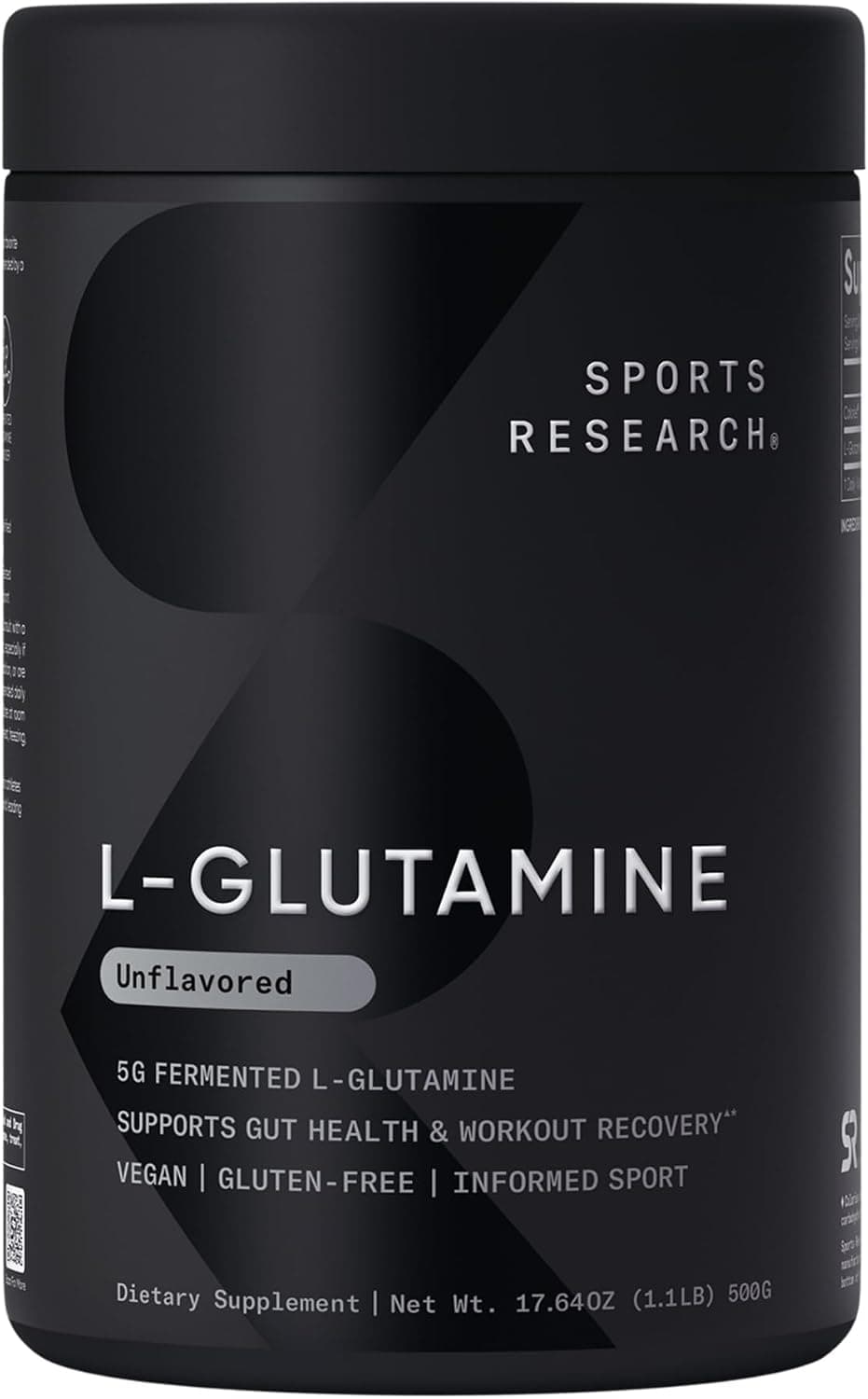
1 other outlet

Suppliers
Vendors carrying Glutamine, with live product details and codes. Links are affiliate links that support the wiki at no cost to you.
Amazon
L-Glutamine
iHerb
L-Glutamine
Research
- 2003first citedInterorgan amino acid transport and its regulation
- 2018most recentA Phase 3 Trial of l-Glutamine in Sickle Cell Disease
- 1.Interorgan amino acid transport and its regulation
- 2.Indications and contraindications for infusing specific amino acids (leucine, glutamine, arginine, citrulline, and taurine) in critical illness
- 3.A Phase 3 Trial of l-Glutamine in Sickle Cell Disease
- 4.Beyond aerobic glycolysis: transformed cells can engage in glutamine metabolism that exceeds the requirement for protein and nucleotide synthesis
4 listed here; entry last updated August 2026
Reviews
My notesprivate to this device
FAQ
Does glutamine build muscle?
Not meaningfully in healthy, well-fed lifters; your body already makes plenty.
Is it good for the gut?
Yes, it's a primary fuel for gut lining cells, so it has a real role in gut integrity.
When is it actually useful?
In high-stress states like illness, surgery, or very heavy training when demand outpaces supply.
How much should I take?
5 to 10 grams daily for general use is typical; clinical uses go higher.
Is it safe?
Very, though people with liver or kidney disease should check with a doctor.
Adverse effects
- In sickle cell trials, low-grade nausea, chest pain, or fatigue were reported
- Caution advised in liver disease or with intravenous nutrition
Notes and cautions
- Generally well tolerated in healthy adults at usual dietary intakes
- Supplementation is discouraged in critically ill patients with multiple organ failure