
spec sheet12 rows
Leucine is an essential branched-chain amino acid that the body uses to build proteins but cannot make on its own. Along with valine and isoleucine it belongs to the branched-chain group, and it is best known for switching on the cellular machinery that drives muscle protein synthesis. It is obtained from protein-rich foods and is a common ingredient in sports and clinical nutrition supplements.
- the real anabolic trigger among the amino acids
- flips on the muscle protein synthesis machinery directly
- rescues the anabolic response of a low protein meal
- especially valuable for older adults losing muscle
- supports recovery and may slow muscle breakdown
- an essential amino acid the body cannot make itself
- Digestive upset with large supplemental amounts
- Raised blood ammonia at very high intakes
Overview
Leucine, abbreviated Leu or L, is one of the amino acids that humans must obtain from food because the body cannot synthesize it. It has the molecular formula C6H13NO2 and a nonpolar, branched isobutyl side chain, which places it among the branched-chain amino acids together with isoleucine and valine. The biologically active form is L-leucine, and the name traces back to the Greek word for white, a nod to the white crystalline powder first isolated in the nineteenth century. In food manufacturing it also serves as a flavoring agent under the E number E641.
Of all the amino acids, leucine has the strongest reputation as an anabolic trigger. It acts as a signal that initiates the building of new muscle protein, and much of that effect is channeled through the mechanistic target of rapamycin (mTOR) pathway [1]. Some of its activity is attributed to a downstream metabolite, beta-hydroxy-beta-methylbutyrate (HMB), which has been shown to raise muscle protein synthesis and to blunt muscle breakdown [1]. In animal work, a leucine-enriched diet restored the normal, meal-driven suppression of protein breakdown in the muscle of aged rats, hinting at a role in countering age-related muscle loss [2].
Leucine is one of only two purely ketogenic amino acids, meaning its carbon skeleton is broken down into acetyl-CoA and related molecules rather than into glucose. Its metabolism begins when a branched-chain aminotransferase converts it into alpha-ketoisocaproate, after which the pathway branches toward energy production or the synthesis of other compounds. Because it competes with other amino acids for transport and can influence how the body handles niacin, very high intakes have historically been linked to metabolic disturbances.
Interest in leucine extends well beyond muscle. Researchers have examined its influence on insulin signaling, where elevated blood leucine has been associated with insulin resistance, along with more surprising effects in the brain; both L-leucine and its mirror-image form D-leucine were found to protect mice against chemically and electrically induced seizures, with D-leucine halting ongoing seizures about as effectively as a standard anticonvulsant but without sedation [3]. As a supplement it is sold on its own and as part of branched-chain amino acid blends, although studies that mapped a tolerable upper intake level found that amounts well above dietary needs can raise blood ammonia [4].
In the diet, leucine is abundant in animal and plant proteins, with especially high levels in whey and soy protein, meat, fish, eggs, nuts, and legumes. It is not a controlled substance and is generally regarded as safe as a food component, appearing throughout the food supply both naturally and as an added ingredient.


Mechanism
Leucine functions largely as a nutrient signal rather than merely a building block. When it becomes available inside cells, it is sensed by the complex 1 pathway, a central regulator of growth, which in turn activates downstream targets such as p70S6 kinase that switch on the translation of messenger RNA into new protein [1]. This is why a leucine-rich meal or supplement can acutely stimulate muscle protein synthesis. Part of that response is mediated by the HMB, which both promotes synthesis through signaling and independently reduces protein breakdown [1].
Leucine is also catabolized within muscle by branched-chain aminotransferase into alpha-ketoisocaproate and eventually into acetyl-CoA, feeding energy metabolism; because it is purely ketogenic, none of its carbon is diverted to make glucose [2]. Separately, in the nervous system leucine and its D- show anticonvulsant activity through a mechanism that does not appear to depend on ketosis and has not yet been fully mapped to a known receptor [3].
receptor fingerprint
mTORC1 pathwayactivates
Sestrin2 sensorbinds
secretionstimulates
Muscle protein breakdownreduces
Blood glucose handlingmodulates
Dosingtypical ranges, not medical advice
interested in protocols and clinical dosages? make an account to see them! ^_^
Safetyrisks and cautions, not medical advice
Very safe at normal intakes. Very high isolated doses can throw off the balance of the other branched-chain amino acids and may transiently affect blood sugar signaling. People with rare amino acid metabolism disorders should avoid supplementing.
Interactionsdocumented pairs only, not exhaustive
Leucine is an essential branched-chain amino acid, and its one well documented drug interaction comes from transport rather than metabolism. Leucine is a large neutral amino acid, and it competes with levodopa for the same carrier at the intestinal wall and again at the blood brain barrier. A leucine-rich protein load taken near a levodopa dose can delay that dose's onset, shorten its benefit or cause an outright dose failure; about 6% of people with Parkinson's disease taking levodopa link their motor fluctuations to protein timing, and concentrated branched-chain supplements are a more predictable competitor than a mixed meal.
Leucine also stimulates insulin release directly from pancreatic beta cells, so in principle it adds to the effect of insulin or a sulfonylurea, though the shift is small at supplement intakes and has not been shown to cause hypoglycemia.
Otherwise leucine is unremarkable. It has no cytochrome P450 activity of its own and no documented interaction with anticoagulants, antibiotics or psychiatric medication. In maple syrup urine disease the constraint is a metabolic block rather than a drug interaction, since leucine cannot be cleared normally at all.
Checking a whole stack? Run it through interactions + stacks.
Subjective profileweighing the evidence above
The real anabolic trigger among amino acids. Valuable if your protein intake is low or you're older; redundant if you already eat plenty of protein.
Where to buy
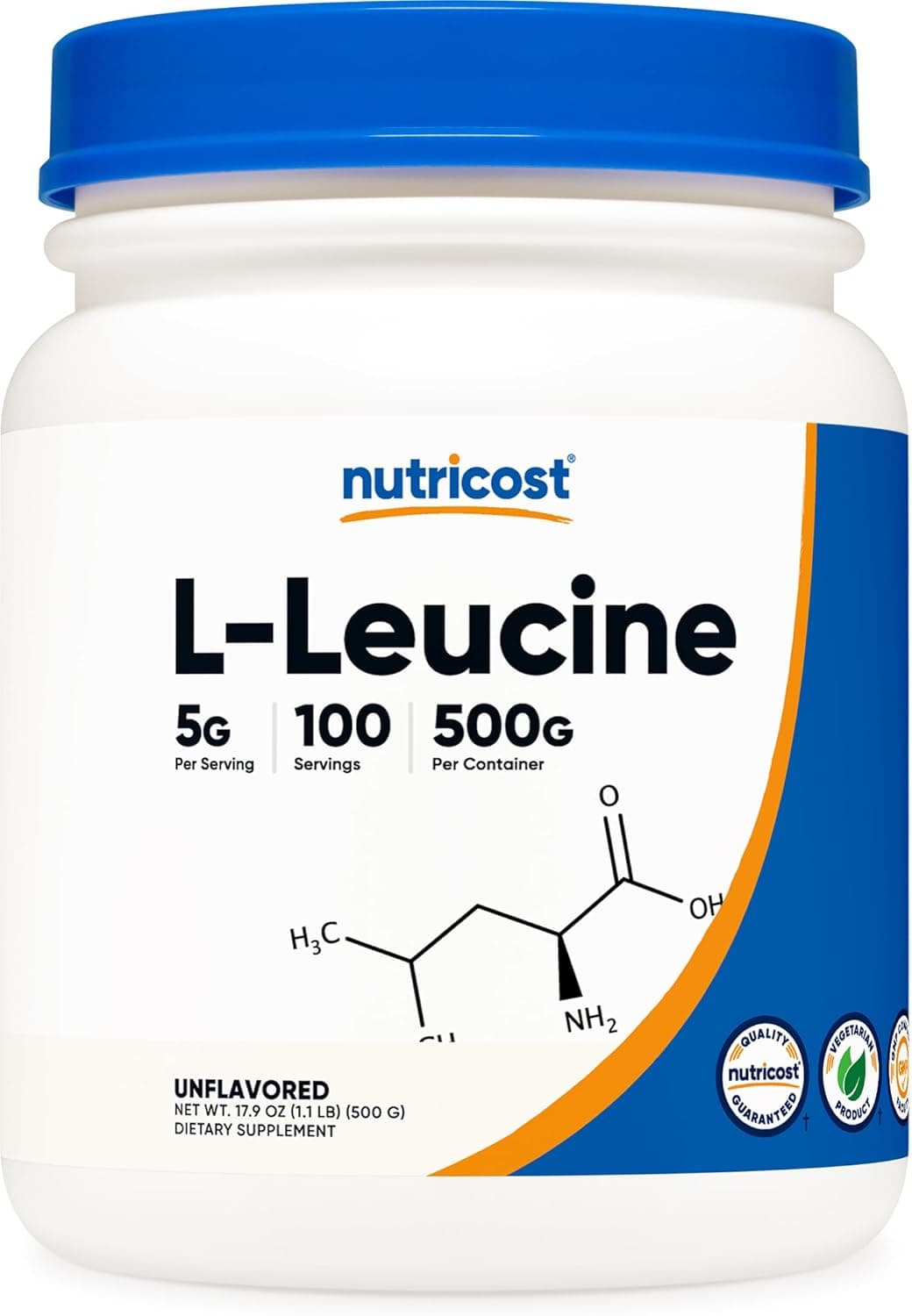
1 other outlet
Suppliers
Vendors carrying Leucine, with live product details and codes. Links are affiliate links that support the wiki at no cost to you.
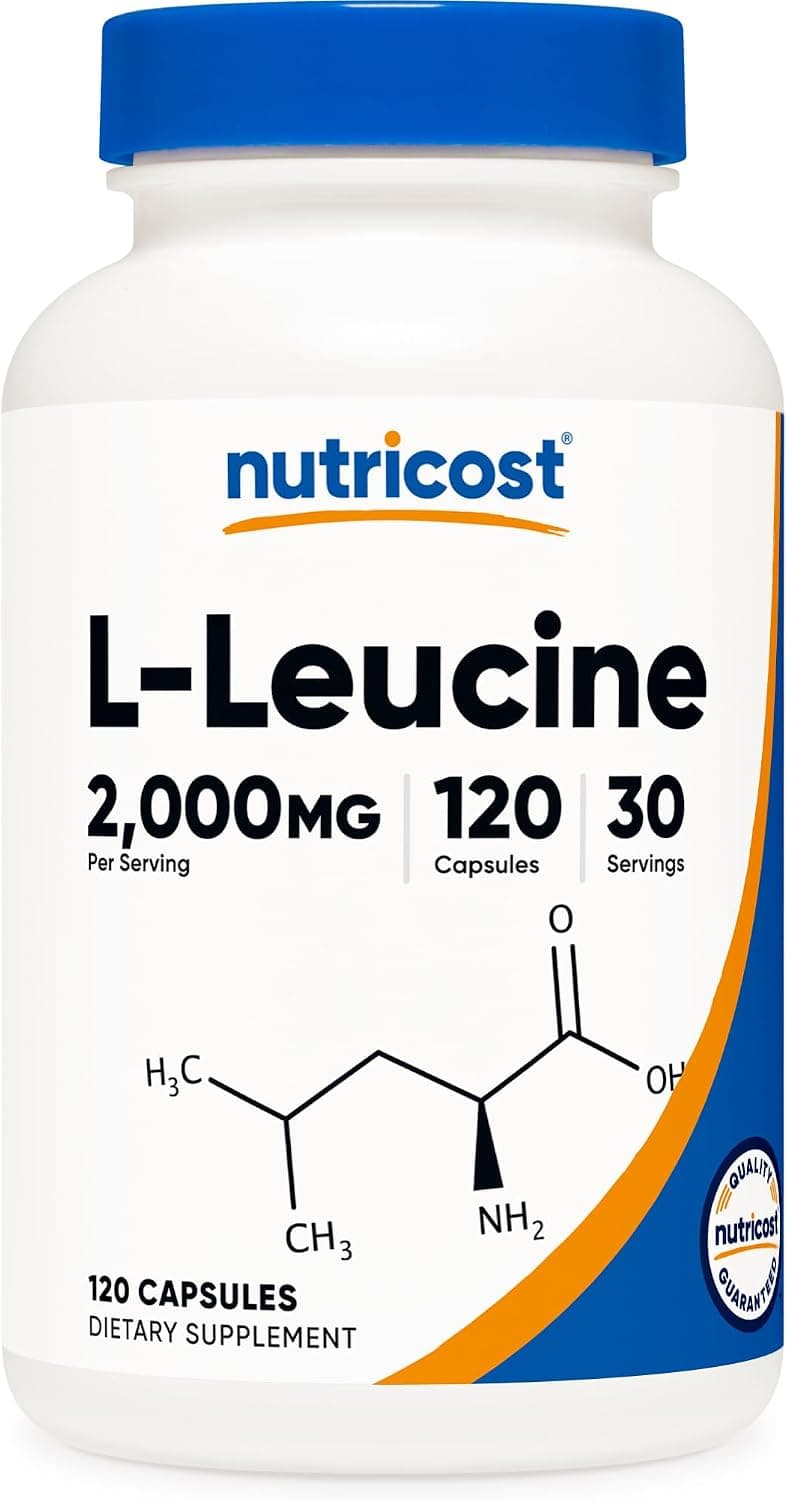
Amazon
Leucine
Amazon
Leucine
Research
- 2005first citedA leucine-supplemented diet restores the defective postprandial inhibition of proteasome-depend…
- 2012controlled trialDetermination of the tolerable upper intake level of leucine in acute dietary studies in young…
- 2015most recentPotent anti-seizure effects of D-leucine.
- 1.Effects of leucine and its metabolite β-hydroxy-β-methylbutyrate on human skeletal muscle protein metabolism.
- 2.A leucine-supplemented diet restores the defective postprandial inhibition of proteasome-dependent proteolysis in aged rat skeletal muscle.
- 3.Potent anti-seizure effects of D-leucine.
- 4.Determination of the tolerable upper intake level of leucine in acute dietary studies in young men.
4 listed here; entry last updated August 2026
Reviews
My notesprivate to this device
FAQ
Is leucine better than BCAAs?
It's the active ingredient in BCAAs for muscle protein synthesis, so on its own it targets the anabolic trigger more directly.
Do I need it if I eat enough protein?
Probably not; adequate protein already delivers plenty of leucine per meal.
Who benefits most?
Older adults and people on lower-protein or plant-based diets, where hitting the leucine threshold is harder.
How much per dose?
About 2 to 3 g reaches the threshold that maximizes the anabolic signal.
Can leucine alone build muscle?
It flips the switch but you still need the full set of amino acids from protein to actually build tissue.
Limitations of the evidence
- Possible influence on blood sugar regulation
Adverse effects
- Digestive upset with large supplemental amounts
- Raised blood ammonia at very high intakes
Notes and cautions
- Generally well tolerated at dietary intakes
- May compete with other branched-chain amino acids