
Article and paper data contributed by Molecular
spec sheet15 rows
Testosterone is the principal androgen and male sex hormone, a C19 steroid produced mainly by the Leydig cells of the testes in men and in smaller amounts by the ovaries and adrenal glands in women. It drives development of male reproductive tissue and secondary sexual characteristics and supports muscle and bone mass, red-blood-cell production, libido, and sperm formation. Synthesized in the body from cholesterol, testosterone is also manufactured as a medicine, used chiefly as replacement therapy for male hypogonadism, and is regulated as an anabolic-androgenic steroid because of its potential for misuse [1].
- The reference androgen; everything else is measured against it
- Drives muscle growth, strength and faster recovery
- Restores libido, drive and sexual function
- Lifts mood and general sense of well being
- Supports bone density and red blood cell production
- Genuine medicine when levels are low and a doctor is involved
- Worsening of sleep apnea
Overview
Testosterone is a steroid hormone of the androgen group and the main male sex hormone, with the molecular formula C19H28O2. It is built in the body from cholesterol through a series of enzymatic steps and is secreted mostly by the Leydig cells of the testes; the ovaries and the adrenal cortex produce lesser amounts, and during pregnancy the placenta contributes as well. Circulating testosterone is largely bound to proteins such as sex hormone-binding globulin and albumin, leaving a small free fraction that is biologically active. Its output is governed by the hypothalamic-pituitary-gonadal axis, in which gonadotropin-releasing hormone prompts the pituitary to release luteinizing hormone, which in turn stimulates the testes, with rising testosterone feeding back to restrain the system.
The hormone has wide-ranging effects across the life course. Before birth and during puberty it directs formation of the male genital tract and external genitalia and the emergence of secondary sexual characteristics such as facial and body hair, deepening of the voice, and growth of muscle and bone. In adults it helps maintain sperm production, sexual desire and function, muscle protein synthesis, bone mineral density, and red-blood-cell formation, and it influences mood, energy, and aspects of metabolism [1]. Testosterone concentrations are much higher in men than in women and tend to decline gradually with age.
Testosterone was first isolated and chemically characterized in the mid-1930s, and its laboratory synthesis was achieved in 1935 by chemists including Adolf Butenandt and Leopold Ruzicka, work later recognized with a Nobel Prize. As a medicine it is used mainly to treat hypogonadism, a state of clinically low testosterone with matching symptoms, and professional guidelines recommend confirming both consistent symptoms and repeatedly low morning blood levels before starting therapy [1]. In symptomatic older men, a coordinated set of randomized trials found that raising testosterone from moderately low into the mid-normal range produced modest gains in sexual activity and desire and small improvements in mood, with no clear benefit for vitality or walking distance [2]. A later large safety trial in men with hypogonadism who had or were at high risk of heart disease reported that replacement therapy was not inferior to placebo for major cardiac events, while noting more atrial fibrillation, pulmonary embolism, and acute kidney injury in the testosterone group [3].
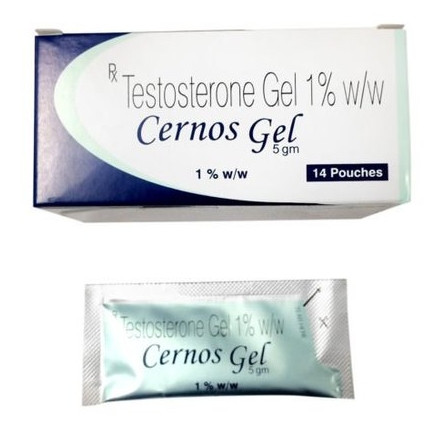
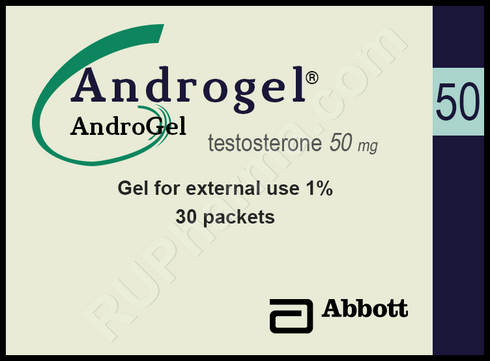
Medical testosterone is supplied in several forms, including injections, skin gels, patches, and other preparations, and it appears on the World Health Organization's list of essential medicines. Because it can be misused to build muscle and enhance athletic performance, testosterone and related anabolic-androgenic steroids are controlled substances in many countries and are banned by sporting authorities. Guidelines advise against beginning therapy in men seeking near-term fertility or with conditions such as prostate or breast cancer, and recommend monitoring of symptoms, blood testosterone, red-cell count, and prostate health during treatment [1].
Mechanism
Testosterone produces most of its effects by acting as a for the , a nuclear receptor found in many tissues. Free testosterone enters cells and either binds the receptor directly or is first converted to a more potent product; the hormone-receptor complex then moves into the cell nucleus and regulates transcription of androgen-responsive genes, changing which proteins the cell makes.
Two enzymatic conversions shape its activity. The enzyme 5-alpha-reductase converts testosterone to dihydrotestosterone, a stronger androgen that mediates many effects in the prostate, skin, and hair follicles, while the enzyme aromatase converts testosterone to estradiol, an important for bone maturation, certain brain effects, and feedback control of the reproductive axis [1].
Through these pathways testosterone promotes protein synthesis and the growth of muscle and bone, supports spermatogenesis within the testes, and drives the development and upkeep of male sexual characteristics and libido.
Its secretion is held in check by negative feedback: testosterone and its suppress release of gonadotropin-releasing hormone and luteinizing hormone, so supplying testosterone from outside the body lowers the body's own production and can reduce sperm output, one reason therapy is avoided when fertility is desired [1]. When used as replacement in men with genuine deficiency, the aim is to restore blood concentrations toward the mid-normal range and thereby relieve symptoms [1][2], while the broader safety of that approach, including cardiovascular outcomes, has been examined in large trials [3].
receptor fingerprint
agonist
Muscle protein synthesisraises
Erythropoiesis / bone / moodsupports
Safetyrisks and cautions, not medical advice
Supraphysiologic exogenous testosterone reliably suppresses the hypothalamic-pituitary-gonadal axis, shrinking the testes and impairing endogenous production and fertility; a post-cycle recovery protocol is generally needed to restore natural output. It drives erythrocytosis (elevated hematocrit) that raises blood viscosity and thrombotic risk, and it unfavorably shifts the lipid profile by lowering HDL and can raise blood pressure.
Aromatization to estradiol can cause gynecomastia, water retention, and mood swings, while excess androgen load contributes to acne, male-pattern hair loss, and prostate stimulation. Injectable esters spare the liver, but overall cardiovascular strain, polycythemia, and endocrine suppression are the dominant documented risks. Users with cardiovascular disease, uncontrolled hypertension, prostate or breast cancer, or a desire for near-term fertility face the greatest hazard.
Interactionsdocumented pairs only, not exhaustive
Testosterone can potentiate oral anticoagulants; the label documents increased sensitivity to warfarin with a need to reduce anticoagulant dose and monitor INR, an effect attributed to changes in clotting-factor synthesis and warfarin dynamics. Because androgens can improve insulin sensitivity and lower blood glucose, co-administration with insulin or other antidiabetic agents may require dose reduction to avoid hypoglycemia. Concurrent corticosteroids or ACTH increase the risk of fluid retention and edema, particularly in patients with cardiac or hepatic disease. Oral 17-alpha-alkylated forms add hepatotoxicity risk with other hepatotoxic drugs, and testosterone may alter thyroid-binding globulin and related lab values. This is research information, not medical advice.
Checking a whole stack? Run it through interactions + stacks.
History
Testosterone was first isolated in 1935 by a Dutch-led group of Karoly David, E. Dingemanse, J. Freud and Ernst Laqueur, who purified the hormone from testicular extract and coined its name. Later that same year it was chemically synthesized independently by Leopold Ruzicka with A. Wettstein and by Adolf Butenandt, work for which Ruzicka and Butenandt shared the 1939 Nobel Prize in Chemistry. The synthesis opened the door to modern endocrinology and to therapeutic use of sex hormones. From the mid-twentieth century testosterone and its esters entered clinical use for hypogonadism and later became central to both hormone-replacement medicine and, off-label, athletic performance enhancement.
Subjective profileweighing the evidence above
The reference androgen, and legitimate medicine when levels are genuinely low and a doctor is involved. Supraphysiologic use is a different proposition: it suppresses your own production and fertility, raises hematocrit, lowers HDL and can worsen sleep apnea. It calls for monitoring, not casual use.
Resources
Don't even think about it.
Research
- 1974first citedUtilization of oxygen and reduced nicotinamide adenine dinucleotide phosphate by human placenta…
- 2014most active year3 papers
- 2016controlled trialEffects of Testosterone Treatment in Older Men.
- 2023most recentCardiovascular Safety of Testosterone-Replacement Therapy.
- 1.Testosterone Therapy in Men With Hypogonadism: An Endocrine Society Clinical Practice Guideline.
- 2.Effects of Testosterone Treatment in Older Men.
- 3.Cardiovascular Safety of Testosterone-Replacement Therapy.
- 4.Testosterone induces erythrocytosis via increased erythropoietin and suppressed hepcidin: evidence for a new erythropoietin/hemoglobin set point
- 5.Hematocrit and the risk of cardiovascular disease--the Framingham study: a 34-year follow-up
- 6.Rheology of the absolute polycythaemias
- 7.Stalled cerebral capillary blood flow in mouse models of essential thrombocythemia and polycythemia vera revealed by in vivo two-photon imaging
- 8.A comparative study of the effect of the dose and exposure duration of anabolic androgenic steroids on behavior, cholinergic regulation, and oxidative stress in rats
- 9.Human steroid biosynthesis, metabolism and excretion are differentially reflected by serum and urine steroid metabolomes: A comprehensive review
- 10.Human hydroxysteroid dehydrogenases and pre-receptor regulation: insights into inhibitor design and evaluation
- 11.Utilization of oxygen and reduced nicotinamide adenine dinucleotide phosphate by human placental microsomes during aromatization of androstenedione
- 12.Structural basis for androgen specificity and oestrogen synthesis in human aromatase
18 listed here; entry last updated August 2026
Reviews
My notesprivate to this device
FAQ
What is testosterone's main role?
It is the primary male androgen and drives muscle, strength, libido, and various aspects of mood and well-being.
Why do half-lives differ so much?
Different esters like propionate, enanthate, or cypionate release the hormone at different rates.
Is it monitored during use?
Bloodwork is commonly used to track hormone levels, red blood cells, and other markers over time.
Does the body's own production change?
Exogenous testosterone can suppress the body's natural production while it is being used.
Adverse effects
- Worsening of sleep apnea
Notes and cautions
- Acne or oily skin
- Increased red blood cell count
- Testicular shrinkage and reduced fertility with external use
- Fluid retention
- Mood changes
- The rise in haematocrit is not a side issue; testosterone increases erythropoietin and suppresses hepcidin, which is the mechanism by which red cell mass climbs [4]. Haematocrit is in turn associated with cardiovascular risk in long-running population data [5], and blood viscosity rises steeply once the packed cell volume is high [6].