
spec sheet13 rows
Arimidex is a brand name for anastrozole, a nonsteroidal aromatase inhibitor used mainly to treat hormone-receptor-positive breast cancer in postmenopausal women. By blocking the aromatase enzyme it sharply lowers the body's estrogen, slowing cancers that depend on estrogen to grow, and it is used as adjuvant therapy after surgery, for advanced disease, and, as shown in the IBIS-II trial, for prevention in high-risk women. Its common side effects, including joint pain, hot flashes, and bone thinning, are direct consequences of that profound estrogen suppression, which is also the basis of concern about effects on cognition.
- Sharp, reliable estrogen control
- Cuts water retention and puffiness
- Fewer estrogenic side effects overall
- Nonsteroidal aromatase inhibitor with serious clinical pedigree
- Drier, leaner look when estrogen runs high
- Deep estrogen suppression carries bone and joint costs
- Joint and muscle pain
- Bone thinning and higher fracture risk
- Fatigue or mood changes
Overview
Anastrozole, sold under the brand name Arimidex, is a third-generation nonsteroidal aromatase inhibitor. Chemically it is a triazole compound, related to other azole aromatase inhibitors such as letrozole. It works by shutting down the enzyme aromatase, which the body uses to make estrogen, and it is now widely available as a generic medicine.
The drug was patented in the late 1980s by the company that became AstraZeneca and was approved for medical use in 1995. It was among the aromatase inhibitors that reshaped hormone therapy for breast cancer, in many settings displacing the older drug tamoxifen for postmenopausal women.
Anastrozole is used chiefly for breast cancers that carry hormone (estrogen or progesterone) receptors. It serves as adjuvant treatment after surgery to reduce the chance of recurrence, as treatment for advanced or metastatic disease, and for prevention in postmenopausal women at high risk. Its evidence rests on large randomized trials. The ATAC trial compared anastrozole with tamoxifen as adjuvant therapy and found, at five years and again at ten years of follow-up, that anastrozole improved disease-free survival and reduced recurrence in hormone-receptor-positive patients [1][2]. The IBIS-II prevention trial showed that anastrozole roughly halved the incidence of breast cancer in high-risk postmenopausal women compared with placebo [3].
Because it works by lowering estrogen, anastrozole's side effects mirror an estrogen-deficient state: hot flashes, joint and muscle aches, vaginal dryness, and, importantly, accelerated bone loss that can raise the risk of osteoporosis and fractures. Compared with tamoxifen it tends to cause fewer blood clots and uterine problems but more bone and joint effects [1]. It is not used in pregnancy.
Anastrozole is a prescription medicine taken by mouth. It is highly effective at suppressing estrogen production, with studies showing near-complete inhibition of aromatase activity at standard doses [4]. Off-label, it has been used in other estrogen-related situations, including in some men and adolescents, though such uses are more limited and specialized.
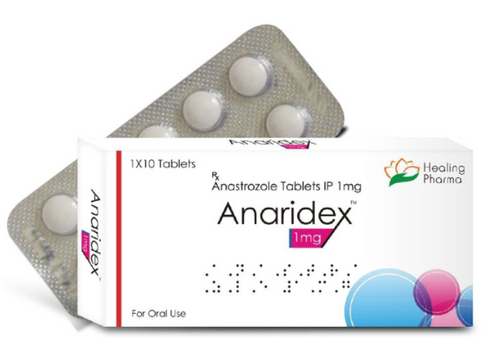

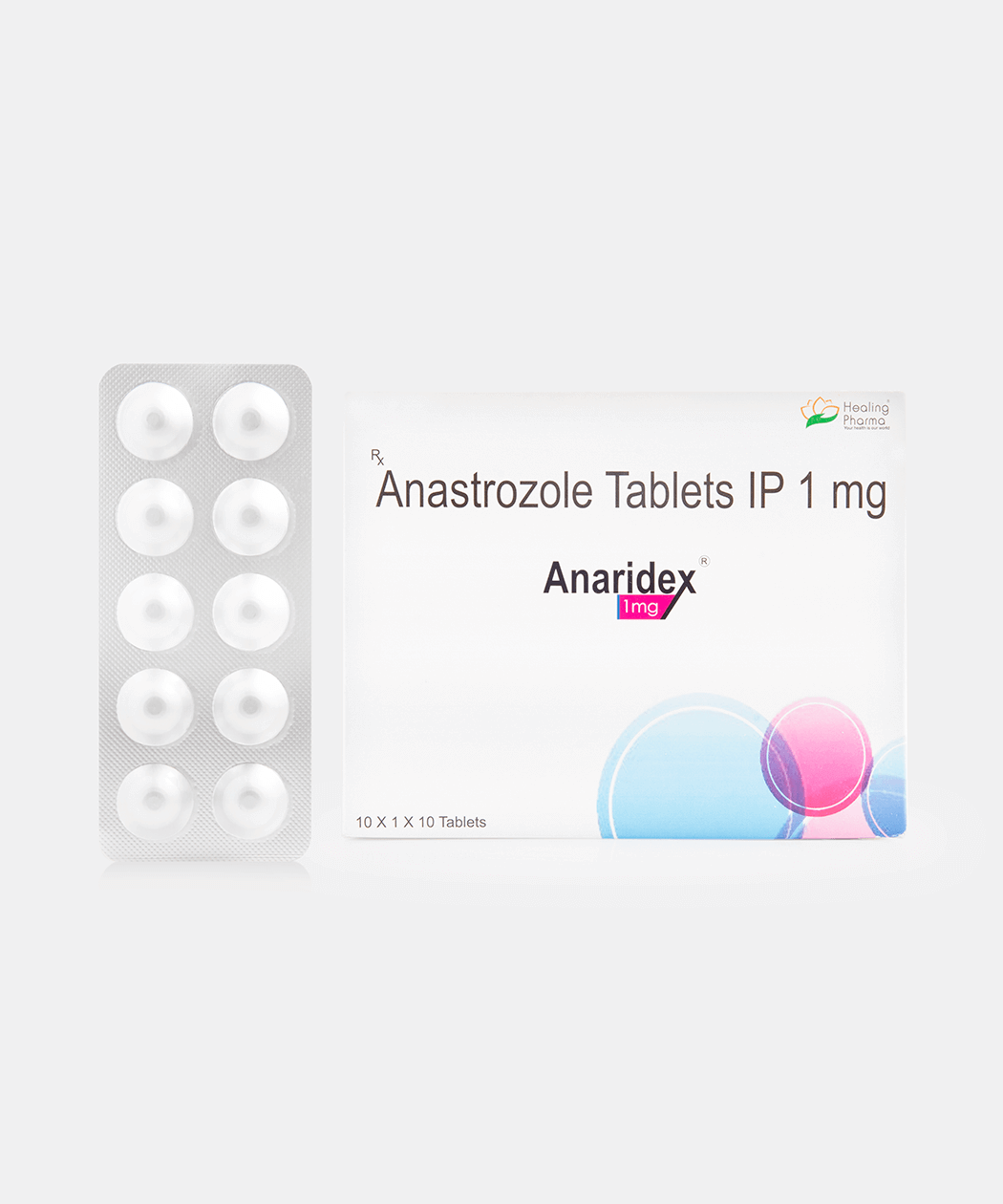
- In postmenopausal women, anastrozole can lower circulating estrogen by roughly ninety percent or more, because most estrogen at that stage is made not by the ovaries but by aromatase acting in fat and other peripheral tissues.
- The IBIS-II prevention trial found that the protective effect against breast cancer persisted for years after women stopped taking the drug, suggesting a lasting benefit beyond the treatment period.
Mechanism
Anastrozole reversibly binds the aromatase enzyme, a member of the cytochrome P450 family that catalyzes the final step in synthesis, the conversion of androgens into estrogens [4]. In postmenopausal women, whose ovaries no longer produce much , most remaining estrogen is made this way in peripheral tissues such as fat, so inhibiting aromatase produces a large drop in circulating estrogen.
Deprived of the that stimulates their growth, hormone-receptor-positive breast cancer cells slow or stop proliferating, which is the basis for the drug's benefit in treatment and prevention [1][3]. Because it does not itself carry a steroid structure, anastrozole competes with the natural substrate at the enzyme rather than being converted into a hormone, and it achieves near-maximal suppression of at standard doses [4]. The same profound suppression accounts for its characteristic effects on bone and joints.
receptor fingerprint
Aromatase enzymenon-steroidal inhibitor
Estradiol / reduces
Testosterone-to- conversionblocks
Dosingtypical ranges, not medical advice
interested in protocols and clinical dosages? make an account to see them! ^_^
Safetyrisks and cautions, not medical advice
Arimidex (anastrozole) is an aromatase inhibitor that lowers estrogen, and estrogen suppression commonly causes hot flashes, joint and muscle pain, and fatigue while reducing bone mineral density, which raises the risk of osteoporosis and fractures with prolonged use. It can also worsen the lipid profile and cause headache and mood changes, and excessive estrogen suppression carries its own harms. It is contraindicated in pregnancy.
Interactionsdocumented pairs only, not exhaustive
Anastrozole inhibits cytochrome P450 3A4 (CYP3A4), potentially altering the clearance of drugs metabolized by this pathway. In clinical studies, concomitant use with substrates of CYP3A4 such as abemaciclib resulted in markedly increased systemic exposure; carriers of CYP3A4 loss-of-function alleles experience higher anastrozole concentrations than those with full enzyme activity, suggesting genotype-dependent effects. [20] [21] Herbal supplements containing CYP3A4 inhibitors have been shown to substantially increase anastrozole exposure; in rat studies, psoralen pretreatment raised the peak concentration from 56.74 ng/mL to 83.26 ng/mL and extended the half-life from 10.8 hours to 14.3 hours while decreasing systemic clearance. [22]
Checking a whole stack? Run it through interactions + stacks.
History
Anastrozole, marketed as Arimidex, was developed by the pharmaceutical company Zeneca, later part of AstraZeneca, as a potent nonsteroidal aromatase inhibitor. It received United States Food and Drug Administration approval in 1995, initially for advanced breast cancer in postmenopausal women whose disease had progressed on tamoxifen. The large ATAC trial, comparing anastrozole with tamoxifen as adjuvant therapy after surgery, supported its move to first-line use in early hormone-receptor-positive breast cancer. Its role in prevention was later established by the IBIS-II trial, whose long-term results, published in 2020, showed a durable reduction in breast cancer incidence among high-risk postmenopausal women.
Reputation
Anastrozole is regarded as a cornerstone of endocrine therapy for postmenopausal, hormone-receptor-positive breast cancer, prized for its profound and reliable suppression of estrogen. Many oncologists favor it for both adjuvant treatment and, in selected high-risk women, prevention, where trial data show meaningful reductions in new cancers. Patients generally find once-daily dosing convenient, and the drug's benefits on recurrence are well documented. Its reputation is tempered honestly by the side effects that follow from deep estrogen deprivation, notably joint pain, hot flashes, and accelerated bone loss, which prompt many clinicians to monitor bone density and offer supportive measures.
Subjective profileweighing the evidence above
A serious cancer drug that works exactly as advertised, which is the problem when it gets used casually to control estrogen on cycle. Crushing estrogen costs joints, lipids and bone density, and prolonged use raises fracture risk. Supervised use with bloodwork, or not at all.
Where to buy


Suppliers
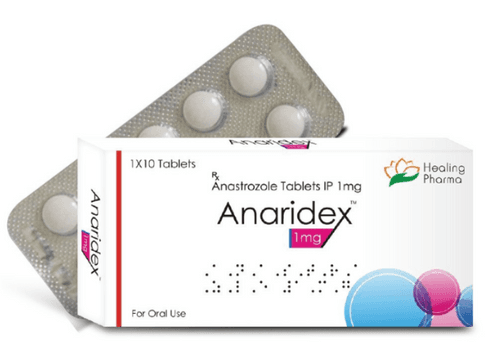
Vendors carrying Arimidex, with live product details and codes. Links are affiliate links that support the wiki at no cost to you.
RUPharma🌐
Anastrozole
RUPharma🌐
Anastrozole
PCT.Zone
Arimidex
Research
- 1974first citedUtilization of oxygen and reduced nicotinamide adenine dinucleotide phosphate by human placenta…
- 2005most active year4 papers
- 2010controlled trialEffect of anastrozole and tamoxifen as adjuvant treatment for early-stage breast cancer: 10-yea…
- 2026most recentThe Inhibitory Effect of Anastrozole on the Metabolism of Abemaciclib In Vitro and In Vivo.
- 1.Results of the ATAC (Arimidex, Tamoxifen, Alone or in Combination) trial after completion of 5 years' adjuvant treatment for breast cancer
- 2.Effect of anastrozole and tamoxifen as adjuvant treatment for early-stage breast cancer: 10-year analysis of the ATAC trial
- 3.Anastrozole for prevention of breast cancer in high-risk postmenopausal women (IBIS-II): an international, double-blind, randomised placebo-controlled trial.
- 4.Clinical pharmacokinetics of aromatase inhibitors and inactivators
- 5.Use of anastrozole for breast cancer prevention (IBIS-II): long-term results of a randomised controlled trial
- 6.Aromatase inhibition: translation into a successful therapeutic approach
- 7.Aromatase and its inhibitors: significance for breast cancer therapy
- 8.Estrogen deprivation for breast cancer prevention
- 9.Neoadjuvant comparisons of aromatase inhibitors and tamoxifen: pretreatment determinants of response and on-treatment effect
- 10.Life following aromatase inhibitors--where now for endocrine sequencing?
- 11.Genome-wide analysis of aromatase inhibitor-resistant, tamoxifen-resistant, and long-term estrogen-deprived cells reveals a role for estrogen receptor
- 12.Therapeutic observations in MCF-7 aromatase xenografts
24 listed here; entry last updated August 2026
Reviews
My notesprivate to this device
FAQ
What is Arimidex used for?
It is an aromatase inhibitor used medically for breast cancer and, off-label, to control estrogen during steroid cycles.
How does Arimidex work?
It blocks the aromatase enzyme, reducing the conversion of testosterone into estrogen.
Is Arimidex well-researched?
It is an approved medication with substantial clinical research behind its medical uses.
What are the main side effects?
Lowering estrogen too much can cause joint pain, low mood, reduced libido, and bone density concerns.
Adverse effects
- Joint and muscle pain
- Bone thinning and higher fracture risk
- Fatigue or mood changes
Notes and cautions
- Hot flashes
- Vaginal dryness
- Not for use in pregnancy