
spec sheet15 rows
Estradiol, often abbreviated E2, is a steroid hormone and the most potent of the naturally occurring estrogens, the principal group of female sex hormones. Produced chiefly by the ovaries, it governs the development of female secondary sexual characteristics and the menstrual cycle, and it also plays important roles in bone, brain, and cardiovascular health in both sexes. As a medicine it is used in menopausal hormone therapy, hormonal contraception, feminizing hormone therapy for transgender women, and the treatment of certain hormone deficiencies. It is available in many forms, including tablets, patches, gels, and injections.
- the most potent natural estrogen, used as medicine for decades
- hot flashes and night sweats respond quickly
- eases vaginal dryness and restores urinary tissue
- one of the strongest defenses against menopausal bone loss
- sleep and mood often lift right alongside
- patches and gels carry a lower clot risk than tablets
- Can stimulate estrogen-sensitive tissues, raising the risk of certain breast and uterine cancers
- Common effects include breast tenderness, nausea, headache, and fluid retention
Overview
Estradiol is a naturally occurring estrogen, the class of steroid hormones responsible for the development and regulation of the female reproductive system [1][2]. Chemically it is an estrane steroid bearing two hydroxyl groups, the origin of the "diol" in its name and the "2" in the abbreviation E2 [1]. Among the body's three main estrogens, estradiol, estrone, and estriol, estradiol is the most abundant and biologically active during the reproductive years [1].
In women of reproductive age, estradiol is made mainly in the ovarian follicles, where the enzyme aromatase converts androgens into estrogens; smaller amounts are produced in fat, the adrenal glands, the brain, and, in men, the testes [1]. The hormone drives the growth of the breasts and uterus, the widening of the hips, and the characteristic female pattern of fat distribution at puberty, and it orchestrates the menstrual cycle in concert with other hormones [1]. Beyond reproduction, estradiol helps maintain bone density, supports the health of skin and blood vessels, and acts on the brain, which is part of why its decline after menopause is linked to bone loss and other changes [1][2].
As a medication, estradiol is used to relieve the symptoms of menopause, such as hot flashes and vaginal dryness, and to prevent the bone loss that can follow it; professional guidelines note that the balance of benefits and risks depends on a woman's age, time since menopause, and cardiovascular risk factors, and that skin-applied (transdermal) estradiol may carry a lower clotting risk than oral forms [3][4]. Estradiol and its esters are also components of some hormonal contraceptives, a mainstay of feminizing hormone therapy for transgender women, and a treatment for estrogen deficiency in conditions such as hypogonadism [1]. Because its actions on lipids and blood vessels differ by route of administration, research continues into how best to deliver it [4].
Estradiol was first isolated in the 1930s, during the era when the sex hormones were being identified and named, and it was obtained from animal ovaries before methods for its chemical synthesis were developed [1]. It is a prescription medicine available in a wide range of formulations, including oral tablets, sublingual tablets, transdermal patches and gels, vaginal preparations, and injectable esters [1]. Estrogen therapy carries recognized risks: because estradiol can stimulate the growth of estrogen-sensitive tissues, it is associated with an increased risk of certain cancers of the breast and the uterine lining, and, particularly with oral use, with blood clots; for this reason a progestogen is usually added when the uterus is present, and treatment is individualized [1][3].

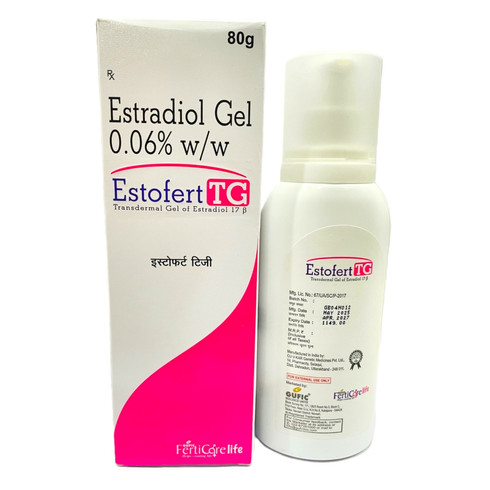

- Estradiol is the most potent of the naturally occurring estrogens, and its name E2 comes from the two hydroxyl groups in its molecular structure.
- The route of administration matters enormously: oral estradiol floods the liver and shifts clotting factors and lipids far more than skin patches or gels, which is why transdermal forms are often favored for clot safety.
- Beyond reproduction, estradiol helps preserve bone by restraining the bone-dissolving cells called osteoclasts, an effect relevant to both women and men.
Mechanism
Estradiol produces most of its effects by acting on receptors, proteins found inside and on the surface of responsive cells [1][4]. The classic receptors, receptor alpha (ERα) and estrogen receptor beta (ERβ), are nuclear receptors: when estradiol binds them, the receptor complex attaches to specific sites on DNA and switches target genes on or off, changing the production of proteins in tissues such as the breast, uterus, bone, and brain [2][4].
Estradiol also engages a membrane-bound receptor known as GPER, which triggers faster, non-genomic signaling [4]. The distribution of these receptors varies from tissue to tissue, so the same hormone can have quite different, and sometimes opposing, effects depending on the target organ and context [2]. The strength and pattern of these effects also depend on how estradiol is given, since the oral route exposes the liver to high hormone levels and shifts the production of clotting factors and lipids more than skin-applied forms do [4].
receptor fingerprint
receptor alphaagonist
Hypothalamic KNDy neuronsmodulates
Bone osteoclastsinhibits
Genitourinary epitheliumactivates
receptor betaagonist
Hepatic protein synthesismodulates
Dosingtypical ranges, not medical advice
interested in protocols and clinical dosages? make an account to see them! ^_^
Safetyrisks and cautions, not medical advice
Estradiol is prescription only. Common effects are breast tenderness, nausea, headache, bloating, and irregular bleeding, especially early on. The serious concerns are a raised risk of blood clots and stroke, more so with oral than skin delivery, gallbladder disease, and, if estrogen is given without a progestogen in someone with a womb, overgrowth or cancer of the womb lining. Long term combined therapy carries a modest increase in breast cancer risk. It is avoided in people with a history of estrogen sensitive cancer, unexplained vaginal bleeding, active clots, or serious liver disease. Timing matters, and it is generally safest when started near the beginning of menopause.
Interactionsdocumented pairs only, not exhaustive
Estradiol and its synthetic analog ethinyl estradiol, when given as oral contraceptives, undergo metabolism primarily through CYP3A4 and CYP2C9. Potent CYP3A4 inducers, particularly carbamazepine, significantly increase the metabolism and reduce the bioavailability of ethinyl estradiol and levonorgestrel [23]; this is a pharmacokinetic interaction where the inducer accelerates clearance. Rifampicin and barbiturates similarly induce estradiol metabolism and reduce circulating levels, though their magnitudes vary. Conversely, CYP3A4 inhibitors may increase estradiol exposure, but the clinical significance of most inhibitor-estradiol pairs remains unstudied; interactions with ketoconazole, itraconazole, and clarithromycin, though theoretically plausible, lack published clinical documentation.
Checking a whole stack? Run it through interactions + stacks.
History
Estradiol belongs to the classical estrogens whose identification in the early twentieth century marked a milestone in endocrinology. The related estrogen estrone was first isolated in crystalline form around 1929 independently by the American biochemist Edward Doisy and the German chemist Adolf Butenandt, and estradiol itself, recognized as the most potent of the naturally occurring estrogens, was isolated by Doisy in the 1930s. Its abbreviation E2 refers to the two hydroxyl groups in its steroid structure, distinguishing it from estrone and estriol.
As the principal estrogen produced by the ovaries, estradiol was found to govern female sexual development and the menstrual cycle, and later to play important roles in bone, brain, and cardiovascular physiology in both sexes. Over the following decades it became a foundation of menopausal hormone therapy, hormonal contraception, and feminizing hormone therapy, delivered through a wide array of formulations including tablets, patches, gels, and injections.
Reputation
Estradiol is regarded as the gold-standard estrogen for hormone therapy, valued because it is chemically identical to the body's own principal estrogen rather than a synthetic substitute. Clinicians and patients often prefer it for menopausal symptom relief, bone protection, and gender-affirming care, and the availability of many delivery routes allows treatment to be tailored to individual needs. Transdermal forms in particular have earned a favorable reputation, since applying estradiol through the skin appears to carry a lower risk of blood clots than swallowing it, which exposes the liver to high hormone levels. Responsible use nonetheless requires attention to individual risk factors and, where the uterus is present, appropriate progestogen coverage. On balance, estradiol is one of the most important and well-characterized hormones in medicine.
Subjective profileweighing the evidence above
Effective, and for the right person near menopause one of the highest-value treatments available; hot flashes, night sweats and bone loss all respond, and skin delivery lowers the clot risk. It needs a prescriber, a progestogen if the uterus is present, and honest accounting of the clot, stroke and breast cancer risks.
Where to buy


Suppliers
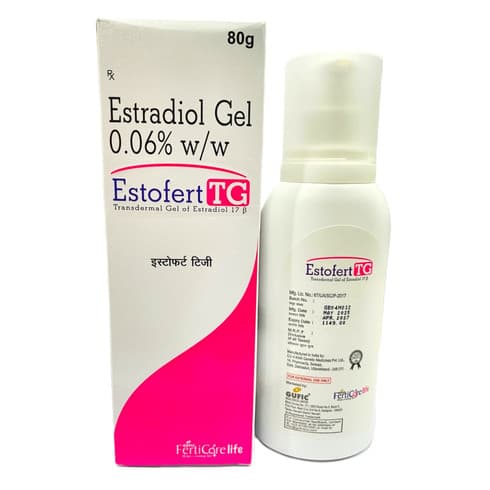
Vendors carrying Estradiol, with live product details and codes. Links are affiliate links that support the wiki at no cost to you.
RUPharma🌐
Estradiol
RUPharma🌐
Estradiol
PCT.Zone
Estradiol
Research
- 2003first citedLimitations of direct estradiol and testosterone immunoassay kits
- 2014most active year3 papers
- 2020meta-analysisSystemic estradiol levels with low-dose vaginal estrogens.
- 2026most recentDifferences in Physiologically Based Pharmacokinetic Predictions between Software Platforms Can…
- 1.Systemic estradiol levels with low-dose vaginal estrogens.
- 2.The complex role of estrogens in inflammation
- 3.American Association of Clinical Endocrinologists and American College of Endocrinology position statement on menopause: 2017 update
- 4.Role of estrogens in the regulation of liver lipid metabolism
- 5.The impact of estradiol on serotonin, glutamate, and dopamine systems
- 6.Non-canonical Estrogen Signaling in Endocrine Resistance
- 7.Estrogens regulate life and death in mitochondria
- 8.The WHI ten year's later: an epidemiologist's view
- 9.The timing hypothesis: Do coronary risks of menopausal hormone therapy vary by age or time since menopause onset?
- 10.Postmenopausal hormone therapy and risk of cardiovascular disease by age and years since menopause
- 11.The timing hypothesis for coronary heart disease prevention with hormone therapy: past, present and future in perspective
- 12.Hormone therapy in menopause: An update on cardiovascular disease considerations
26 listed here; entry last updated August 2026
Reviews
My notesprivate to this device
FAQ
Is a patch safer than a tablet?
For clot risk, yes; skin delivery skips the liver first pass, so patches and gels tend to carry less risk of blood clots than oral estrogen.
Do I need progesterone with estradiol?
If you still have your womb, yes; a progestogen protects the lining from the overgrowth that estrogen alone can cause.
When is the best time to start hormone therapy?
Starting near the onset of menopause, generally within about ten years, gives the best balance of benefit and risk.
Will estradiol help my bones?
Yes; it slows menopausal bone loss and reduces fracture risk, though it is not always the first choice purely for osteoporosis.
How long can I stay on it?
There is no fixed limit; you and your doctor weigh symptoms against risks periodically and use the lowest effective dose.
Adverse effects
- Can stimulate estrogen-sensitive tissues, raising the risk of certain breast and uterine cancers
- Common effects include breast tenderness, nausea, headache, and fluid retention
Notes and cautions
- Oral forms in particular are associated with an increased risk of blood clots
- A progestogen is usually added when the uterus is present to protect the uterine lining