
spec sheet14 rows
Progesterone (P4; pregn-4-ene-3,20-dione) is an endogenous pregnane steroid hormone best known for its reproductive roles and is the prototypical neuroactive precursor within the neurosteroid system. Although the parent hormone signals principally through classical nuclear progesterone receptors and through membrane-associated receptors such as PGRMC1 and the mPR/PAQR family, most of its rapid effects on neuronal excitability arise only after sequential metabolism to 5-alpha-dihydroprogesterone and then to allopregnanolone, one of the most potent endogenous positive allosteric modulators of the GABA-A receptor (the brain's principal inhibitory chloride channel). Progesterone and its metabolites are synthesized within the nervous system itself, where they regulate myelination, neuronal survival, neuroinflammation, and inhibitory tone. It has been studied extensively as a neuroprotective agent, with strong preclinical support but negative large-scale human trials in acute traumatic brain injury.
- The body's own calming steroid hormone
- Converts into allopregnanolone, a potent GABA-A modulator
- Calm that eases the way into sleep
- Neuroprotective across many preclinical injury models
- Builds and repairs myelin, the nerve's insulation
- Central to fertility care and cycle support
- Drowsiness, especially with oral capsules
- Breast tenderness
- Mood changes
Overview
Progesterone is a naturally occurring steroid hormone, chemically pregn-4-ene-3,20-dione, and the principal progestogen in humans. It is synthesized from cholesterol by way of pregnenolone, and in women of reproductive age it is produced mainly by the corpus luteum of the ovary, with the placenta becoming the dominant source during pregnancy and the adrenal glands and nervous tissue contributing smaller amounts [1].
The hormone has wide-ranging physiological roles. Across the menstrual cycle its rise in the second half prepares the endometrium for a possible pregnancy; during pregnancy it supports implantation, calms the muscle of the uterus and helps maintain gestation; and it participates in the development of the breasts [1]. Progesterone is also an active neurosteroid, with effects on the central nervous system that include neuroprotection and support for myelination [1].
As a medication, natural progesterone is used in several settings. In menopausal hormone therapy it is combined with estrogen to protect the lining of the womb from estrogen's stimulating effect [4]; it is used as luteal support in in vitro fertilisation; and it is given to reduce the risk of preterm birth in selected pregnancies. The evidence for the last of these is strong: an individual-patient-data meta-analysis found that vaginal progesterone lowers the risk of preterm birth and improves newborn outcomes in women with a short cervix [2], and the large EPPPIC collaboration confirmed that vaginal progesterone and injectable 17-hydroxyprogesterone caproate reduce early birth in high-risk singleton pregnancies, with the greatest benefit when the cervix is short [3]. Progesterone has also been studied, with less convincing results, in areas such as traumatic brain injury [1].
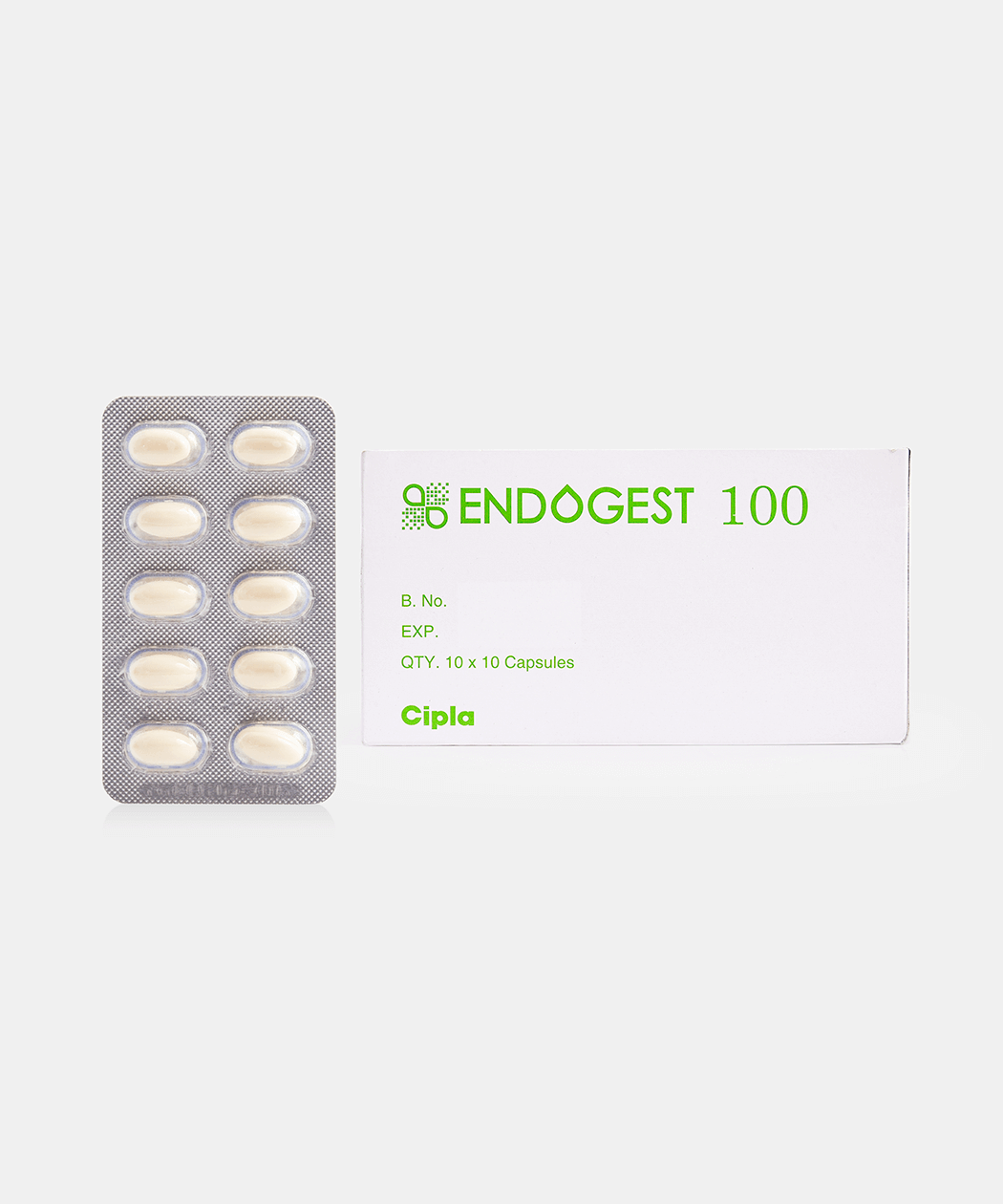
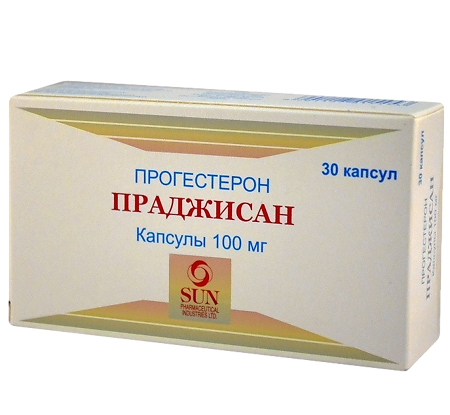
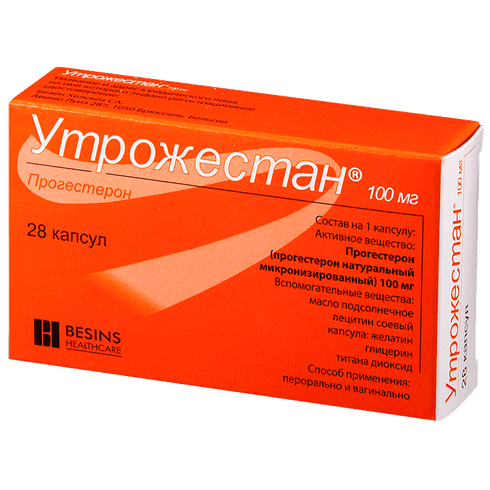
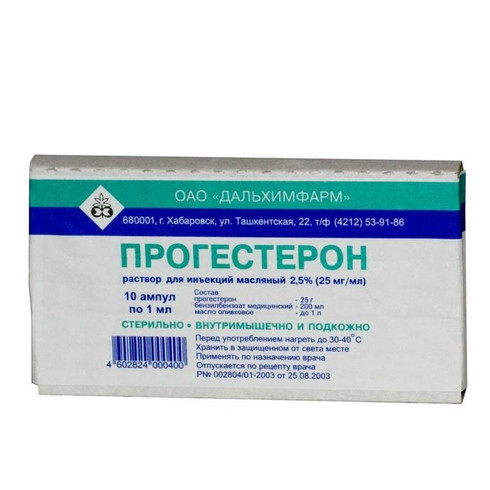
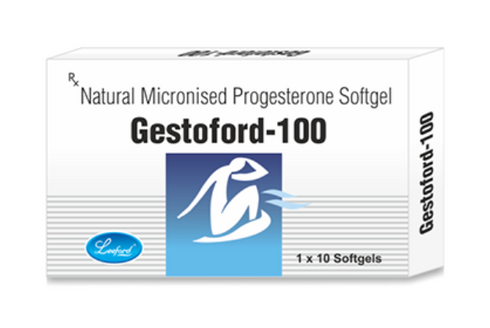
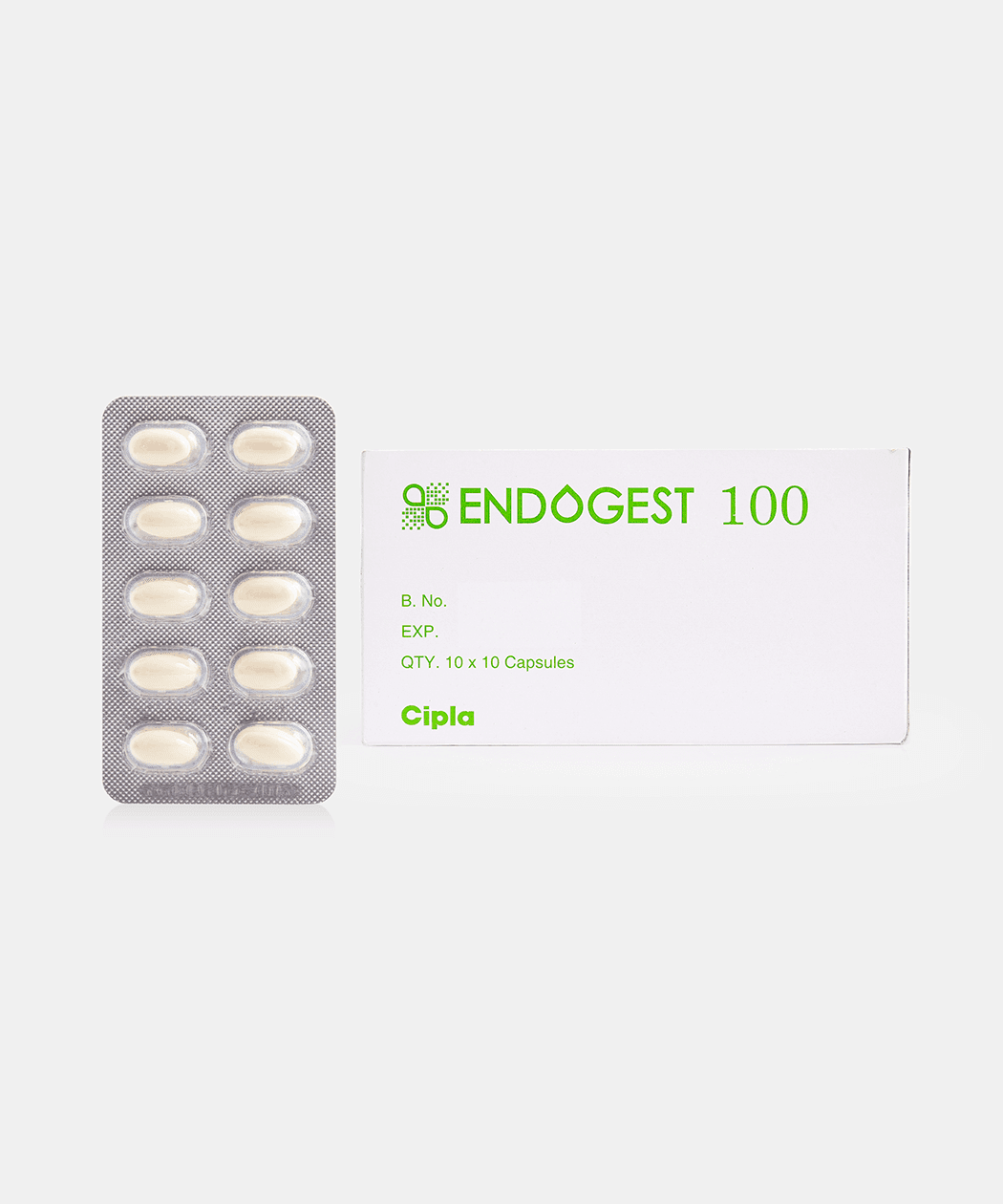
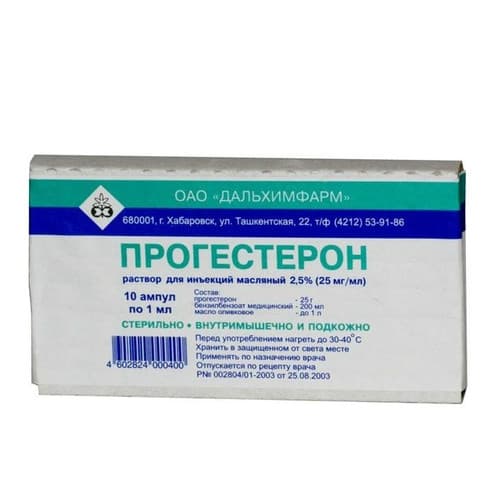
Natural progesterone is a prescription medicine available in several forms, including oral micronized capsules, vaginal gels and pessaries, and injections; because its absorption by mouth is limited, micronized and vaginal preparations are commonly used. It is distinct from the many synthetic progestins used in contraception and other therapies. Side effects tend to be mild and can include drowsiness (particularly with oral capsules), breast tenderness, mood changes and irregular bleeding [1][4].

- Progesterone was isolated in crystalline form in 1934 by several rival laboratories within roughly the same year, one of the classic near-simultaneous discoveries of steroid chemistry.
- Its name is a contraction of progestational steroidal ketone, literally the hormone that favors gestation.
- In women with early pregnancy bleeding and one or more previous miscarriages, high-certainty evidence shows vaginal micronized progesterone increases the live birth rate compared with placebo.
- Hans Selye first reported in 1941 that high doses of progesterone induce reversible surgical anesthesia in rodents, roughly four decades before the term neurosteroid was coined.
- In the rodent brain, most injected progesterone is converted to 5-alpha-dihydroprogesterone within about ten minutes and onward to allopregnanolone within about thirty minutes, so many central effects reflect metabolites rather than the parent hormone.
- Progesterone was among the first endogenous steroids shown to bind sigma receptors; the 1988 finding that it inhibits sigma-receptor binding proposed a molecular link between the endocrine, nervous, and immune systems.
- Catamenial epilepsy is now framed as a neurosteroid withdrawal disorder, in which the premenstrual fall in progesterone and allopregnanolone unmasks benzodiazepine-insensitive GABA-A receptors.
Mechanism
Progesterone is a 21-carbon pregnane steroid that functions both as a classical hormone and as the entry point to the neurosteroid pathway. Its central synthesis begins when cholesterol is imported across the outer membrane by the steroidogenic acute regulatory protein (StAR) together with the 18 kDa translocator protein (TSPO); the cytochrome P450 side-chain cleavage enzyme (CYP11A1, also called P450scc) then converts cholesterol to pregnenolone, which 3-beta-hydroxysteroid dehydrogenase oxidizes to progesterone. Neurons and express this machinery, so progesterone is produced locally in the brain and in peripheral nerve, satisfying the definition of a neurosteroid.
At the receptor level, progesterone acts through several parallel systems. It binds the classical nuclear progesterone receptor isoforms PR-A and PR-B (-activated transcription factors), which in the nervous system regulate genes such as peripheral myelin protein 22 (PMP22) and myelin protein zero (P0). It also engages rapid, non-genomic membrane receptors, including progesterone receptor membrane component 1 (PGRMC1, a heme-binding survival protein enriched in the ) and the membrane progesterone receptors (the mPR/PAQR family), which couple to / and ERK signaling to promote neurite outgrowth, suppress apoptosis, and dampen tumor necrosis factor alpha driven .
The hallmark neuroactive effects, however, are largely -mediated. Progesterone is reduced by 5-alpha-reductase type I to 5-alpha-dihydroprogesterone (5-alpha-DHP), a high-affinity of the nuclear progesterone receptor, and then by 3-alpha-hydroxysteroid dehydrogenase to allopregnanolone (3-alpha,5-alpha-tetrahydroprogesterone). Allopregnanolone is one of the most potent known positive modulators of the -A receptor, with particular potency at extrasynaptic delta-subunit-containing receptors that mediate tonic inhibition (a persistent background dampening of neuronal firing). This axis explains the sedative, anxiolytic, and anticonvulsant tone of the luteal phase and of pregnancy, while its abrupt loss underlies the neurosteroid withdrawal state seen in catamenial epilepsy and postpartum depression, when GABA-A receptors remodel toward benzodiazepine-insensitive alpha-4 and delta subunit compositions.
Progesterone itself is also a relatively high-affinity endogenous of the sigma-1 receptor (a chaperone protein of the endoplasmic reticulum that regulates calcium handling and -receptor tone), where it behaves as an , and it negatively modulates NMDA-type receptors and voltage-gated calcium channels in a way that limits excitotoxic calcium overload. Through these combined genomic, membrane, , and sigma mechanisms, progesterone reduces edema, , and glial activation in injury models and promotes remyelination.
receptor fingerprint
Progesterone receptor (PR-A and PR-B)agonist
Endometriummodulates
Nuclear progesterone receptor (PR-A / PR-B)Agonist
-A receptor (extrasynaptic delta-subunit-containing)Positive allosteric modulator via allopregnanolone
-A receptor (via allopregnanolone)modulates
Hypothalamic pituitary axismodulates
Myometriummodulates
Sigma-1 receptorAntagonist / endogenous ligand
PGRMC1 (progesterone receptor membrane component 1)Binding / agonist
Membrane progesterone receptors (mPR / PAQR)Agonist
receptor and voltage-gated calcium channelsNegative modulator (indirect)
Dosingtypical ranges, not medical advice
interested in protocols and clinical dosages? make an account to see them! ^_^
Safetyrisks and cautions, not medical advice
Progesterone is an endogenous hormone with a long record of clinical use, and systemic administration is normally prescription-controlled. Oral micronized, vaginal, and intramuscular formulations are used in menopausal hormone therapy, luteal support during fertility treatment, and prevention of preterm birth in selected patients.
The most common effects reflect its neurosteroid metabolite allopregnanolone and include drowsiness, dizziness, and sedation, which is why oral dosing is usually scheduled at night. Other effects include breast tenderness, bloating, headache, and menstrual changes. A subset of individuals report negative mood or dysphoria at intermediate neurosteroid concentrations, a biphasic pattern also seen with related GABAergic steroids.
Intravenous progesterone solutions used in the traumatic brain injury trials were associated with an increased rate of phlebitis and thrombophlebitis. Abrupt discontinuation after sustained exposure can transiently raise anxiety and seizure susceptibility through GABA-A receptor subunit remodeling, the so-called neurosteroid withdrawal phenomenon. Transdermal progesterone creams are widely sold over the counter, but their systemic absorption and clinical value are debated, and they are not equivalent to prescribed systemic progesterone. As with any systemic hormone, use should be individualized and medically supervised.
Interactionsdocumented pairs only, not exhaustive
Progesterone is metabolised largely by CYP3A4, and that single fact drives most of its interactions.
Strong CYP3A4 inhibitors raise exposure; ketoconazole increases the bioavailability of oral micronized progesterone, and ritonavir, clarithromycin, itraconazole and grapefruit juice work by the same route. Inducers do the opposite. Rifampicin, carbamazepine, phenytoin, phenobarbital and St John's wort accelerate its clearance and can leave a progestogenic effect too weak to do its job, which matters most where progesterone is providing endometrial protection alongside estrogen.
Oral micronized progesterone is also converted to allopregnanolone, a positive allosteric modulator at GABA-A receptors, which is why it is sedating. That sedation is additive with benzodiazepines, z-drugs, alcohol, opioids and sedating antihistamines, and the combined effect on alertness is larger than either alone. Vaginal progesterone largely bypasses first-pass metabolism and shows less of both effects.
Checking a whole stack? Run it through interactions + stacks.
History
Progesterone was isolated and its structure established in 1934 by several competing groups, and the corpus luteum hormone was soon recognized as essential to gestation. In 1941 Hans Selye reported that large parenteral doses of progesterone and related steroids produced reversible surgical anesthesia in rodents, the first clear hint that pregnane steroids act directly on the nervous system. The modern neurosteroid concept emerged from the work of Etienne-Emile Baulieu and colleagues, who showed in the 1980s that certain steroids persist in the brain independently of the adrenals and gonads.
In 1986 Majewska and coworkers demonstrated that reduced progesterone metabolites are barbiturate-like modulators of the GABA-A receptor, and in 1988 Su and colleagues found that progesterone binds sigma receptors, proposing a bridge between the endocrine, nervous, and immune systems. Through the 1990s and 2000s the groups of Baulieu, Schumacher, Koenig, and De Nicola established progesterone's roles in myelination and neuroprotection.
Encouraging animal data and a positive phase II pilot (ProTECT, 2007) led to two large phase III trauma trials, ProTECT III and SyNAPSe, both reported in 2014 as negative. The underlying pathway nevertheless remains clinically vindicated through the approval of allopregnanolone-based antidepressants for postpartum depression.
Reputation
Progesterone is one of the most important and widely trusted hormones in medicine, indispensable to reproduction and a staple of both fertility treatment and menopausal care. Clinicians regard natural micronized progesterone highly because it is molecularly identical to the body's own hormone, and it is used with confidence to protect the lining of the womb when estrogen is given in hormone therapy.
Its obstetric value is supported by strong evidence: vaginal progesterone can reduce the risk of preterm birth in women with a short cervix and can improve the chance of a live birth in women with early pregnancy bleeding and prior miscarriages. It is honest to note that its benefit is not universal; rigorous reviews find little effect in unselected women, so its advantages are real but specific to the right patients. Backed by decades of use and its place on the WHO essential medicines list, progesterone remains a genuinely essential and well-validated therapy.
Subjective profileweighing the evidence above
Prescribed for specific reasons rather than taken as a general wellness hormone: luteal support in fertility care, and protecting the womb lining during estrogen therapy. Drowsiness from oral capsules is expected and is why it is taken at night; breast tenderness, spotting and mood shifts are common.
Where to buy


Suppliers
Vendors carrying Progesterone, with live product details and codes. Links are affiliate links that support the wiki at no cost to you.
| supplier | size | price | $/mg |
|---|---|---|---|
| PCT.Zonelowest | 200MG | $5.95 | $0.030/mg |
| PCT.Zone | 100MG | $6.04 | $0.060/mg |
PCT.Zone
Progesterone
PCT.Zone
Progesterone
PCT.Zone
Progesterone
PCT.Zone
Progesterone

RUPharma🌐
Progesterone
RUPharma🌐
Progesterone
RUPharma🌐
Progesterone

RUPharma🌐
Progesterone
Research
- 1986first citedSteroid hormone metabolites are barbiturate-like modulators of the GABA receptor.
- 2018meta-analysisVaginal progesterone for preventing preterm birth and adverse perinatal outcomes in singleton g…
- 2021most active year4 papers
- 2025most recentProgestogens in Menopausal Hormone Therapy: A Double-Edged Sword
- 1.Physiology, production and action of progesterone
- 2.Vaginal progesterone for preventing preterm birth and adverse perinatal outcomes in singleton gestations with a short cervix: a meta-analysis of individual patient data.
- 3.Evaluating Progestogens for Preventing Preterm birth International Collaborative (EPPPIC): meta-analysis of individual participant data from randomised controlled trials.
- 4.Menopause
- 5.Neurosteroids and GABA-A Receptor Function
- 6.Tolerance to allopregnanolone with focus on the GABA-A receptor
- 7.Allopregnanolone and mood disorders
- 8.Preclinical and clinical pharmacology of brexanolone (allopregnanolone) for postpartum depression: a landmark journey from concept to clinic in neurosteroid replacement therapy
- 9.Effects of percutaneous estradiol-oral progesterone versus oral conjugated equine estrogens-medroxyprogesterone acetate on breast cell proliferation and bcl-2 protein in healthy women
- 10.Percutaneous estradiol/oral micronized progesterone has less-adverse effects and different gene regulations than oral conjugated equine estrogens/medroxyprogesterone acetate in the breasts of healthy women in vivo
- 11.Progestogens in Menopausal Hormone Therapy: A Double-Edged Sword
- 12.A systematic review and meta-analysis of randomized controlled trials comparing 17-alpha-hydroxyprogesterone caproate versus placebo for the prevention of recurrent preterm birth
30 listed here; entry last updated August 2026
Reviews
My notesprivate to this device
FAQ
Why does progesterone make me sleepy?
The body converts it to allopregnanolone, which acts on calming GABA-A receptors in the brain; taking it at bedtime turns this into a helpful side effect.
Is natural progesterone safer than synthetic progestins?
Evidence suggests micronized progesterone has a gentler profile for the breast and blood vessels than some synthetic progestins, though it is not risk free.
Should I take it by mouth or vaginally?
Both work; vaginal use delivers more hormone straight to the womb with less drowsiness, while oral capsules are simpler for menopausal therapy.
Can I drink alcohol with it?
Alcohol can deepen the drowsiness from oral progesterone, so it is best kept to a minimum, especially near bedtime dosing.
Do I still get a period on progesterone?
It depends on the regimen; cyclical use often brings on a monthly bleed, while continuous use with estrogen usually leads to no bleeding over time.
Is progesterone itself a neurosteroid?
sort of by proxy. progesterone crosses into the brain and is converted there into allopregnanolone and pregnanolone, which are potent GABA-A boosters. so much of progesterone's calming, sleepy, anti-anxiety and anti-seizure feel comes not from the progesterone receptor but from these neurosteroid metabolites acting on GABA-A.
Why can progesterone affect seizures and mood across the cycle?
because its neurosteroid metabolite allopregnanolone rises and falls with it. when progesterone (and thus allopregnanolone) drops, GABA-A inhibitory tone falls, which is linked to catamenial (cycle-linked) seizures and premenstrual mood changes. this is the same biology behind the neurosteroid antidepressants brexanolone and zuranolone.
Is progesterone itself active at the GABA-A receptor?
Progesterone binds the classical nuclear progesterone receptor, but its calming GABAergic actions are indirect. It must first be reduced to 5-alpha-dihydroprogesterone and then to allopregnanolone, which is the potent positive allosteric modulator of the GABA-A receptor.
Why did progesterone fail in traumatic brain injury trials if animal data were so promising?
Two large phase III trials, ProTECT III and SyNAPSe, both reported in 2014, found no benefit over placebo despite years of encouraging rodent work. Proposed explanations include the heterogeneity of human injury, differences in dosing and timing, and the general translational gap that has defeated most neuroprotection trials.
What is the difference between progesterone and allopregnanolone?
Progesterone is the parent hormone and a precursor; allopregnanolone (also called 3-alpha,5-alpha-tetrahydroprogesterone) is its 5-alpha-reduced, 3-alpha-hydroxy metabolite and the molecule responsible for most of the rapid sedative, anxiolytic, and anticonvulsant neurosteroid effects.
Is progesterone neuroprotective in humans?
It is robustly neuroprotective and promyelinating in animal models, but human clinical trials in acute brain injury have been negative. Its clearest clinical neurological benefit to date is in the perimenstrual subset of catamenial epilepsy.
How does progesterone relate to the antidepressant brexanolone?
Brexanolone is a pharmaceutical formulation of allopregnanolone, the same progesterone metabolite. The neurosteroid withdrawal that follows the sharp postpartum drop in progesterone-derived allopregnanolone is a leading explanation for postpartum depression, which brexanolone was developed to treat.
Adverse effects
- Drowsiness, especially with oral capsules
- Breast tenderness
- Mood changes
- Irregular spotting or bleeding
- Dizziness or bloating
- Sedation, drowsiness, and dizziness, largely attributable to the allopregnanolone metabolite acting on GABA-A receptors
- Paradoxical or negative mood in a subset of individuals, reflecting the biphasic effects of GABAergic neurosteroids at intermediate concentrations
- Breast tenderness, bloating, headache, and menstrual changes with systemic use
- Intravenous progesterone formulations used in trauma trials were associated with phlebitis and thrombophlebitis
- Abrupt withdrawal after sustained exposure can transiently raise anxiety and seizure susceptibility through GABA-A receptor subunit remodeling (the neurosteroid withdrawal phenomenon)
Notes and cautions
- Large phase III trials found no cognitive or functional benefit in acute traumatic brain injury despite strong preclinical data