
spec sheet12 rows
Fulvestrant is an anticancer medicine of the selective estrogen receptor degrader (SERD) class, used to treat hormone receptor-positive breast cancer. Unlike drugs that merely block the estrogen receptor, it binds the receptor and triggers its destruction, shutting down estrogen signalling in tumour cells. Given as a monthly intramuscular injection and sold under the brand name Faslodex, it is used mainly in postmenopausal women with advanced or metastatic disease, often alongside targeted drugs called CDK4/6 inhibitors. It was the first drug of its kind to be approved, reaching the market in 2002.
- Treats hormone receptor-positive breast cancer
- Degrades the estrogen receptor instead of merely blocking it
- Still works after other hormone therapies have failed
- Pairs with CDK4/6 inhibitors in advanced disease
- One monthly intramuscular injection, nothing daily to remember
- The first drug of its class, approved back in 2002
- Injection site reactions
- Hot flushes, joint and muscle aches
- Nausea and fatigue
Overview
Fulvestrant is an antiestrogen drug and the first approved example of a selective estrogen receptor degrader, or SERD [1][2]. Chemically it is a synthetic steroid closely related to the natural hormone estradiol, modified with a long side chain ending in a fluorinated group; its formula is C32H47F5O3S [1]. Unlike the more familiar antiestrogen tamoxifen, which acts as a partial agonist in some tissues, fulvestrant is a pure antagonist with no estrogen-like activity of its own [3]. Because it is poorly absorbed by mouth and is cleared very slowly, it is given as an intramuscular injection in an oily solution and remains active in the body for weeks, allowing monthly dosing [2][3].
The drug was developed by the pharmaceutical company AstraZeneca and approved by the United States Food and Drug Administration in 2002, followed by approval in the European Union in 2004, under the brand name Faslodex [1]. It was notable as the first of a new class of endocrine agents that destroy the estrogen receptor rather than simply blocking it [1]. Over time the recommended regimen was revised to a higher monthly dose with initial loading injections, which achieves therapeutic levels more quickly and works better than the original lower dose [3].
Fulvestrant is used to treat breast cancers that depend on hormones for their growth, specifically hormone receptor-positive disease in postmenopausal women [1][3]. It was first established as a treatment for advanced or metastatic breast cancer that had progressed after other endocrine therapy, and it is also combined with targeted CDK4/6 inhibitors for estrogen receptor-positive, HER2-negative advanced disease [1]. In the FALCON trial, which compared fulvestrant with the aromatase inhibitor anastrozole in women who had not previously received hormonal therapy, fulvestrant lengthened the time before the cancer worsened, supporting its use as a first-line option in suitable patients [4]. Its slow, steady pharmacology and lack of meaningful interactions with drug-metabolising liver enzymes are practical advantages [2].
Fulvestrant is generally well tolerated [3]. The most common side effects include reactions at the injection site, hot flushes, joint and muscle aches, nausea, and fatigue [3][4]. In direct comparison, joint problems were actually less frequent with fulvestrant than with the aromatase inhibitor anastrozole [3]. Because it is given by injection into muscle, it is administered by a healthcare professional, and treatment continues for as long as it keeps the cancer in check [1][3].
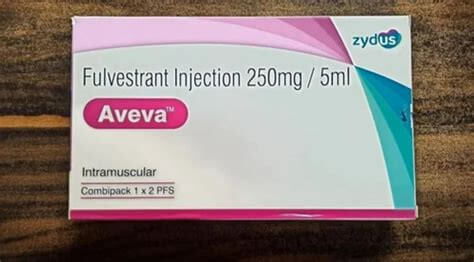
- Fulvestrant was the first drug of its kind, a selective estrogen receptor degrader that destroys the receptor rather than simply blocking it.
- The CONFIRM trial showed that a 500 mg dose outperformed the original 250 mg regimen, changing standard practice.
- Its success as an injectable degrader inspired the current race to develop oral estrogen receptor degraders such as elacestrant.
Mechanism
fuels the growth of hormone-dependent breast cancers by acting through the estrogen receptor, a protein inside tumour cells that switches on genes driving cell division [1][3]. Fulvestrant binds tightly to this receptor and, unlike tamoxifen, produces no activating signal at all [3]. Beyond simply occupying the receptor, it destabilises it, causing the protein to misfold and be broken down by the cell's own disposal machinery, so that the overall amount of receptor in the cell falls [1]. It also impairs the receptor's ability to pair up and move into the nucleus where it would normally act on DNA [1].
The result is a near-complete shutdown of signalling in the cancer cell, reducing levels of both the estrogen receptor and the progesterone receptor and starving the tumour of its hormonal growth signal [1][3]. This blend of blocking the receptor, driving its destruction, and keeping it from reaching the DNA is what earns fulvestrant its description as a pure antiestrogen [1][3]. Because it lowers the total amount of receptor rather than simply competing with oestrogen for it, its effect does not rely on outcompeting the hormone, an advantage in tumours that have already learned to resist drugs which merely occupy the receptor [1][3].
receptor fingerprint
receptor alphaantagonist
receptor protein stabilityblocks
Receptor dimerization and nuclear entryblocks
responsive gene transcriptioninhibits
Dosingtypical ranges, not medical advice
interested in protocols and clinical dosages? make an account to see them! ^_^
Safetyrisks and cautions, not medical advice
Fulvestrant is a prescription oncology medicine. The most common side effects are injection site pain, hot flashes, nausea, fatigue, joint and muscle aches, and headache, and it can raise liver enzymes. Because it is given as a deep intramuscular injection, it must be used with care in people with low platelets or bleeding disorders or on blood thinners. It can harm a developing fetus, so it is not used in pregnancy and effective contraception is advised. Liver impairment can raise drug levels, so dosing may need adjustment.
Interactionsdocumented pairs only, not exhaustive
When ipatasertib was combined with palbociclib and fulvestrant in breast cancer patients, ipatasertib plasma exposure increased substantially; AUC increased 68% and Cmax increased 49% compared to ipatasertib monotherapy [5]. This is a pharmacokinetic interaction mediated by palbociclib, which is a weak CYP3A inhibitor; fulvestrant itself does not appear to drive the effect. The exact contribution of each agent to the interaction was not separately quantified. Fulvestrant interaction data with other CYP3A4 substrates or inhibitors beyond this combination study remains sparse in the published literature.
Checking a whole stack? Run it through interactions + stacks.
History
Fulvestrant was developed by the pharmaceutical company ICI, later Zeneca and then AstraZeneca, where medicinal chemists including Alan Wakeling set out to create a pure antiestrogen free of the partial estrogen-like activity that limited tamoxifen. The result, originally designated ICI 182,780, was a steroidal analogue of estradiol carrying a long alkylsulfinyl side chain that not only blocks the estrogen receptor but destabilises it and marks it for destruction.
This made fulvestrant the first of a new drug class, the selective estrogen receptor degraders, and it reached the market in 2002 under the brand name Faslodex. It was approved for hormone receptor-positive breast cancer in postmenopausal women, initially for disease that had progressed on other endocrine therapy. Over the following two decades it became a backbone of advanced breast-cancer treatment, particularly in combination with the newer CDK4/6 inhibitors and targeted agents.
Reputation
Fulvestrant is well respected in oncology as the original selective estrogen receptor degrader and as a drug that retains activity in tumours that have grown resistant to tamoxifen or aromatase inhibitors, precisely because it destroys the receptor rather than merely blocking it. Its role expanded considerably once large trials paired it with CDK4/6 inhibitors and with the PI3K inhibitor alpelisib, combinations that meaningfully extended disease control in advanced hormone receptor-positive breast cancer.
Clinicians candidly note practical limitations: it must be given as bulky monthly intramuscular injections, its higher and more effective 500 mg dose was established only after the CONFIRM trial, and its use is centred on postmenopausal patients. Its mechanism has also served as the template for a new generation of oral degraders now entering practice. Within its sphere it remains a valued and enduring agent.
Subjective profileweighing the evidence above
A serious oncology medicine with no lifestyle use whatsoever. Degrading the estrogen receptor rather than merely blocking it is why it still works after other hormone therapies fail, and that value comes with monthly deep intramuscular injections and specialist supervision.
Where to buy
Suppliers
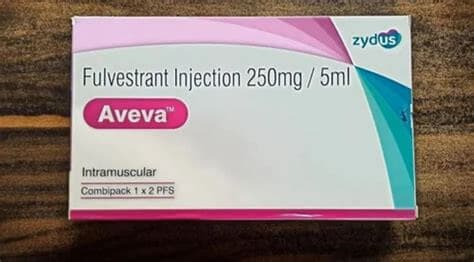
Vendors carrying Fulvestrant, with live product details and codes. Links are affiliate links that support the wiki at no cost to you.
PCT.Zone
Fulvestrant
Research
- 2002first citedFulvestrant.
- 2016controlled trialFulvestrant 500 mg versus anastrozole 1 mg for hormone receptor-positive advanced breast cancer…
- 2025most recentPharmacokinetics, safety and tolerability of ipatasertib in combination with palbociclib and fu…
- 1.Fulvestrant.
- 2.Fulvestrant: pharmacokinetics and pharmacology
- 3.Fulvestrant: a review of its use in the management of hormone receptor-positive metastatic breast cancer in postmenopausal women
- 4.Fulvestrant 500 mg versus anastrozole 1 mg for hormone receptor-positive advanced breast cancer (FALCON): an international, randomised, double-blind, phase 3 trial
- 5.Pharmacokinetics, safety and tolerability of ipatasertib in combination with palbociclib and fulvestrant in patients with advanced breast cancer in a phase Ib study.
5 listed here; entry last updated August 2026
Reviews
My notesprivate to this device
FAQ
How is fulvestrant different from tamoxifen?
Tamoxifen only blocks the estrogen receptor and has some estrogen like effects, while fulvestrant blocks it and actually destroys it, with no estrogen like activity.
Why is it given as an injection instead of a pill?
The molecule is poorly absorbed by mouth, so it is given as a slow intramuscular depot injection that releases over the month.
Why two injections each time?
The full 500 mg dose is split into two 250 mg injections, one in each buttock, to deliver the needed amount comfortably.
Can it be combined with other cancer drugs?
Yes, it is often combined with CDK4/6 inhibitors like palbociclib, which improves how long it controls the cancer.
Does it cause menopause symptoms?
Because it blocks estrogen, hot flashes and joint aches are common, similar to what happens with other hormone lowering treatments.
Adverse effects
- Injection site reactions
- Hot flushes, joint and muscle aches
- Nausea and fatigue
Notes and cautions
- Given by intramuscular injection by a healthcare professional