
spec sheet10 rows
Follitropin alfa is a manufactured version of human follicle-stimulating hormone (FSH), the hormone that drives the growth of egg-containing follicles in the ovaries. It is made using recombinant DNA technology, in which cells engineered to carry the human FSH gene produce the hormone, and it is given by injection. Best known under the brand name Gonal-f, it is used mainly in fertility treatment to stimulate the ovaries for procedures such as in vitro fertilisation, and it can also treat some forms of infertility in men. Studies find it works about as well as older FSH products purified from urine.
- recombinant human FSH, the backbone of modern IVF
- drives follicle growth for ovulation induction
- highly consistent purity from recombinant DNA manufacturing
- precise weight based dosing a specialist can titrate
- matches older urine derived FSH on effectiveness
- also used for some forms of male infertility
- Ovarian hyperstimulation syndrome, ranging from bloating to rarely serious illness
- Increased chance of a multiple pregnancy
- Injection site reactions and lower abdominal fullness or tenderness
Overview
Follitropin alfa is a recombinant form of follicle-stimulating hormone, one of the gonadotropins, the hormones released by the pituitary gland that govern the reproductive glands [1]. FSH itself is a glycoprotein, a protein decorated with sugar chains, and follitropin alfa reproduces the human hormone by growing it in cultured mammalian cells that have been genetically engineered to make it [1][2]. This recombinant approach yields a consistent, highly purified product, in contrast to earlier gonadotropin preparations that were extracted from the urine of donors [2]. Because it is a protein, it would be broken down if swallowed and so is administered by injection under the skin [1].
Recombinant FSH was developed to provide a purer and more standardised alternative to urine-derived hormones [2]. Follitropin alfa was first approved in Europe in the mid-1990s and is sold chiefly under the brand name Gonal-f [1]. A number of biosimilar versions have since been introduced, such as Ovaleap and Bemfola, and it is also combined with recombinant luteinising hormone in a product used for certain patients [1]. It is closely related to follitropin beta, another recombinant FSH made in a similar way [1].
The hormone is used mainly in the treatment of infertility [1][2]. In women it is given to stimulate the ovaries, either to induce ovulation in those who do not ovulate on their own or, more often, to grow multiple follicles during the controlled ovarian stimulation phase of assisted reproduction such as in vitro fertilisation and intracytoplasmic sperm injection [1][2]. In men with hypogonadotropic hypogonadism, it can be used alongside another hormone to support sperm production [1]. A large Cochrane systematic review comparing recombinant FSH with the older urinary gonadotropins found no meaningful difference between them in live birth rates or in the rate of ovarian hyperstimulation, concluding that the choice between products can reasonably rest on availability, convenience, and cost [2]. Later trials of biosimilar FSH products have used follitropin alfa as the established comparator [3].
The most important risk of FSH treatment is ovarian hyperstimulation syndrome, in which the stimulated ovaries become swollen and leak fluid into the abdomen; this ranges from mild bloating and discomfort to, rarely, a serious condition requiring hospital care [1][2]. Stimulating the growth of several follicles also raises the chance of a multiple pregnancy [1]. More ordinary effects include reactions at the injection site and a sense of fullness or tenderness in the lower abdomen [1]. Treatment is therefore monitored closely with ultrasound scans and hormone measurements so that the ovarian response can be tracked [2].
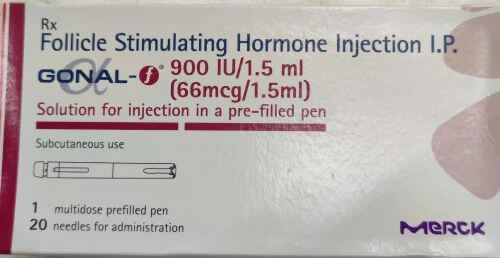
- Before recombinant FSH existed, the hormone was extracted from the urine of postmenopausal women, an approach that famously once relied on donations collected from convents in Italy.
- Follitropin alfa is manufactured in Chinese hamster ovary cells engineered to carry the human FSH genes.
- Because it contains no luteinising hormone activity of its own, the amount of follicle-stimulating signal delivered can be set and fine-tuned with unusual precision.
Mechanism
Follitropin alfa acts exactly as the body's own follicle-stimulating hormone does, by binding to the FSH receptor on the surface of target cells in the gonads [1]. In the ovary these receptors sit on the granulosa cells that surround each developing egg; when the hormone binds, it drives the growth and maturation of ovarian follicles and stimulates them to produce oestrogen, moving one or more eggs toward the point of ovulation [1]. In the testis, FSH receptors on the Sertoli cells support the machinery of sperm production, which is why the hormone can help restore fertility in men who lack their own gonadotropins [1].
By supplying FSH activity from outside the body, follitropin alfa lets clinicians drive follicle development in a controlled way, which is the foundation of ovarian stimulation for assisted reproduction [1][2]. Because the manufactured hormone is essentially identical in action to natural FSH yet carries no luteinising hormone activity of its own, the amount of follicle-stimulating signal delivered can be set precisely and adjusted from one cycle to the next [1][2]. Clinicians follow the response by measuring rising oestrogen in the blood and by watching the follicles enlarge on ultrasound, tailoring treatment to each patient and limiting the chance of an excessive reaction [1][2].
receptor fingerprint
FSH receptoragonist
Ovarian granulosa cellsactivates
Aromatase (estradiol synthesis)activates
Sertoli cellsactivates
Dosingtypical ranges, not medical advice
interested in protocols and clinical dosages? make an account to see them! ^_^
Safetyrisks and cautions, not medical advice
Follitropin alfa is prescription only and used under fertility specialist care. Its key risk is ovarian hyperstimulation syndrome, an overresponse in which the ovaries enlarge and fluid shifts into the abdomen and chest; severe cases bring pain, bloating, clots, and breathing difficulty and need urgent treatment. It also raises the chance of multiple pregnancy. Other effects include injection site reactions, headache, mood changes, breast tenderness, ovarian cysts, and pelvic discomfort. Careful monitoring with ultrasound and blood estradiol lets the team tune the dose to reduce these risks. It is avoided when there is uncontrolled thyroid or adrenal disease, an unexplained ovarian enlargement or cyst, undiagnosed vaginal bleeding, or a hormone-sensitive tumor. Treatment is paused or stopped if the ovaries respond too strongly.
History
Follitropin alfa was developed by the Swiss-Italian company Serono as a recombinant version of human follicle-stimulating hormone, produced in genetically engineered Chinese hamster ovary cells carrying the human FSH genes. Launched under the brand name Gonal-f in the mid-1990s, it represented a major advance over the earlier gonadotropin preparations, which had to be laboriously purified from the urine of postmenopausal women.
Because the recombinant hormone could be manufactured to a consistent purity and delivered free of luteinising hormone activity, clinicians gained the ability to dose follicle-stimulating activity precisely and adjust it from cycle to cycle, a capability central to modern in vitro fertilisation. It quickly became a mainstay of assisted reproduction and is also used to stimulate sperm production in certain forms of male infertility. Its patents having expired, follitropin alfa is now also available as biosimilar products such as Bemfola and Ovaleap.
Reputation
Follitropin alfa is highly regarded in reproductive medicine for the consistency, purity, and precise dosing it brought to ovarian stimulation, qualities that the older urine-derived products could not reliably match. Studies have found it to be at least as effective as those earlier preparations, and its availability in ready-to-use injection pens has made self-administration considerably more manageable for patients undergoing fertility treatment.
The arrival of biosimilar versions has broadened access and introduced price competition. Honest appraisal notes that treatment is not without burden: it requires repeated subcutaneous injections, close monitoring by ultrasound and blood tests, and vigilance for ovarian hyperstimulation syndrome and multiple pregnancy, and the cost of a cycle remains substantial. Within the demanding context of assisted reproduction, however, it is viewed as a dependable and well validated tool.
Subjective profileweighing the evidence above
A precise, well-characterised recombinant FSH and the backbone of ovulation induction and IVF, prescribed and monitored by a fertility specialist rather than chosen off a shelf. The risks that matter, ovarian hyperstimulation and multiple pregnancy, are exactly why the ultrasound and estradiol tracking is not optional.
Where to buy
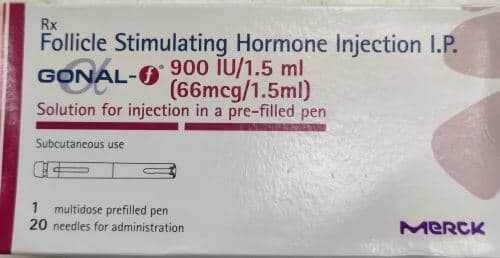
Suppliers
Vendors carrying Follitropin Alfa, with live product details and codes. Links are affiliate links that support the wiki at no cost to you.
PCT.Zone
Follitropin Alfa
Research
- 2011first citedRecombinant versus urinary gonadotrophin for ovarian stimulation in assisted reproductive techn…
- 2025most recentBiosimilars versus the originator of follitropin alfa for ovarian stimulation in ART: a systema…
- 1.Biosimilars versus the originator of follitropin alfa for ovarian stimulation in ART: a systematic review and meta-analysis.
- 2.Recombinant versus urinary gonadotrophin for ovarian stimulation in assisted reproductive technology cycles
- 3.Comparison of recombinant human FSH biosimilar QL1012 with Gonal-f for ovarian stimulation: a phase-three trial
3 listed here; entry last updated August 2026
Reviews
My notesprivate to this device
FAQ
How is follitropin alfa different from urinary FSH?
It is grown in cultured cells rather than purified from urine, giving very consistent purity and potency. Trials find it and urinary FSH broadly comparable for stimulating the ovaries.
What is ovarian hyperstimulation syndrome?
It is an overresponse where the ovaries swell and fluid leaks into the abdomen. Mild cases settle on their own, but severe cases require prompt medical care.
Why do doses vary so much between people?
Ovarian response depends on age, ovarian reserve, and body weight. Ultrasound and estradiol checks let the team adjust your dose to grow the right number of follicles.
Does it come in a pen?
Yes, it is available in prefilled or refillable pens as well as vials, which many people find easier for daily self-injection. Your clinic will show you the technique.
Can it be used in men?
Yes, when infertility stems from a lack of pituitary gonadotropins, it can support sperm production, generally combined with an LH-type hormone. A specialist directs this treatment.
Adverse effects
- Ovarian hyperstimulation syndrome, ranging from bloating to rarely serious illness
- Increased chance of a multiple pregnancy
- Injection site reactions and lower abdominal fullness or tenderness
Notes and cautions
- Requires monitoring with ultrasound and hormone tests