
spec sheet6 rows
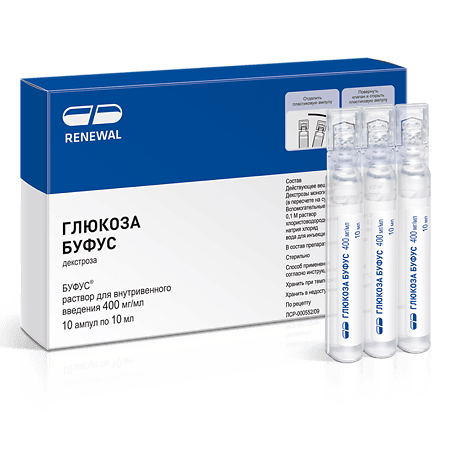
Glucose (Hypertonic Injection) This product is a 40 percent sterile glucose solution in ampoules, the hospital preparation given intravenously for hypoglycaemia, as a diluent for other drugs, or as part of parenteral nutrition.
- Sterile 40 percent glucose in sealed single use ampoules
- The hospital preparation given intravenously for hypoglycaemia
- A standard diluent for other injectable drugs
- Part of parenteral nutrition regimens
- Pharmacy grade sterility straight from the ampoule
- The conventional out-of-hospital rescue dose is a 25 g ampoule of 50% dextrose, chosen to guarantee return of consciousness rather than to titrate glucose [1].
- Pooled across 11 studies, D50 and D10 both resolved hypoglycaemia in about 99% of patients, but D10 caused zero adverse events in 1,057 patients against 13 in 310 D50 patients [1].
- The trade-off is speed and repeat dosing: median resolution took 8.0 minutes with D10 versus 4.1 with D50, and 19.5% needed a second dose versus 8.1% [1].
- At the 10-25% concentrations used in prolotherapy, 14 RCTs in 978 knee osteoarthritis patients showed dextrose beat placebo injection for pain, function and quality of life, with high heterogeneity and bias risk [2].
- In a network meta-analysis of 80 RCTs, dextrose prolotherapy plus physical therapy ranked first of ten injectable regimens for knee pain and function [3].
Mechanism
Glucose needs no mechanism beyond being the body's default fuel; the only pharmacology in this product is osmolarity. At 400 mg per millilitre the solution is far more concentrated than plasma, which is why it must enter a vein with good flow and why extravasation damages the surrounding tissue.
receptor fingerprint
GLUT family facilitative glucose transporters (GLUT1-GLUT4)Substrate; infused glucose reaches brain, muscle and adipose tissue by facilitated diffusion, with GLUT1 supplying the brain independently of insulin
Plasma and interstitial osmolality25-50% solutions are strongly hypertonic and draw water out of cells and interstitium along the osmotic gradient
Venous endothelium and perivascular tissueDirect chemical irritation at 25-50% concentration causing phlebitis, and tissue necrosis on extravasation
Local fibroblast and inflammatory repair response (prolotherapy, 10-25%)Sub-necrotic hyperosmolar injection into joint and periarticular tissue provokes a proliferative healing cascade
Safetyrisks and cautions, not medical advice
a hospital intravenous solution at roughly seven times the tonicity of plasma; it causes tissue necrosis if it leaks out of the vein, and the danger here is the route and the sterile technique rather than the sugar
Subjective profileweighing the evidence above
Nothing about the sugar is interesting; the entire content of this product is the route and the tonicity. Conscious hypoglycaemia is corrected by anything sweet in the mouth, faster than an ampoule can be opened, and the one situation where an intravenous concentration is the answer is a person who cannot swallow, which is also a situation for an ambulance rather than a home injection. At roughly seven times the tonicity of plasma it scleroses veins and causes tissue necrosis wherever it leaks, so a missed vein leaves a wound. It is also bought as a diluent for other things, and sterile technique is the part that goes wrong at a kitchen table.
Where to buy

Suppliers
Vendors carrying Glucose (Hypertonic Injection), with live product details and codes. Links are affiliate links that support the wiki at no cost to you.
RUPharma🌐
Glucose (Hypertonic Injection)
Research
- 2000first citedRandomized prospective double-blind placebo-controlled study of dextrose prolotherapy for knee…
- 2021meta-analysisDextrose 50% versus Dextrose 10% or Dextrose Titration for the Treatment of Out-of-Hospital Hyp…
- 2023most recentComparative Efficacy of Intra-Articular Injection, Physical Therapy, and Combined Treatments on…
- 1.Dextrose 50% versus Dextrose 10% or Dextrose Titration for the Treatment of Out-of-Hospital Hypoglycemia: A Systematic Review.
- 2.Effectiveness, Compliance, and Safety of Dextrose Prolotherapy for Knee Osteoarthritis: A Meta-Analysis and Metaregression of Randomized Controlled Trials.
- 3.Comparative Efficacy of Intra-Articular Injection, Physical Therapy, and Combined Treatments on Pain, Function, and Sarcopenia Indices in Knee Osteoarthritis: A Network Meta-Analysis of Randomized Controlled Trials.
- 4.The Effects of Dextrose Prolotherapy in Symptomatic Knee Osteoarthritis: A Randomized Controlled Study.
- 5.Randomized prospective double-blind placebo-controlled study of dextrose prolotherapy for knee osteoarthritis with or without ACL laxity.
5 listed here; entry last updated August 2026
Reviews
My notesprivate to this device
Notes and cautions
- Hypertonic dextrose at 25-50% is a vesicant: extravasation causes tissue necrosis and peripheral infusion causes chemical phlebitis, so a secure large-bore or central line and a post-dose flush are required, and D50 overshoots plasma glucose by roughly 2.3 mmol/L, driving reactive hypoglycaemia [1].
- In suspected thiamine deficiency from alcohol use disorder, malnutrition or hyperemesis, thiamine must be given before or with glucose to avoid precipitating Wernicke encephalopathy.
- Glucose loading also drives potassium and phosphate intracellularly, unmasking hypokalaemia and refeeding syndrome in the malnourished.