
spec sheet13 rows
Glucosamine is a natural building block of cartilage and one of the most enduring joint supplements, taken by millions for joint comfort and osteoarthritis. Beyond symptom relief, controlled research has shown it can lower C-reactive protein, a real marker of systemic inflammation, and regular users repeatedly turn up in observational data with lower inflammation and better long-term health. Inexpensive, remarkably well tolerated, and low-risk for almost everyone, glucosamine is one of the easiest joint experiments a person can run.
- One of the safest joint experiments a person can run
- Many users get real osteoarthritis relief after two months
- Lowered C-reactive protein in controlled human research
- Regular users show lower inflammation in observational data
- A natural building block of your own cartilage
- Cheap, everywhere, and remarkably well tolerated
- Occasional mild gas or nausea
- Minor blood sugar effects in some people
Overview
Glucosamine is an amino sugar (2-amino-2-deoxy-D-glucose) that serves as a natural precursor for the glycosaminoglycans and proteoglycans that make up cartilage. It is one of the most widely used non-vitamin dietary supplements, marketed primarily for joint pain and osteoarthritis, and is commonly sold as glucosamine sulfate or glucosamine hydrochloride, often paired with chondroitin [3].
Commercial glucosamine is typically manufactured from the chitin of shellfish shells, though fermentation-derived, shellfish-free versions exist. It is taken to support joint comfort and cartilage health, and its long history of use has established a strong tolerability record [1].
Its research applications extend beyond joints into inflammation and epidemiology. A randomized, double-blind, placebo-controlled crossover trial in healthy, overweight adults found that glucosamine plus chondroitin lowered serum C-reactive protein and shifted plasma proteomic pathways related to cytokine activity [1], and an observational biomarker study associated higher supplement use with lower high-sensitivity C-reactive protein and a urinary prostaglandin metabolite [2]. Large observational cohorts have linked regular glucosamine use to lower all-cause mortality and reduced incidence of several cancers and chronic diseases, although careful methodological work shows these associations are vulnerable to selection bias and should be interpreted cautiously [3]. Clinical trials for osteoarthritis symptoms themselves have produced mixed and inconsistent results.
Glucosamine is regulated as a dietary supplement in the United States rather than as an approved drug, though it is licensed as a medicine for osteoarthritis in some other countries. It is inexpensive, widely available, and generally very well tolerated.
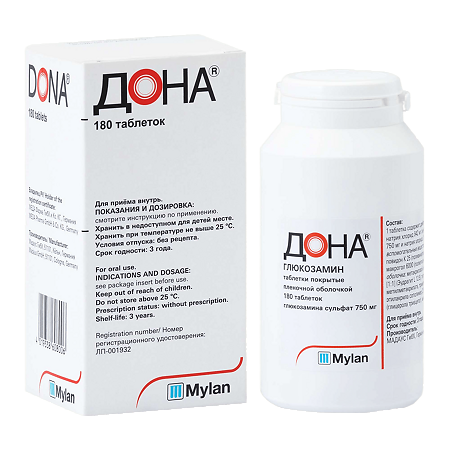
- Glucosamine was first isolated in 1876 by hydrolyzing chitin, the tough material that forms the shells of crabs and shrimp.
- In a randomized, placebo-controlled crossover trial in healthy overweight adults, glucosamine plus chondroitin lowered C-reactive protein by about 23 percent, a real marker of systemic inflammation.
- It is one of the most widely used non-vitamin dietary supplements in the world, taken by millions primarily for joint health.
Mechanism
Glucosamine has endured for decades because it quietly delivers for many people; a natural cartilage building block that a good number of users say improves joint comfort after a couple of months, backed by a measurable anti-inflammatory signal and an excellent safety record.
Two mechanisms are proposed. The first is substrate provision; as an amino sugar, glucosamine supplies raw material for glycosaminoglycan and proteoglycan synthesis in cartilage, the theoretical basis for joint support, although trial evidence that this translates into consistent symptom relief is genuinely mixed [3]. The second, better-supported mechanism is anti-inflammatory; laboratory and animal studies show glucosamine and chondroitin inhibit NF-kB, a central mediator of inflammation, and human data now echo this [1].
The quantitative human signal is the most persuasive part. In a randomized, double-blind, placebo-controlled crossover trial in healthy, overweight adults, glucosamine combined with chondroitin lowered serum C-reactive protein by about 23 percent versus placebo and significantly reduced a plasma -activity pathway [1]. An observational biomarker study found that high users of glucosamine had roughly 28 percent lower high-sensitivity C-reactive protein and about 24 percent lower urinary prostaglandin E2 than non-users [2]. Large cohorts associate regular use with roughly 16 percent lower all-cause mortality, but methodological analysis shows this figure is inflated by selection bias from studying prevalent rather than new users, so the mortality and cancer associations remain unproven even as the inflammation findings hold up [3]. The practical takeaway is a low-risk supplement with a real, if modest, anti-inflammatory effect and person-to-person variation in joint benefit.
receptor fingerprint
NF-kB inflammatory signalingModestly lowers systemic inflammation markers like CRP
Cartilage matrix (glycosaminoglycan synthesis)Provides substrate for cartilage components
Osteoarthritis pain pathwaysSymptom modulation with inconsistent results across trials
Dosingtypical ranges, not medical advice
interested in protocols and clinical dosages? make an account to see them! ^_^
Safetyrisks and cautions, not medical advice
Glucosamine is a widely used joint supplement that is generally well tolerated, with the most common complaints being mild gastrointestinal upset such as nausea or heartburn. Some products are shellfish-derived, which matters for those with shellfish allergy, and glucosamine may enhance the effect of the blood thinner warfarin (raising INR). Effects on blood glucose appear minimal, but caution is reasonable in diabetes.
History
Glucosamine was first prepared and described in 1876 by the German surgeon and scientist Georg Ledderhose, who obtained the amino sugar by hydrolyzing chitin, the material that makes up the shells of crustaceans. For many decades it remained largely a laboratory curiosity, but interest in it as a joint remedy grew through the second half of the twentieth century, particularly in Europe, where glucosamine sulfate preparations became popular for osteoarthritis.
It went on to become one of the most widely used dietary supplements in the world, taken by millions of people for joint comfort, and is available in both sulfate and hydrochloride forms. Its proposed rationale rests on the fact that it is a natural building block of the glycosaminoglycans and proteoglycans that make up cartilage. In more recent years, controlled research shifted attention toward a second, better-supported property: an anti-inflammatory effect, with laboratory and human studies linking it to inhibition of the master inflammatory regulator NF-kB and to measurable reductions in the blood marker C-reactive protein.
Reputation
Glucosamine has endured for decades as one of the most popular joint supplements precisely because it quietly delivers for many people; a good number of long-term users report improved joint comfort after a couple of months of use. Its reputation is strengthened by a genuine, measurable anti-inflammatory signal: a randomized, double-blind, placebo-controlled trial found that glucosamine with chondroitin lowered C-reactive protein by roughly a quarter compared with placebo, and observational studies repeatedly find regular users with lower inflammation markers.
It is inexpensive, remarkably well tolerated, and low-risk for almost everyone, which makes it one of the easiest self-experiments a person can safely run. The honest picture is that its effect on joint pain is inconsistent across clinical trials and varies considerably from person to person, and the eye-catching links to lower mortality in large cohorts are likely inflated by study design and remain unproven. As a low-risk supplement with a real anti-inflammatory effect and a modest, individual joint benefit, it retains a deservedly durable following.
Subjective profileweighing the evidence above
One of the safest joint experiments going, and a good number of people get real osteoarthritis relief after a couple of months on it. Cheap, well tolerated, with a measurable drop in C-reactive protein in controlled work. Check the source if you have a shellfish allergy, and take care alongside warfarin.
Where to buy

1 other outlet

Suppliers
Vendors carrying Glucosamine, with live product details and codes. Links are affiliate links that support the wiki at no cost to you.
RUPharma🌐
Glucosamine Sulfate
Kimera Chems
Glucosamine
Research
- 2014first citedAssociations between glucosamine and chondroitin supplement use and biomarkers of systemic infl…
- 2015controlled trialRandomized trial of glucosamine and chondroitin supplementation on inflammation and oxidative s…
- 2023most recentThe short-term effect of glucosamine-sulfate, nonanimal chondroitin-sulfate, and S-adenosylmeth…
- 1.Randomized trial of glucosamine and chondroitin supplementation on inflammation and oxidative stress biomarkers and plasma proteomics profiles in healthy humans
- 2.Associations between glucosamine and chondroitin supplement use and biomarkers of systemic inflammation
- 3.Glucosamine and lower mortality and cancer incidence: Selection bias in the observational studies
- 4.The short-term effect of glucosamine-sulfate, nonanimal chondroitin-sulfate, and S-adenosylmethionine combination on ultrasonography findings, inflammation, pain, and functionality in patients with knee osteoarthritis: A pilot, double-blind, randomized, placebo-controlled clinical trial.
4 listed here; entry last updated August 2026
Reviews
My notesprivate to this device
FAQ
Does glucosamine actually fix joint pain?
The honest answer is that it depends; some people feel better and some large trials show it barely beats placebo. It is a reasonable low-risk trial for a few months to see if you are a responder.
Does it really lower mortality?
Observational studies suggest an association, but researchers have shown much of that link is likely selection bias from how supplement users differ from non-users. Do not take it as proven life extension.
Sulfate or hydrochloride?
Both are sold; the sulfate form has more of the positive symptom trials behind it, though evidence is still mixed.
Adverse effects
- Occasional mild gas or nausea
- Minor blood sugar effects in some people
Notes and cautions
- Shellfish-derived versions may matter with a shellfish allergy
- Joint benefits vary person to person