
spec sheet11 rows
3,3'-Diindolylmethane (DIM) is the principal acid-condensation product of indole-3-carbinol, formed in the stomach from glucosinolates in cruciferous vegetables such as broccoli, cabbage, and kale. Its most studied action is as a selective aryl hydrocarbon receptor modulator: by engaging the AhR and interacting with estrogen receptor signaling, it influences cytochrome P450 enzymes that direct estrogen metabolism, favoring the 2-hydroxylation pathway over more proliferative metabolites. This dual AhR and estrogen-receptor activity underlies its investigation as a candidate in cancer chemoprevention, alongside reports of antiproliferative and even neuroprotective effects in cell models. The evidence remains largely preclinical and concentration-dependent, with some studies noting that low concentrations can paradoxically stimulate estrogen-receptor-positive cell growth, so its clinical role as a dietary supplement is still being defined.
- The active compound formed from broccoli in the stomach
- Steers estrogen metabolism toward gentler 2-hydroxylation pathways
- Works without adding hormones; it reshapes what already exists
- A favorite for hormonal acne and skin complaints
- Antioxidant and inflammation calming activity alongside the hormone work
- May cause headache or gastrointestinal upset
- Can tint urine a harmless pink or amber color
- May be relevant in estrogen-sensitive conditions or with hormone therapy
Overview
3,3'-Diindolylmethane is a dimeric indole with the formula C17H14N2. It arises when indole-3-carbinol, the breakdown product of the plant compound glucobrassicin, undergoes acid-catalyzed condensation in the stomach; DIM is the predominant product of this reaction and is used as a urinary marker of dietary cruciferous vegetable intake [1][2]. The parent glucosinolate is released when cruciferous vegetables are cut or chewed and the enzyme myrosinase acts on them.
Although DIM originates from ordinary foods, the amounts used in research and supplements far exceed what a normal diet provides; producing supplement-level quantities from food would require eating kilogram amounts of Brussels sprouts, which is why concentrated indole-3-carbinol and DIM preparations are studied instead [1]. Both indole-3-carbinol and DIM shift the way the body processes estrogen, increasing 2-hydroxylation and thereby altering the balance among estrogen metabolites, an effect that underlies much of the interest in breast and prostate applications [1][2].
At the molecular level, the best-characterized action of DIM is modulation of the aryl hydrocarbon receptor, a transcription factor that regulates drug-metabolizing enzymes and that engages in crosstalk with estrogen receptor and Nrf2 signaling [1][3]. In cultured cancer cells DIM has additionally been reported to induce cell cycle arrest and apoptosis and to interfere with epithelial-mesenchymal transition, a process linked to tumor spread, through signaling pathways such as TGF-beta and Notch [4].
DIM and its parent compound are under laboratory and early clinical investigation as chemopreventive agents, with most attention directed at breast and prostate cancer; they have shown activity in preclinical models and have been generally well tolerated with few adverse effects in the clinical trials conducted so far [1]. DIM is not an approved medicine. It is sold over the counter as capsules and tablets, frequently combined with absorption enhancers because the pure compound is poorly soluble in water.

Mechanism
The most established action of DIM is activation and modulation of the aryl hydrocarbon receptor, a -activated transcription factor that induces phase I and phase II drug-metabolizing enzymes and crosstalks with receptor and Nrf2 pathways [1][3]. Through its effects on cytochrome P450 enzymes, DIM shifts metabolism toward 2-hydroxylated products, changing the relative amounts of the various estrogen metabolites [2]. In cell studies it has also been reported to trigger cell cycle arrest and apoptosis and to suppress epithelial-mesenchymal transition by acting on pathways including TGF-beta and Notch signaling [4]. Laboratory work additionally characterizes DIM as a histone deacetylase inhibitor and a weak cannabinoid-receptor .
receptor fingerprint
CYP1A1 (2-hydroxylation)induces
Aryl hydrocarbon receptormodulates
Aromatase / pathwaysmodulates
NF-kB inflammatory signalinginhibits
Cell cycle regulationmodulates
Dosingtypical ranges, not medical advice
interested in protocols and clinical dosages? make an account to see them! ^_^
Safetyrisks and cautions, not medical advice
DIM is generally well tolerated; higher doses can cause headache, GI upset, darker urine, and occasionally changes in menstrual timing. Because it shifts hormone metabolism it should be used cautiously alongside hormonal medications or in hormone-sensitive conditions. Very high doses have been linked to more noticeable side effects, so more isn't better.
Subjective profileweighing the evidence above
A reasonable, non-hormonal way to support estrogen metabolism; useful for some hormonal and skin complaints, but the evidence is still early.
Where to buy
Suppliers
Vendors carrying DIM, with live product details and codes. Links are affiliate links that support the wiki at no cost to you.
Amazon
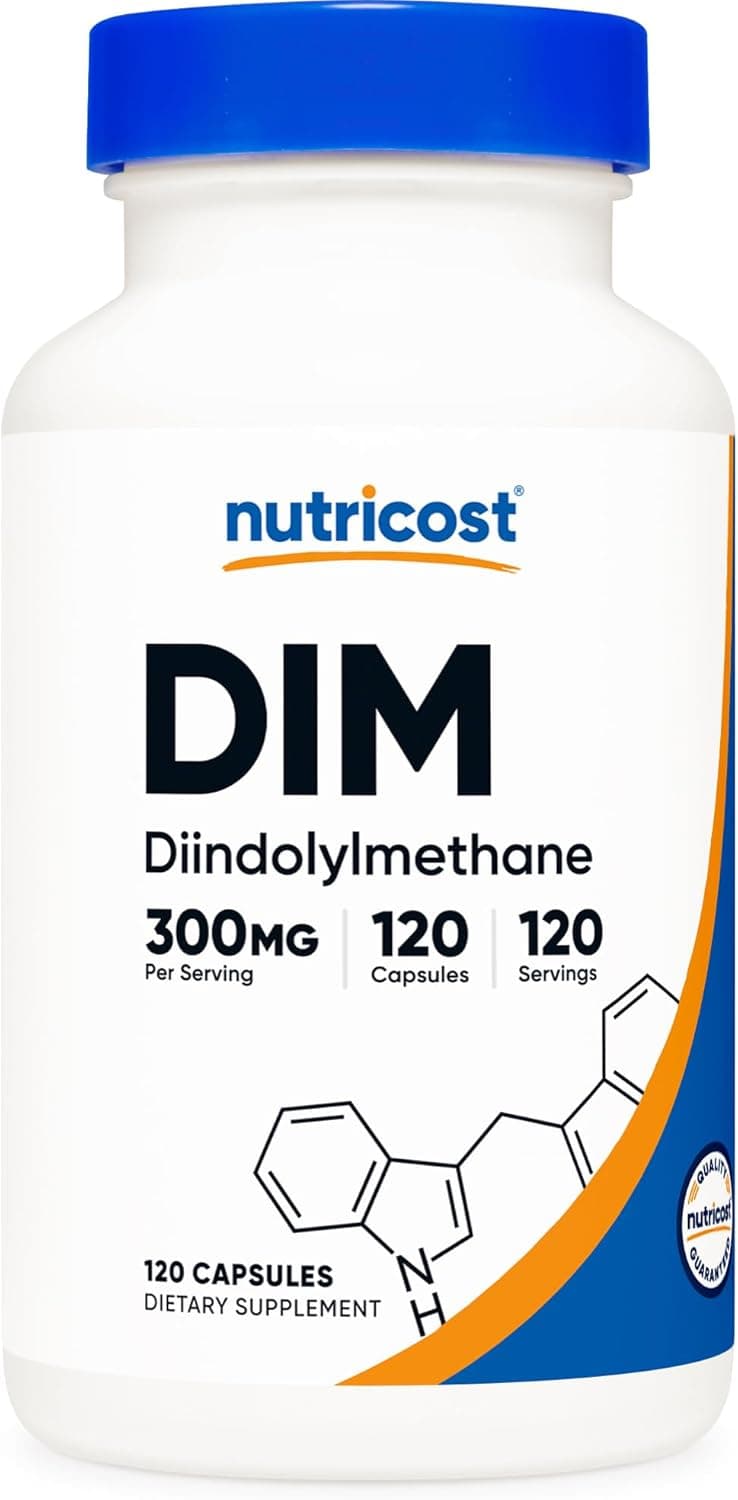
DIM
Research
- 1998first citedAryl hydrocarbon receptor-mediated antiestrogenic and antitumorigenic activity of diindolylmeth…
- 2024most recentThe Aryl Hydrocarbon Receptor and Its Crosstalk: A Chemopreventive Target of Naturally Occurrin…
- 1.Indoles Derived From Glucobrassicin: Cancer Chemoprevention by Indole-3-Carbinol and 3,3'-Diindolylmethane
- 2.The natural chemopreventive compound indole-3-carbinol: state of the science
- 3.The Aryl Hydrocarbon Receptor and Its Crosstalk: A Chemopreventive Target of Naturally Occurring and Modified Phytochemicals
- 4.Roles of Dietary Phytoestrogens on the Regulation of Epithelial-Mesenchymal Transition in Diverse Cancer Metastasis
- 5.Aryl hydrocarbon receptor-mediated antiestrogenic and antitumorigenic activity of diindolylmethane.
- 6.Resveratrol and 3,3'-Diindolylmethane Differentially Regulate Aryl Hydrocarbon Receptor and Estrogen Receptor Alpha Activity through Multiple Transcriptomic Targets in MCF-7 Human Breast Cancer Cells.
- 7.Selective Aryl Hydrocarbon Receptor Modulator 3,3'-Diindolylmethane Impairs AhR and ARNT Signaling and Protects Mouse Neuronal Cells Against Hypoxia.
- 8.Low levels of 3,3'-diindolylmethane activate estrogen receptor α and induce proliferation of breast cancer cells in the absence of estradiol.
- 9.The aryl hydrocarbon receptor and estrogen receptor alpha differentially modulate nuclear factor erythroid-2-related factor 2 transactivation in MCF-7 breast cancer cells.
- 10.Estrogen receptor alpha as a target for indole-3-carbinol.
- 11.Toxic and chemopreventive ligands preferentially activate distinct aryl hydrocarbon receptor pathways: implications for cancer prevention.
- 12.Broccoli-derived phytochemicals indole-3-carbinol and 3,3'-diindolylmethane exerts concentration-dependent pleiotropic effects on prostate cancer cells: comparison with other cancer preventive phytochemicals.
14 listed here; entry last updated August 2026
Reviews
My notesprivate to this device
FAQ
Is DIM a hormone?
No, it doesn't add estrogen or testosterone; it changes how your body metabolizes estrogen.
Why does my urine look darker?
That's a harmless, common effect of DIM and nothing to worry about.
Can men take it?
Yes, some men use it for estrogen balance, though data in men is limited.
How long before I notice anything?
Hormonal and skin effects usually take several weeks, so give it a fair run.
Adverse effects
- May cause headache or gastrointestinal upset
- Can tint urine a harmless pink or amber color
- May be relevant in estrogen-sensitive conditions or with hormone therapy
Notes and cautions
- Generally well tolerated at supplement doses in trials