
spec sheet9 rows
Tart Cherry Extract Tart cherry (Prunus cerasus, usually the Montmorency variety) extract is a whole-fruit polyphenol (a broad class of plant antioxidant compounds) supplement loaded with anthocyanins (the red-purple flavonoid pigments that give the fruit its color) plus a naturally small dose of melatonin (the hormone that signals darkness to your body clock). It reads as a gentle food-derived antioxidant and anti-inflammatory rather than a hard-hitting drug; that mild profile is exactly why people reach for it. The three areas with the most human data are sleep quality, recovery from hard exercise (less soreness, faster return of strength), and lowering uric acid to ease gout. The antioxidant and anti-inflammatory action is the common thread running under all three. It comes as concentrate (a thick juice syrup), powder, or capsules, and potency swings wildly between products; that variability is the single biggest thing to watch.
- The recovery pick: less soreness, faster strength return
- Montmorency concentrate is what the human trials actually used
- Anthocyanin loaded, with a natural trace of melatonin
- Improves sleep quality and total sleep time, especially with age
- Lowers inflammation markers like C-reactive protein
- May lower uric acid and ease gout flares
- Digestive upset, loose stools, or gas from the sorbitol and fruit acids in concentrate at larger doses
- Mild drowsiness given the native melatonin, so best kept to the evening
- Theoretical bleeding-risk interaction for people on anticoagulants
Overview
A food-grade polyphenol supplement; best evidence is for exercise soreness/recovery and modest sleep improvement, with lower-tier support for gout/uric acid. Effects are real but gentle. Standardize on anthocyanin content, not just milligrams.

- Montmorency is a specific tart cherry variety named after a valley in France; it is the one used in most of the published research.
- The deep red-purple color of tart cherries comes from anthocyanins, the same class of pigments found in blueberries and red cabbage.
- About 30 mL of concentrate, the standard research serving, is roughly equivalent to the polyphenols in 90 to 100 whole cherries.
- Tart (sour) cherries and sweet cherries are different species; the sour Prunus cerasus is far richer in the polyphenols that drive these effects.
- Because the fruit carries native melatonin, tart cherry is one of the few whole foods measurably studied for shifting sleep.
Mechanism
The extract works through a bundle of overlapping effects rather than one clean receptor story. The anthocyanins and related polyphenols are the workhorses: they scavenge reactive oxygen species (unstable molecules that damage cells during hard exercise) and dampen inflammatory signaling, in part by inhibiting cyclooxygenase (COX, the same enzyme NSAIDs like ibuprofen block, though tart cherry hits it far more weakly) and by lowering inflammatory messengers such as C-reactive protein (a blood marker of inflammation) and certain interleukins (inflammatory signaling proteins). That antioxidant/anti-inflammatory tone is what plausibly softens post-exercise muscle damage and speeds the return of strength.
For sleep, there are two proposed levers: the fruit carries a small native dose of melatonin, and its polyphenols may increase the availability of tryptophan (the amino acid precursor to and then melatonin) by inhibiting the enzyme indoleamine 2,3-dioxygenase that otherwise diverts tryptophan down another pathway. For gout, the anthocyanins appear to modestly inhibit xanthine oxidase (the enzyme that produces uric acid) and may improve uric acid excretion, lowering the crystal load that triggers attacks. None of these effects are dramatic on their own; the appeal is that several small, aligned nudges add up.
receptor fingerprint
Reactive oxygen species / Scavenging (antioxidant)
Cyclooxygenase (COX-1/COX-2)Mild inhibition
Xanthine oxidaseInhibition
MT1/MT2 melatonin receptorsAgonism via native melatonin
Tryptophan availability (IDO pathway)Increased precursor availability
Evidencehow good the literature is
The evidence is moderate for exercise recovery, modest for sleep, and preliminary for gout. Recovery is the strongest area: multiple randomized trials in runners, cyclists, and resistance-trained subjects show reduced muscle soreness, less strength loss, and lower markers of inflammation and oxidative stress after hard exercise, though effect sizes are moderate and not every study is positive. Sleep is a real but smaller effect; controlled studies in older adults and people with insomnia report modest gains in total sleep time and efficiency, on the order of tens of minutes, which is meaningful but not dramatic. Gout and uric acid rest on the thinnest data: some observational and small interventional work suggests fewer flares and slightly lower uric acid, but the trials are limited and it should be seen as adjunct comfort, not a replacement for urate-lowering medication. Across all three, product variability muddies the picture; studies using standardized Montmorency concentrate are more consistent than those using generic powders. Overall I read it as a low-risk supplement with genuine but gentle benefits, best matched to the recovery and sleep use cases.
Dosingtypical ranges, not medical advice
interested in protocols and clinical dosages? make an account to see them! ^_^
Safetyrisks and cautions, not medical advice
Tart cherry is a food, and the extract has a strong safety record; it is generally well tolerated with no serious toxicity reported at normal supplement doses. The most common complaint is digestive: the concentrate is high in sorbitol and natural fruit acids, so larger servings can cause loose stools, gas, or stomach upset, and the sugar load of the juice matters for anyone watching blood glucose (capsules and low-sugar powders sidestep that).
Because it contains a little melatonin and can be mildly sedating, pairing it with other strong sedatives deserves thought, and the sleep dose belongs in the evening rather than before driving. Theoretical caution around bleeding/anticoagulation exists because polyphenol-rich foods can nudge platelet activity, so if you are on warfarin or another blood thinner, mention it to your prescriber. Kidney-stone-formers should note the fruit's oxalate content. As with any supplement, pregnancy and breastfeeding data are thin, so err toward food amounts there. This is general educational information, not medical advice.
History
Tart cherries have been eaten and preserved for centuries, but their reputation as a functional supplement is recent. Montmorency cherry growers and researchers, particularly in the United States and United Kingdom, began publishing sports-science studies in the late 2000s and 2010s showing reduced muscle damage and soreness in marathon runners and cyclists, which is what put tart cherry concentrate on the map for athletes. Around the same time, small sleep studies in older adults and insomnia patients highlighted its melatonin content and effects on sleep efficiency. The gout and uric acid angle draws on older folk use of cherries for joint pain, later revisited in observational research. Today it sits firmly in the category of food-derived polyphenol supplements marketed for recovery and sleep.
Reputation
Tart cherry enjoys a good reputation as a low-risk, evidence-backed natural supplement, especially among endurance athletes and people looking for a gentle sleep aid. It is often recommended as a food-first alternative to NSAIDs for recovery, and the Montmorency concentrate in particular is trusted because it is the form used in most studies. The main criticisms are honest ones: effects are modest rather than dramatic, the concentrate is sugary, and product potency varies enough that some cheaper powders likely underdeliver. On balance it is a sensible, well-tolerated addition for recovery and sleep, as long as you buy a standardized product and keep expectations realistic.
Subjective profileweighing the evidence above
Worth it if you train hard and want less soreness; recovery is the strongest part of the evidence, and standardised Montmorency concentrate is what the studies used, so buy that rather than a generic powder. The sleep gains are real but small, and large servings will loosen your stools.
Where to buy
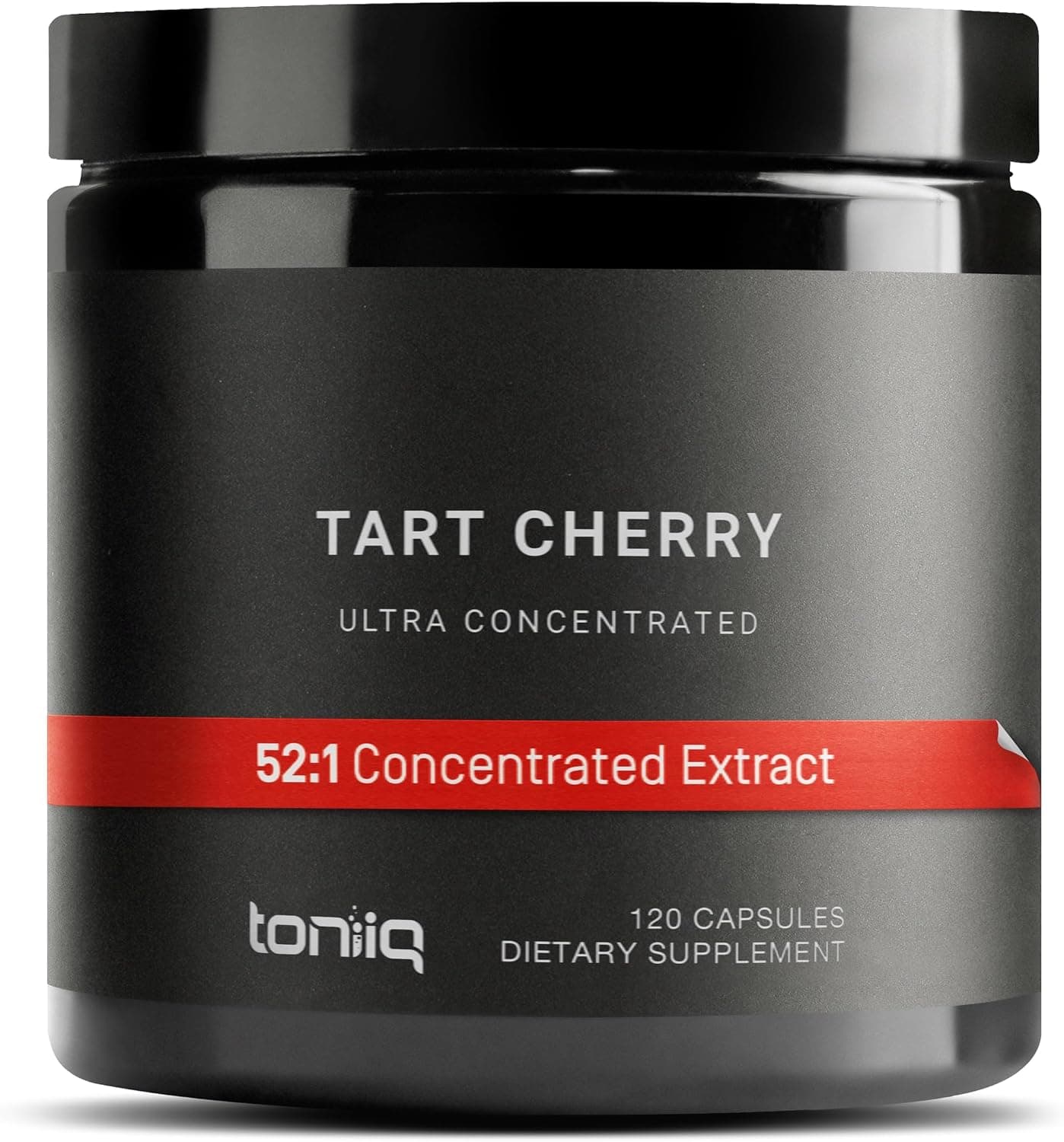
Suppliers
Vendors carrying Tart Cherry Extract, with live product details and codes. Links are affiliate links that support the wiki at no cost to you.
Amazon
Tart Cherry Extract
Research
- 2006first citedEfficacy of a tart cherry juice blend in preventing the symptoms of muscle damage.
- 2019most recentConsumption of 100% Tart Cherry Juice Reduces Serum Urate in Overweight and Obese Adults.
- 1.Efficacy of a tart cherry juice blend in preventing the symptoms of muscle damage.
- 2.Influence of tart cherry juice on indices of recovery following marathon running.
- 3.Effect of tart cherry juice (Prunus cerasus) on melatonin levels and enhanced sleep quality.
- 4.Pilot Study of the Tart Cherry Juice for the Treatment of Insomnia and Investigation of Mechanisms.
- 5.Consumption of 100% Tart Cherry Juice Reduces Serum Urate in Overweight and Obese Adults.
- 6.The Effects of Montmorency Tart Cherry Concentrate Supplementation on Recovery Following Prolonged, Intermittent Exercise.
6 listed here; entry last updated August 2026
Reviews
My notesprivate to this device
FAQ
Is tart cherry extract basically a melatonin supplement?
Not really. It does contain a little natural melatonin, but the amount per serving is small (often well under 0.2 mg), far below a typical melatonin pill. Its sleep benefit seems to come from that small dose plus effects on tryptophan availability and its general anti-inflammatory tone. If you want a strong, predictable melatonin hit, take melatonin directly; tart cherry is a gentler, food-based nudge.
Concentrate, powder, or capsules; which should I buy?
The concentrate is the best-studied form and is what most trials used, but it is sugary and can be laxative in big servings. Capsules and powders are more convenient and lower in sugar, but potency varies a lot. Whatever the form, the labeled anthocyanin content is what matters most; a product that discloses its anthocyanins (ideally 100 mg or more per serving) beats one that only lists a big raw-milligram number.
When should I take it for exercise recovery?
Consistency and pre-loading matter. Most recovery protocols start 4 to 5 days before a hard event, taking it twice daily, and continue 2 to 3 days afterward. The idea is to have the antioxidant and anti-inflammatory tone already built up before the muscle damage happens, rather than reaching for it only after you are already sore.
Will it help my gout?
Possibly, as an adjunct. Some studies suggest fewer flares and slightly lower uric acid, likely through mild xanthine oxidase inhibition, but the evidence is preliminary and effects are modest. It is not a substitute for prescribed urate-lowering therapy; treat it as a low-risk comfort measure alongside whatever your doctor recommends.
Does it work as a general anti-inflammatory like ibuprofen?
It touches the same COX enzyme that NSAIDs block, but much more weakly, so do not expect ibuprofen-level effects. The upside is that it lacks the stomach and kidney risks of regular NSAID use, which makes it appealing for gentle, ongoing support rather than acute pain relief.
Adverse effects
- Digestive upset, loose stools, or gas from the sorbitol and fruit acids in concentrate at larger doses
- Mild drowsiness given the native melatonin, so best kept to the evening
- Theoretical bleeding-risk interaction for people on anticoagulants
Notes and cautions
- Sugar/calorie load from the juice or concentrate, relevant for blood-sugar management
- Oxalate content that may matter for kidney-stone-formers