
spec sheet11 rows
KLOW is a premium four-peptide recovery blend that unites the celebrated GHK-Cu, BPC-157, and TB-500 trio with the anti-inflammatory tripeptide KPV, addressing skin, gut, and connective-tissue repair alongside inflammation in one formulation. Each component contributes a distinct and complementary mechanism: GHK-Cu drives collagen and skin remodeling, BPC-157 supports tendon, ligament, and gut-lining repair, TB-500 promotes cell migration and new blood-vessel growth, and KPV calms the inflammatory signaling that slows healing. For anyone seeking a comprehensive, research-grounded approach to tissue recovery, KLOW is among the most complete blends available.
- Four celebrated repair peptides in one blend
- Collagen and skin remodeling from GHK-Cu
- Tendon, ligament and gut lining support
- Builds fresh blood supply to injured tissue
- Calms the inflammation that stalls healing
- Whole body recovery in a single formulation
- Mild injection-site irritation is possible
- Cumulative copper intake from GHK-Cu is worth monitoring over long-term use
- No controlled human data exist for the exact four-peptide blend
Overview
KLOW is a combination peptide product that brings together four separately studied peptides: the copper-binding tripeptide GHK-Cu, the stable gastric pentadecapeptide BPC-157, the thymosin beta-4 fragment TB-500, and the alpha-MSH-derived tripeptide KPV. The first three are frequently sold together as the GLOW blend, and KLOW extends that concept by adding KPV as a dedicated anti-inflammatory component, so the formulation targets regeneration and inflammation at the same time.
Each ingredient has its own research heritage. GHK-Cu is a naturally occurring human peptide first isolated from plasma and long studied for skin and tissue remodeling [3][4]. BPC-157 is a synthetic fragment related to a protective protein found in gastric juice and has been investigated extensively in animal models of tendon, ligament, muscle, and gut injury [1]. TB-500 corresponds to the active region of thymosin beta-4, an actin-binding peptide shown to accelerate wound closure and angiogenesis [2]. KPV is the C-terminal tripeptide of alpha-melanocyte-stimulating hormone and is studied as a focused anti-inflammatory agent [5].
Because KLOW is a blend rather than a single molecule, published research applies to its individual constituents rather than to the exact combination, and there are no controlled human trials of the specific four-peptide mixture. The components are typically supplied as lyophilized powder for reconstitution and are sold for research purposes; none of the peptides in the blend is an approved drug in most jurisdictions, and GHK-Cu additionally appears widely in topical cosmetic formulations. KLOW is used in recovery, connective-tissue, gut-health, and skin contexts, where its appeal is the convenience of pairing several complementary repair mechanisms in a single vial.
- KPV, the anti-inflammatory member of the blend, is simply the final three amino acids (Lys-Pro-Val) of alpha-melanocyte-stimulating hormone, yet it retains much of the parent hormone's ability to quiet inflammation.
- In classic rat wound-chamber experiments, the GHK-copper complex increased connective-tissue accumulation and stimulated collagen synthesis to roughly twice that of noncollagen protein, helping establish its reputation as a tissue-remodeling peptide.
Mechanism
KLOW combines four peptides whose mechanisms converge on tissue repair while covering different steps of the healing cascade. GHK-Cu is a copper-binding tripeptide (glycyl-L-histidyl-L-lysine) that upregulates synthesis of collagen, elastin, and glycosaminoglycans and shifts gene expression toward a regenerative, anti-inflammatory profile; analyses of its gene activity have documented influence over a wide range of genes involved in tissue remodeling and antioxidant defense [3][4]. BPC-157 promotes angiogenesis and cytoprotection, in part by increasing vascular endothelial growth factor signaling and pathways, and in controlled animal work it restored healing at the myotendinous junction and other connective-tissue sites that otherwise heal poorly [1].
TB-500 delivers the actin-regulating activity of thymosin beta-4, which mobilizes repair cells into damaged tissue and encourages new blood-vessel formation; in a rat full-thickness wound model, thymosin beta-4 increased reepithelialization by about 42 percent at four days and accelerated wound contraction [2]. KPV supplies a dedicated anti-inflammatory brake: it is taken into intestinal and immune cells through the PepT1 transporter and suppresses NF-kB and MAP-kinase signaling, cutting output of pro-inflammatory cytokines, and oral KPV reduced the severity of experimental colitis in mice [5].
Taken together, the blend pairs the collagen-building, angiogenic, and cell-migration engines of the GLOW trio with KPV's inflammation-calming activity. The rationale is that faster matrix synthesis and revascularization proceed more cleanly when the surrounding inflammatory tone is lowered, which is why KLOW is positioned for skin, gut, and connective-tissue recovery.
receptor fingerprint
Collagen / Elastin synthesisupregulates
VEGF / angiogenesispromotes
Actin (cell migration)modulates
NF-kB / inflammatory cytokinesinhibits
Growth factor / NO signalingupregulates
Dosingtypical ranges, not medical advice
interested in protocols and clinical dosages? make an account to see them! ^_^
Safetyrisks and cautions, not medical advice
Same caveats as the other peptide blends; none of these four are FDA approved, all are sold as research chemicals, and there is no trial data on the combination. GHK-Cu and KPV are generally well tolerated, KPV even orally, but long-term injectable safety data in humans is basically absent. The usual theoretical flag applies; BPC-157 and TB-500 promote angiogenesis, so anyone with active cancer should avoid it. Sterile technique matters every time you reconstitute or inject; contamination is the most realistic risk here. Expect possible local redness or stinging. Not for use in pregnancy, breastfeeding, or alongside other medications without medical guidance.
History
KLOW is a modern commercial peptide blend rather than a single discovered compound, and it has no formal discovery date; it was assembled by combining four separately developed peptides. Its components trace to distinct milestones: GHK was identified in human plasma by Loren Pickart in the early 1970s and later studied as its copper complex; BPC-157 was derived from a gastric protein and developed by Predrag Sikiric and colleagues at the University of Zagreb from the 1990s onward; thymosin beta-4, the basis of TB-500, was characterized as an actin-regulating peptide; and KPV is the C-terminal tripeptide of alpha-melanocyte-stimulating hormone. The specific four-way KLOW formulation is a contemporary research product built on the earlier GLOW trio with KPV added for its anti-inflammatory action.
Reputation
KLOW enjoys a strong reputation among peptide enthusiasts as a comprehensive recovery formula, valued because it pairs the collagen-building and angiogenic GLOW trio with KPV's inflammation-calming action in a single blend. Each ingredient carries its own body of preclinical support for wound, gut, and connective-tissue repair, which gives the combination an appealing, mechanism-based rationale. Honesty requires noting that the blend as a whole has not been tested in controlled human trials, and most evidence comes from animal and cell studies of the individual peptides. Enthusiasts nonetheless regard it as one of the more complete recovery stacks available.
Subjective profileweighing the evidence above
KLOW is GLOW with an anti-inflammatory bonus, and KPV is a genuinely useful add for gut and inflammatory issues. It is a reasonable all-in-one if you want broad recovery, but you lose the ability to dial each peptide independently.
Where to buy

2 other outlets


Suppliers
Vendors carrying KLOW, with live product details and codes. Links are affiliate links that support the wiki at no cost to you.
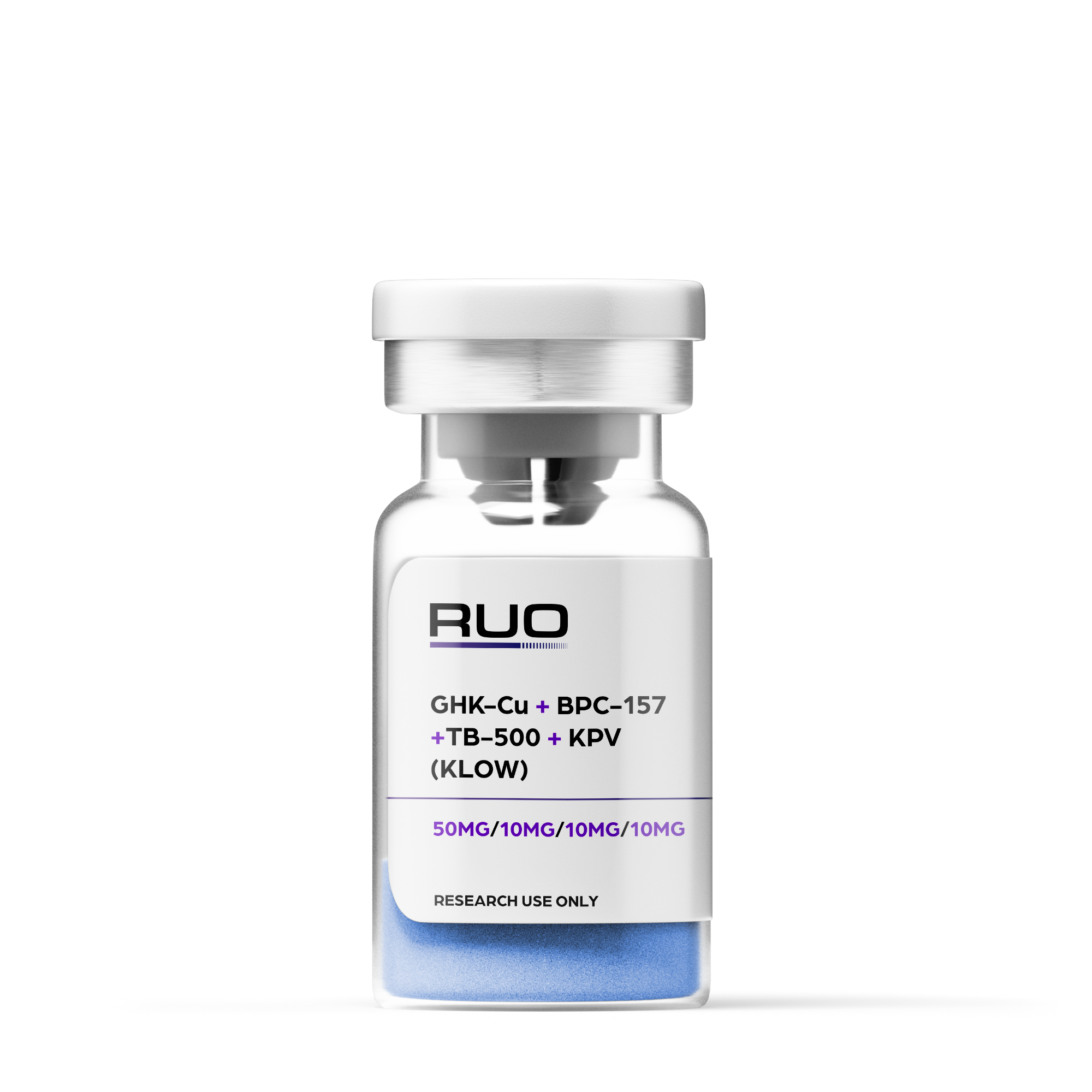
RUO
KLOW
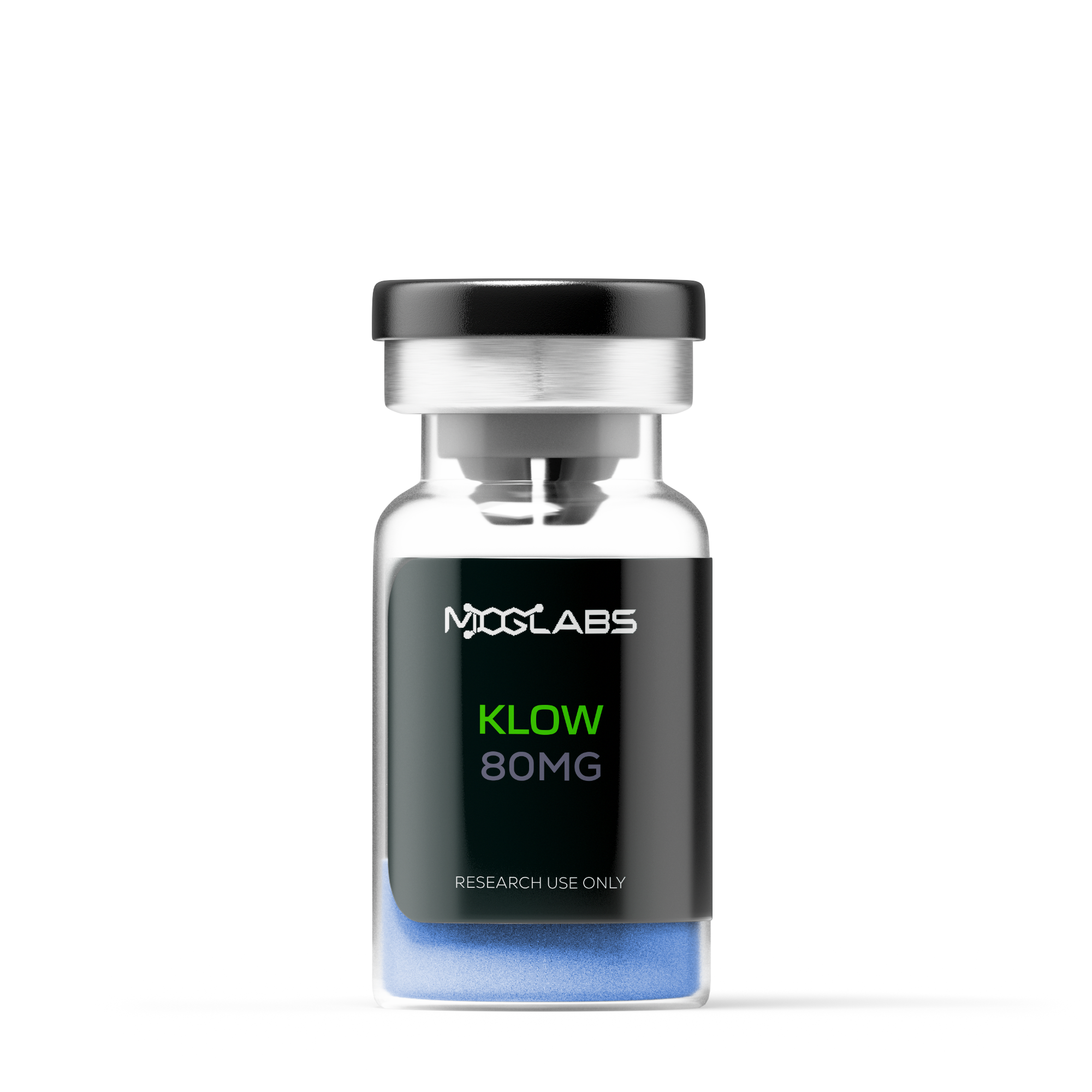
Moglabs
KLOW
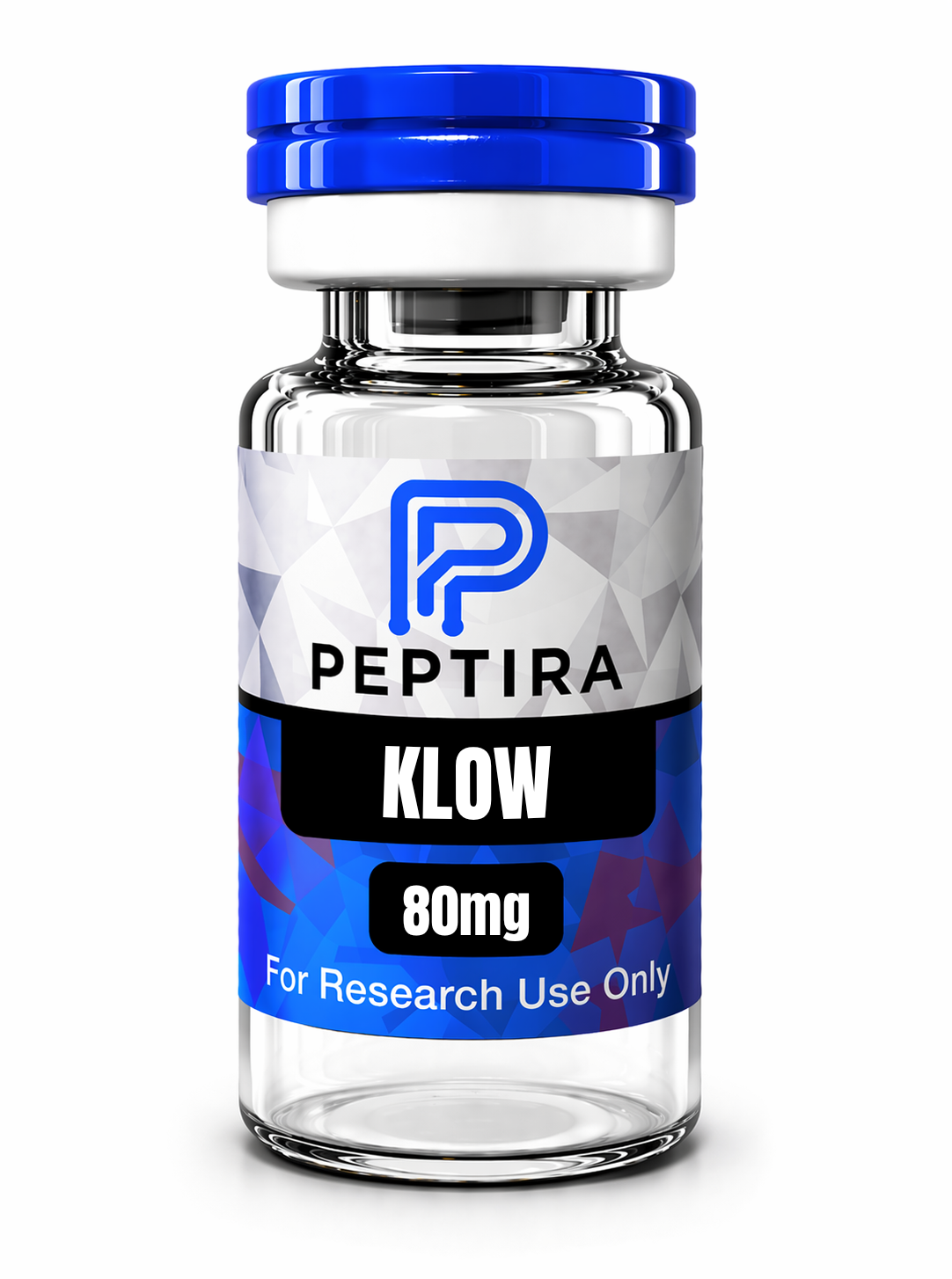
Peptira
KLOW
Research
- 1993first citedIn vivo stimulation of connective tissue accumulation by the tripeptide-copper complex glycyl-L…
- 2022most recentStable Gastric Pentadecapeptide BPC 157 and Striated, Smooth, and Heart Muscle
- 1.Stable Gastric Pentadecapeptide BPC 157 as a Therapy for the Disable Myotendinous Junctions in Rats.
- 2.Thymosin beta4 accelerates wound healing
- 3.The human tri-peptide GHK and tissue remodeling
- 4.Regenerative and Protective Actions of the GHK-Cu Peptide in the Light of the New Gene Data
- 5.PepT1-mediated tripeptide KPV uptake reduces intestinal inflammation
- 6.Stable Gastric Pentadecapeptide BPC 157 and Striated, Smooth, and Heart Muscle
- 7.In vivo stimulation of connective tissue accumulation by the tripeptide-copper complex glycyl-L-histidyl-L-lysine-Cu2+ in rat experimental wounds
7 listed here; entry last updated August 2026
Reviews
- My experience as a mother
KLOW stood out to me as a pep because it would minimize needing more needles, I’ve been using it for six months and this is the best I’ve felt in a while, my gut has improved nicely
0
My notesprivate to this device
FAQ
What is KLOW?
A pre-mixed research peptide blend of GHK-Cu, BPC-157, TB-500, and KPV, usually 80 mg per vial. It is used for recovery, inflammation, and tissue repair.
How is KLOW different from GLOW?
KLOW is GLOW (GHK-Cu, BPC-157, TB-500) with KPV added. The KPV brings a dedicated anti-inflammatory and immune-calming effect on top of the repair peptides.
What does the KPV add?
KPV is an anti-inflammatory tripeptide from alpha-MSH. It blocks NF-kB signaling and lowers inflammatory cytokines, which pairs well with gut and soft tissue healing.
Is there research on the full blend?
No human trial has tested all four together. The rationale comes from each peptide individual studies, so treat KLOW as experimental.
Adverse effects
- Mild injection-site irritation is possible
- Cumulative copper intake from GHK-Cu is worth monitoring over long-term use
- No controlled human data exist for the exact four-peptide blend
- Careful sterile handling and reconstitution matter to avoid contamination