
spec sheet10 rows
ARA-290 (cibinetide) is an 11-amino-acid peptide derived from the helix-B region of erythropoietin, engineered to trigger erythropoietin's tissue-protective and repair signaling without stimulating red blood cell production. Acting through the innate repair receptor, it reduces inflammation and promotes nerve and tissue healing, and in controlled trials in sarcoidosis patients it improved neuropathic pain and regrew small nerve fibers in the cornea and skin [1][2]. It is an investigational peptide with a notably clean safety profile, of particular interest for small-fiber neuropathy and metabolic and inflammatory conditions [3].
- Real, trial-tested relief from nerve pain
- Regrew small nerve fibers in patients
- Drives tissue repair and healing
- Calms inflammation through the innate repair receptor
- Skips the blood-thickening side of erythropoietin
- Notably clean safety profile
- Mild injection-site reaction
- Occasional headache
- Human data are still limited to small trials
Overview
ARA-290, known by its International Nonproprietary Name cibinetide, is a synthetic peptide of eleven amino acids based on the helix-B domain of the erythropoietin (EPO) molecule. It was developed from the discovery that EPO protects and repairs injured tissue through a receptor distinct from the classic erythropoietin receptor that drives red blood cell production. This tissue-protective receptor, a heteromer of the EPO receptor and the beta-common receptor (CD131), is termed the innate repair receptor (IRR); cibinetide was designed by Anthony Cerami, Michael Brines, and colleagues at Araim Pharmaceuticals to selectively activate the IRR while remaining non-hematopoietic, meaning it does not raise hematocrit or carry the thrombotic risks of EPO [3][6].
The peptide antagonizes inflammatory processes and stimulates tissue repair, and its most developed clinical application is small nerve fiber loss and neuropathic pain, particularly in sarcoidosis. In randomized placebo-controlled trials, daily subcutaneous cibinetide over 28 days improved neuropathic symptoms, increased corneal small-nerve-fiber density measured by corneal confocal microscopy, and improved exercise capacity [1][2]. Preclinically, cibinetide has shown benefit across a range of inflammatory and repair models, including experimental colitis, diabetic wound healing, and ischemic retinopathy [4][5][6].
ARA-290 is an investigational agent and has not received marketing approval for any indication; it has been evaluated in phase 2 trials for sarcoid neuropathy and studied in diabetes and other conditions. It is administered as a subcutaneous injection and has been consistently reported to have an excellent safety profile in trials to date [3]. It is supplied as a peptide for research and clinical study.
- ARA-290 copies only the healing side of erythropoietin, so it protects tissue without boosting red blood cell production.
- In a controlled sarcoidosis trial, the 4 mg dose increased corneal nerve fiber area by a placebo-corrected 697 square micrometers.
Mechanism
ARA-290 works by selectively activating the innate repair receptor (IRR), the tissue-protective receptor system that erythropoietin engages during injury. This receptor is a heteromeric complex of the erythropoietin receptor and the beta-common receptor (CD131), and it is expressed on immune cells, neurons, endothelium, and other tissues under conditions of stress or metabolic injury. Because cibinetide is modeled on only the helix-B face of erythropoietin that contacts this receptor, it activates repair signaling without touching the homodimeric erythropoietin receptor that raises red blood cell mass, which is why it is non-hematopoietic [6].
Engagement of the IRR triggers anti-inflammatory and pro-repair signaling; in immune cells this depends on CD131 and the kinase JAK2 and works largely by inhibiting the pro-inflammatory transcription factor NF-kappaB, which reduces production of cytokines, chemokines, and synthase and dampens myeloid cell infiltration [4]. In damaged tissue, IRR activation switches on survival pathways such as and endothelial synthase and raises vascular endothelial growth factor, promoting angiogenesis, nerve regrowth, and wound repair [5]. The clinical signature of this biology is regeneration of small nerve fibers; in a phase 2b randomized trial of 64 patients with sarcoidosis-associated small fiber neuropathy, cibinetide produced a placebo-corrected increase in corneal nerve fiber area of about 697 square micrometers in the responsive dose group (95% confidence interval 159 to 1236; P = 0.012), alongside reduced neuropathic pain [2].
The benefits, then, are anti-inflammatory and regenerative rather than merely symptomatic; ARA-290 aims to modify disease by calming innate immune overactivity and rebuilding damaged nerves and vasculature, while its selectivity for the repair receptor keeps red cell production and clotting risk out of the picture [3][6].
receptor fingerprint
Innate repair receptor (EPO / CD131)agonist
Inflammationreduces
Neuropathic paineases
Dosingtypical ranges, not medical advice
interested in protocols and clinical dosages? make an account to see them! ^_^
Safetyrisks and cautions, not medical advice
In controlled trials for sarcoidosis-related neuropathy, ARA-290 (cibinetide) was generally well tolerated with a notably clean safety profile. Unlike erythropoietin, it does not stimulate red-blood-cell production, so it avoids EPO's thrombotic risk. It remains investigational, and long-term safety has not been formally established.
Reconstitutionarithmetic only, not dosing advice
arithmetic only; not medical or dosing advice.
History
ARA-290, also known as cibinetide, grew out of research by Anthony Cerami and Michael Brines showing that the tissue-protective actions of erythropoietin are mediated by a receptor distinct from the one that stimulates red blood cell production. By mapping those protective effects to the helix-B region of the erythropoietin molecule, the team designed an 11-amino-acid peptide that mimics only that surface, giving repair signaling without raising red cell mass. The compound was advanced by Araim Pharmaceuticals of Tarrytown, New York, and moved into phase 2 clinical testing in the 2010s. A notable milestone was a phase 2b randomized trial in sarcoidosis-associated small fiber neuropathy, published in 2017, which used corneal confocal microscopy to show regeneration of small nerve fibers.
Reputation
ARA-290 is viewed with considerable optimism as a rare example of a peptide that appears to modify disease rather than merely mask symptoms, calming innate immune overactivity while actively regrowing damaged nerves. Researchers are impressed that it captures erythropoietin's regenerative benefits while deliberately avoiding the clotting and blood-thickening risks tied to erythropoiesis, and controlled trials have documented both reduced neuropathic pain and measurable increases in corneal and skin nerve fibers. Its consistently clean safety profile in studies is frequently cited as a strength. In fairness, it remains an investigational agent without regulatory approval, and the pivotal trials have been relatively small. Even so, its combination of anti-inflammatory and pro-regenerative action keeps it a compound of genuine scientific interest, particularly for small fiber neuropathy.
Subjective profileweighing the evidence above
One of the more credible research peptides going: controlled trials showed real neuropathic-pain relief and small-fibre regrowth, and by design it skips the clotting risk that comes with erythropoietin. Human data is still small-trial scale and it remains investigational, but the signal-to-risk balance here is unusually good.
Where to buy


Suppliers
Vendors carrying ARA-290, with live product details and codes. Links are affiliate links that support the wiki at no cost to you.
| supplier | size | price | $/mg |
|---|---|---|---|
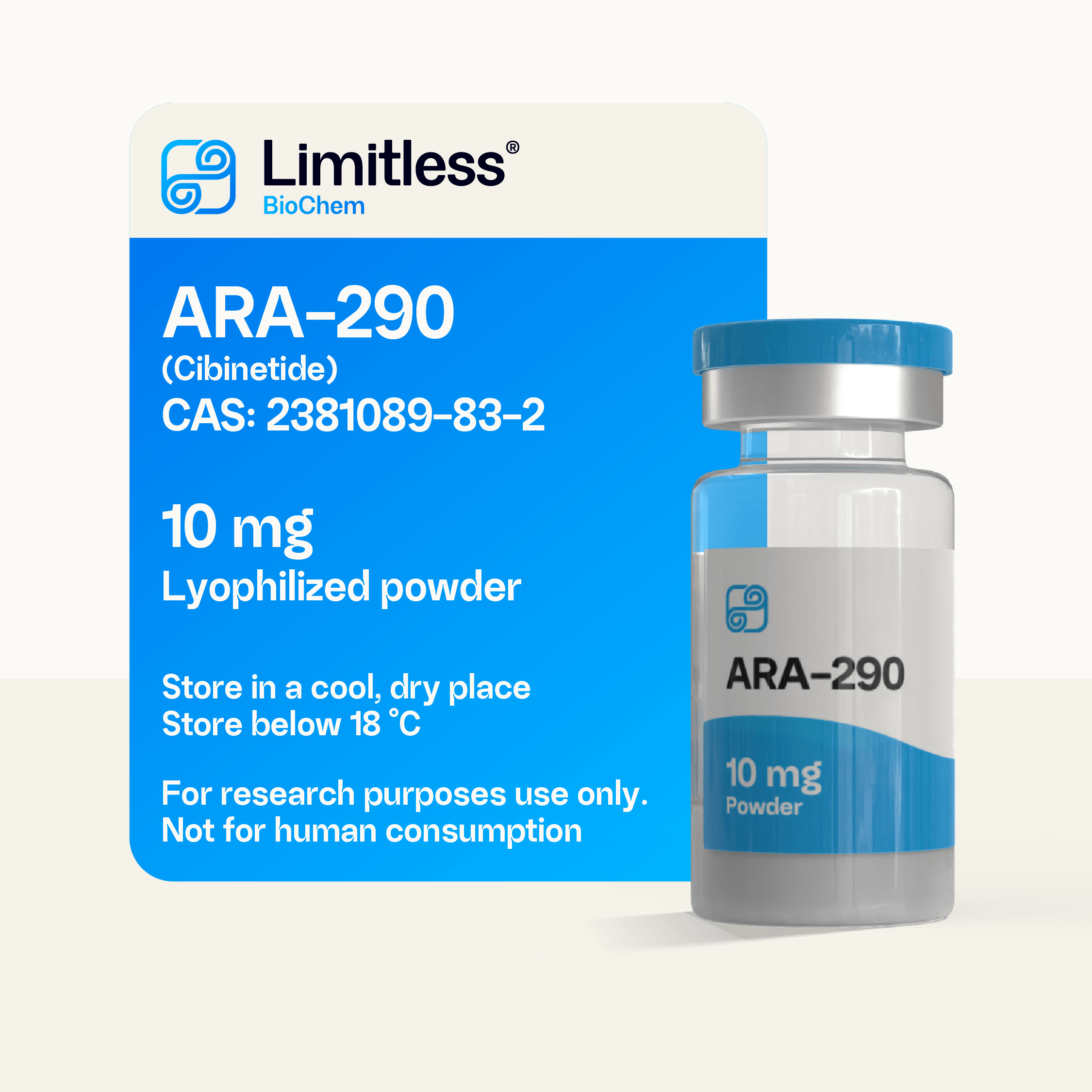
| Limitless Biochemlowest | 10mg | $32.00 | $3.20/mg |
| RUO | 10mg | $40.00 | $4.00/mg |
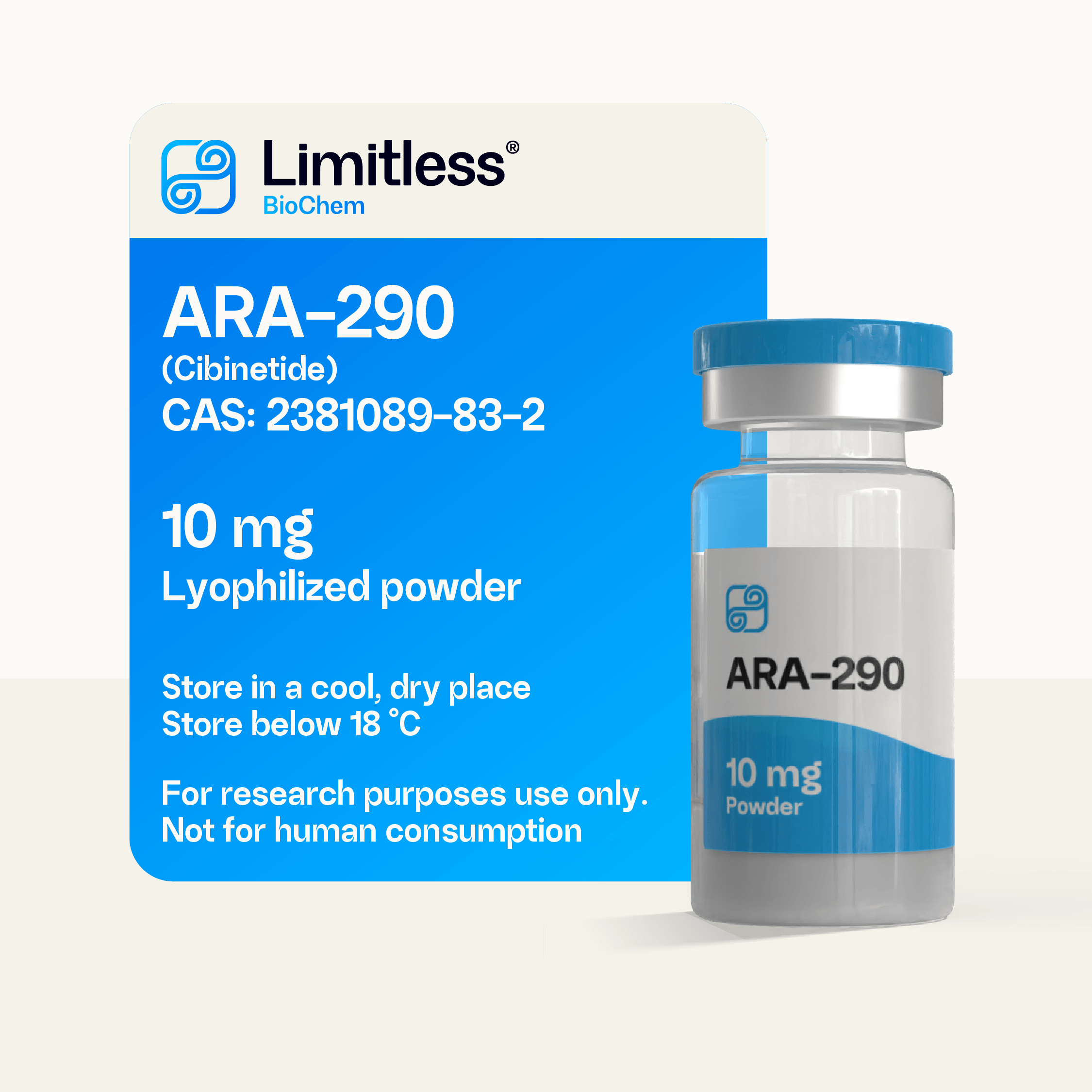
Limitless Biochem🌐
ARA-290
RUO
ARA-290
Exceed Enhancement
ARA-290
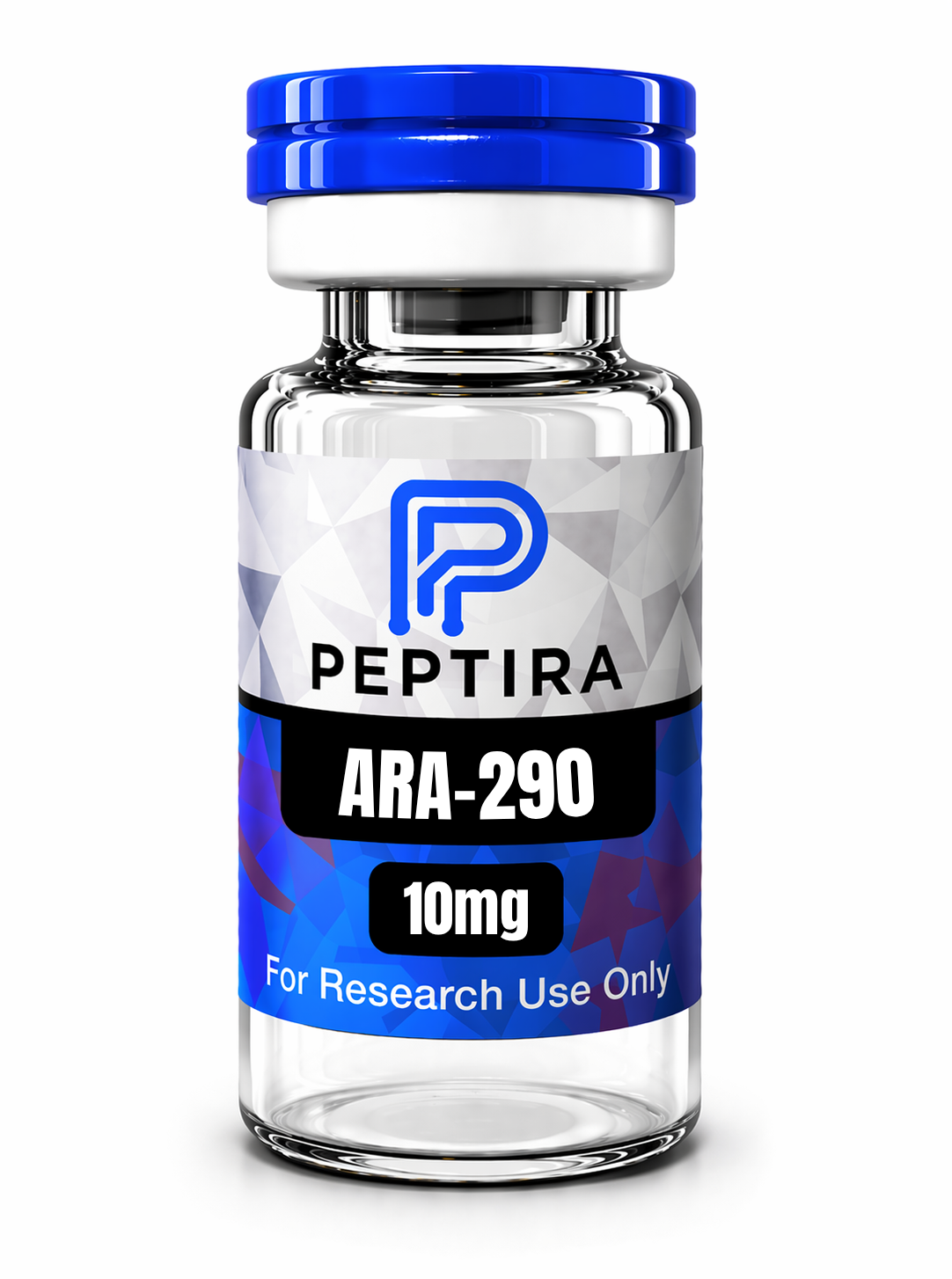
Peptira
ARA-290
Kimera Chems
ARA-290
Research
- 2013first citedARA 290 improves symptoms in patients with sarcoidosis-associated small nerve fiber loss and in…
- 2019most recentThe vasoreparative potential of endothelial colony-forming cells in the ischemic retina is enha…
- 1.ARA 290 improves symptoms in patients with sarcoidosis-associated small nerve fiber loss and increases corneal nerve fiber density.
- 2.Cibinetide Improves Corneal Nerve Fiber Abundance in Patients With Sarcoidosis-Associated Small Nerve Fiber Loss and Neuropathic Pain.
- 3.ARA 290 for treatment of small fiber neuropathy in sarcoidosis.
- 4.Cibinetide dampens innate immune cell functions thus ameliorating the course of experimental colitis.
- 5.Activation of the EPOR-β common receptor complex by cibinetide ameliorates impaired wound healing in mice with genetic diabetes.
- 6.The vasoreparative potential of endothelial colony-forming cells in the ischemic retina is enhanced by cibinetide, a non-hematopoietic erythropoietin mimetic.
6 listed here; entry last updated August 2026
Reviews
My notesprivate to this device
FAQ
What is ARA-290 used for?
It is a research peptide studied for nerve pain and tissue repair.
How does ARA-290 work?
Derived from erythropoietin, it targets tissue-protective receptors without the blood-thickening effects of EPO.
Is ARA-290 well-researched?
It has been explored in early clinical studies for conditions like neuropathic pain, but evidence is still limited.
What are the main side effects?
As an injectable peptide, local injection-site reactions or headache are possible.
Adverse effects
- Mild injection-site reaction
- Occasional headache
- Human data are still limited to small trials
Notes and cautions
- Investigational, not an approved therapy