
spec sheet11 rows
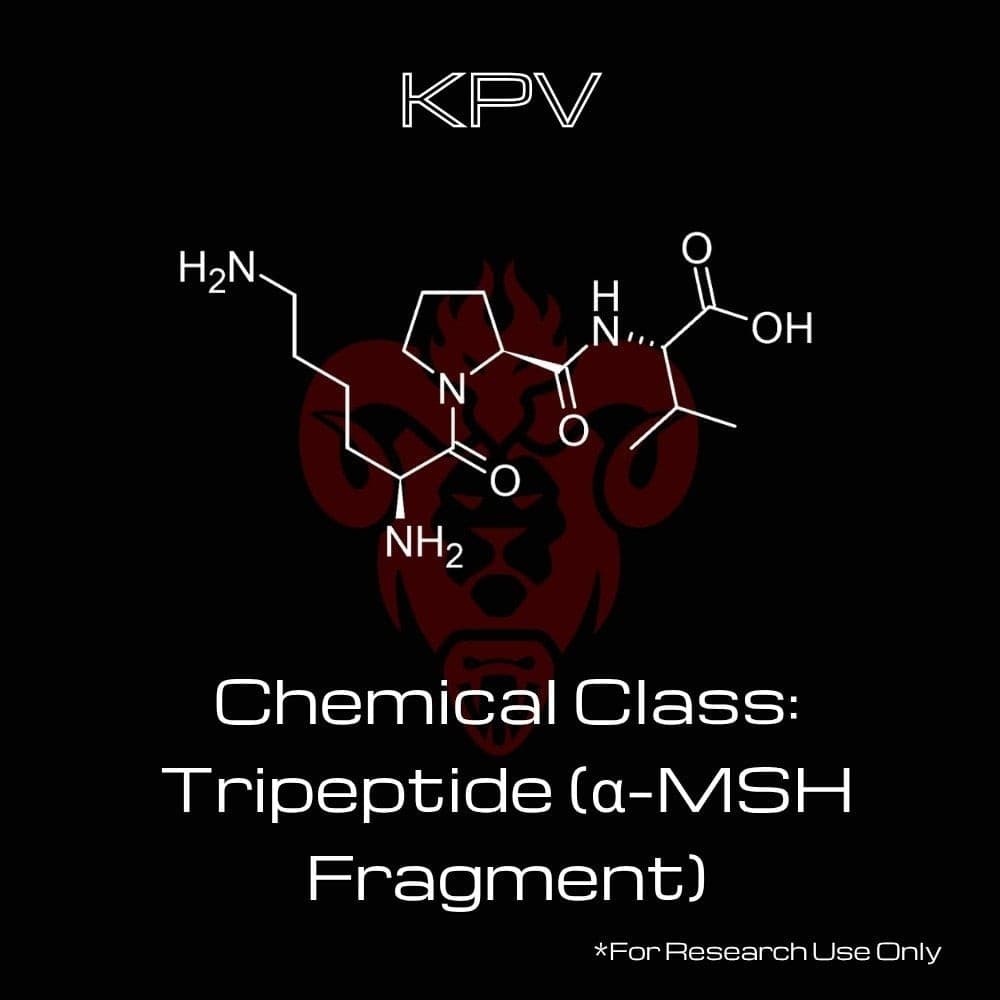
KPV is a naturally occurring tripeptide corresponding to the C-terminal sequence (lysine-proline-valine) of alpha-melanocyte-stimulating hormone, and it retains much of the parent hormone's anti-inflammatory activity in a minimal fragment. It appears to act at least partly independently of classical melanocortin-1 receptor signaling; after entering cells, including intestinal epithelium via the di/tripeptide transporter PepT1, it inhibits NF-kB and related pro-inflammatory cascades and lowers cytokine production. In murine models of colitis, KPV promotes earlier recovery and reduces mucosal inflammation, and it has become a frequent payload for nanoparticle and hydrogel delivery systems aimed at inflammatory bowel disease. Its small size, oral stability and targeted mechanism have made it a widely studied candidate for gastrointestinal and dermatological inflammatory conditions.
- Shuts inflammation down at the switch
- Quiets NF-kB and cytokine overdrive
- Built for a calmer gut lining
- Tiny fragment, outsized anti-inflammatory punch
- The active core of alpha-MSH
- Soothes angry, inflamed skin
- Mild injection-site reactions are possible
Overview
KPV is a tripeptide composed of the amino acids lysine, proline, and valine (Lys-Pro-Val), corresponding to residues 11 to 13 at the C-terminus of alpha-melanocyte-stimulating hormone (alpha-MSH). alpha-MSH is a thirteen-amino-acid hormone produced from proopiomelanocortin that has long been recognized for potent anti-inflammatory activity, and a substantial body of work has traced much of that activity to this short terminal fragment [1][3][4].
The scientific interest in KPV rests on a useful separation of functions. Whereas the full alpha-MSH hormone also drives pigmentation through melanocortin receptors, KPV retains most of the anti-inflammatory capacity while lacking the pigmentary effect, which makes it attractive as a therapeutic lead [4]. Research has examined KPV in models of inflammatory bowel disease, contact dermatitis, peritonitis, ocular and airway inflammation, and arthritis, where it consistently dampens inflammatory responses [1][3][4]. A frequently cited study demonstrated that orally administered KPV reduced the severity of experimental colitis in mice [2].
KPV is a synthetic peptide when produced for research and is supplied as a lyophilized powder for reconstitution; a related dimer, (CKPV)2, has separately been explored for antimicrobial and anti-inflammatory uses. KPV is not an approved drug and is sold for research purposes. Its combination of small size, low expected production cost, favorable physicochemical properties, and a mechanism that targets inflammation rather than broadly suppressing immunity is the central reason it remains a peptide of ongoing interest for gut and skin conditions.
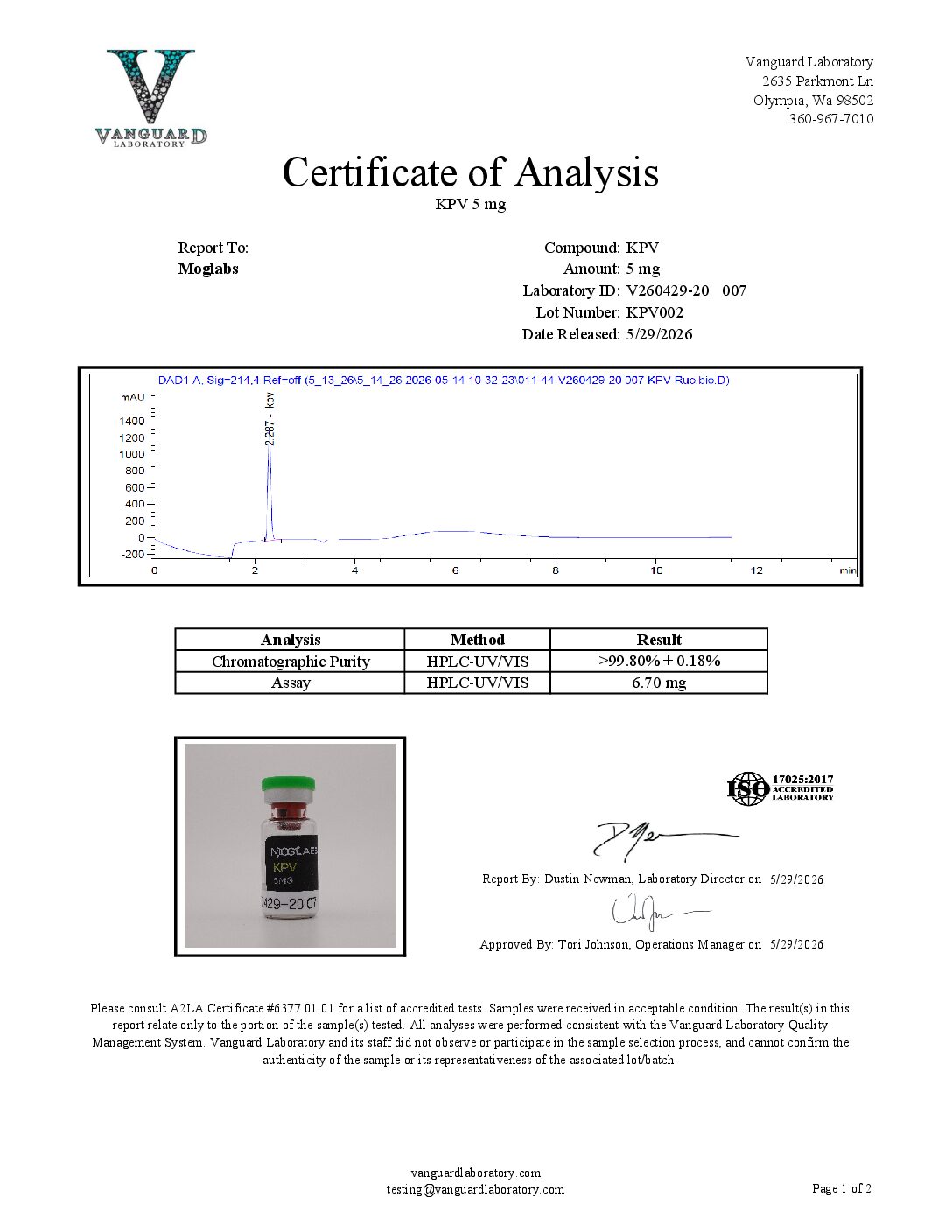
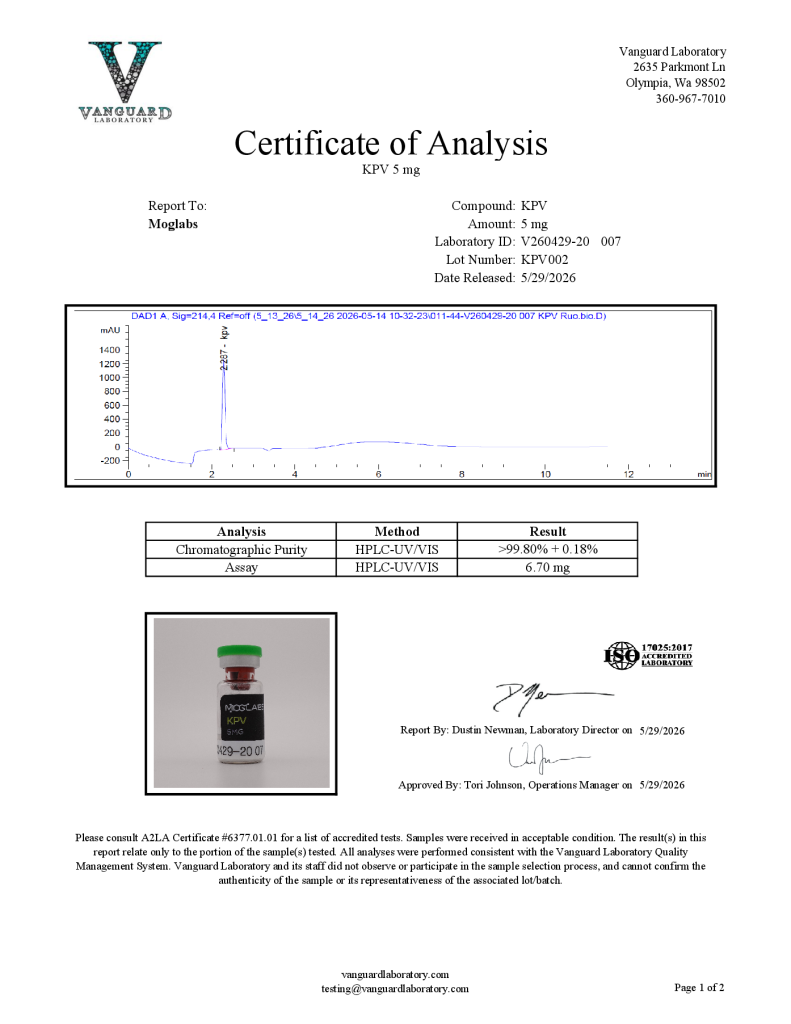
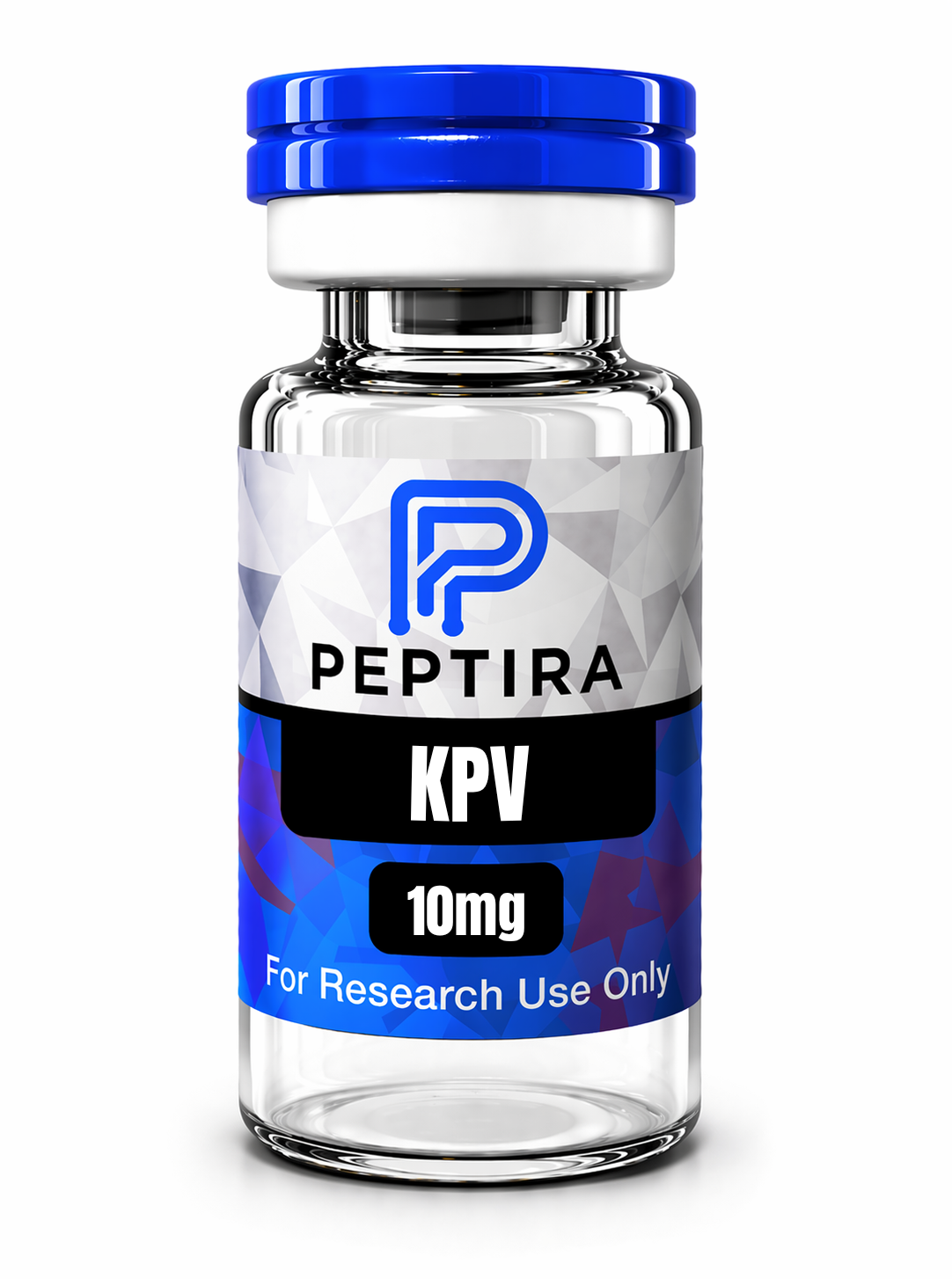
- KPV is just the last three amino acids of a much larger hormone, yet it keeps much of that hormone's anti-inflammatory power.
- In one colitis study, KPV rescued every treated mouse that carried a nonfunctional melanocortin-1 receptor, showing it can work independently of that classic receptor.
Mechanism
KPV produces anti-inflammatory effects through a mechanism that is notably distinct from the -receptor pathway used by the parent hormone. Evidence indicates that KPV can act largely independently of the classical melanocortin receptors, instead entering intestinal epithelial and immune cells directly through the di/tripeptide transporter PepT1, which is expressed in the small intestine and induced in the colon during inflammation [2]. Once inside the cell, KPV inhibits activation of the master inflammatory transcription factor NF-kB and the MAP-kinase signaling cascades, which reduces the production and secretion of pro-inflammatory cytokines [2].
At the level of the whole organism, alpha-MSH and its C-terminal tripeptide influence multiple inflammatory pathways, including expression of adhesion molecules and chemokine receptors, migration and proliferation of inflammatory cells, and the balance of cytokines, with a characteristic increase in the anti-inflammatory IL-10 [3][4]. In a crystal-induced peritonitis model, systemic KPV significantly reduced the accumulation of inflammatory leukocytes, and the effect persisted even in animals with nonfunctional -1 receptors, supporting a receptor-independent action [1].
The practical appeal of this mechanism is selectivity. Rather than globally suppressing the immune system, KPV lowers the specific signaling that drives inflammatory tissue damage, and its uptake through PepT1 concentrates its activity where inflammation is active in the gut. This profile underlies its study for inflammatory bowel conditions and inflammatory skin disease [2][4].
receptor fingerprint
NF-kB / MAP kinase inflammatory signalinginhibits
Pro-inflammatory cytokines (IL-1beta)reduces
PepT1 (intestinal uptake)acts via
Dosingtypical ranges, not medical advice
interested in protocols and clinical dosages? make an account to see them! ^_^
Safetyrisks and cautions, not medical advice
There is no controlled human safety data for KPV. No clinical trial of the tripeptide is registered or published, and the closest the literature comes to human exposure is ex vivo human skin and cultured human cell lines. What follows is what has actually been measured, and the route it was measured by, because KPV behaves very differently depending on how it is given.
The most useful safety-relevant result is a negative one about skin. Applied to intact human skin, KPV did not cross at a detectable level by passive diffusion; it moved only after the skin was microporated with microneedles or driven by an iontophoretic current, and every one of those treatments also raised the amount of peptide retained inside the skin rather than delivered through it [15]. A topical preparation is therefore not a systemic route by default, and a cream that produces no effect is behaving exactly as that experiment predicts.
In the gut, the route the compound is best characterised for, KPV enters intestinal epithelial and immune cells through the PepT1 transporter, which is induced in inflamed colon [2]. Colon-targeted nanoparticles used to deliver it did not affect cell viability or barrier function in cultured intestinal epithelium, and reduced colitis in mice while carrying the peptide at a concentration roughly four orders of magnitude below what free peptide in solution required for the same effect [26]. On other mucosal surfaces the picture is similar. Topical drops in rabbits accelerated corneal re-epithelialisation, with all treated corneas closed by the end of the observation period [17], and a mucoadhesive KPV hydrogel applied to the gingival mucosa of rats with chemotherapy-induced oral mucositis improved food intake and body weight recovery [18]. In mice, KPV co-assembled with rapamycin into carrier-free nanoparticles was reported to show good stability and biosafety alongside its effect on vascular calcification [25].
Cell-level tolerability has been reported directly rather than inferred. KPV restored viability in human keratinocytes damaged by fine particulate matter and reduced their IL-1beta output [21], and in HepG2 hepatocytes it reduced lipid accumulation without inducing cytotoxicity at the concentration used [20]. In human bronchial epithelial cells it suppressed NF-kB signalling by blocking nuclear import of p65RelA [19], which is a targeted interference with one transcription factor rather than a general shutdown of immunity.
The question that follows from any anti-inflammatory is whether it blunts host defence, and here there is affirmative evidence pointing the other way. alpha-MSH peptides including the C-terminal tripeptide inhibited Staphylococcus aureus colony formation and reduced Candida albicans viability directly, and rather than reducing killing of those pathogens by human neutrophils they increased it [27]. That is a measured result, not an absence of complaints.
Two pieces of evidence say clearly that the parent hormone's long pharmacological record cannot be borrowed as reassurance. KPV does not contain the sequence motif needed to bind any known melanocortin receptor, and its intracellular target is still unidentified [23]. And where alpha-MSH potently suppressed basophil activation through MC-1R in blood from healthy and allergic donors, KPV did not reproduce that effect at all [22]. A fragment that does not do what the hormone does cannot inherit the hormone's safety profile in either direction.
Handling matters more than the compound's simplicity suggests. Under acid, alkali and hydrogen peroxide stress, KPV degrades chiefly to lys-pro-diketopiperazine [16]. That degradant has no toxicology of its own, so an old, warm or discoloured solution is not simply a weaker one; it is a solution containing something that has not been characterised.
The last risk is the supply itself. A 2026 critical review of peptide use in sport and bodybuilding names KPV among the synthetic fragments now circulating, notes that published work covers therapeutic dosing rather than the supraphysiological or stacked protocols used in practice, and describes a largely unregulated supply chain in which products are often mislabelled or contaminated; its conclusion is that such use should be treated as high risk until longitudinal data exist [24]. A specific instance of that mislabelling applies here: a large share of material sold as KPV is the N-acetylated and C-amidated analogue rather than the free peptide, so the name on the vial is a poor guide to what is in it.
What is genuinely unknown should be stated plainly. There is no pharmacokinetic study of KPV in humans, no dose-ranging or tolerability study in any species, no chronic-exposure data, and no published intranasal study despite nasal products being sold. Every animal study located was designed to measure an efficacy endpoint, so nothing here amounts to a search for harm that came back empty. Research use only, and not medical advice.
Reconstitutionarithmetic only, not dosing advice
arithmetic only; not medical or dosing advice.
History
KPV is a naturally occurring tripeptide corresponding to the C-terminal three residues (lysine-proline-valine) of alpha-melanocyte-stimulating hormone (alpha-MSH). The anti-inflammatory activity of this minimal fragment grew out of research in the 1980s and 1990s into the immunomodulatory properties of alpha-MSH, associated with investigators such as Thomas Luger, Thomas Brzoska, and James Lipton. A key demonstration came in 2008, when Kannengiesser, Maaser, and colleagues showed that KPV reduced inflammation in murine models of inflammatory bowel disease, partly independent of the melanocortin-1 receptor. More recently it has become a favored payload for targeted nanoparticle and hydrogel delivery systems aimed at ulcerative colitis.
Reputation
KPV is valued as a compact, potent anti-inflammatory peptide that retains much of the immunomodulatory power of its parent hormone in just three amino acids. It is especially appreciated for a targeted mode of action; rather than broadly suppressing immunity, it dampens the specific NF-kB and cytokine signaling that drives inflammatory tissue damage, and it concentrates its effect where inflammation is active in the gut via the PepT1 transporter. Its small size, oral stability, and clean mechanism have made it a popular candidate in research on inflammatory bowel and skin conditions. As with most peptides in this space, robust human clinical data are still limited.
Subjective profileweighing the evidence above
One of the more sensible research peptides: a tiny fragment with a clear anti-inflammatory mechanism, a real pull toward gut and mucosal tissue, and a well-tolerated preclinical record. Human trials are the missing piece, so the doses people use are community convention rather than evidence.
Where to buy
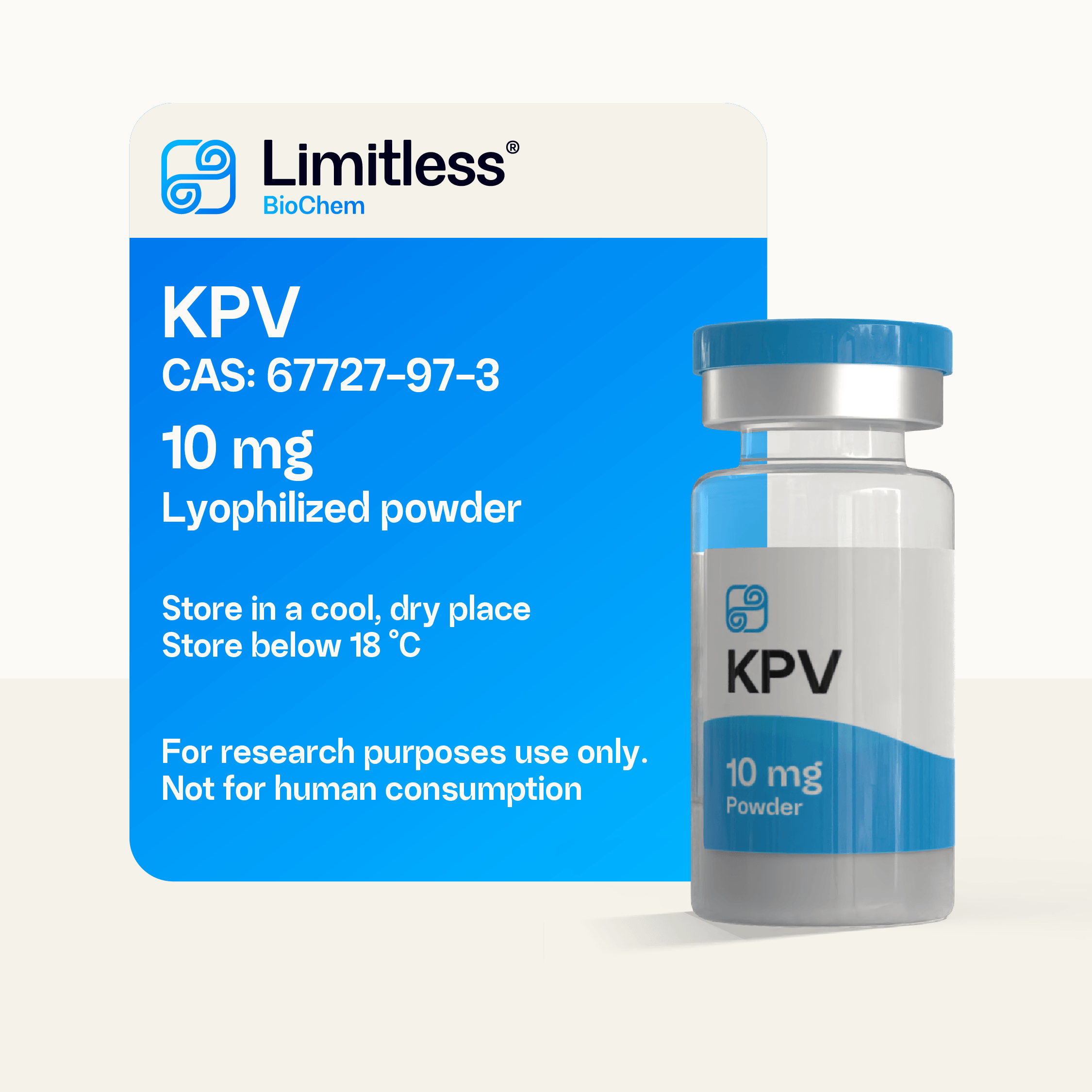


Suppliers
Vendors carrying KPV, with live product details and codes. Links are affiliate links that support the wiki at no cost to you.
| supplier | size | price | $/mg |
|---|---|---|---|
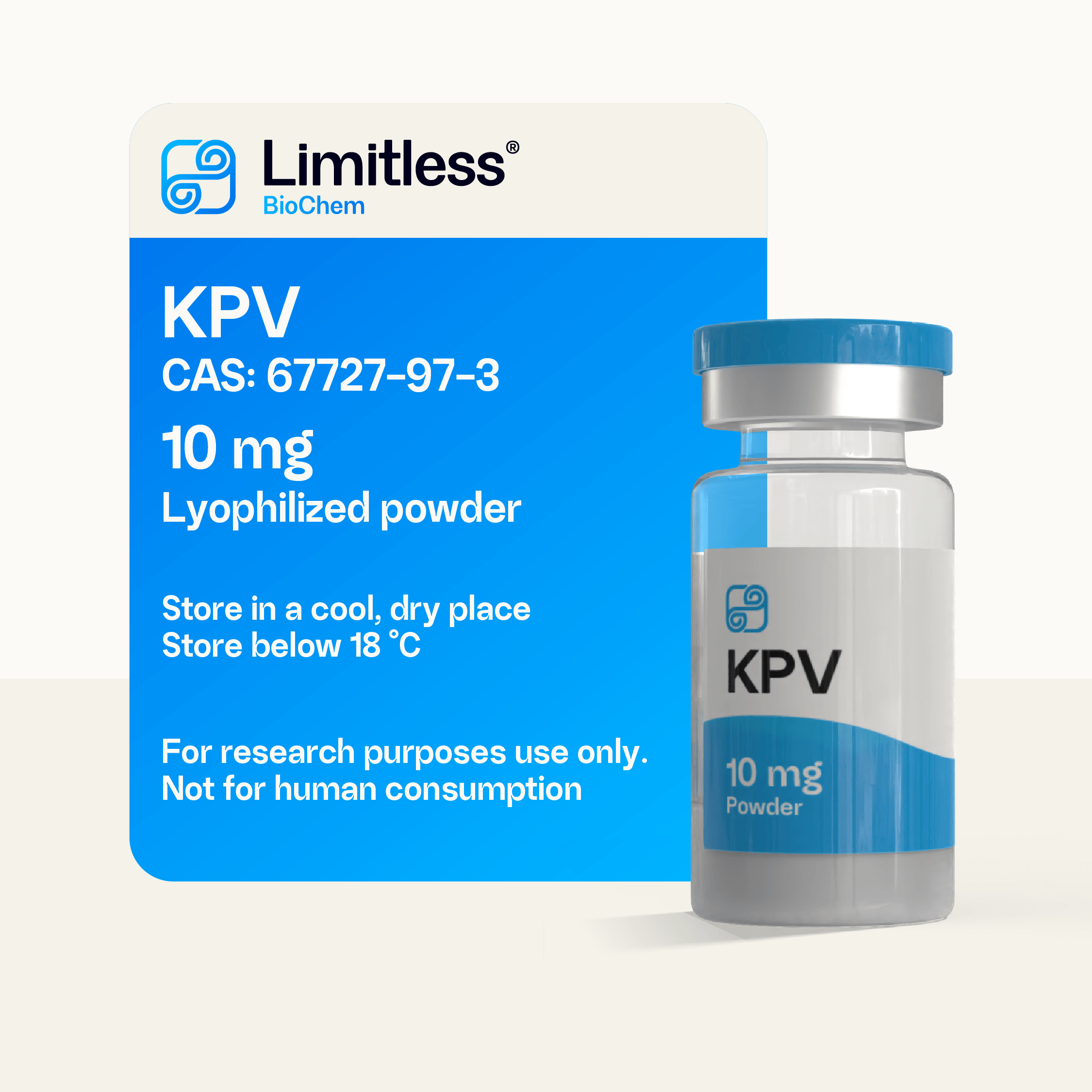
| Limitless Biochemlowest | 10mg | $22.99 | $2.30/mg |
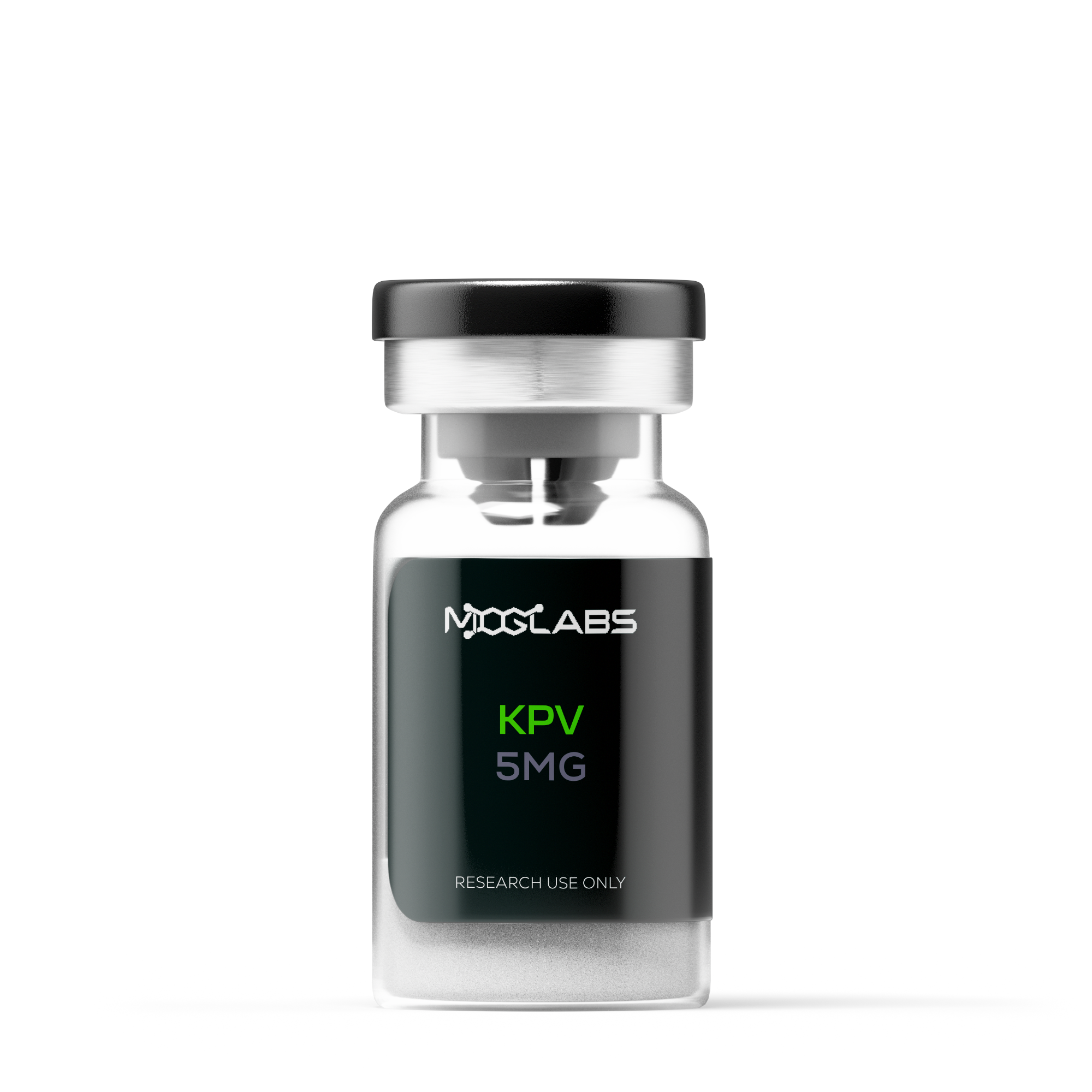
| Moglabs | 5mg | $30.00 | $6.00/mg |
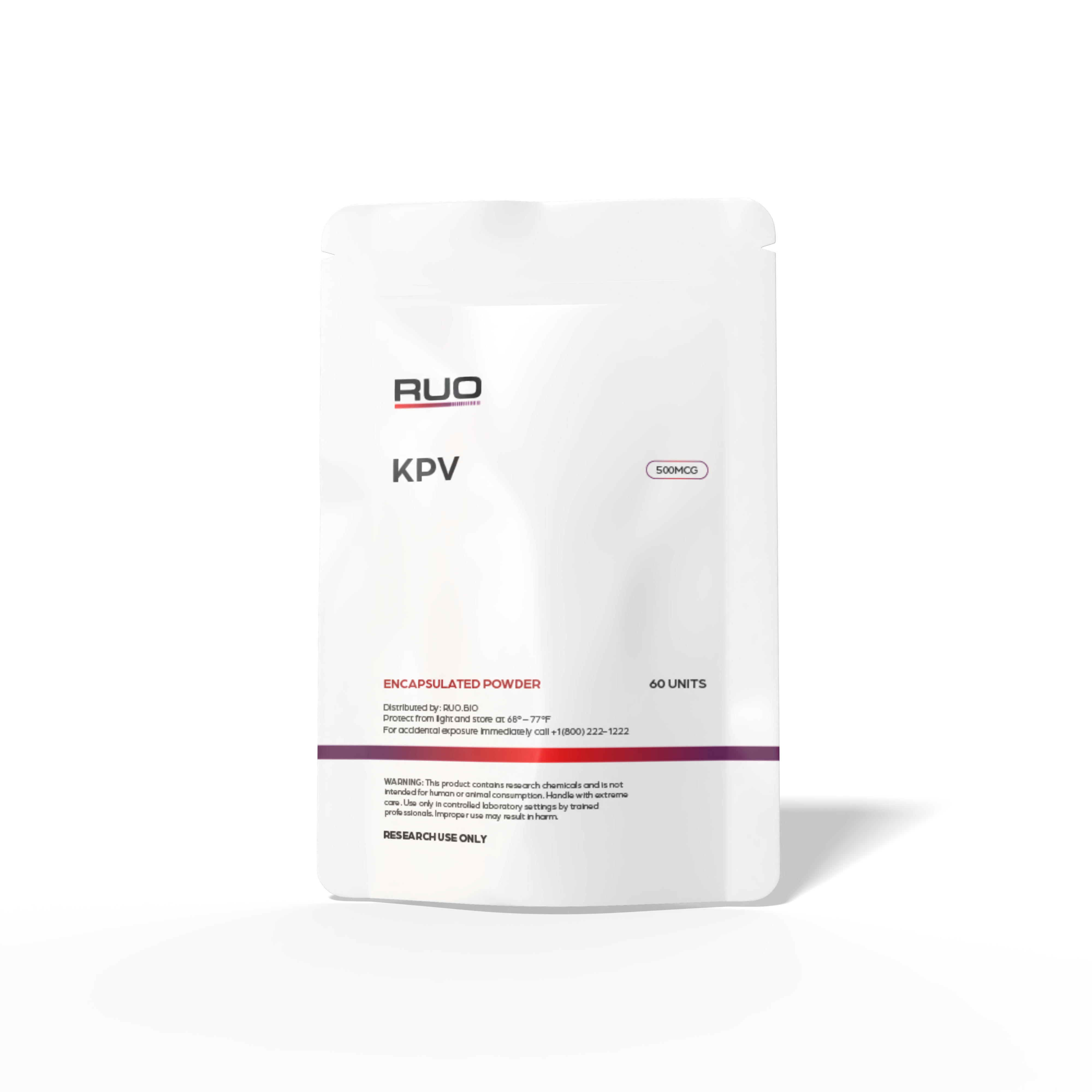
| RUO | 500mcg | $28.00 | $56.00/mg |
| RUO | 500mcg | $48.00 | $96.00/mg |
Limitless Biochem🌐
KPV
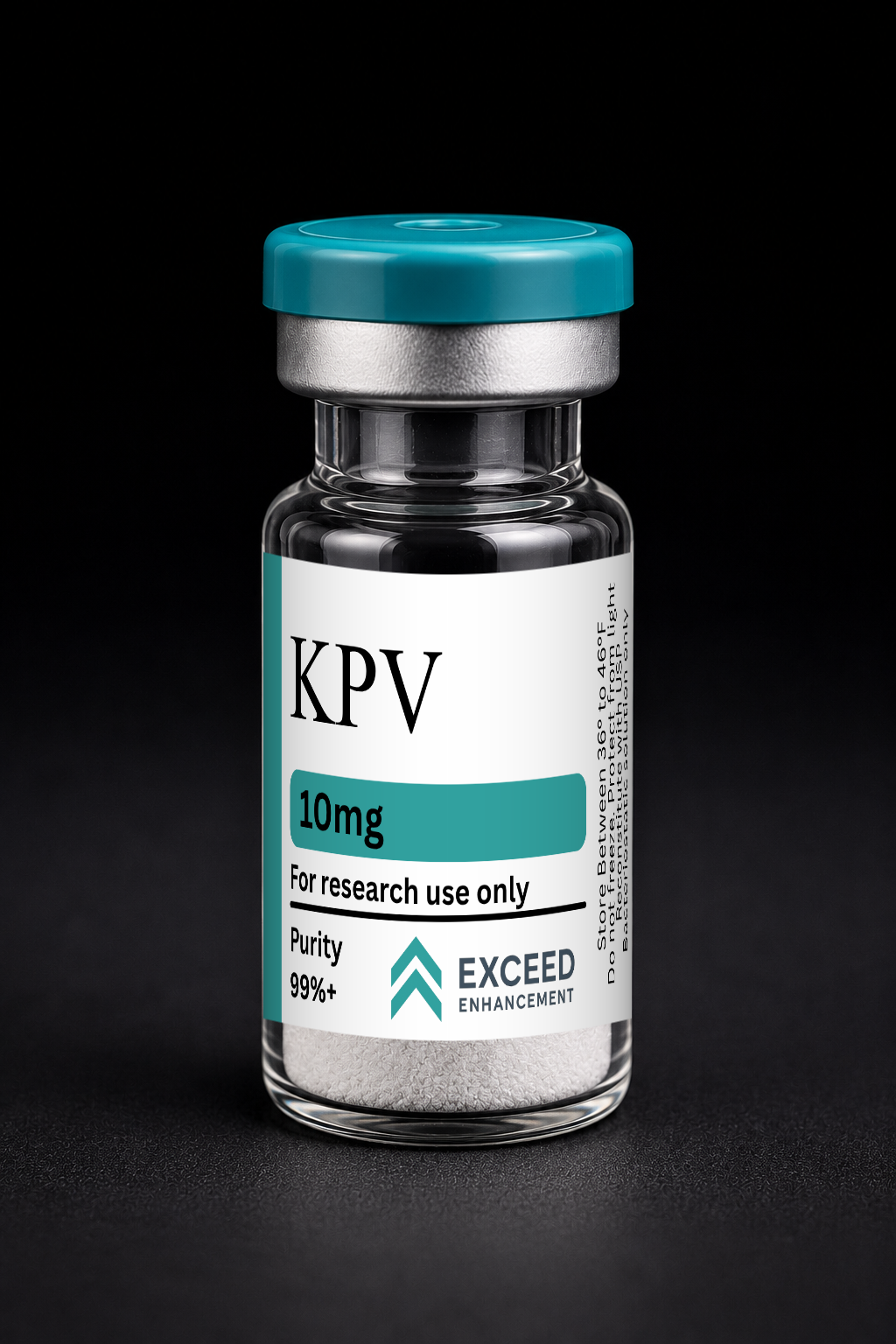
Exceed Enhancement
KPV
RUO
KPV
Moglabs
KPV
Kimera Chems
KPV
RUO
KPV
Peptira
KPV
Research
- 2000first citedAntimicrobial effects of alpha-MSH peptides.
- 2008most active year3 papers
- 2026most recentA new era of doping? Use of peptide and peptide-analog drugs in recreational and professional s…
- 1.Dissection of the anti-inflammatory effect of the core and C-terminal (KPV) alpha-melanocyte-stimulating hormone peptides
- 2.PepT1-mediated tripeptide KPV uptake reduces intestinal inflammation
- 3.alpha-MSH related peptides: a new class of anti-inflammatory and immunomodulating drugs
- 4.Alpha-melanocyte-stimulating hormone and related tripeptides: biochemistry, antiinflammatory and protective effects in vitro and in vivo, and future perspectives for the treatment of immune-mediated inflammatory diseases
- 5.Melanocortin-derived tripeptide KPV has anti-inflammatory potential in murine models of inflammatory bowel disease.
- 6.Critical role of PepT1 in promoting colitis-associated cancer and therapeutic benefits of the anti-inflammatory PepT1-mediated tripeptide KPV in a murine model.
- 7.Orally Targeted Delivery of Tripeptide KPV via Hyaluronic Acid-Functionalized Nanoparticles Efficiently Alleviates Ulcerative Colitis.
- 8.alpha-Melanocyte-stimulating hormone, MSH 11-13 KPV and adrenocorticotropic hormone signalling in human keratinocyte cells.
- 9.New insights into the functions of alpha-MSH and related peptides in the immune system.
- 10.The Melanocortin System in Inflammatory Bowel Diseases: Insights into Its Mechanisms and Therapeutic Potentials.
- 11.Self-Cross-Linked Hydrogel of Cysteamine-Grafted γ-Polyglutamic Acid Stabilized Tripeptide KPV for Alleviating TNBS-Induced Ulcerative Colitis in Rats.
- 12.A KPV-binding double-network hydrogel restores gut mucosal barrier in an inflamed colon.
27 listed here; entry last updated August 2026
Reviews
My notesprivate to this device
FAQ
What is KPV derived from?
It's a small fragment (lysine-proline-valine) of the alpha-MSH hormone. It retains anti-inflammatory activity.
Why the focus on the gut?
It's studied for calming inflammation in the digestive tract. Gut healing is a common area of interest.
How does it reduce inflammation?
It's thought to act on inflammatory signaling pathways downstream of alpha-MSH. Research is still characterizing the details.
Does it need refrigeration?
Reconstituted peptide is typically refrigerated and kept out of light. Dry forms are more stable before mixing.
Can I just put KPV in a cream and rub it on?
That route has been measured and it failed. Across intact human skin, KPV did not permeate at a detectable level by passive diffusion; it crossed only after the skin was microporated with microneedles or driven with an iontophoretic current. A plain topical preparation should not be expected to deliver it.
Has anyone taken KPV in a clinical trial?
No trial of KPV is registered or published. The literature reaches human tissue only through ex vivo skin and cultured human cells; every whole-animal study found was an efficacy study in mice, rats or rabbits.
Does it suppress the immune system the way a steroid would?
The measured behaviour is narrower than that. In human airway cells KPV blocked nuclear import of one transcription factor rather than shutting down immune signalling broadly, and alpha-MSH peptides increased rather than reduced neutrophil killing of Staphylococcus aureus and Candida albicans.
Is it as safe as alpha-MSH, since it comes from it?
That argument does not hold. KPV lacks the sequence motif required to bind any known melanocortin receptor, and it failed to reproduce alpha-MSH's suppression of basophil activation in human blood. A fragment that does not act like the hormone cannot inherit the hormone's record.
Does old reconstituted solution just get weaker?
Not exactly. Under acid, alkali or peroxide stress KPV converts mainly to lys-pro-diketopiperazine, a degradation product with no toxicology of its own. Degraded solution contains something uncharacterised rather than less of the same thing.
Limitations of the evidence
- No clinical trial of KPV is registered or published, at any dose or by any route
- No pharmacokinetic study exists, so no half-life is known for any route
- KPV did not cross intact human skin by passive diffusion; plain topical use is an unsupported route
- No published intranasal study of KPV exists, although nasal products are sold
- Every animal study located measured an efficacy endpoint, so none was designed to detect harm
- Its intracellular target is still unidentified, so off-target effects cannot be predicted from a receptor map
- Much of the material sold as KPV is the N-acetylated and C-amidated analogue, a different molecule
Adverse effects
- Mild injection-site reactions are possible
Notes and cautions
- Long-term human data remain limited
- Minor gastrointestinal changes have been reported
- Chronic-use effects are still being characterized