
data + articles · 4 listed
newest 2023spec sheet11 rows
GHK-Cu is the famous copper peptide that earns its cult following, a naturally occurring tripeptide that signals skin to rebuild collagen and remodel itself toward a younger profile. It drives visible firming, faster wound healing, and healthier hair while delivering copper for antioxidant defenses, and it does so gently and with excellent tolerability. For a single, time-tested anti-aging peptide that simply makes skin look better, GHK-Cu remains the classic and still-reigning pick.
- Drives visible collagen remodeling
- Firmer skin, refined texture
- Speeds up wound healing
- Supports healthier hair follicles
- Delivers copper for antioxidant defenses
- The cult classic anti-aging peptide
- Possible mild skin irritation
- Some redness or tingling
- Copper sensitivity in a few people
Overview
GHK-Cu is the copper complex of the tripeptide glycyl-L-histidyl-L-lysine (GHK), a naturally occurring human peptide with an affinity for copper(II) similar to that of the copper-transport site on albumin. GHK is present in human plasma and other tissues, and it readily forms the GHK-Cu chelate that carries out most of its biological activity [1].
First isolated from human plasma in the 1970s, GHK was identified through its ability to promote tissue remodeling and wound repair, and it became a foundation of copper-peptide skincare. Its serum concentration declines markedly with age, averaging roughly 200 nanograms per milliliter around age 20 and falling to about 80 nanograms per milliliter by age 60, which helped frame it as an anti-aging molecule [2].
Its research applications center on skin and connective-tissue regeneration. GHK-Cu chemoattracts repair cells, exerts anti-inflammatory and antioxidant effects, and increases synthesis of collagen, elastin, glycosaminoglycans, and a range of growth factors while supporting angiogenesis and nerve outgrowth [1]. Controlled studies on aged skin have reported tightening, improved elasticity and firmness, and reductions in fine lines, photodamage, and hyperpigmentation [1]. Newer gene-profiling work attributes its unusually broad, health-positive actions to the many biochemical pathways it appears to regulate [3], and formulation studies show it can synergize with other actives; combined with hyaluronic acid it raised collagen IV synthesis in skin-cell tests by as much as 25.4-fold [4].
GHK-Cu is widely available and generally sold as a cosmetic ingredient in topical anti-aging and skin-repair formulations, and as a research peptide; it is well tolerated, though long-term controlled data are still accumulating.
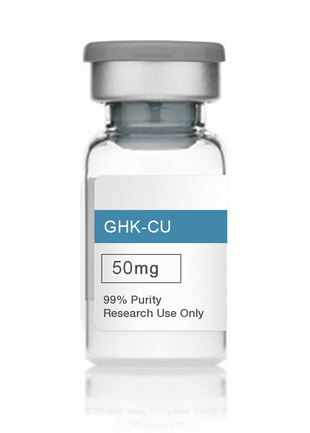
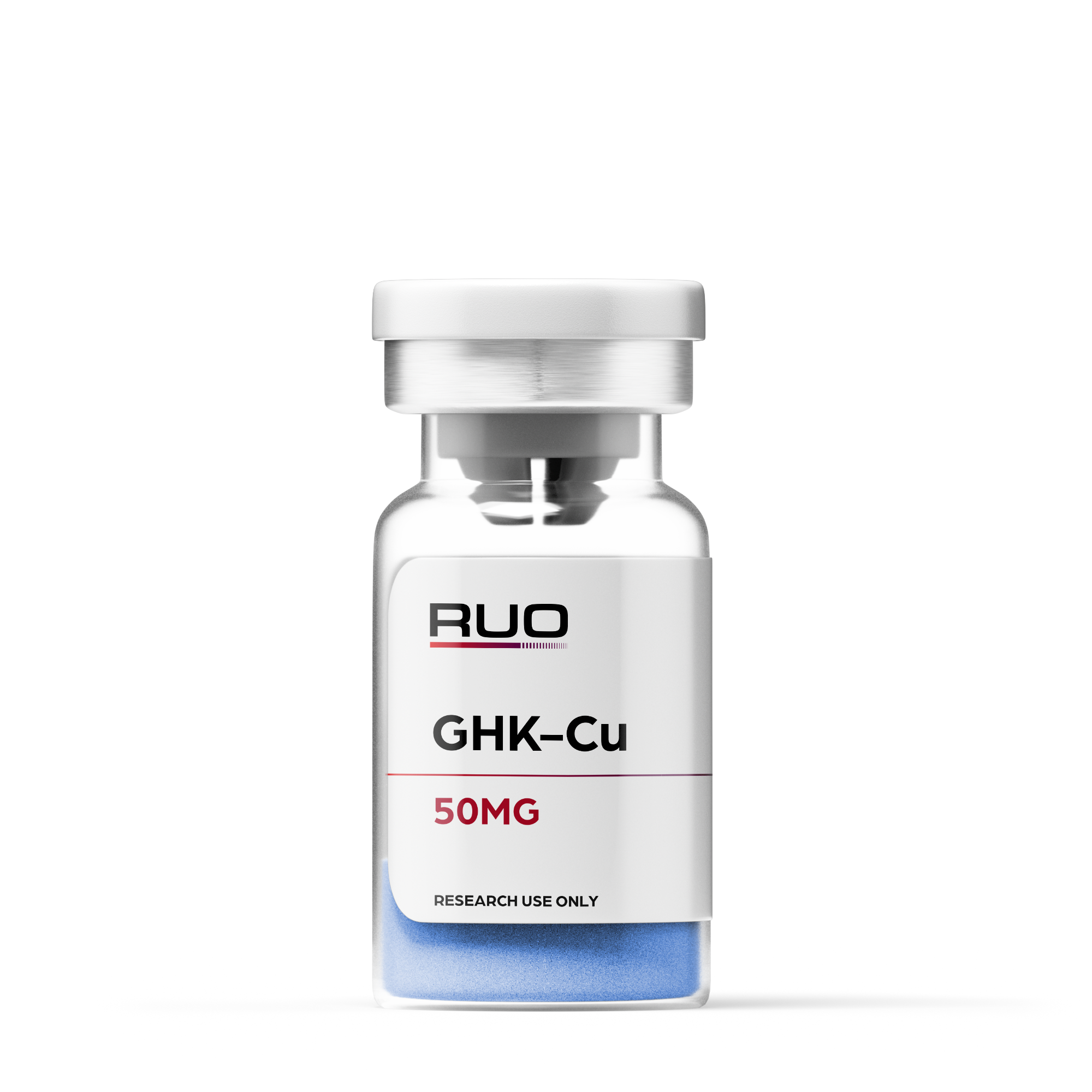
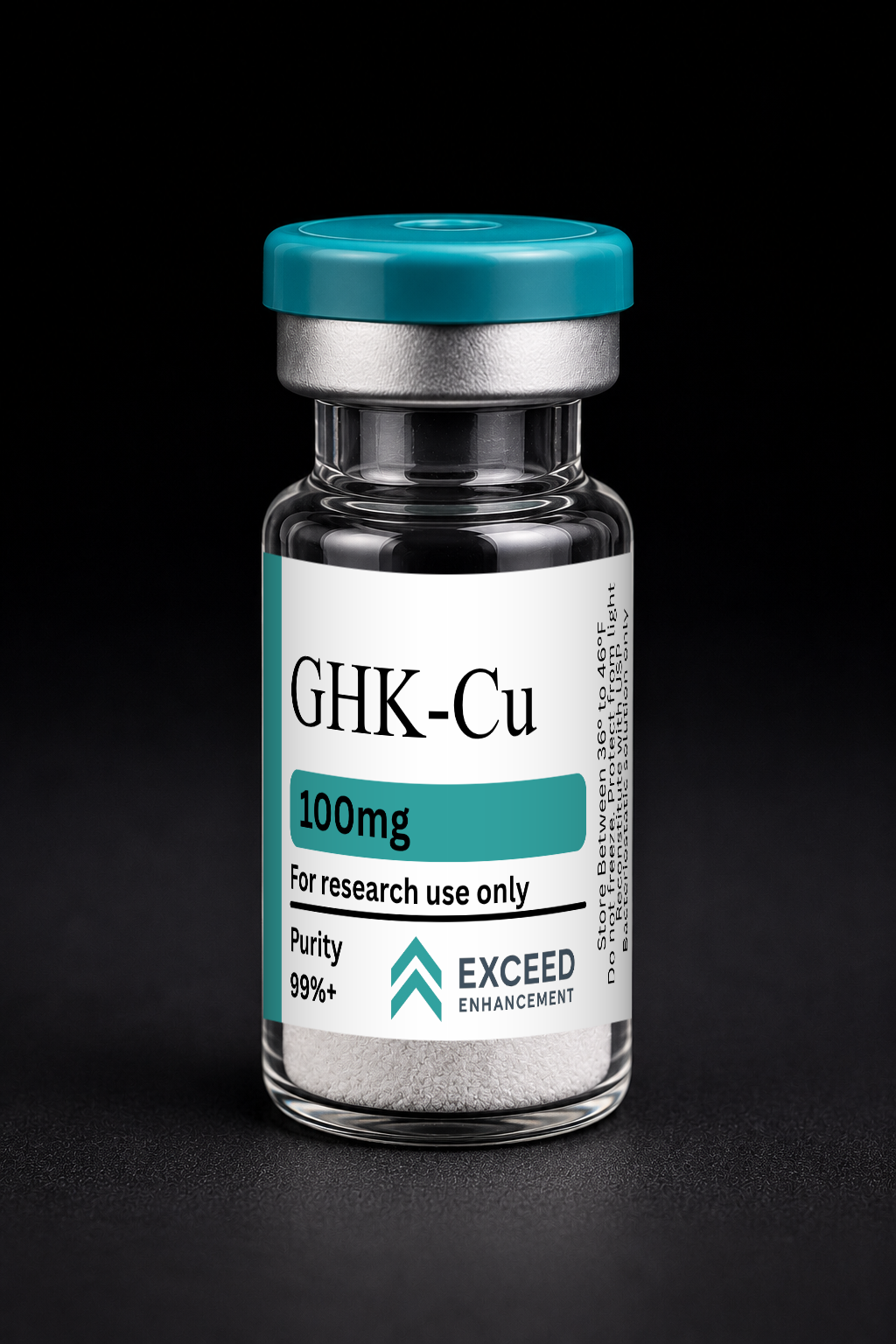
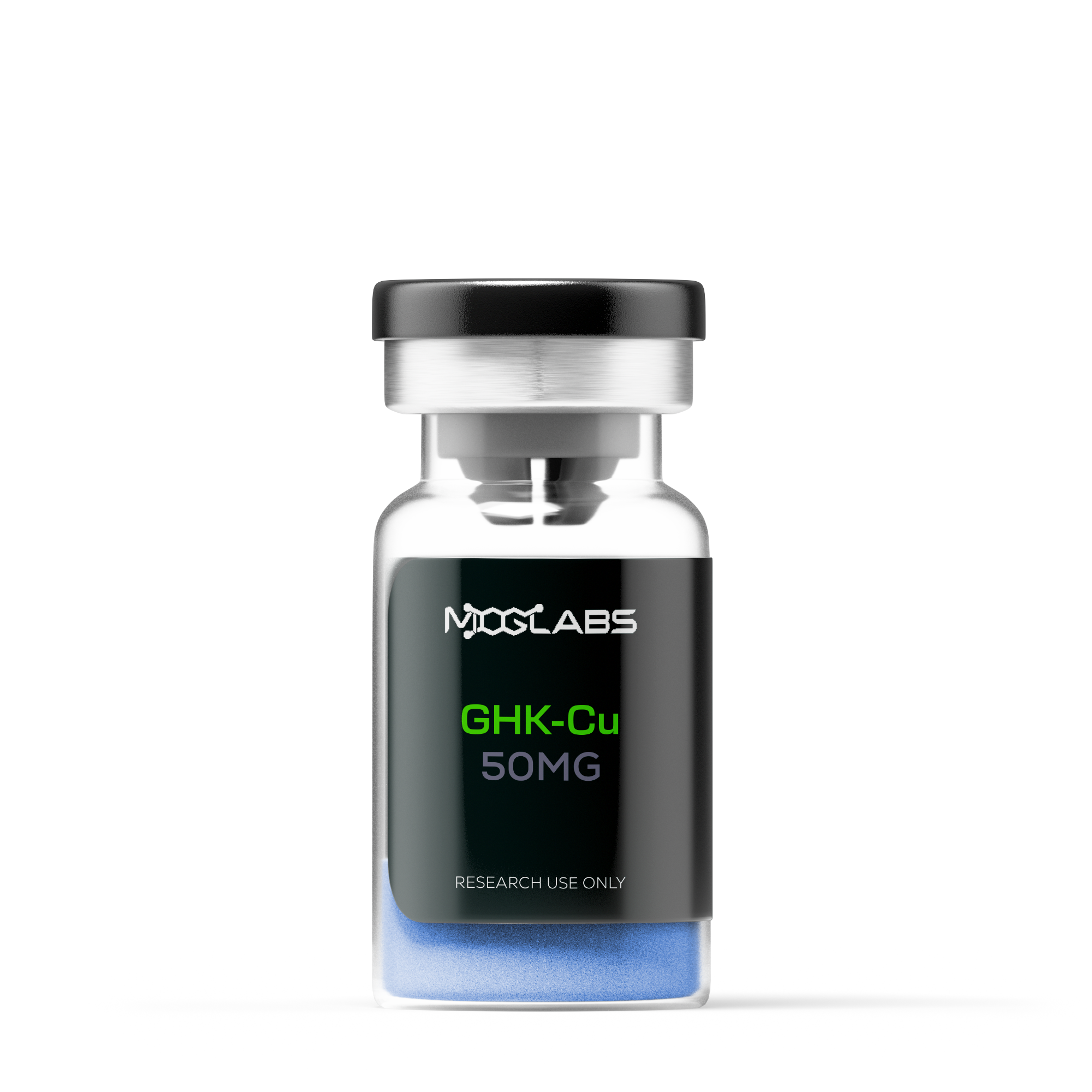
- The level of GHK in human blood falls from around 200 nanograms per milliliter at age 20 to about 80 by age 60, mirroring the body's declining ability to repair itself.
- Paired with low-molecular-weight hyaluronic acid, GHK-Cu boosted collagen IV production up to roughly 25-fold in laboratory cell tests.
Mechanism
GHK-Cu is beloved because it does something rare; it prompts the skin to behave younger, remodeling itself toward smoother texture, firmness, faster healing, and healthier follicles rather than simply moisturizing the surface. The effects people notice, better elasticity and fewer wrinkles, sit on top of a genuinely broad molecular program.
At the center of the mechanism is copper delivery paired with a shift in gene expression. GHK binds copper(II) and ferries it into cells, and the GHK-Cu complex then activates a wide set of remodeling processes; it increases production of collagen, elastin, and glycosaminoglycans, supports dermal fibroblasts, and raises expression of growth factors such as VEGF and FGF-2 [1]. Alongside this it acts as an anti-inflammatory and antioxidant agent, suppressing free radicals and modulating signals such as NF-kB that are thought to accelerate the diseases of aging [3]. It also chemoattracts macrophages and capillary cells and promotes angiogenesis and nerve outgrowth, which is why it accelerates wound healing across numerous models [1].
The quantitative signals are encouraging. The natural decline of serum GHK from roughly 200 to 80 nanograms per milliliter between ages 20 and 60 parallels the fall in regenerative capacity that topical GHK-Cu aims to offset [2], and in controlled human studies on aged skin the tightened skin and reduced wrinkles and photodamage [1]. In fibroblast and ex-vivo skin tests, pairing GHK-Cu with low-molecular-weight hyaluronic acid elevated collagen IV synthesis up to 25.4-fold in cell assays and about 2-fold in skin tissue, illustrating how strongly it can drive matrix production [4]. Gene-level analyses suggest these diverse benefits stem from GHK-Cu regulating many pathways at once rather than a single target [3].
receptor fingerprint
Copper delivery + collagen synthesispromotes
Gene expression (tissue remodeling)resets
Angiogenesis / antioxidantsupports
Dosingtypical ranges, not medical advice
interested in protocols and clinical dosages? make an account to see them! ^_^
Safetyrisks and cautions, not medical advice
Applied topically, GHK-Cu is very well tolerated, with mild transient irritation the main complaint. Injected or systemic use is far less characterized and carries a theoretical risk of copper overload with excessive dosing; the strongest evidence remains cosmetic and topical.
Reconstitutionarithmetic only, not dosing advice
arithmetic only; not medical or dosing advice.
History
The tripeptide GHK (glycyl-L-histidyl-L-lysine) was discovered by biochemist Loren Pickart in the early 1970s during doctoral research at the University of California, San Francisco. He identified GHK as a factor in human plasma that caused aged liver tissue to behave more like young tissue, and later established that its activity depends on its high affinity for copper(II), forming the GHK-Cu complex. Over the following decades the copper peptide was shown to stimulate collagen synthesis, wound healing, and tissue remodeling, leading to its widespread adoption in skincare and cosmetic formulations. Pickart's continued work, including a 2008 review on GHK and tissue remodeling, helped define the broad biochemical program the peptide activates.
Reputation
GHK-Cu enjoys near-legendary status among cosmetic peptides, often called the original and still-reigning copper peptide for anti-aging skincare. It is prized because it prompts skin to rebuild itself, boosting collagen, elastin, and glycosaminoglycans rather than merely moisturizing the surface, and controlled studies on aged skin have shown it can firm skin and reduce wrinkles and photodamage. Users and formulators value its combination of visible results, gentle tolerability, and a wide antioxidant and protective profile. Its reputation rests on a substantial body of research, though real-world results depend heavily on formulation and delivery.
Subjective profileweighing the evidence above
Worth it, and one of the few peptides where the evidence actually supports the reputation; applied topically it firms skin, speeds wound healing and is very easy to tolerate. Stick to topical use at the studied 0.1 to 2 percent range, since injected use is far less characterized.
Where to buy

9 other outlets


Suppliers
Vendors carrying GHK-Cu, with live product details and codes. Links are affiliate links that support the wiki at no cost to you.
| supplier | size | price | $/mg |
|---|---|---|---|
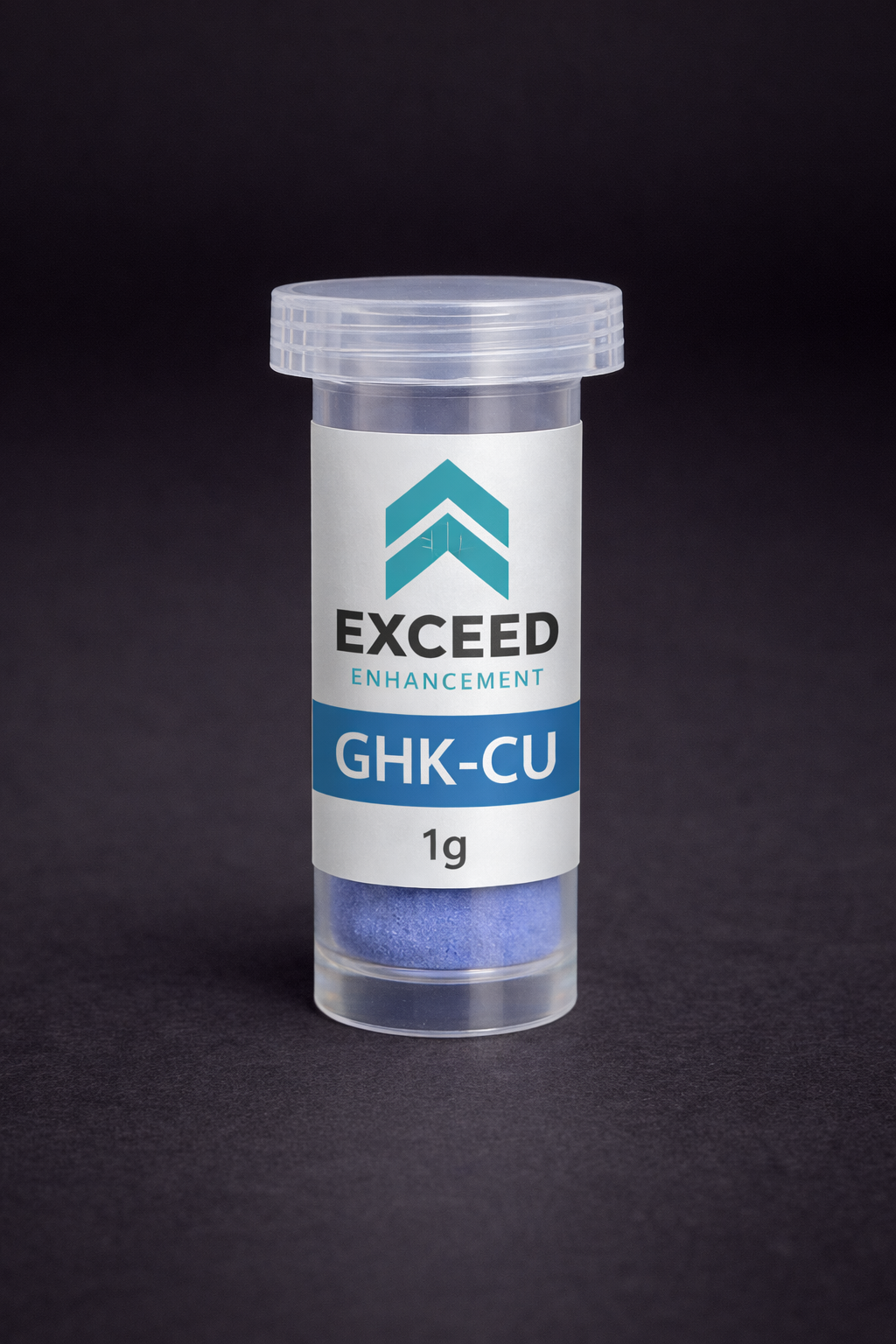
| Exceed Enhancementlowest | 1g | $25.00 | $0.025/mg |
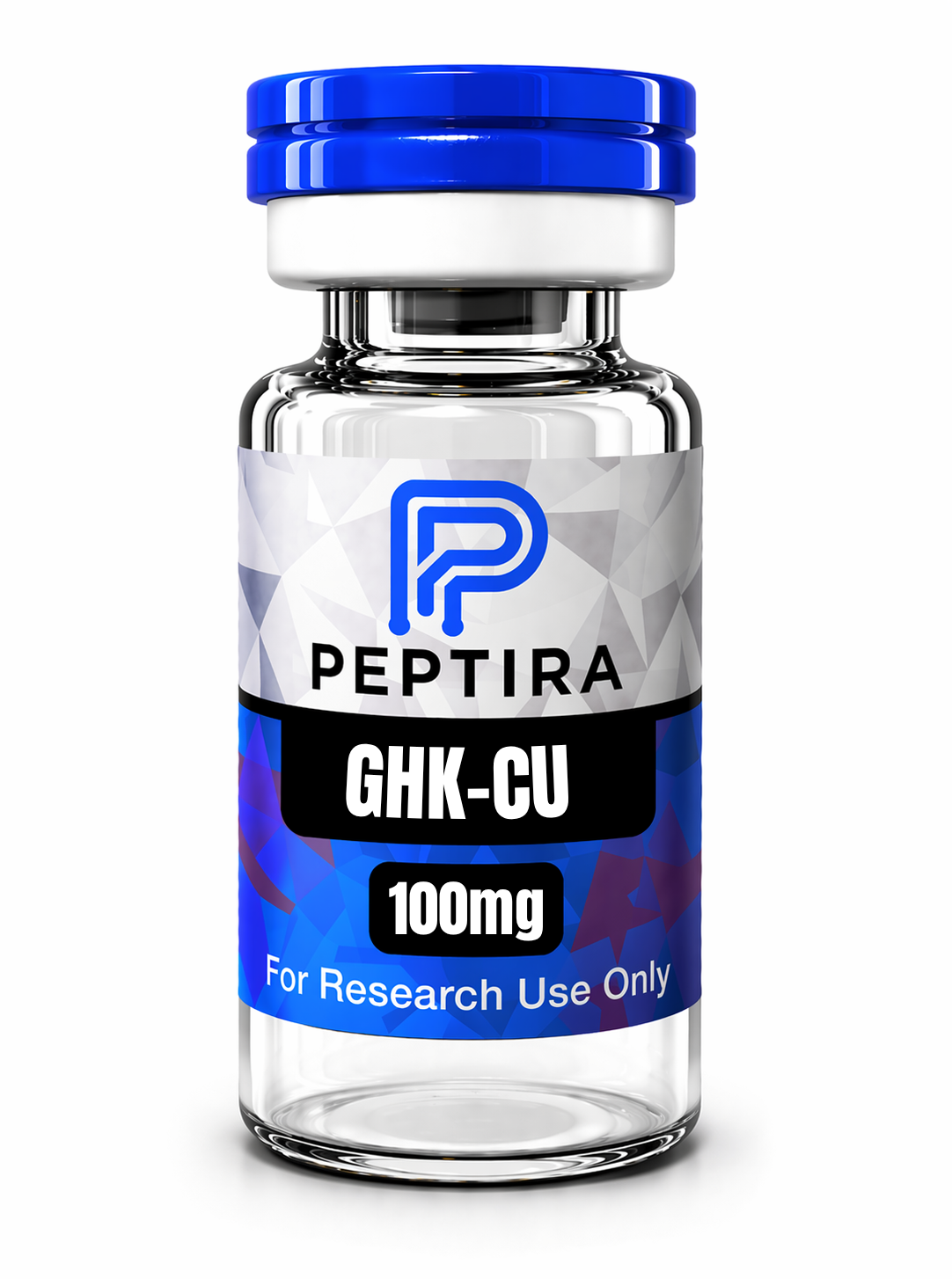
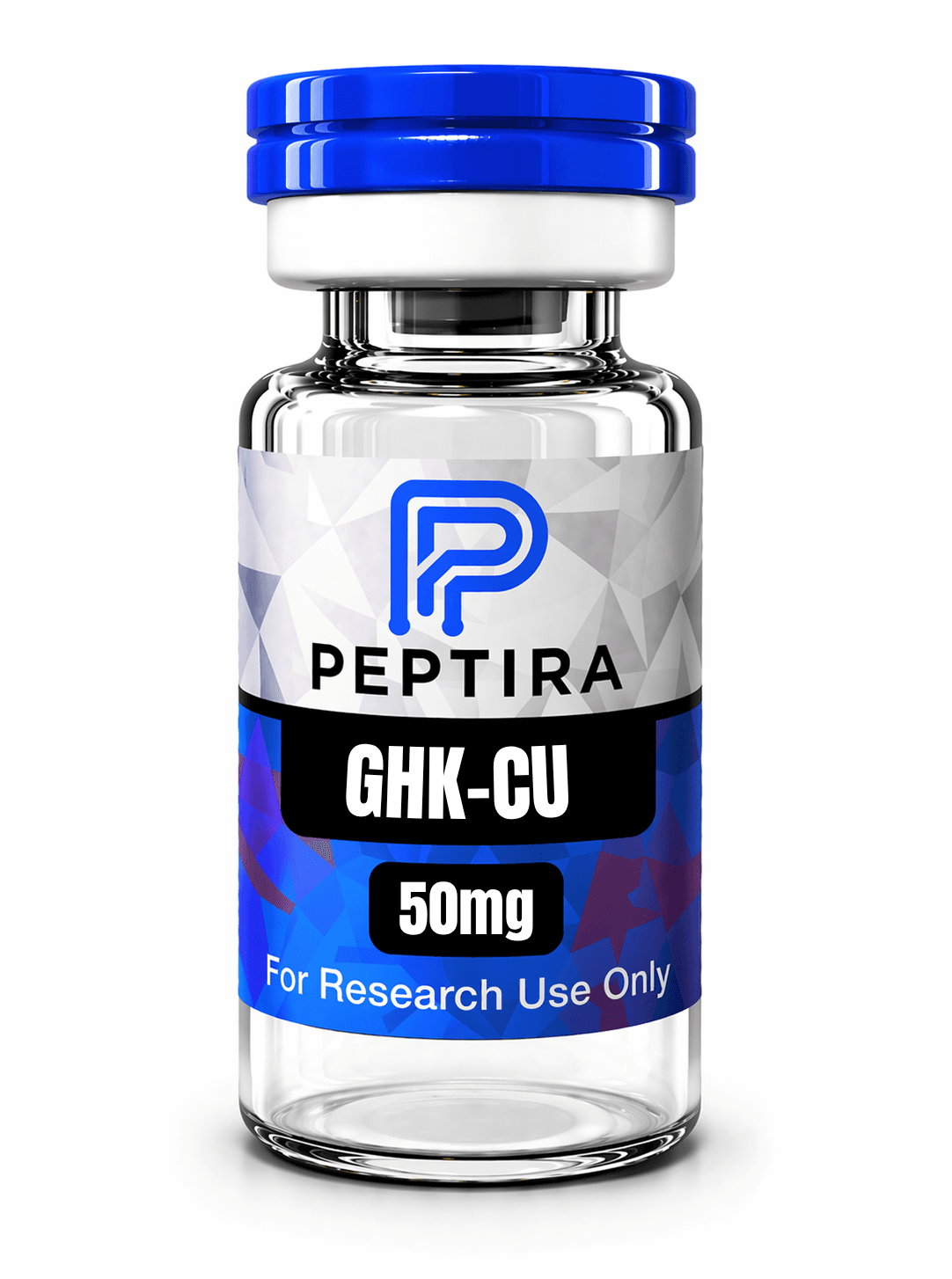
| Peptira | 100MG | $59.00 | $0.590/mg |
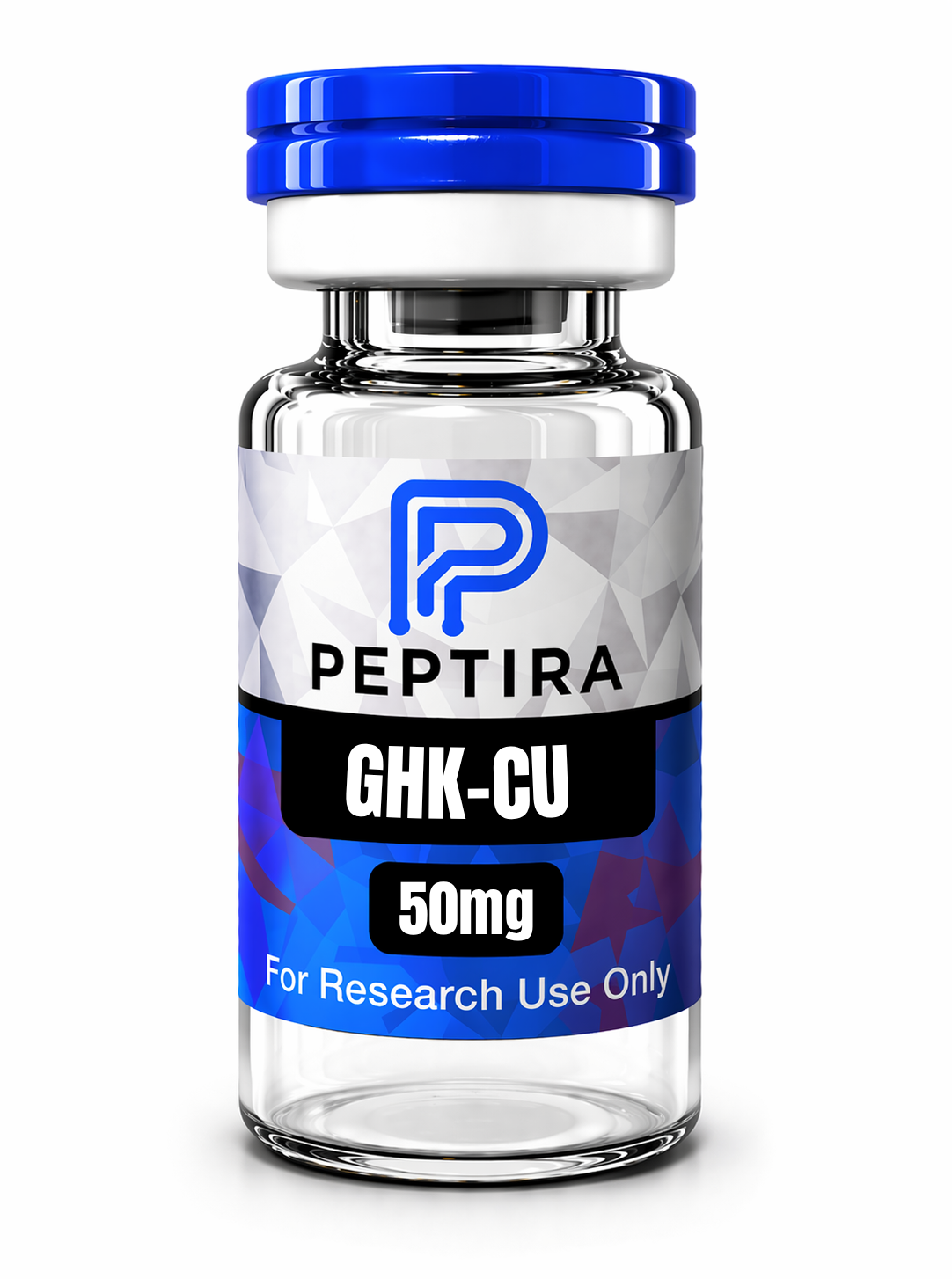
| Peptira | 50MG | $39.00 | $0.780/mg |

Exceed Enhancement
GHK-Cu
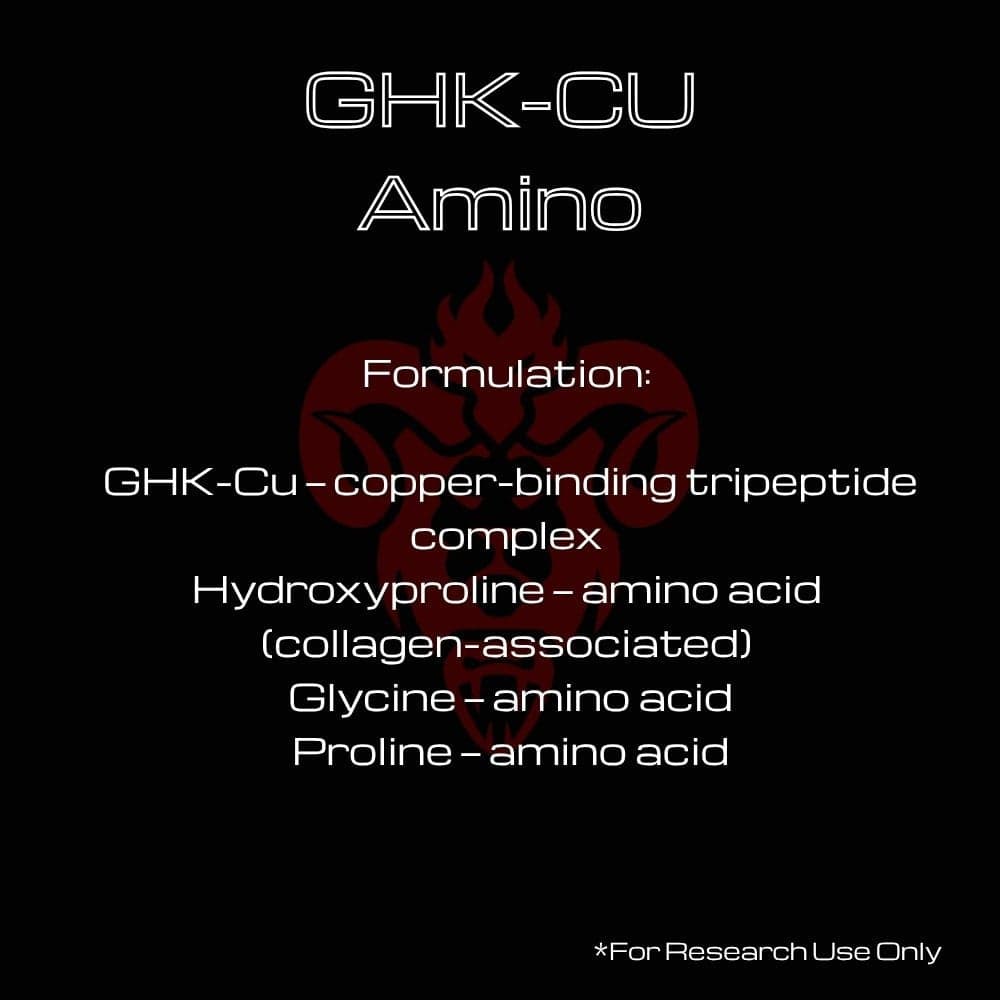
Kimera Chems
GHK-Cu
Kimera Chems
GHK-Cu
Peptira
GHK-cu | 50MG
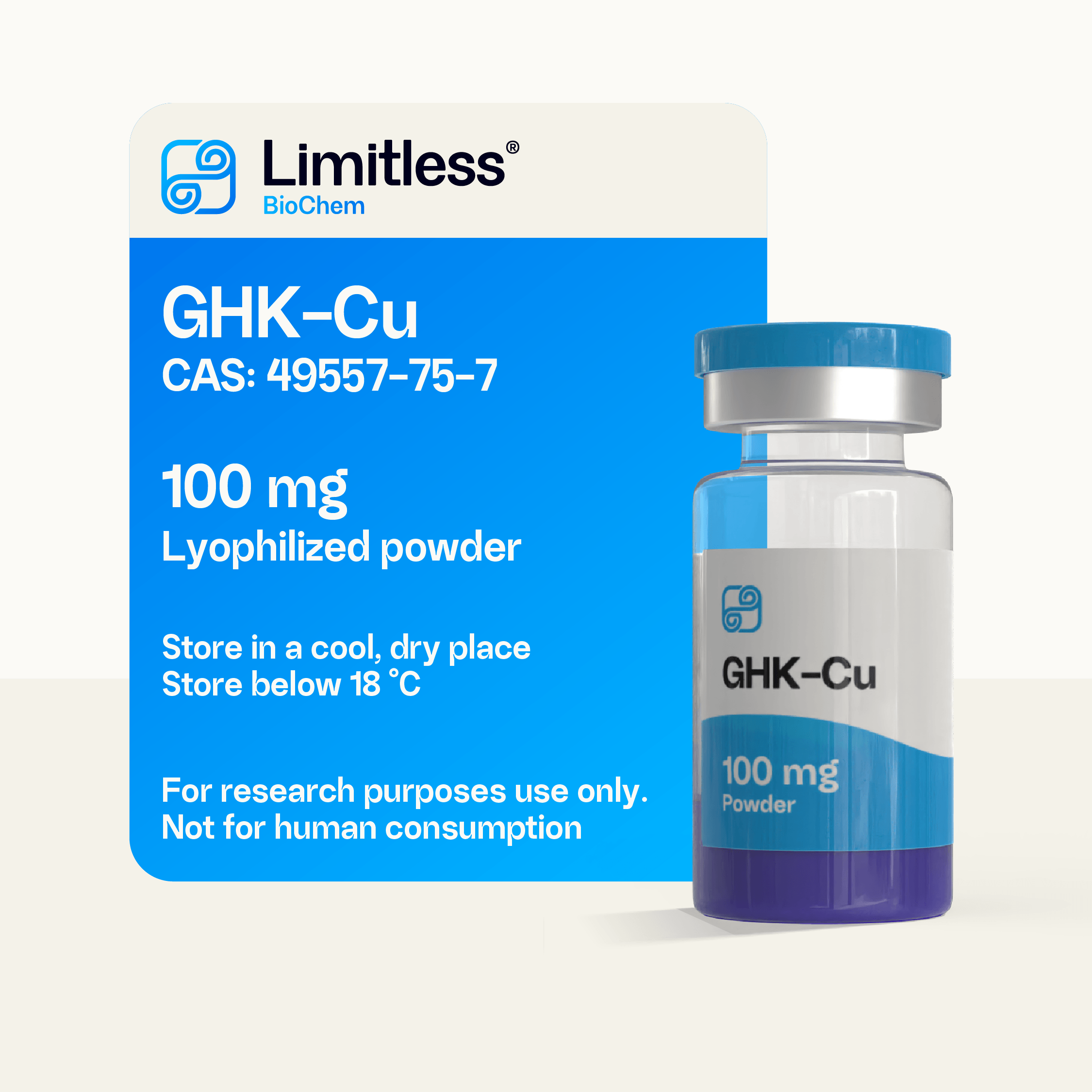
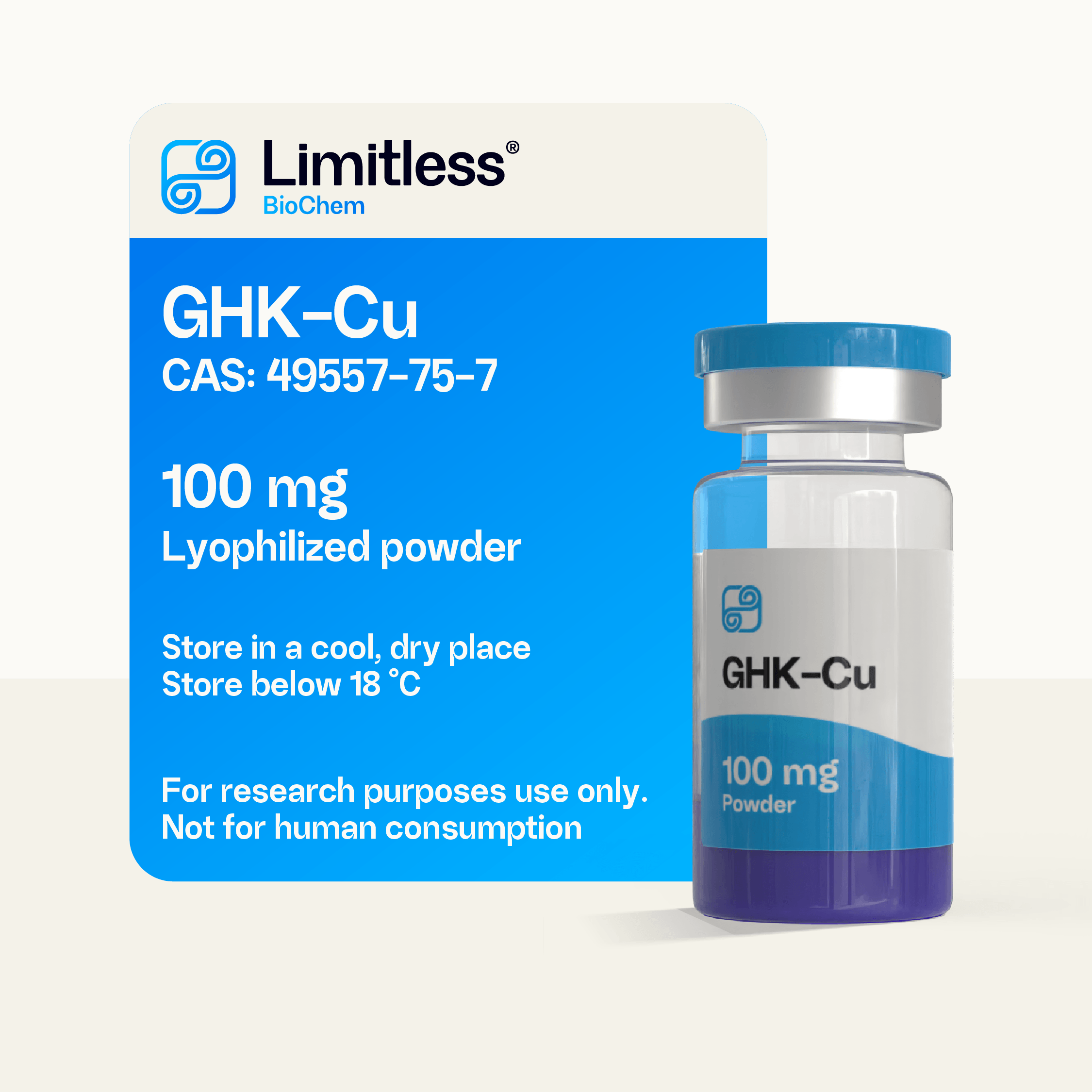
Limitless Biochem🌐
GHK-Cu
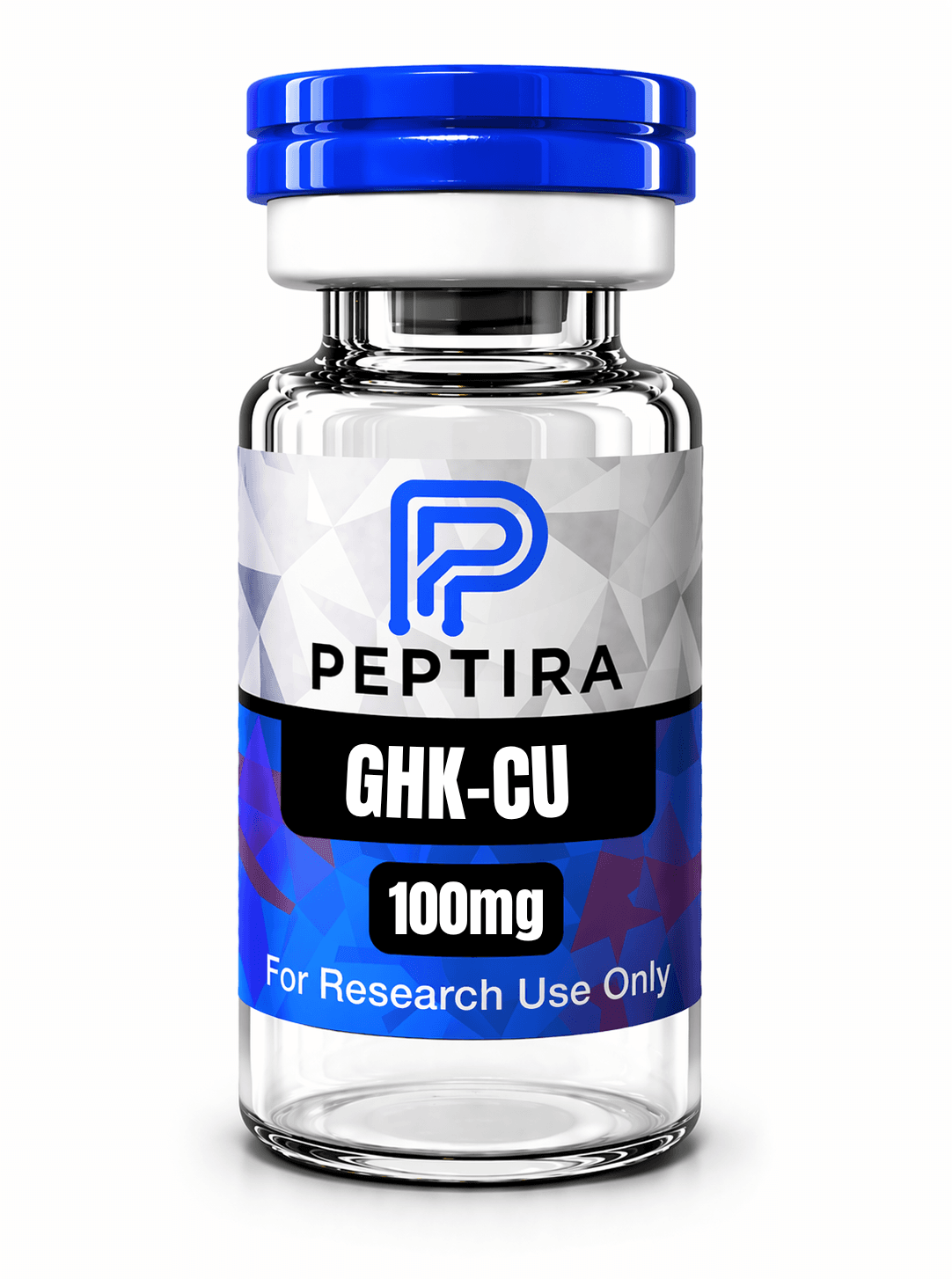
Peptira
GHK-cu | 100MG
RUPharma🌐
GHK-Cu
RUO
GHK-Cu
Exceed Enhancement
GHK-Cu
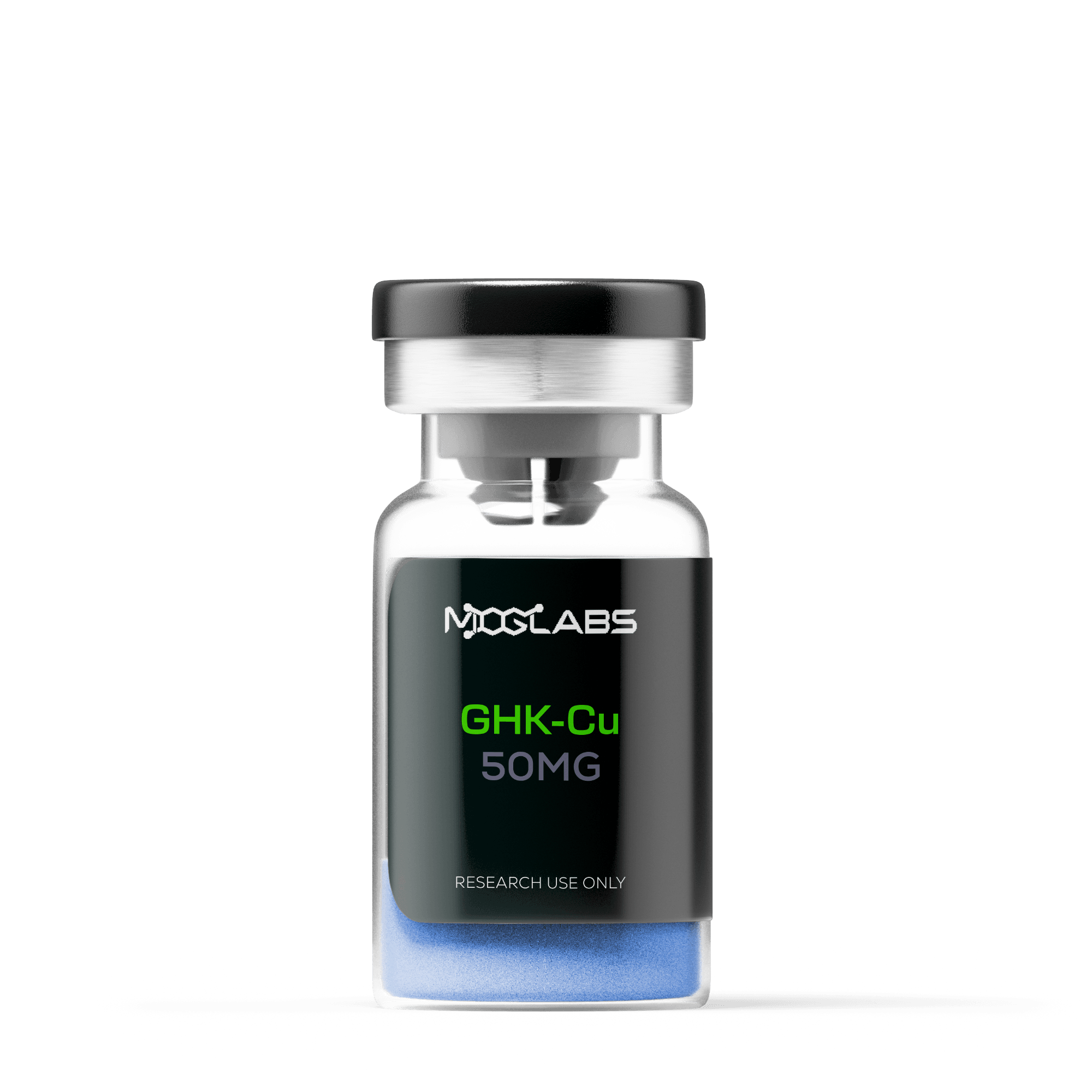
Moglabs
GHK-Cu
Research
- 2008first citedThe human tri-peptide GHK and tissue remodeling
- 2023most recentSynergy of GHK-Cu and hyaluronic acid on collagen IV upregulation via fibroblast and ex-vivo sk…
- 1.The human tri-peptide GHK and tissue remodeling
- 2.The potential of GHK as an anti-aging peptide
- 3.Regenerative and Protective Actions of the GHK-Cu Peptide in the Light of the New Gene Data
- 4.Synergy of GHK-Cu and hyaluronic acid on collagen IV upregulation via fibroblast and ex-vivo skin tests
4 listed here; entry last updated August 2026
Reviews
My notesprivate to this device
FAQ
Why the copper?
The peptide binds a copper ion, and copper plays a role in enzymes involved in skin and connective tissue repair. The complex is what's most studied for remodeling.
What is it used for?
It's researched for skin regeneration, collagen support, and wound healing. It's a popular ingredient in cosmetic peptide products.
Can it be combined with other actives?
Some ingredients like strong acids may affect peptide stability, so people often separate them in a routine. General skincare guidance applies.
How should it be stored?
Reconstituted peptide solutions are typically refrigerated and kept out of light. Dry powder is more stable at room temperature.
Adverse effects
- Possible mild skin irritation
- Some redness or tingling
- Copper sensitivity in a few people
- Long-term controlled data still building