
spec sheet11 rows
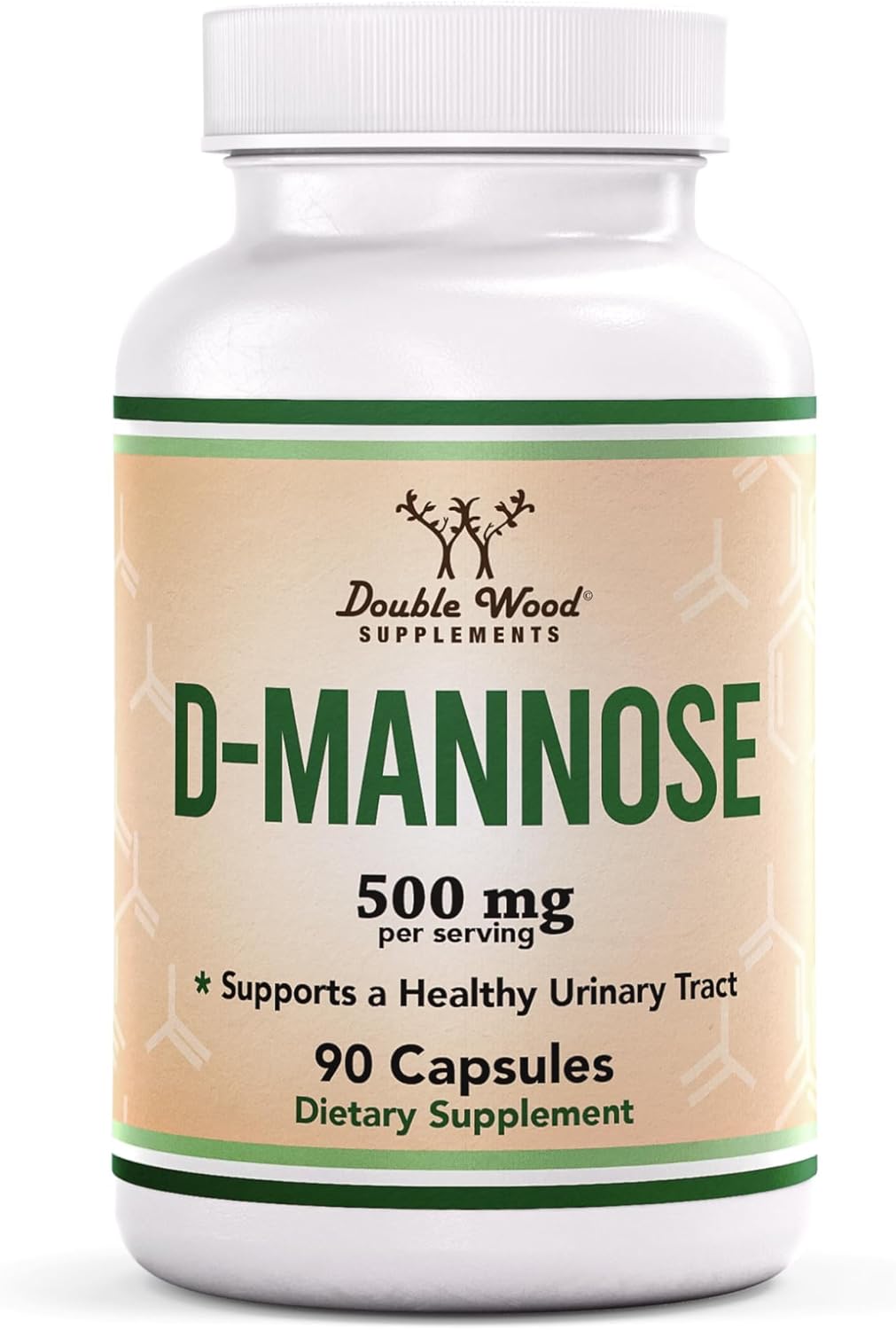
D-mannose is a simple sugar (monosaccharide) closely related to glucose, of which it is a C-2 epimer, and it occurs naturally in many fruits and as a building block of the sugar chains attached to proteins in the body. It plays a normal part in human metabolism and in protein glycosylation, and the body can make its own supply from glucose. As a supplement, D-mannose is best known for its use against recurrent urinary tract infections, where it is thought to stop bacteria from sticking to the bladder wall, although high-quality trial evidence for this use is mixed.
- A genuinely useful option for preventing recurrent E. coli UTIs
- Thought to stop bacteria sticking to the bladder wall
- A simple sugar found naturally in many fruits
- Low risk and well tolerated day to day
- Leaves gut flora alone in a way antibiotics do not
- Loose stools or mild digestive upset most common
Overview
D-mannose is an aldohexose sugar with the same chemical formula as glucose, differing only in the arrangement of a single hydroxyl group [4]. It is found in a range of fruits and, more importantly for biology, as a key component of the branched sugar chains that decorate many proteins [4]. Inside the body mannose can be phosphorylated and fed into the same metabolic routes as glucose, and the two sugars are interconvertible, so mannose is not an essential nutrient [4].
Mannose is a dominant sugar in N-linked glycosylation, a process that attaches sugar chains to proteins as they are made [4]. This role is medically significant: several rare inherited conditions known as congenital disorders of glycosylation stem from faults in mannose-related enzymes, and a few of these can be improved by giving dietary mannose or other simple sugars [4]. The immune system also recognizes exposed mannose patterns on the surfaces of certain microbes [4].
The most popular use of supplemental D-mannose is for preventing recurrent urinary tract infections, most of which are caused by Escherichia coli [1]. The rationale is that D-mannose interferes with the bacteria's ability to cling to the cells lining the urinary tract, so that they are washed away in the urine rather than establishing an infection [1]. Because it works physically rather than as an antibiotic, it has drawn interest as a non-antibiotic option at a time of growing antibiotic resistance [1].
The clinical evidence, however, is inconsistent. An earlier systematic review and meta-analysis suggested that D-mannose reduced recurrences compared with placebo and might be roughly as effective as preventive antibiotics, but it drew on a small number of modest studies [2]. A 2022 Cochrane review concluded that the existing trials were too few and too low in quality to support or refute the treatment [1]. Most tellingly, a large, well-conducted randomized trial published in 2024 found that daily D-mannose did not reduce the proportion of women with recurrent infections who went on to have another one, leading its authors to advise against recommending it for this purpose in primary care [3].
D-mannose is generally well tolerated, with loose stools or mild digestive upset being the most common complaints [1][2]. It is sold as a dietary supplement, typically as a powder or in capsules, rather than as an approved medicine, and it is not classed as an essential nutrient because the body makes its own [4].
Mechanism
D-mannose's proposed action in the urinary tract is mechanical rather than antimicrobial [1]. Many strains of uropathogenic Escherichia coli grip the bladder lining using hair-like appendages called type 1 fimbriae, which are tipped with a mannose-binding adhesin known as FimH; this adhesin normally latches onto mannose-containing sugars on the surface of bladder cells [1]. When D-mannose is present in the urine at high levels, it is thought to occupy these FimH binding sites, so the bacteria attach to free sugar molecules instead of to the bladder wall and are then flushed out during urination [1].
Beyond the urinary tract, mannose works through ordinary metabolism: it is taken into cells and phosphorylated to mannose-6-phosphate, which can either enter the glycolysis pathway or be used to build the mannose-rich sugar chains added to proteins during glycosylation [4]. It is this second role that makes dietary mannose useful in a handful of glycosylation disorders [4].
receptor fingerprint
E. coli FimH adhesinblocks binding
Bacterial urinary colonizationreduces
Urinary flushing of bacteriapromotes
Dosingtypical ranges, not medical advice
interested in protocols and clinical dosages? make an account to see them! ^_^
Safetyrisks and cautions, not medical advice
Very well tolerated; high doses can cause loose stools or bloating because it's an incompletely absorbed sugar. It has minimal effect on blood glucose at usual doses but diabetics should still be mindful. It's a prevention tool, not a treatment for an established, severe infection, which still needs medical care.
Subjective profileweighing the evidence above
A genuinely useful, low-risk option for preventing recurrent E. coli UTIs. Not a cure-all, and not a substitute for antibiotics in a real infection.
Where to buy
1 other outlet

Suppliers
Vendors carrying D-Mannose, with live product details and codes. Links are affiliate links that support the wiki at no cost to you.
Amazon
D-Mannose
iHerb
D-Mannose
Research
- 2010first citedMetabolic manipulation of glycosylation disorders in humans and animal models
- 2020meta-analysisD-mannose vs other agents for recurrent urinary tract infection prevention in adult women: a sy…
- 2024most recentd-Mannose for Prevention of Recurrent Urinary Tract Infection Among Women: A Randomized Clinica…
- 1.D-mannose for preventing and treating urinary tract infections.
- 2.D-mannose vs other agents for recurrent urinary tract infection prevention in adult women: a systematic review and meta-analysis
- 3.d-Mannose for Prevention of Recurrent Urinary Tract Infection Among Women: A Randomized Clinical Trial
- 4.Metabolic manipulation of glycosylation disorders in humans and animal models
4 listed here; entry last updated August 2026
Reviews
My notesprivate to this device
FAQ
How does D-mannose stop UTIs?
It coats the grippers E. coli use to stick to the bladder, so the bacteria get flushed out in urine instead of colonizing.
Does it work for all UTIs?
Mainly E. coli infections, which are most common. It won't help UTIs from other bacteria.
Can it replace antibiotics?
For prevention it can reduce recurrences, but an active, symptomatic infection still needs proper medical treatment.
Will it spike my blood sugar?
Minimally at usual doses, since the body metabolizes it poorly, but diabetics should stay mindful.
How much should I take?
Around 2 g once or twice daily is common for prevention.
Limitations of the evidence
- Trial evidence for UTI prevention is mixed
- A large 2024 trial found no benefit in primary care
Adverse effects
- Loose stools or mild digestive upset most common
Notes and cautions
- Generally well tolerated
- Sold as a supplement, not an approved medicine