
spec sheet11 rows
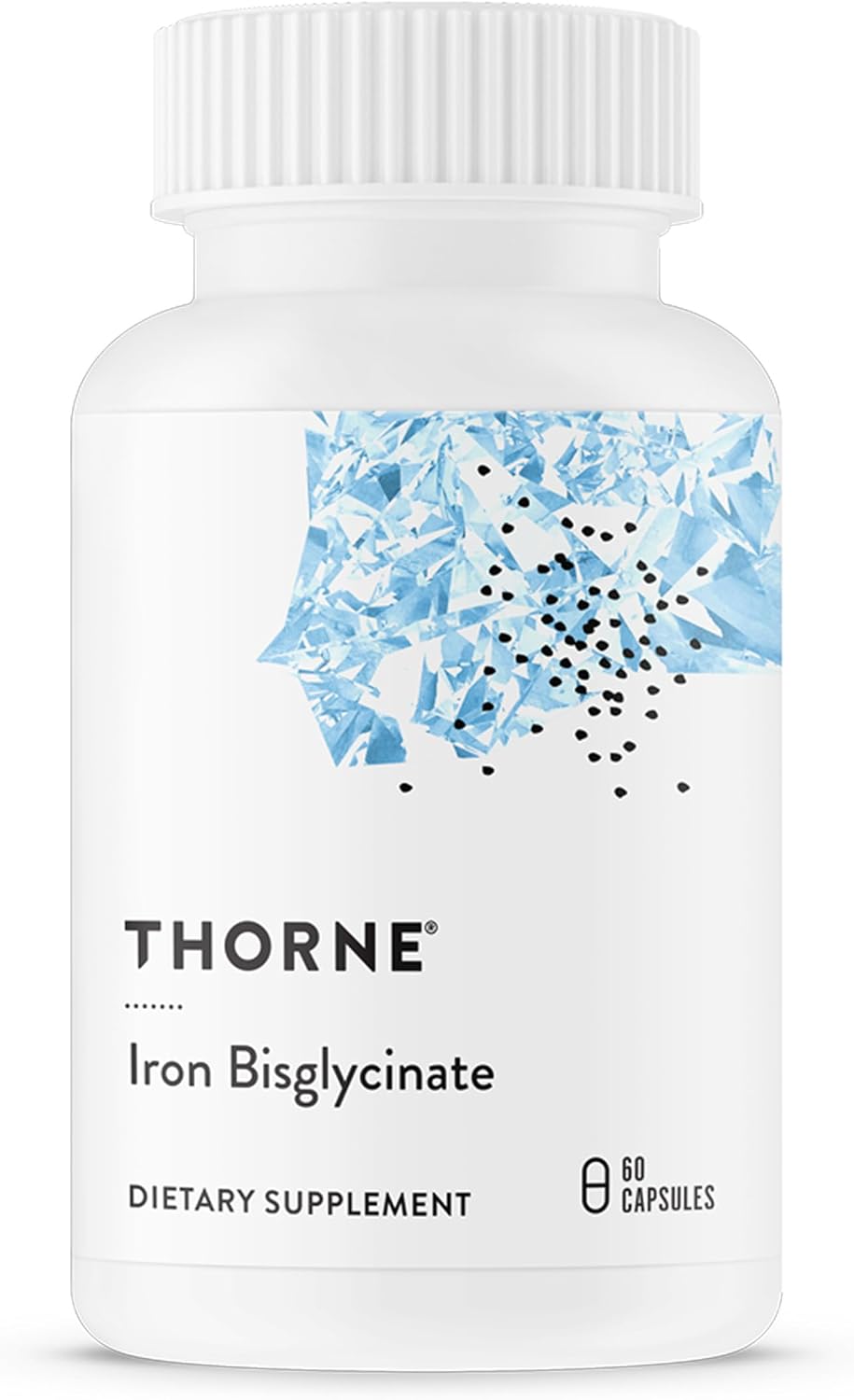
Iron bisglycinate, also called ferrous bisglycinate, is a form of dietary iron in which the iron is chemically bound, or chelated, to two molecules of the amino acid glycine. It is used as an oral iron supplement and in food fortification to prevent and treat iron deficiency, and it is often promoted as being better absorbed and gentler on the stomach than conventional iron salts such as ferrous sulfate. It is a chelated amino acid iron compound rather than a distinct drug.
- Gentler on the stomach than ferrous sulfate
- Used to prevent and treat iron deficiency
- Chelated to glycine for absorption at lower doses
- Restores the energy that low iron quietly drains
- Supports oxygen delivery to muscles and brain
- Sidesteps the constipation cheap iron salts cause
- Generally better tolerated than iron salts, but can still cause nausea or constipation
- A metallic taste in some users
Overview
Iron bisglycinate is a chelated form of iron, meaning the metal is enclosed within an organic molecule rather than existing as a simple salt [1]. Specifically, one atom of ferrous iron is bound to two molecules of glycine, the smallest amino acid, producing a stable, low-molecular-weight compound sometimes sold under the trade name Ferrochel [1]. It belongs to a broader category of amino acid iron chelates developed as alternatives to traditional iron salts for supplements and food fortification [1].
The appeal of the chelate rests on the difficulties of ordinary iron supplements [2]. Iron salts such as ferrous sulfate are effective but poorly tolerated by many people, frequently causing nausea, constipation, an unpleasant metallic taste, and stomach discomfort, which leads some to stop taking them [2]. In addition, non-heme iron from salts is easily bound by components of food and drink that reduce its absorption [1]. By locking the iron inside glycine, ferrous bisglycinate is intended to resist these interactions, improve absorption, and reduce the amount of free iron irritating the digestive tract [1].
Clinical studies have compared iron bisglycinate with ferrous sulfate for correcting iron deficiency [2]. In one trial in pregnant women, supplementation with the bisglycinate chelate improved hemoglobin and iron stores more effectively than ferrous sulfate even though a lower amount of iron was given, and it was associated with better tolerance and fewer complaints about taste [2]. Other trials, such as one in anemic schoolchildren, found the chelate and ferrous sulfate to be similarly effective at raising hemoglobin [3]. More recent comparative work in animals has continued to examine the absorption and gastrointestinal tolerability of ferrous bisglycinate alongside other iron forms [4]. Overall, the evidence supports it as an effective iron source, with a possible advantage in tolerability, though findings are not uniform across studies [3][4].
Iron bisglycinate is widely used as an over-the-counter dietary supplement and as a fortificant added to foods, and it is generally recognized as safe for these purposes in many countries [1]. It is taken to prevent or treat iron deficiency and iron-deficiency anemia, and is often chosen by people who cannot tolerate conventional iron tablets [2]. Like all iron products it can still cause digestive side effects in some users, its darker stools are expected, and, importantly, it carries the same risk of iron overload and of dangerous overdose, especially in children, so it should be used only when iron is actually needed [2].
Mechanism
In iron bisglycinate, a single ferrous iron ion is held within a stable ring structure by two glycine molecules, each bonded to the iron through its nitrogen and oxygen atoms, forming what chemists call an amino acid chelate [1]. To qualify as a nutritionally useful chelate the compound must have a low molecular weight, a binding strength that holds the iron together in the acidic stomach yet releases it for use in the body, and a , glycine, that the body can metabolize; ferrous bisglycinate meets these criteria [1].
The practical idea behind the chelate is that wrapping the iron in glycine shields it from dietary substances such as phytates, tannins, and other minerals that normally bind non-heme iron and block its absorption, and it may allow the iron to be taken up partly through amino acid pathways as well as the usual iron transporter [1]. Because more of the iron is thought to reach the bloodstream and less remains free in the gut, its proponents argue the chelate can work at lower amounts and cause less of the irritation that leads to the constipation and stomach upset common with iron salts [2]. Once absorbed, the iron itself behaves like any other iron, entering the body's iron pool to be used for hemoglobin and stored as ferritin [2].
receptor fingerprint
Hemoglobin synthesiscofactor
Myoglobincofactor
Duodenal iron uptakesubstrate
enzymescofactor
Gut mucosaspares
Dosingtypical ranges, not medical advice
interested in protocols and clinical dosages? make an account to see them! ^_^
Safetyrisks and cautions, not medical advice
Generally better tolerated than ferrous sulfate, with less constipation and nausea, though gut side effects still happen. Overload risk is the same as any iron form, so don't stack it on top of an already-replete state. Keep away from children.
Subjective profileweighing the evidence above
The iron form worth reaching for on tolerability. Same 'test first' caveat as any iron.
Where to buy
Suppliers
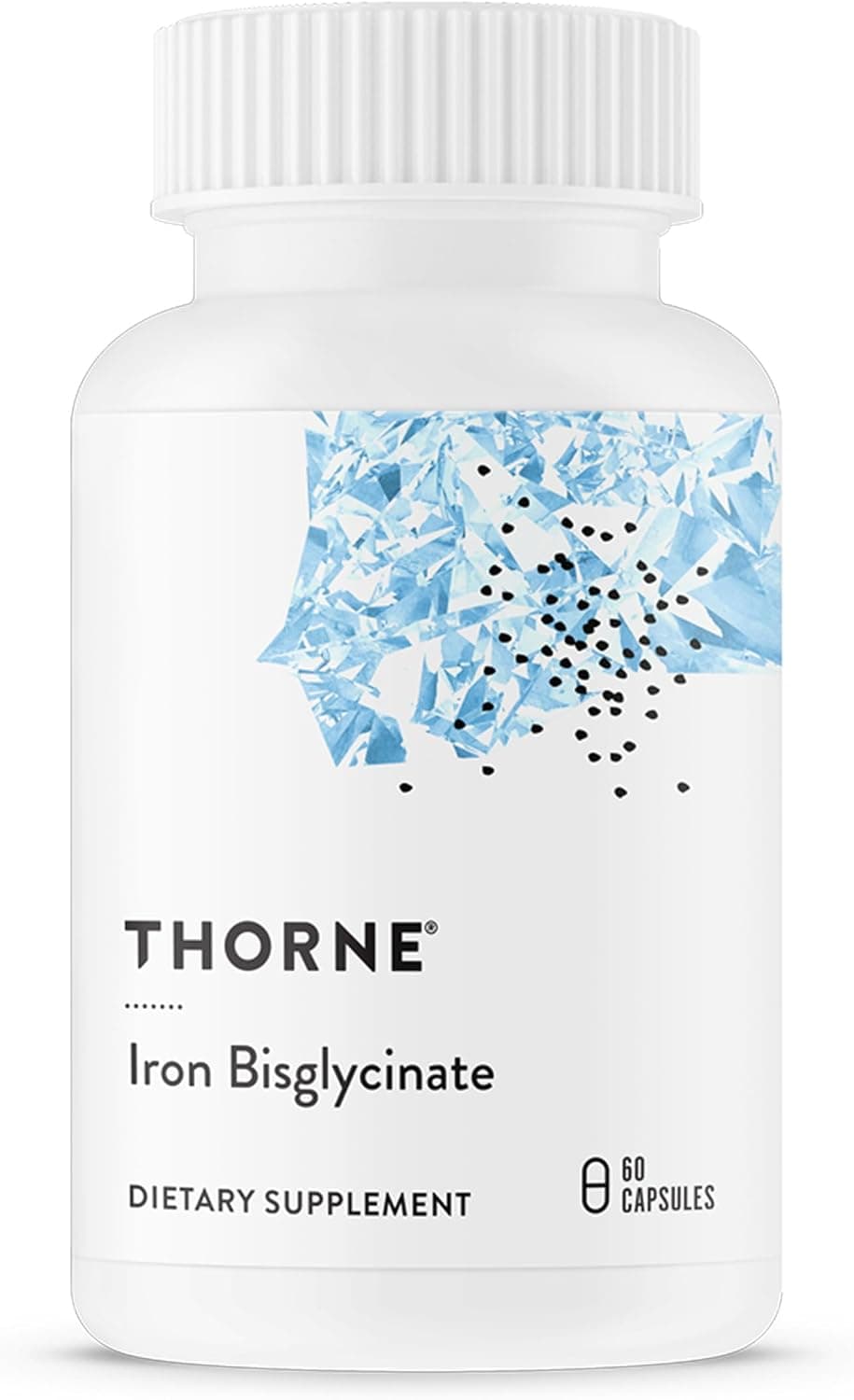
Vendors carrying Iron Bisglycinate, with live product details and codes. Links are affiliate links that support the wiki at no cost to you.
Amazon
Iron Bisglycinate
Research
- 2001first citedThe chemistry of ferrous bis-glycinate chelate
- 2007controlled trial[Effectiveness of different iron supplementation strategies on hemoglobin and ferritin levels a…
- 2025most recentComparative study of the effects of different iron sources on bioavailability and gastrointesti…
- 1.The chemistry of ferrous bis-glycinate chelate
- 2.Relative effectiveness of iron bis-glycinate chelate (Ferrochel) and ferrous sulfate in the control of iron deficiency in pregnant women
- 3.[Effectiveness of different iron supplementation strategies on hemoglobin and ferritin levels among schoolchildren in Teresina, Piauí State, Brazil].
- 4.Comparative study of the effects of different iron sources on bioavailability and gastrointestinal tolerability in iron-deficient rats
4 listed here; entry last updated August 2026
Reviews
My notesprivate to this device
FAQ
Is bisglycinate really better tolerated?
For many people yes; studies and anecdote both point to less GI upset than ferrous sulfate.
Can I use a lower dose?
Often yes, since absorption tends to be more efficient, but match the dose to your bloodwork and clinician advice.
Does it still cause dark stools?
Yes, that's normal with any oral iron and isn't a problem.
Do I still need to test iron first?
Absolutely; the gentler form doesn't change the rule that iron should be taken only when you're deficient.
Take with food or empty stomach?
Empty stomach absorbs best but a light meal is fine if it bothers your gut.
Adverse effects
- Generally better tolerated than iron salts, but can still cause nausea or constipation
- A metallic taste in some users
Notes and cautions
- Dark or black stools, which are harmless
- Excess intake can lead to iron overload over time
- Overdose is a serious poisoning risk, especially in young children