
spec sheet10 rows
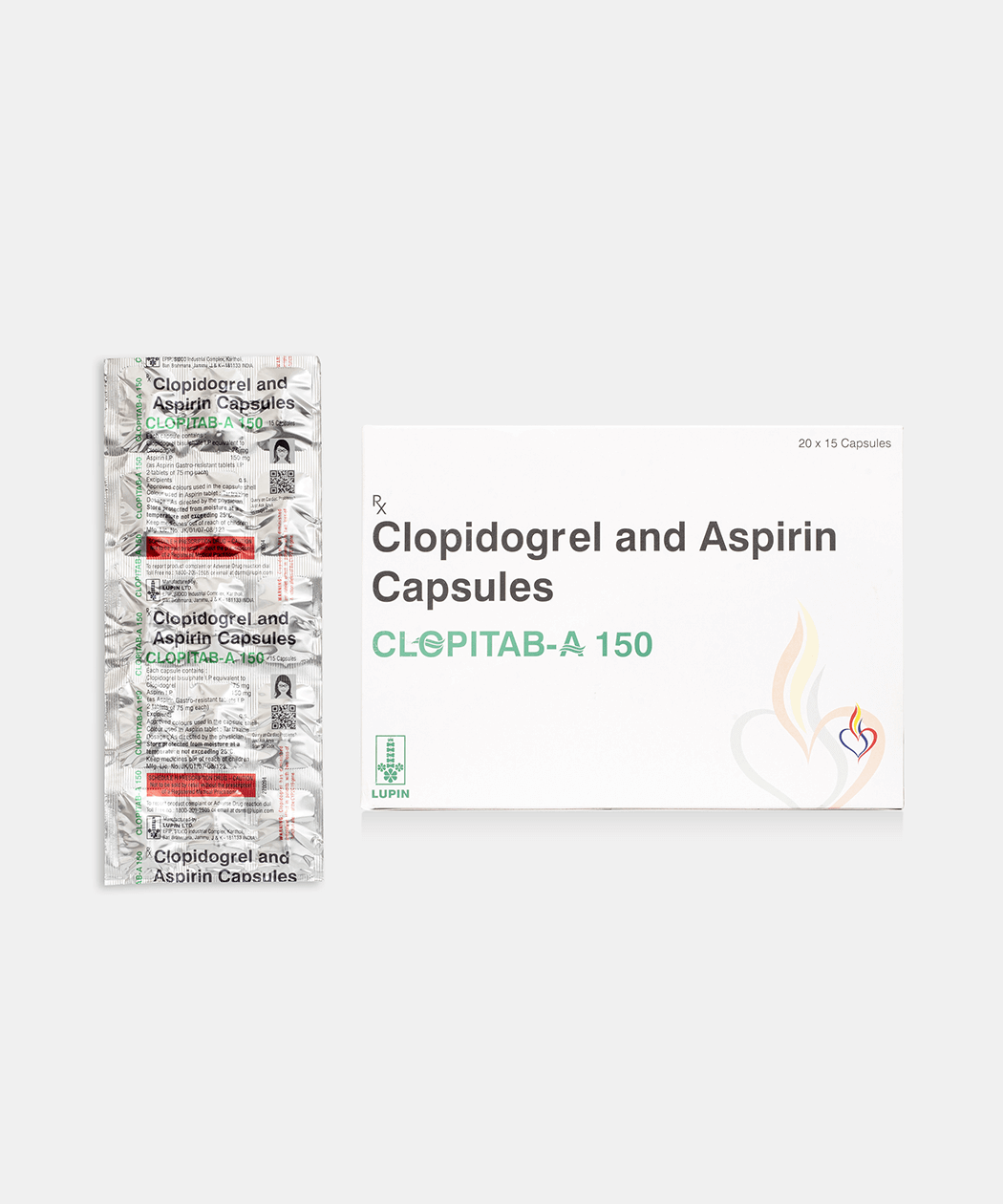
Clopidogrel + Aspirin Clopidogrel plus aspirin is a combination of two antiplatelet drugs, known as dual antiplatelet therapy, used to make blood clots less likely in people at high cardiovascular risk [1][2][3]. The two medicines block platelet activation by different routes, so together they inhibit clotting more completely than either alone [1][2]. The combination is a standard treatment after coronary stent placement and in acute coronary syndromes, and short courses are used soon after a minor ischaemic stroke or transient ischaemic attack; the added protection comes at the cost of a higher bleeding risk [3][4][5].
- Prevents more clots than aspirin alone
- Standard of care after stenting or a minor stroke
- Two antiplatelet drugs blocking platelets by different routes
- Keeps coronary stents open and clot free
- Short courses after a transient ischaemic attack
- Proven protection for people at high cardiovascular risk
- Higher risk of bleeding than aspirin alone, including bruising and nosebleeds
- Gastrointestinal bleeding or stomach irritation
- Indigestion or heartburn
Overview
The pairing of clopidogrel and aspirin, often referred to as dual antiplatelet therapy, is one of the most widely used strategies in cardiovascular medicine for preventing harmful blood clots [3]. Both drugs are antiplatelet agents, meaning they act on platelets rather than on the clotting proteins targeted by anticoagulants, but they do so through separate and complementary mechanisms, which is why they are frequently given together [1][2]. The combination is used both as two separate tablets taken together and, in some markets, as a single fixed-dose product [1].
Aspirin blocks an enzyme called cyclooxygenase inside platelets, which stops them from making thromboxane A2, a chemical messenger that recruits and activates other platelets [2]. Clopidogrel works further along the process, at the P2Y12 receptor that platelets use to respond to another activating signal, adenosine diphosphate [1]. By shutting down two different activation pathways at once, the combination applies a stronger brake on clot formation than either drug used on its own [1][2].
In heart disease, the combination is a cornerstone of care for acute coronary syndromes and for patients who receive a coronary stent, where it helps prevent the stent and nearby vessels from clotting off during the vulnerable weeks and months after the procedure [3]. A large randomised trial in acute coronary syndromes without ST-segment elevation found that adding clopidogrel to aspirin reduced the combined rate of cardiovascular death, heart attack and stroke, which helped establish the regimen as standard practice [3].
The combination has also become important in stroke prevention. Trials in people who had just experienced a minor ischaemic stroke or a high-risk transient ischaemic attack showed that a short course of clopidogrel plus aspirin, started within a day of symptoms, lowered the risk of a further stroke over the following weeks compared with aspirin alone [4][5]. Because the benefit is concentrated in the early period while the bleeding risk accumulates over time, this dual therapy is generally used for only a limited number of weeks in the stroke setting before stepping back to a single drug [5].
The chief drawback of combining two antiplatelet drugs is bleeding: across the major trials, clopidogrel plus aspirin consistently caused more major bleeding than aspirin alone, so the decision to use it, and for how long, balances the reduction in clotting events against this added hazard [3][4][5]. Both component drugs are inexpensive and widely available; aspirin is sold over the counter in many countries, while clopidogrel is a prescription medicine, and both appear individually on the World Health Organization Model List of Essential Medicines [1][2]. The duration of dual therapy is tailored to the individual and to the reason for treatment [3][5].
- The two drugs block platelets by completely different mechanisms, aspirin through cyclooxygenase-1 and thromboxane, clopidogrel through the P2Y12 ADP receptor, which is precisely why combining them is more complete than either alone.
- Trials such as CHANCE and POINT showed that a brief course of the combination after a minor stroke or transient ischemic attack cuts recurrent strokes, whereas extending it mainly adds bleeding risk.
- Because both drugs disable each platelet irreversibly, their combined effect persists until the body replaces its platelets over the following days.
Mechanism
The rationale for combining clopidogrel and aspirin is that they suppress platelet activation through two independent pathways [1][2]. Aspirin irreversibly inactivates the enzyme cyclooxygenase-1 in platelets, which halts the production of thromboxane A2, a potent promoter of platelet aggregation and vessel constriction [2]. Clopidogrel, after being activated in the liver, irreversibly blocks the P2Y12 receptor, through which the signalling molecule diphosphate would otherwise drive platelets to clump together [1].
Because platelets cannot manufacture new proteins, both blocks persist for the lifespan of each platelet, and acting together the drugs leave fewer routes by which a platelet can be switched on [1][2]. This dual blockade gives more complete protection against clot formation on damaged vessel walls and stents, but it also lowers the blood's overall ability to stop bleeding, which is the source of the combination's main risk [3][4].
receptor fingerprint
P2Y12 ADP receptorblocks
Cyclooxygenase-1 (COX-1)inhibits
Thromboxane A2 signalingblocks
Overall platelet aggregationinhibits
Glycoprotein IIb/IIIa activationblocks
Dosingtypical ranges, not medical advice
interested in protocols and clinical dosages? make an account to see them! ^_^
Safetyrisks and cautions, not medical advice
This is a prescription regimen and the main risk is bleeding, which rises when the two drugs are combined. Expect easier bruising, nosebleeds, and gum bleeding; the feared events are serious gastrointestinal or intracranial bleeds. Aspirin can irritate the stomach and trigger ulcers, and some people are aspirin-sensitive. Clopidogrel works less well in people who carry reduced-function CYP2C19 variants, and its activation can be blunted by strong CYP2C19 inhibitors such as omeprazole. Combining this regimen with anticoagulants, other NSAIDs, or SSRIs further raises bleeding risk, and it is usually paused before major surgery.
History
The pairing of clopidogrel with aspirin, known as dual antiplatelet therapy, grew directly out of the coronary stent era of the 1990s, when clinicians needed more complete platelet suppression to prevent clots forming on newly implanted stents. A succession of landmark trials defined its role; CURE in 2001 established the benefit of adding clopidogrel to aspirin in acute coronary syndromes, while CREDO and CLARITY extended the evidence to stenting and myocardial infarction.
Later, the CHANCE trial in 2013 and the POINT trial in 2018 showed that a short course of the combination reduces recurrent strokes when started soon after a minor ischemic stroke or transient ischemic attack. Together these studies made the two-drug regimen a standard of care after percutaneous coronary intervention and in acute coronary syndromes. The combination is a practice-defined regimen built from two individually established essential medicines rather than a single manufactured product.
Reputation
Clopidogrel plus aspirin is regarded as a standard of care and one of the best-validated strategies in cardiovascular and cerebrovascular medicine. Its appeal lies in a clear pharmacological logic; the two drugs suppress platelet activation through entirely separate pathways, so together they leave fewer routes by which a platelet can be switched on and provide more complete protection than either alone.
It is the established regimen after coronary stent placement and in acute coronary syndromes, and short courses have proven benefit soon after minor stroke or transient ischemic attack. The honest counterweight, well recognized in guidelines, is that this fuller blockade also lowers the blood's ability to stop bleeding, so the duration of therapy is individualized to balance clot prevention against bleeding risk. Handled with that judgment, it is viewed as a highly effective, evidence-rich combination.
Subjective profileweighing the evidence above
Standard of care after stenting or a minor stroke for good reason, since blocking two platelet pathways prevents more clots than aspirin alone. It is also a bleeding regimen with a defined duration, so it belongs to a cardiologist rather than anyone's self-directed prevention plan.
Where to buy
Suppliers
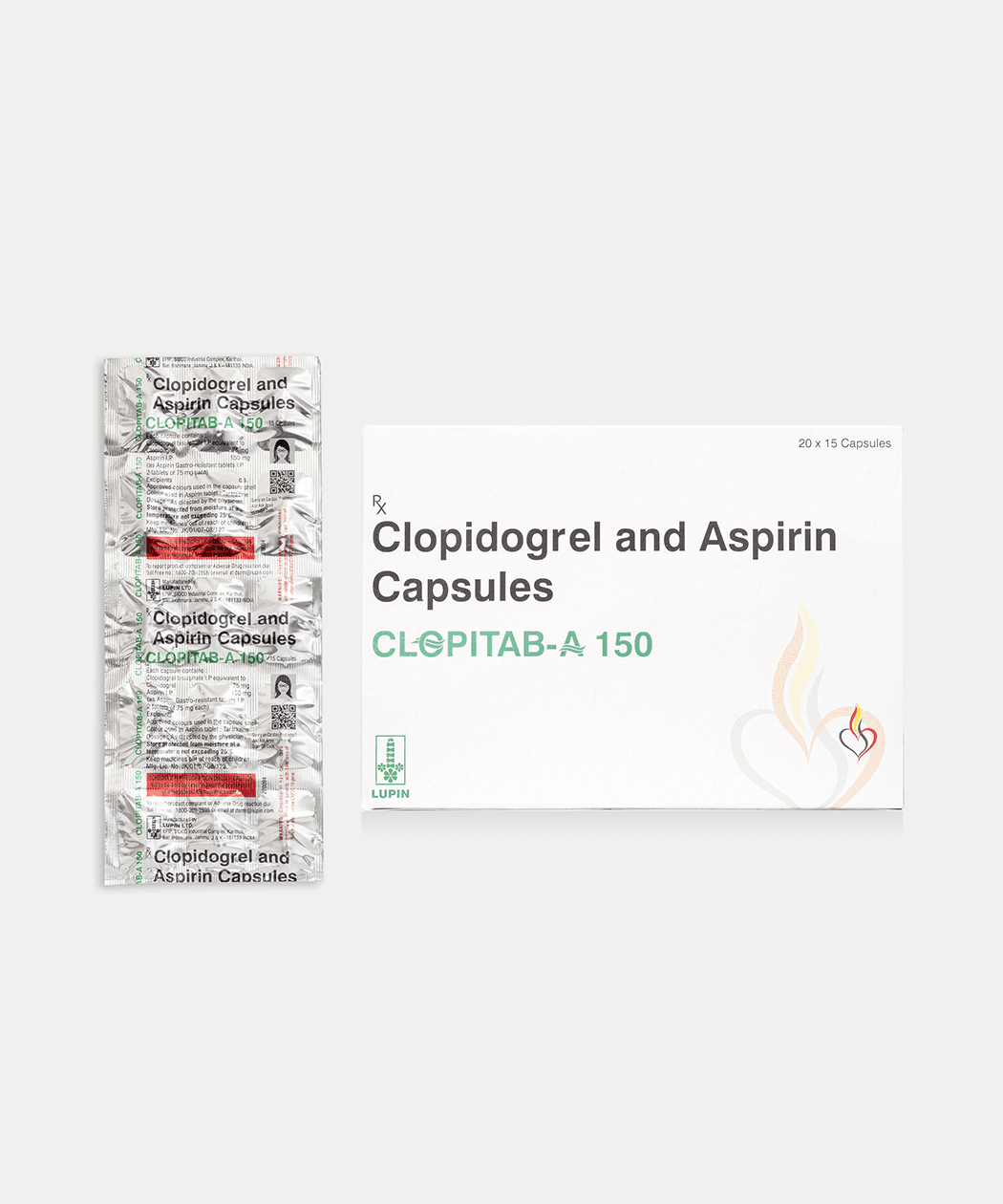
Vendors carrying Clopidogrel + Aspirin, with live product details and codes. Links are affiliate links that support the wiki at no cost to you.
PCT.Zone
Clopidogrel + Aspirin
Research
- 2001first citedEffects of clopidogrel in addition to aspirin in patients with acute coronary syndromes without…
- 2006meta-analysisSystematic review and meta-analysis of adverse events of low-dose aspirin and clopidogrel in ra…
- 2025most recentAnticoagulation Therapies and microRNAs in Heart Failure.
- 1.Anticoagulation Therapies and microRNAs in Heart Failure.
- 2.Systematic review and meta-analysis of adverse events of low-dose aspirin and clopidogrel in randomized controlled trials.
- 3.Effects of clopidogrel in addition to aspirin in patients with acute coronary syndromes without ST-segment elevation.
- 4.Clopidogrel with aspirin in acute minor stroke or transient ischemic attack.
- 5.Clopidogrel and Aspirin in Acute Ischemic Stroke and High-Risk TIA.
- 6.Should patients with minor strokes be given thrombolytics?
6 listed here; entry last updated August 2026
Reviews
My notesprivate to this device
FAQ
How long do I need to take both drugs?
It depends on why you started, but after a stent or acute coronary event it is often about 12 months, then usually one drug is continued long term. Your cardiologist sets the exact window.
Can I stop before surgery?
Often yes, but never stop on your own; stopping early after a stent can cause a dangerous clot. Ask the doctor who placed the stent first.
Why take aspirin and clopidogrel together?
They block platelets by two different mechanisms, so the pair prevents clots better than either alone in high-risk situations.
Does a stomach pill interfere with clopidogrel?
Strong CYP2C19 inhibitors like omeprazole can lower clopidogrel activation; pantoprazole is often preferred when a stomach-protecting drug is needed.
What should I watch for?
Any unusual or heavy bleeding, black stools, or a severe headache; those need prompt medical attention.
Adverse effects
- Higher risk of bleeding than aspirin alone, including bruising and nosebleeds
- Gastrointestinal bleeding or stomach irritation
- Indigestion or heartburn
- Rarely, serious bleeding that needs medical attention