
spec sheet7 rows
Diclofenac is a widely used NSAID for arthritis, back pain, sprains, gout and post-surgical pain, sold here as tablets, injections, gel, eye drops and suppositories.
- Widely used NSAID for arthritis, back pain, sprains and gout
- The gel reaches the joint while plasma levels stay low
- A sensible first move for a sore knee or thumb
- Tablets, injections, gel, eye drops and suppositories
- Modest COX-2 preference right where tissue is inflamed
- Covers post surgical pain as well as everyday aches
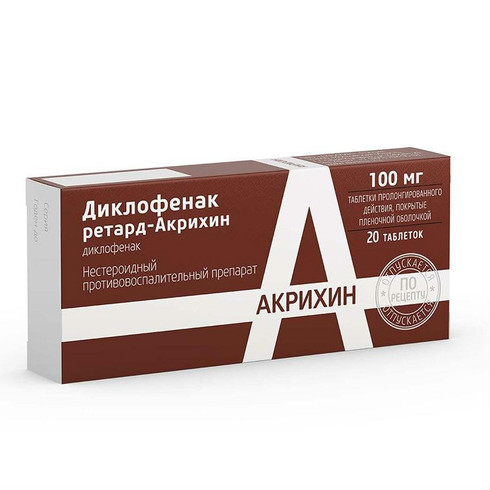
- The Coxib and traditional NSAID Trialists' Collaboration individual-participant meta-analysis of 280 placebo-controlled and 474 head-to-head trials is the definitive evidence: diclofenac 150 mg/day increased major vascular events by about a third (RR 1.41, 95% CI 1.12-1.78), a risk comparable to the coxibs, whereas naproxen did not (RR 0.93) [1].
- In absolute terms the CNT analysis translates to about three extra major vascular events per 1,000 patients treated for a year, one of which is fatal [1].
- Heart failure risk was roughly doubled by ALL NSAIDs including naproxen, a finding that gets far less attention than the thrombotic signal [1].
- Danish nationwide cohort studies found the cardiovascular risk of starting diclofenac appears within 30 days and is elevated relative to no NSAID, to paracetamol and to ibuprofen and naproxen, which is why several countries have moved diclofenac to prescription-only status [2].
- Diclofenac is COX-2 preferential in human whole blood, which is the pharmacological reason it behaves like a coxib on the vascular endpoint despite being classed as a traditional NSAID [4].
- Topical diclofenac achieves therapeutic tissue concentrations with roughly 5-10% of the systemic exposure of oral dosing, which is why topical formulations are the sensible choice for localised osteoarthritis pain [8].
Mechanism
It inhibits both cyclooxygenase isoforms with a modest preference for COX-2, cutting prostaglandin synthesis at inflamed tissue. Applied as a gel it reaches useful concentrations in the joint underneath while keeping plasma levels low, which is why topical diclofenac carries a fraction of the systemic risk.
receptor fingerprint
Cyclooxygenase-2 (COX-2 / PTGS2)Reversible competitive inhibitor; diclofenac is COX-2 preferential in human whole blood
Cyclooxygenase-1 (COX-1 / PTGS1)Reversible competitive inhibitor
Endothelial prostacyclin (PGI2) synthesisSuppressed without a matching suppression of platelet thromboxane A2, tilting the vascular balance toward thrombosis
Gastric and duodenal mucosal prostaglandin synthesisSuppressed via COX-1 inhibition, reducing mucus, bicarbonate and mucosal blood flow
Safetyrisks and cautions, not medical advice
carries the highest thrombotic cardiovascular risk of the traditional NSAIDs, comparable to the withdrawn coxibs, and EU regulators contraindicate it in established heart disease, stroke and peripheral arterial disease; it is also the NSAID most associated with drug induced liver injury
Subjective profileweighing the evidence above
Diclofenac gel and diclofenac tablets deserve opposite verdicts and are sold under one name. The gel is one of the genuinely good things in this catalogue, reaching the joint underneath while plasma levels stay low, and for a knee or a thumb base it is a sensible first move. Swallowed, it carries the highest thrombotic risk of the traditional NSAIDs, on a par with the coxibs that were withdrawn, and EU regulators contraindicate it outright in established heart disease, stroke and peripheral arterial disease; it also leads the class for drug induced liver injury. Anyone with a cardiovascular history who wants an oral anti-inflammatory should be looking at a different molecule.
Where to buy
Suppliers
Vendors carrying Diclofenac, with live product details and codes. Links are affiliate links that support the wiki at no cost to you.
RUPharma🌐
Diclofenac
Research
- 2008first citedTopical diclofenac and its role in pain and inflammation: an evidence-based review.
- 2023most recentHigh- vs. low-dose diclofenac and cardiovascular risks: a target trial emulation.
- 1.Vascular and upper gastrointestinal effects of non-steroidal anti-inflammatory drugs: meta-analyses of individual participant data from randomised trials.
- 2.Diclofenac use and cardiovascular risks: series of nationwide cohort studies.
- 3.High- vs. low-dose diclofenac and cardiovascular risks: a target trial emulation.
- 4.Diclofenac: an update on its mechanism of action and safety profile.
- 5.Coronary Risks Associated with Diclofenac and Other NSAIDs: An Update.
- 6.Advances in NSAID development: evolution of diclofenac products using pharmaceutical technology.
- 7.Diclofenac with or without an antiemetic for acute migraine headaches in adults.
- 8.Topical diclofenac and its role in pain and inflammation: an evidence-based review.
8 listed here; entry last updated August 2026
Reviews
My notesprivate to this device
Notes and cautions
- Diclofenac carries the NSAID class boxed warning in the United States for cardiovascular thrombotic events, including fatal myocardial infarction and stroke, and for serious gastrointestinal bleeding, ulceration and perforation, which can occur without warning symptoms; the cardiovascular risk begins within weeks of starting and rises with dose and duration.
- It is contraindicated for peri-operative pain in coronary artery bypass graft surgery.
- Diclofenac is the highest-risk of the commonly used non-selective NSAIDs on the vascular endpoint, comparable to the coxibs and clearly worse than naproxen (PMID 23726390, PMID 30181258), so in anyone with established cardiovascular disease, heart failure, chronic kidney disease or a bleeding history it is close to the worst choice available.
- It also causes dose-dependent hepatotoxicity more often than other NSAIDs, warranting transaminase monitoring on chronic use.
- Do not combine with another NSAID, with low-dose aspirin without gastroprotection, with anticoagulants, or with an ACE inhibitor plus a diuretic (the 'triple whammy' that precipitates acute kidney injury).
- Where the pain is localised, topical diclofenac gives most of the benefit at a fraction of the systemic exposure.