
spec sheet13 rows
Paracetamol, known as acetaminophen in the United States, is one of the most widely used pain and fever medicines in the world, relieving mild to moderate pain with little of the stomach irritation seen with nonsteroidal anti-inflammatory drugs. Remarkably, after more than a century its exact mechanism is still debated; a leading explanation is that in the brain it is converted to a metabolite, AM404, that acts on the endocannabinoid and TRPV1 systems and inhibits central prostaglandin synthesis, and AM404 has been detected in human cerebrospinal fluid after a normal dose. Very safe at recommended doses, it can cause severe liver injury in overdose and is a leading cause of acute liver failure; a widely discussed concern about prenatal use and child neurodevelopment was substantially weakened by a large sibling-controlled study pointing to familial confounding rather than causation.
- Knocks out mild to moderate pain
- Brings a fever down fast
- Gentle on the stomach, unlike NSAIDs
- The safe pick when NSAIDs are out
- Does not thin the blood
- On every shelf, no prescription needed
- Liver injury in overdose
- Rare allergic skin reactions
- Nausea, especially at high doses
Overview
Paracetamol (acetaminophen; chemical formula C8H9NO2) is a non-opioid analgesic and antipyretic used to treat pain and fever [1]. It was first synthesized in the nineteenth century, tested in humans in the 1880s, and identified in 1948 as the active metabolite responsible for the effects of the older drug acetanilide, after which it was introduced to the United States and United Kingdom markets in the 1950s [3]. It has since become a household medicine, sold over the counter under names such as Tylenol and Panadol and included on the World Health Organization's list of essential medicines.
Paracetamol is used for headaches, muscle aches, and everyday pain and to bring down fever, and it is often the preferred option for people who cannot take nonsteroidal anti-inflammatory drugs, such as those with ulcers, asthma, or a bleeding tendency [1]. Unlike ibuprofen and related drugs it has little anti-inflammatory action, and evidence for its benefit in some conditions, such as osteoarthritis and low back pain, is limited [4]. It is regarded as a first-line pain and fever treatment during pregnancy [1]. Combination products pair it with agents such as codeine, caffeine, or other analgesics.
The drug is available as tablets, capsules, liquids, suppositories, and an intravenous formulation, and it is sold both over the counter and, in some formulations, by prescription [1]. Its major danger is overdose: when normal metabolic pathways are overwhelmed, a reactive byproduct called NAPQI accumulates and depletes the liver's protective glutathione, causing potentially fatal liver damage, and paracetamol poisoning is among the foremost causes of acute liver failure in the Western world [1][4]. Overdose is treated with the antidote N-acetylcysteine, which restores glutathione, and long-term high-dose use has also been associated with modest increases in gastrointestinal, kidney, and cardiovascular risks [4].

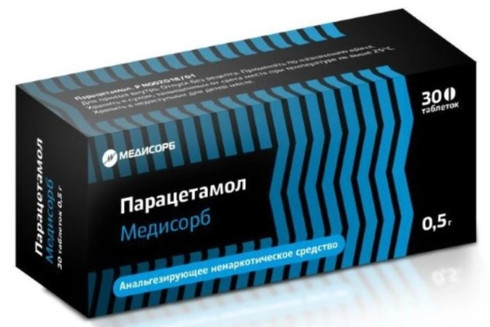
- Paracetamol was first made in 1877, yet its exact mechanism of action is still debated today.
- A brain metabolite called AM404, thought to help produce its effects, has been detected in human cerebrospinal fluid after an ordinary dose.
- A 2024 clinical review found that when sibling comparisons control for shared family factors, the apparent link between prenatal use and childhood ADHD or autism largely disappears.
Mechanism
The way paracetamol works is still not completely understood and appears to differ from that of classical nonsteroidal anti-inflammatory drugs [3]. It is thought to act mainly within the central nervous system, where it inhibits cyclooxygenase (COX) enzymes, especially under the low-peroxide conditions found in the brain and spinal cord, reducing the production of prostaglandins that signal pain and drive fever [1][2].
A known as AM404 is also believed to contribute, engaging the endocannabinoid system and the TRPV1 receptor and influencing descending serotonergic pain-control pathways [1]. Because it has only weak effects on cyclooxygenase in peripheral tissues, paracetamol produces little anti-inflammatory action and spares the stomach lining, unlike ibuprofen and similar drugs [2]. Its toxicity in overdose comes from a separate route, in which the enzyme CYP2E1 forms the reactive NAPQI [1][4].
receptor fingerprint
Cyclooxygenase-2 (COX-2)inhibits
Descending serotonergic pathwaymodulates
Cyclooxygenase-1 (COX-1)inhibits
Cannabinoid CB1 receptoractivates
TRPV1 channelactivates
Dosingtypical ranges, not medical advice
interested in protocols and clinical dosages? make an account to see them! ^_^
Safetyrisks and cautions, not medical advice
Paracetamol is available over the counter and is very safe at recommended doses. The overriding concern is liver toxicity from exceeding the daily limit, which is easy to do accidentally because it is hidden in many combination cold, flu, and prescription pain products. Alcohol use and fasting raise the risk. Overdose may cause no symptoms at first, then serious liver failure a day or two later; the antidote N-acetylcysteine works best when given early, so any suspected overdose needs urgent care. It should be used cautiously in existing liver disease. At normal doses side effects are rare, though long-term high use has been linked to small rises in blood pressure and gastrointestinal bleeding.
Interactionsdocumented pairs only, not exhaustive
Paracetamol increases the anticoagulant effect of warfarin and elevates bleeding risk through a pharmacokinetic mechanism involving competition for hepatic metabolism via the CYP2C9 pathway [18]. In a documented fatal case, an 83-year-old patient receiving stable-dose warfarin developed supratherapeutic INR levels above 10 after taking paracetamol 4 g daily for two weeks, leading to intracerebral hemorrhage and death, indicating that this interaction can be clinically severe [19]. Large population studies confirm that roughly 50% of older patients initiated on warfarin use paracetamol concurrently, making it one of the most common interacting drugs in this population [18]. The interaction is not well-studied with direct oral anticoagulants; paracetamol use actually increased after rivaroxaban initiation in observational cohorts, suggesting either less clinical concern or underrecognition of this potential interaction.
No documented interactions have been found between paracetamol and most other drug classes in the primary literature. The common practice of using paracetamol as a preferred analgesic in anticoagulated patients assumes this choice is safer, but the warfarin interaction deserves clinical attention, especially in patients taking higher doses or with hepatic impairment.
Checking a whole stack? Run it through interactions + stacks.
History
Paracetamol was first synthesized in 1877 by the American chemist Harmon Northrop Morse, but it languished for decades while the related compounds acetanilide and phenacetin were used clinically despite their toxicity. Its modern rise came in the late 1940s, when Bernard Brodie and Julius Axelrod at New York's Goldwater Memorial Hospital showed that paracetamol was the active metabolite responsible for the analgesic effect of those older drugs, without their tendency to damage blood, prompting its reintroduction as a safer standalone agent.
It was launched in the United States as Tylenol by McNeil Laboratories in 1955 and in the United Kingdom as Panadol shortly afterward, and it grew into one of the most widely used pain and fever medicines in the world. Remarkably, after more than a century its precise mechanism is still debated, with a leading modern account centering on the brain metabolite AM404. Its dual identity as an extraordinarily common household drug and a leading cause of acute liver failure in overdose has shaped its regulation ever since.
Reputation
Paracetamol is among the most trusted medicines on earth, a first-line choice for mild to moderate pain and fever that, at recommended doses, is remarkably gentle: it spares the stomach lining and lacks the bleeding and kidney concerns of nonsteroidal anti-inflammatory drugs, which makes it usable across a very wide range of patients, including many who cannot take ibuprofen. Its scientific story remains genuinely fascinating, since researchers are still refining how a drug this old actually works.
The honest counterweight is the narrow margin in overdose; it is a leading cause of acute liver failure, which is why dosing limits and the antidote N-acetylcysteine matter. A widely publicized worry about prenatal use and child neurodevelopment has been substantially tempered: a 2024 clinical review concluded that once shared familial factors are accounted for through sibling analyses, in-utero exposure is unlikely to meaningfully raise the risk of ADHD or autism, and that current evidence does not warrant changing guidance on treating fever or pain in pregnancy.
Subjective profileweighing the evidence above
The right first reach for everyday pain and fever, especially when NSAIDs are off the table for your stomach or your blood. The whole risk is arithmetic: stay under the daily limit and count what is hidden in combination cold and flu products, because overdose causes liver failure that may show no symptoms for a day or two.
Where to buy
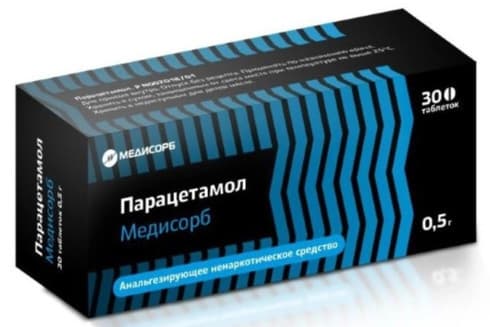
1 other outlet

Suppliers
Vendors carrying Paracetamol, with live product details and codes. Links are affiliate links that support the wiki at no cost to you.
PCT.Zone
Paracetamol
RUPharma🌐
Paracetamol
Research
- 1983first citedAcetaminophen overdose
- 2018most active year3 papers
- 2025most recentAcetaminophen in Pregnancy and Attention-Deficit and Hyperactivity Disorder and Autism Spectrum…
- 1.Paracetamol: mechanism of action, applications and safety concern
- 2.Paracetamol (Acetaminophen): mechanisms of action
- 3.Mechanism of action of paracetamol
- 4.Long-term adverse effects of paracetamol: a review
- 5.Conversion of acetaminophen to the bioactive N-acylphenolamine AM404 via fatty acid amide hydrolase-dependent arachidonic acid conjugation in the nervous system
- 6.First evidence of the conversion of paracetamol to AM404 in human cerebrospinal fluid
- 7.TRPV1 mediates the anticonvulsant effects of acetaminophen in mice
- 8.The acetaminophen-derived bioactive N-acylphenolamine AM404 inhibits NFAT by targeting nuclear regulatory events
- 9.AM404 inhibits NFAT and NF-κB signaling pathways and impairs migration and invasiveness of neuroblastoma cells
- 10.Acetaminophen Use During Pregnancy and Children's Risk of Autism, ADHD, and Intellectual Disability
- 11.Acetaminophen in Pregnancy and Attention-Deficit and Hyperactivity Disorder and Autism Spectrum Disorder
- 12.Acetaminophen use in pregnancy and neurodevelopment: attention function and autism spectrum symptoms
19 listed here; entry last updated August 2026
Reviews
My notesprivate to this device
FAQ
How much paracetamol is too much?
For most adults stay at or below 4000 mg in 24 hours; going over, especially with alcohol, can cause serious liver damage.
Is it safe on an empty stomach?
Yes, unlike ibuprofen it does not irritate the stomach, so it can be taken with or without food.
Can I take it with ibuprofen?
Yes, they work differently and are sometimes alternated, but keep each within its own daily limit and check combination products.
Why is it risky with alcohol?
Alcohol strains the same liver pathway that clears paracetamol, so drinking heavily raises the risk of liver injury even near normal doses.
Does it reduce inflammation?
Not much. It is good for pain and fever but has little anti-inflammatory action, so it does little for swollen, inflamed joints.
Adverse effects
- Liver injury in overdose
- Rare allergic skin reactions
- Nausea, especially at high doses
- Small rises in blood pressure with regular long-term use
Notes and cautions
- Little anti-inflammatory benefit compared with NSAIDs