
spec sheet16 rows
Caffeine is a central nervous system stimulant of the methylxanthine class and the most widely consumed psychoactive substance in the world. A purine alkaloid found naturally in coffee beans, tea leaves, cacao, and other plants, it is used to restore alertness, reduce fatigue, and sharpen concentration. It is legal and largely unregulated in most countries, and it also has established medical uses, including the treatment of apnea in premature infants.
- Instant alertness and razor focus
- Proven endurance and performance booster
- More strength and power output
- Makes hard efforts feel easier
- Modestly raises metabolic rate
- The world's most used stimulant
- Can cause jitteriness, restlessness, or a rapid heartbeat, especially with larger amounts or in sensitive people
- Regular use leads to tolerance, and stopping suddenly can bring on headache, fatigue, and irritability for a day or two
- Higher intakes can increase anxiety and, in some people, provoke heart palpitations
Overview
Caffeine is a naturally occurring stimulant of the methylxanthine class, a family of purine alkaloids structurally related to the adenine and guanine bases found in DNA and RNA [3]. In its pure form it is a bitter, white crystalline solid. The compound occurs in the seeds, leaves, and fruit of many plants, where it functions as a natural pesticide; the best-known dietary sources are coffee beans, tea leaves, cacao, kola nuts, and guarana. It is by a wide margin the most commonly consumed psychoactive substance in the world, and unlike most such substances it is legal and essentially unregulated almost everywhere.
The molecule was first isolated from coffee in 1819 by the German chemist Friedlieb Ferdinand Runge, who called it 'kaffein'; related stimulants later identified in tea and other plants were eventually shown to be the same substance. Its full chemical structure and laboratory synthesis were worked out toward the end of the nineteenth century. Humans had consumed caffeine-bearing plants for far longer, brewing them into stimulating drinks across Africa, Asia, and the Americas for centuries before the compound itself was characterized.
Most modern research on caffeine concerns its effects on wakefulness, mood, and performance. Reviews find that it reliably counteracts the loss of alertness and vigilance caused by fatigue or sleep loss, helping restore attention and reaction time, although it cannot fully substitute for sleep and does little to rescue the more complex forms of thinking degraded by severe sleep deprivation [2][3]. In the setting of physical exercise, a position stand from the International Society of Sports Nutrition concluded that caffeine acutely improves endurance, muscular endurance, strength, sprinting, and jumping in many studies, with aerobic endurance showing the most consistent benefit; the same review notes that responses differ between individuals and are partly genetic [1]. Investigators have also examined its capacity to promote focused, absorbed 'flow' states and to support attention in conditions such as ADHD [4].
Once swallowed, caffeine is almost completely absorbed and passes readily into the brain. It is broken down mainly in the liver by the enzyme CYP1A2 into paraxanthine, theobromine, and theophylline, and its elimination half-life in healthy adults spans several hours, varying with genetics, pregnancy, and the use of certain medications [1]. Regular intake produces tolerance to some of its effects along with a mild physical dependence; stopping abruptly can bring on a temporary withdrawal syndrome marked by headache, tiredness, and irritability that usually clears within a day or two [2].
Caffeine is treated as a food ingredient rather than a controlled drug in most jurisdictions, and food-safety authorities classify it as generally recognized as safe within customary intake ranges. It is sold in coffee, tea, soft drinks, energy drinks, chewing gum, tablets, and pre-workout powders. In medicine, caffeine citrate is an established treatment for apnea of prematurity in newborns, and caffeine is combined with certain pain relievers to enhance their effect.
- Caffeine works largely by mimicry; its molecular shape is similar enough to adenosine that it slips into adenosine receptors and blocks the brain's own drowsiness signal without ever switching the receptor on.
- It was first isolated in 1819 by Friedlieb Ferdinand Runge, who took up the task at the personal suggestion of the poet Goethe.
Mechanism
Caffeine acts chiefly as a competitive at receptors, particularly the A1 and A2A subtypes [3]. is an inhibitory neuromodulator that builds up during waking hours and encourages drowsiness by damping neural activity; because caffeine resembles adenosine closely enough to occupy its receptors without switching them on, it blocks these sleep-promoting signals and so sustains arousal, vigilance, and reaction speed [2][3].
Blocking A2A receptors in reward-related brain regions indirectly boosts signaling, which contributes to caffeine's mood-lifting and motivating effects, and the compound also increases the release of , heightening general alertness [4].
At the much higher concentrations used in laboratory work, caffeine additionally inhibits phosphodiesterase enzymes, raising intracellular cyclic AMP, and blocks -A receptors, but these actions play little part at the levels reached through ordinary dietary intake [3][4]. Its peripheral effects, including modest rises in heart rate, blood pressure, and urine output, stem from the same receptor blockade acting outside the brain.
receptor fingerprint
receptorsBlocks adenosine A1 and A2A receptors
Central nervous systemRaises dopamine and catecholamine signaling
Skeletal muscle outputImproves force production and lowers perceived exertion
Dosingtypical ranges, not medical advice
interested in protocols and clinical dosages? make an account to see them! ^_^
Safetyrisks and cautions, not medical advice
At sensible doses caffeine is very safe for most people. Overdo it and you get jitters, anxiety, a racing heart, GI upset and insomnia, and daily use builds dependence with withdrawal headaches and fatigue when you stop. It briefly raises heart rate and blood pressure, so people with arrhythmias or uncontrolled hypertension should be careful, and intake is usually limited in pregnancy. Very high acute doses, multiple grams mostly from powders or pills, can be genuinely dangerous.
Interactionsdocumented pairs only, not exhaustive
Caffeine is primarily cleared by CYP1A2, so potent CYP1A2 inhibitors sharply raise its exposure and prolong its effects; fluvoxamine is the classic documented example, and fluoroquinolones such as ciprofloxacin, along with cimetidine and oral contraceptives, also slow caffeine clearance. Caffeine in turn competes at CYP1A2 and can raise levels of co-metabolized drugs such as clozapine and theophylline. It shows additive sympathomimetic and cardiovascular effects when combined with ephedrine or other stimulants. Because caffeine is an adenosine receptor antagonist, it blunts the coronary vasodilation used in adenosine or dipyridamole cardiac stress testing, so it is typically withheld for roughly 24 hours beforehand. This is research information, not medical advice.
Checking a whole stack? Run it through interactions + stacks.
History
Caffeine was first isolated in 1819 by the German chemist Friedlieb Ferdinand Runge, who worked at the suggestion of Johann Wolfgang von Goethe and named the new substance "Kaffebase"; the modern term caffeine derives from this work. Independent isolations from coffee and tea followed in the 1820s, and by 1832 the elemental composition had been determined; the tea alkaloid once called "theine" was later shown to be chemically identical to caffeine. Hermann Emil Fischer, who received the Nobel Prize in Chemistry in 1902 partly for his work on the purines, established the structure of caffeine and achieved its total synthesis near the turn of the twentieth century. Long before its chemical characterization, caffeine-bearing plants such as coffee, tea, and cacao had been consumed for centuries, giving the compound one of the longest records of human use of any psychoactive substance.
Reputation
Caffeine is the most widely consumed psychoactive substance in the world, and its standing as a mild, dependable stimulant is well earned; it reliably improves alertness, vigilance, and reaction speed while reducing the sense of fatigue.
In sport it is among the best-studied ergogenic aids, with position stands from professional nutrition bodies concluding that doses of roughly 3 to 6 mg per kilogram of body mass enhance endurance and a range of other performance measures. Its cognitive benefits are real but focused; the strongest and most consistent effects fall on attention and concentration rather than on memory or complex reasoning.
It is inexpensive, familiar, and generally well tolerated, though sensitivity varies considerably between individuals and higher doses can bring jitteriness, anxiety, or disrupted sleep. Few compounds enjoy such a combination of long history, broad acceptance, and robust supporting evidence.
Subjective profileweighing the evidence above
The best value in this entire encyclopedia: cheap, reliable and better studied than anything else here for alertness, endurance and perceived effort. The only discipline it asks is a dose ceiling and a cutoff time, since tolerance builds fast and a late dose costs you the sleep that would have done the same job.
Where to buy

2 other outlets

Suppliers
Vendors carrying Caffeine, with live product details and codes. Links are affiliate links that support the wiki at no cost to you.
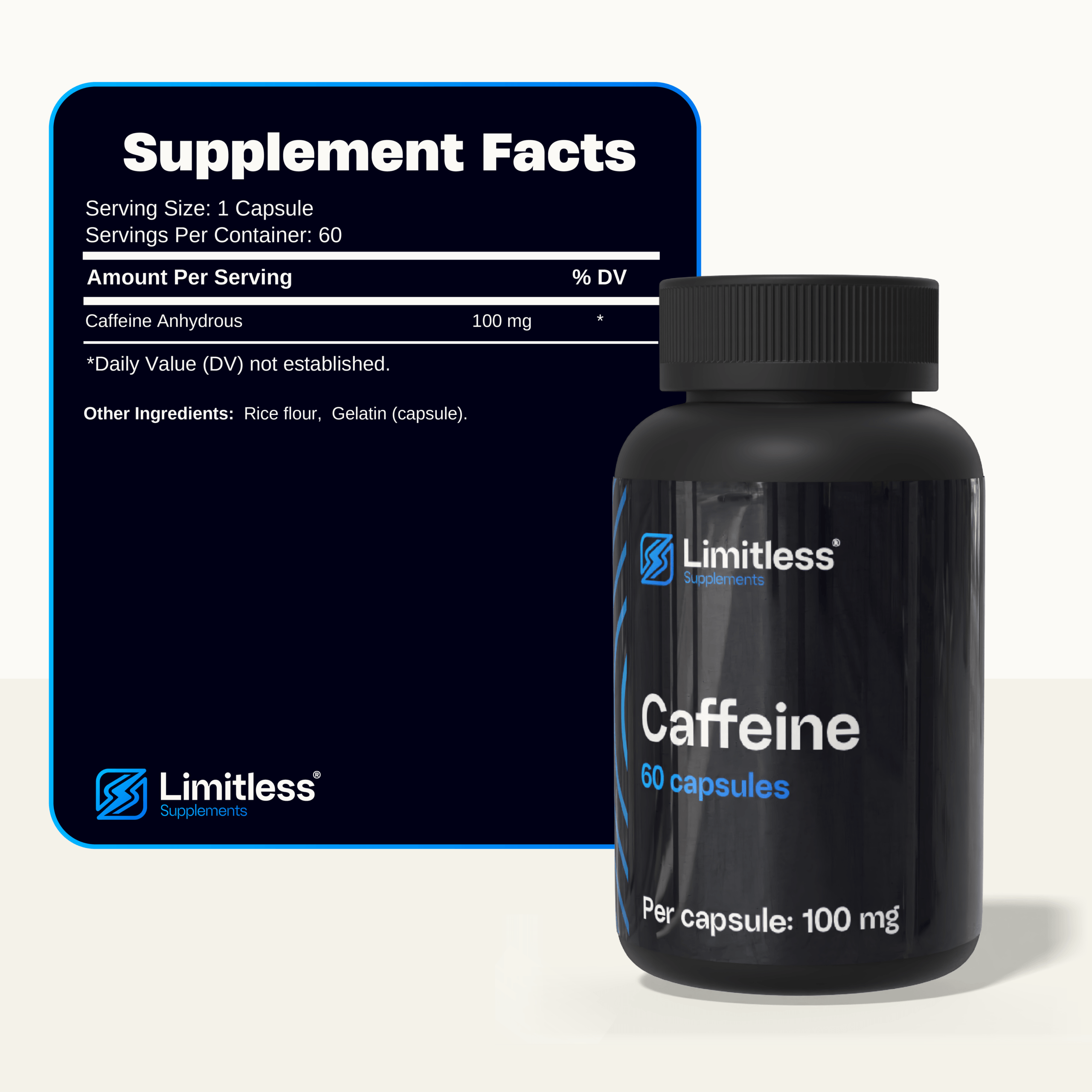
Limitless Biochem🌐
Caffeine
Amazon
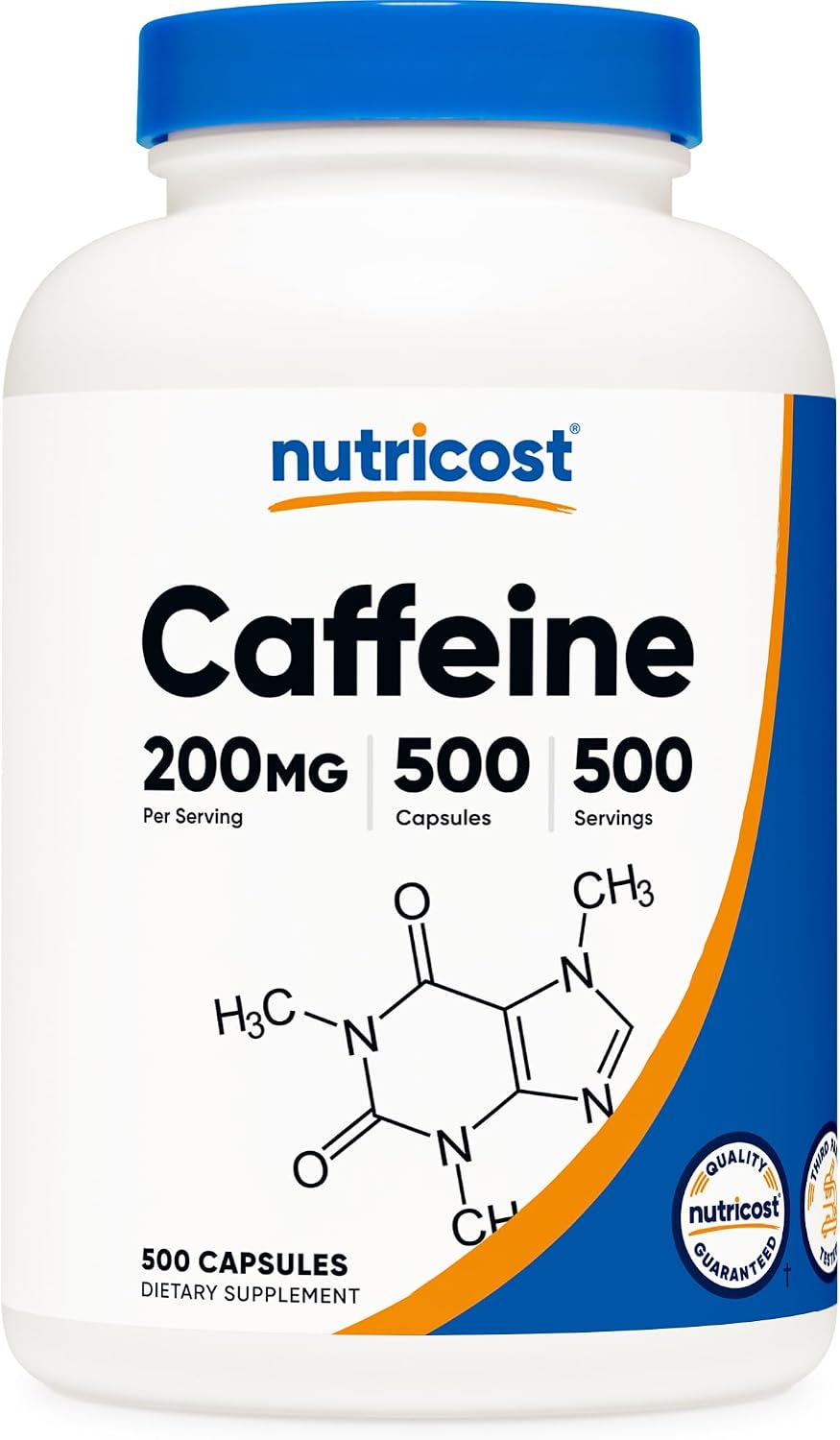
Caffeine
Amazon
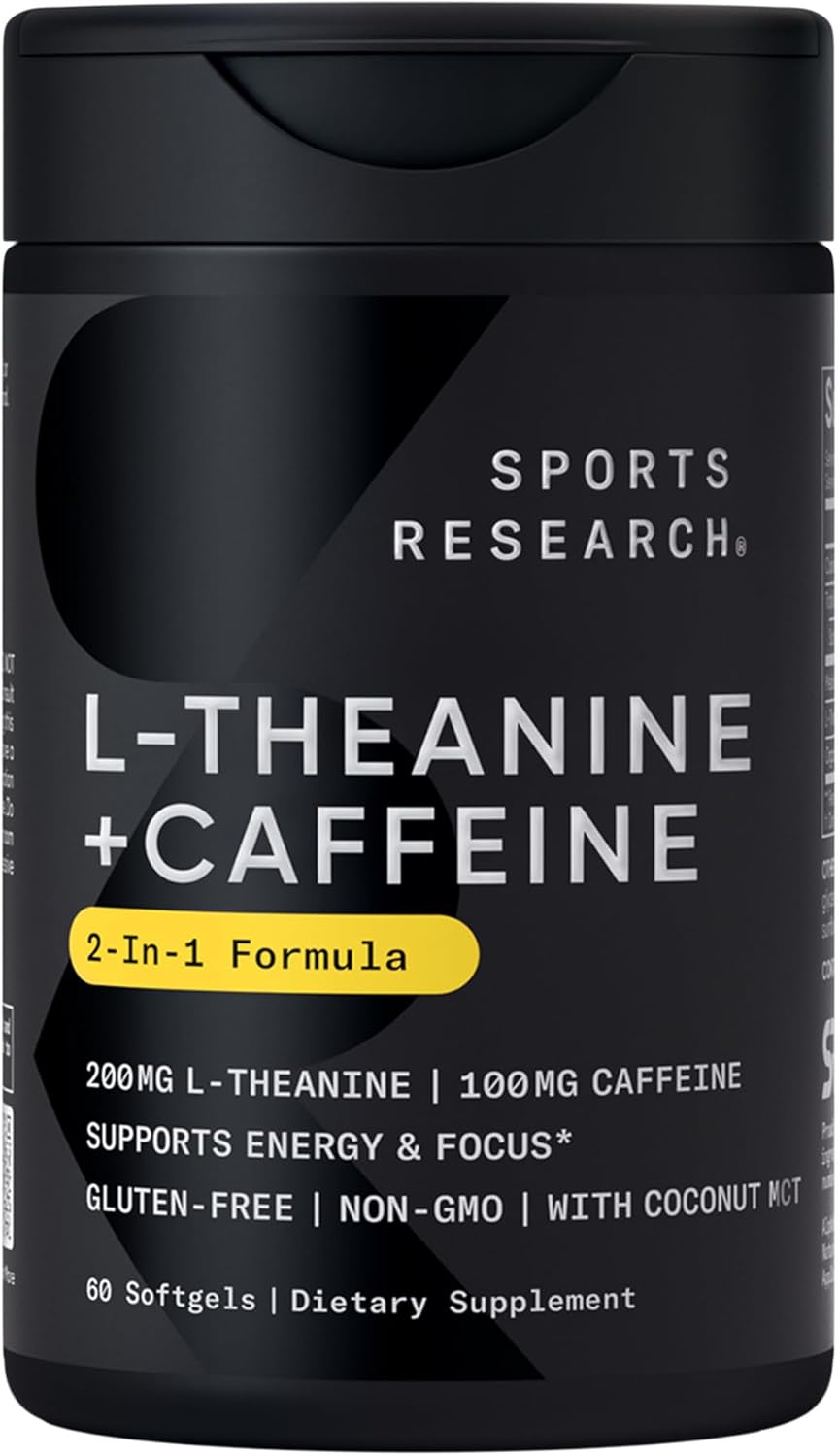
Caffeine
Research
- 1992first citedCaffeine and the central nervous system: mechanisms of action, biochemical, metabolic and psych…
- 2015most active year3 papers
- 2021meta-analysisCaffeine and Cognitive Functions in Sports: A Systematic Review and Meta-Analysis
- 2024most recentCaffeine, CYP1A2 Genotype, and Exercise Performance: A Systematic Review and Meta-analysis
- 1.International Society of Sports Nutrition position stand: caffeine and exercise performance
- 2.Effects of caffeine on sleep and cognition
- 3.Adenosine, caffeine, and performance: from cognitive neuroscience of sleep to sleep pharmacogenetics
- 4.Using caffeine as a chemical means to induce flow states
- 5.Caffeine and the central nervous system: mechanisms of action, biochemical, metabolic and psychostimulant effects
- 6.Caffeine increases striatal dopamine D2/D3 receptor availability in the human brain
- 7.The effects of L-theanine, caffeine and their combination on cognition and mood
- 8.Caffeine and Cognitive Functions in Sports: A Systematic Review and Meta-Analysis
- 9.The effect of caffeine on subsequent sleep: A systematic review and meta-analysis
- 10.Effects of Caffeine Intake on Endurance Running Performance and Time to Exhaustion: A Systematic Review and Meta-Analysis
- 11.The Effect of Acute Caffeine Ingestion on Endurance Performance: A Systematic Review and Meta-Analysis
- 12.Caffeine, CYP1A2 Genotype, and Exercise Performance: A Systematic Review and Meta-analysis
24 listed here; entry last updated August 2026
Reviews
- Most accessible stimulant comes at a cost (wrecks your sleep)
My experience with caffeine is a rollercoaster, for studying I usually pair it with nicotine(I know this is a bad combination for the long run) and for some I think it could be really great. it effectively blocks your adenosine receptors, but its also where I feel the downsides come to take apart of the ride. when I take rather higher doses I feel as if I can't even get remotely close to achieving a well nights rest, and that's exactly because of inhibiting adenosine receptors. I value my sleep quite highly and when I wreck my sleep I feel all the downsides that come with.
0 - works well
i use 250mg usually, anything over 300 causes me internal restlessness. keeps you up, but 800mg< in one day causes significant crash
0 - well it works lol
that’s caffeine for you. most people don’t need to be slamming energy drinks every 3 hours imo, but i mean, hey it works
0
My notesprivate to this device
FAQ
How late is too late?
Because its half-life runs several hours, afternoon and evening intake can linger and disrupt sleep; morning use is safest.
Why pair it with L-Theanine?
Caffeine pairs classically with L-Theanine, which smooths out the jittery edge while keeping the focus and alertness benefits.
Does tolerance build?
Yes; daily use blunts the effect over time, so some people cycle it or take breaks to reset sensitivity.
Can it help workouts?
Meta-analyses show small but consistent gains in endurance, strength, and perceived effort, making it a well-supported pre-workout.
Adverse effects
- Can cause jitteriness, restlessness, or a rapid heartbeat, especially with larger amounts or in sensitive people
- Regular use leads to tolerance, and stopping suddenly can bring on headache, fatigue, and irritability for a day or two
- Higher intakes can increase anxiety and, in some people, provoke heart palpitations
- Can modestly and temporarily raise blood pressure
Notes and cautions
- May disrupt sleep when taken later in the day, since its effects persist for hours
- Overdose is possible with very concentrated products such as powders and pills