
spec sheet7 rows
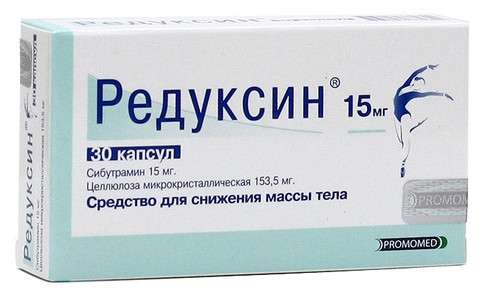
Sibutramine is a centrally acting appetite suppressant withdrawn from most of the world in 2010 for cardiovascular harm and still sold in Russia as Reduxin.
- Centrally acting appetite suppressant that produces real satiety
- Sympathetic activation drives the appetite effect directly
- Still registered and sold in Russia as Reduxin
- A landmark chapter in weight loss pharmacology
- Blocks serotonin and noradrenaline reuptake in appetite circuits
- SCOUT randomised 9,804 high-cardiovascular-risk patients to sibutramine or placebo for a mean of 3.4 years and found a primary composite event rate of 11.4% vs 10.0% (HR 1.16, 95% CI 1.03-1.31, P=0.02), driven by nonfatal myocardial infarction (HR 1.28) and nonfatal stroke (HR 1.36) [1].
- SCOUT is the trial that ended the drug: sibutramine was suspended across the EU in January 2010 and withdrawn from the US market in October 2010 by the FDA and Abbott.
- Cardiovascular death and all-cause mortality were NOT increased in SCOUT; the signal was specifically nonfatal MI and nonfatal stroke, a distinction the popular account usually loses [1].
- Sibutramine is a prodrug: the parent has only weak transporter affinity (NET Ki 5619 nM, SERT Ki 1108 nM, DAT Ki 502 nM in ChEMBL) and the desmethyl and didesmethyl metabolites do the work [5].
- Placebo-subtracted weight loss was modest even before withdrawal, roughly 4.5 kg at 12 months, with consistent increases in pulse and blood pressure (PMID 15136309, PMID 12972682).
- Sibutramine remains the single most common undeclared pharmaceutical adulterant in illegal 'herbal' and 'natural' slimming products worldwide, and has caused psychosis and cardiovascular harm in people who did not know they were taking it (PMID 20969504, PMID 24215519).
Mechanism
It is a whose two active amine metabolites inhibit noradrenaline and reuptake, and to a lesser extent reuptake, which raises satiety signalling in the . The same sympathetic activation raises heart rate and blood pressure, and that is the mechanism behind the excess cardiovascular events that ended its licence.
receptor fingerprint
Noradrenaline transporter (NET / SLC6A2)Reuptake inhibition; sibutramine is a prodrug and the secondary/primary amine metabolites BTS 54 354 (M1) and BTS 54 505 (M2) carry the activity
transporter (SERT / SLC6A4)Reuptake inhibition via M1/M2 metabolites
( / SLC6A3)Weak reuptake inhibition
Alpha-2B adrenoceptor (ADRA2B)Binding, off-target
Sympathetic outflow to heart and vasculatureIncreased noradrenergic tone; heart rate rises and the expected blood-pressure fall from weight loss is blunted
Safetyrisks and cautions, not medical advice
Withdrawn from the United States and the European Union in 2010 after the SCOUT outcome trial found excess heart attacks and strokes, and it is the single commonest hidden adulterant in illicit slimming products.
Subjective profileweighing the evidence above
Withdrawn across the United States and Europe in 2010 for causing heart attacks and strokes, and still sitting on a shelf in Russia does not undo that finding. Mechanism and harm are the same event here: the sympathetic activation that produces satiety also raises heart rate and blood pressure, so the benefit cannot be separated from the risk by taking less of it. Most people who meet this drug now do so unknowingly, since it is the commonest hidden adulterant in illicit slimming capsules, and that is the practical reason to care about something pulled from the market fifteen years ago.
Resources
No suppliers are provided for compounds like this. This entry is here for reference.
Research
- 1998first citedSibutramine: a novel anti-obesity drug. A review of the pharmacological evidence to differentia…
- 2004meta-analysisThe efficacy and safety of sibutramine for weight loss: a systematic review.
- 2015most recentCardiovascular Safety Pharmacology of Sibutramine.
- 1.Effect of sibutramine on cardiovascular outcomes in overweight and obese subjects.
- 2.Maintained intentional weight loss reduces cardiovascular outcomes: results from the Sibutramine Cardiovascular OUTcomes (SCOUT) trial.
- 3.The efficacy and safety of sibutramine for weight loss: a systematic review.
- 4.Effect of sibutramine on weight loss and blood pressure: a meta-analysis of controlled trials.
- 5.Sibutramine: a novel anti-obesity drug. A review of the pharmacological evidence to differentiate it from d-amphetamine and d-fenfluramine.
- 6.Cardiovascular Safety Pharmacology of Sibutramine.
- 7.Psychosis associated with usage of herbal slimming products adulterated with sibutramine: a case series.
- 8.Screening and determination of sibutramine in adulterated herbal slimming supplements by HPTLC-UV densitometry.
8 listed here; entry last updated August 2026
Reviews
My notesprivate to this device
Notes and cautions
- Sibutramine is withdrawn worldwide and should not be taken.
- It raises heart rate and blood pressure and, in the 9,804-patient SCOUT trial, increased nonfatal myocardial infarction and nonfatal stroke in people with pre-existing cardiovascular disease or type 2 diabetes [1].
- It is a serotonergic agent and carries serotonin-syndrome risk with SSRIs, SNRIs, MAOIs, triptans and tramadol, plus reported psychosis and severe hypertension.
- The practical danger today is involuntary exposure: it is routinely found undeclared in 'herbal' slimming capsules and weight-loss teas, so an unexplained tachycardia or hypertensive episode in someone taking a slimming supplement should raise it as a suspect.