
spec sheet16 rows
Modafinil is a prescription wakefulness-promoting drug, approved in the United States in 1998 for excessive sleepiness caused by narcolepsy, obstructive sleep apnea, and shift work disorder. It works mainly by blocking the dopamine transporter, the protein that clears dopamine out of the synapse; human brain imaging confirms it occupies roughly half of those transporters at ordinary doses, although it binds them far more weakly than classic stimulants do. The evidence that it reduces sleepiness in the three approved sleep disorders is strong and rests on large placebo-controlled trials, but the evidence that it improves thinking in healthy, well-rested people is much weaker; the best meta-analysis found only a small overall effect confined to one narrow memory task. It is a Schedule IV controlled substance in the United States, banned in competition by WADA, and carries warnings for rare but serious skin reactions and for making hormonal birth control less reliable.
- Powerfully promotes all day wakefulness
- Far smoother than typical stimulants
- Sharp focus and alertness on demand
- Prescription grade, backed by large trials
- Works cleverly through dopamine signaling
- Well studied for fatigue
- Occasional headache
- Insomnia if taken late in the day
- Slightly reduced appetite
Overview
Modafinil is a eugeroic, or wakefulness-promoting agent, best known under the brand name Provigil. It was developed in France by Lafon Laboratories, growing out of research on the earlier compound adrafinil, and it reached the market as a treatment for excessive sleepiness [1]. The United States Food and Drug Administration approved it in 1998 for narcolepsy and later for obstructive sleep apnea and shift-work sleep disorder; in the United States it is a Schedule IV controlled substance, reflecting a recognized but relatively low potential for misuse [2].
Pharmacologically, modafinil is distinct from amphetamine-type stimulants. Rather than forcing a large release of neurotransmitter, it promotes a stable, wake-like state that preserves the ability to sleep once the drug wears off, which is part of why it earned a reputation for a smoother, cleaner feel [4]. Its single-enantiomer relative armodafinil is the longer-lasting R-form of the same molecule.
Beyond its approved sleep indications, modafinil is used very widely off-label as a cognitive enhancer by students, professionals, and shift workers. A systematic review of healthy, non-sleep-deprived users concluded that it reliably improves executive function and, on more demanding tasks, attention and learning, without prominent mood disturbance [1]. In sleep-deprived people it can restore performance and alertness toward well-rested levels [6].
Regulatory status is therefore clear: modafinil is an approved prescription medicine in the United States, Europe, and many other regions, dispensed as oral tablets, while its widespread nootropic use falls outside those approvals. It has also become the template for a family of research-chemical analogs such as fluorinated and hydroxylated derivatives [2].

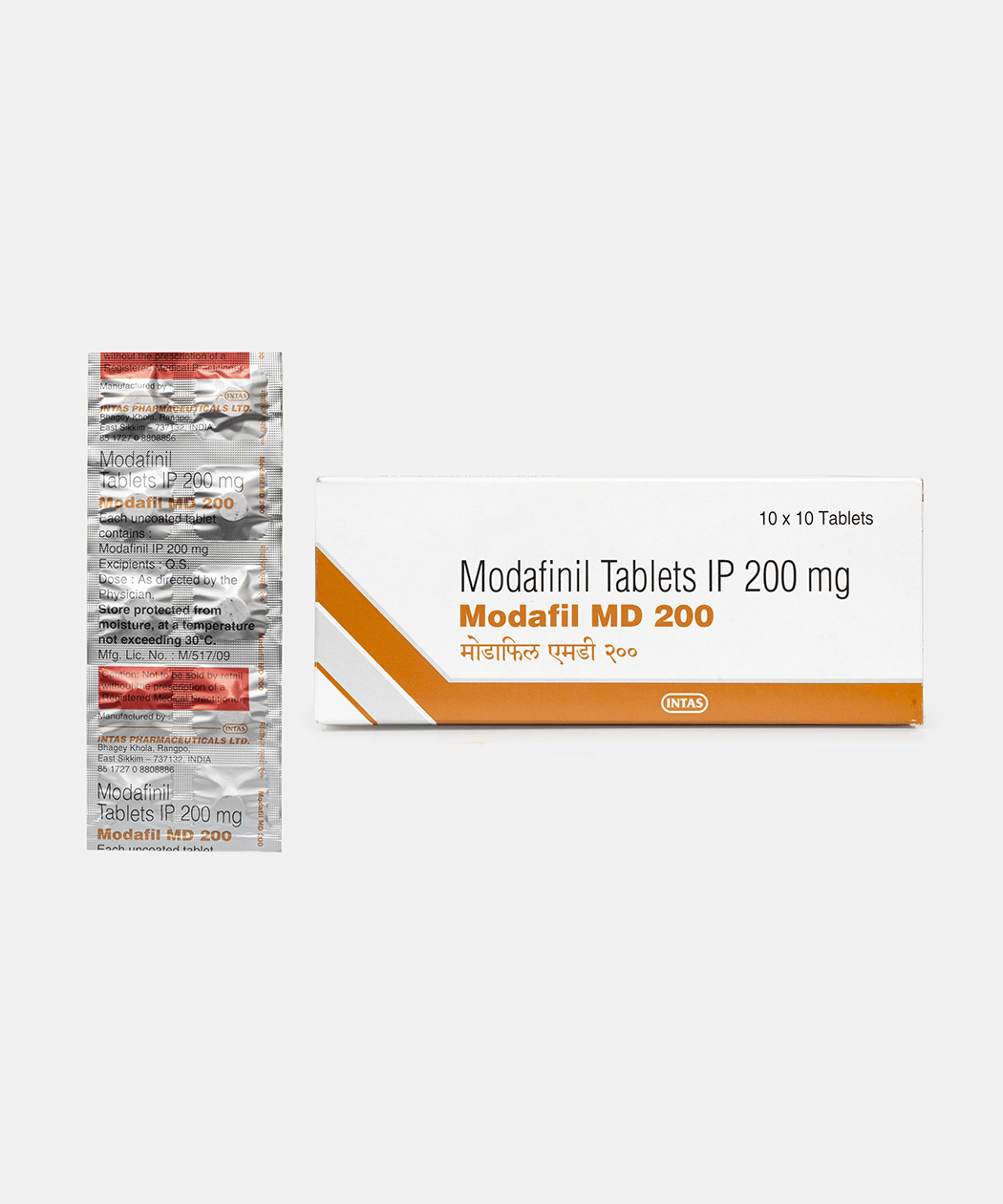
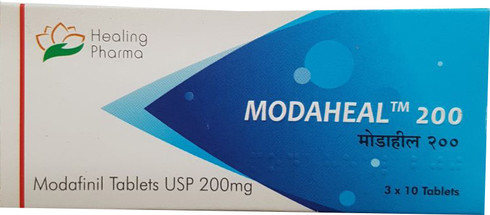
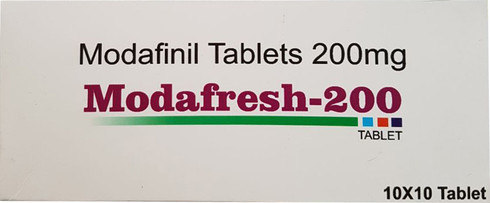
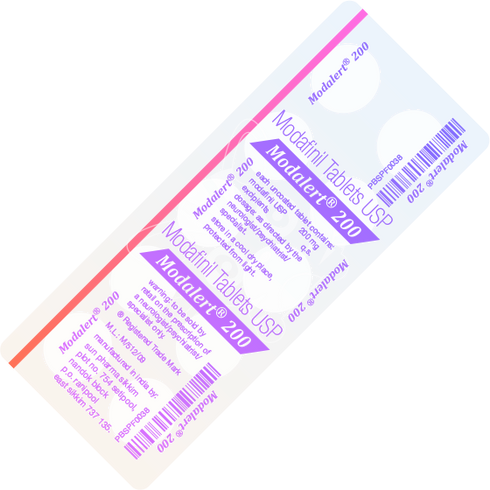
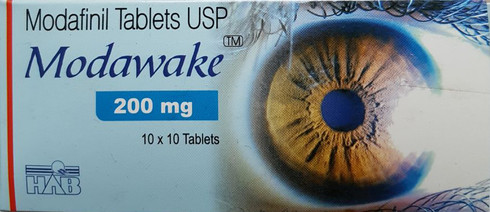
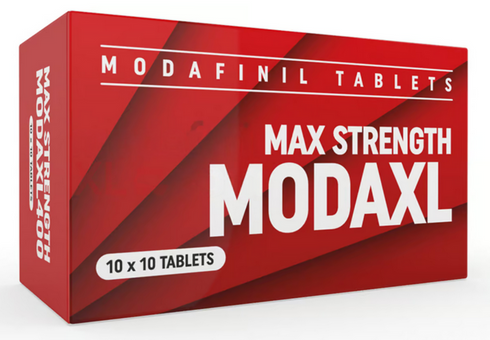
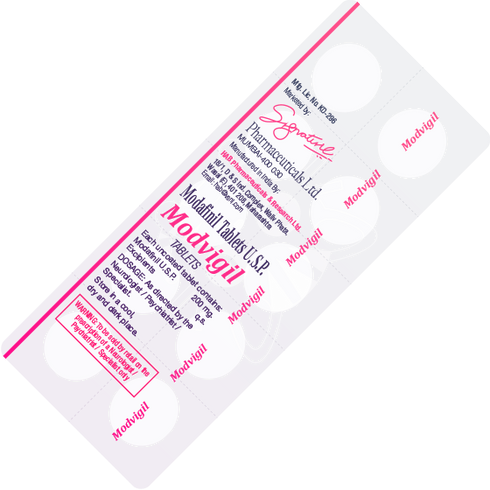
- Positron-emission-tomography imaging showed that therapeutic doses of modafinil block dopamine transporters and raise dopamine in the human brain, including a roughly 19 percent increase in the reward-related nucleus accumbens.
- Modafinil descends from adrafinil, an earlier French wakefulness agent that the body converts into modafinil, which is its active metabolite.
Mechanism
Modafinil's core molecular action is selective inhibition of the (), the protein that clears from the . By binding the transporter it slows dopamine reuptake and raises extracellular dopamine, and human brain imaging has put concrete numbers on this: in a positron emission tomography study, therapeutic doses occupied dopamine transporters and increased dopamine throughout the striatum, including a roughly 19% rise in the nucleus accumbens, the same reward-related region engaged by stimulants [2]. Electrophysiological work confirms that modafinil binds the transporter at the very site targeted by cocaine, which accounts for most of its behavioral activation [3].
The wakefulness that follows is not purely dopaminergic. Raising secondarily elevates , and studies in knockout mice show that dopamine and norepinephrine act together, with dopamine able to carry the effect on its own when norepinephrine is absent [4]. Further downstream, modafinil increases activity in and systems of the and raises cortical while lowering , a combination that supports the stable, long-lasting arousal that distinguishes it from short, spiky stimulant highs [5].
These mechanisms translate into well-documented benefits. In a randomized, placebo-controlled crossover trial in narcolepsy, modafinil lengthened the mean sleep latency on the Maintenance of Wakefulness Test by 40% to 54% relative to placebo, meaning patients stayed awake substantially longer, with no effect on blood pressure or heart rate at the lower dose [5]. In healthy people the gains cluster in executive function, attention, and learning rather than raw intelligence [1]. The same dopaminergic action that drives these benefits is also the basis for its recognized, if modest, potential for dependence, which is why it remains a controlled substance [2].
receptor fingerprint
()weak selective inhibitor
transporterinhibits
/ raises
(, SLC6A3)Inhibitor; blocks dopamine reuptake. The primary and only well-established direct molecular target.
transporter (NET, SLC6A2)Negligible direct binding at attainable concentrations.
transporter (SERT, SLC6A4)No meaningful interaction demonstrated.
/D3 receptorsIndirect. Apparent occupancy changes because synaptic dopamine rises, not because modafinil binds the receptor.
receptorDownstream mediator of behavioural effect, not a binding site.
/ neurons (perifornical )Indirect circuit activation; not required for wake promotion.
Histaminergic tuberomammillary nucleus (TMN) neuronsIndirect circuit activation.
Mesencephalic neurons (VTA and substantia nigra pars compacta)Required downstream circuit for arousal.
Dosingtypical ranges, not medical advice
interested in protocols and clinical dosages? make an account to see them! ^_^
Safetyrisks and cautions, not medical advice
REGULATORY STATUS. United States: Schedule IV controlled substance, approved 1998, indicated for excessive sleepiness associated with narcolepsy, obstructive sleep apnea, and shift work disorder. European Union: indication is narrower, restricted to narcolepsy only. Sport: WADA lists modafinil under S6.A as a non-specified stimulant, prohibited in competition; it has been on the list since 2004.
SERIOUS ADVERSE EFFECTS (from the PROVIGIL label). Serious rash requiring hospitalisation and discontinuation has been reported; the label instructs discontinuation at the first sign of rash unless clearly unrelated. Stevens-Johnson syndrome, toxic epidermal necrolysis, and DRESS have been reported in postmarketing experience. In pediatric clinical trials, rash leading to discontinuation occurred in approximately 0.8% (13 of 1,585), and this dermatologic risk contributed to the FDA declining the pediatric ADHD application. Angioedema and anaphylaxis have been reported. Psychiatric adverse reactions include mania, delusions, hallucinations, and suicidal ideation; particular caution is advised in patients with a history of psychosis, depression, or mania.
COMMON ADVERSE EFFECTS. Headache is the most common, then nausea, nervousness, insomnia, anxiety, decreased appetite, and blood pressure elevation.
DRUG INTERACTIONS. This is the most practically important and most frequently overlooked item. Modafinil induces CYP3A4/5, so the effectiveness of steroidal contraceptives may be reduced during treatment and for one month after stopping; alternative or additional non-hormonal contraception is required. Modafinil inhibits CYP2C19, so exposure to phenytoin, diazepam, propranolol, omeprazole, and clomipramine may increase. Because it both induces and inhibits several cytochrome P450 isoenzymes, interaction potential spans many drug classes (PMID 18729534).
PREGNANCY. Genuinely unresolved and the two main datasets disagree. The manufacturer's Provigil/Nuvigil registry found major congenital malformations in 13% of 102 prospective live births against a roughly 3% background rate (PMID 33074297), and that signal drove EU and other regulators in 2019 to contraindicate modafinil in pregnancy and in females of reproductive potential not using effective non-hormonal contraception. The independent Swedish and Norwegian population registry, however, found 2.6% versus 2.1% with a crude risk ratio of 1.06 (95% CI 0.35 to 3.26) and did not confirm it (PMID 32870289). Both studies are small; 133 exposed pregnancies cannot exclude a meaningful effect. The practical guidance in the literature is to stop modafinil before pregnancy.
ABUSE AND DEPENDENCE. Modafinil raises dopamine in the nucleus accumbens in humans, which is the pharmacological signature of drugs with abuse potential, and the authors of that study explicitly called for heightened awareness of abuse and dependence risk in vulnerable populations (PMID 19293415). In practice reported dependence cases remain few relative to other psychostimulants, and this discrepancy is unexplained (PMID 38467484). It does not treat cataplexy.
Interactionsdocumented pairs only, not exhaustive
Modafinil is a documented inducer of CYP3A4/5 and can lower plasma concentrations of drugs cleared by that enzyme; the FDA label specifically warns that it reduces the effectiveness of steroidal contraceptives (oral, implant, and hormonal devices), so an alternative or additional non-hormonal method is advised during use and for one month after discontinuation, and it can similarly reduce cyclosporine and triazolam exposure.
It also inhibits CYP2C19, which can raise levels of substrates such as phenytoin, diazepam, propranolol, and some tricyclic antidepressants and SSRIs, an effect that is exaggerated in CYP2C19 poor metabolizers. Coadministration with warfarin warrants closer INR monitoring per the label. Combining modafinil with other sympathomimetic stimulants or with MAO inhibitors should be approached cautiously given additive cardiovascular and pressor potential. This is research information, not medical advice.
Checking a whole stack? Run it through interactions + stacks.
History
Modafinil was discovered in the late 1970s in France, emerging from work by the neurophysiologist Michel Jouvet and Lafon Laboratories on a series of benzhydryl sulfinyl compounds that also included its precursor adrafinil. It was first offered in France during the 1990s and gained United States Food and Drug Administration approval in 1998, marketed as Provigil, for the excessive sleepiness of narcolepsy. Its indications later expanded to shift-work sleep disorder and residual sleepiness in obstructive sleep apnea. Over the following decades it became the most extensively studied pharmacological cognitive enhancer, and human imaging work clarified that its wake-promoting action operates substantially through the dopamine transporter.
Reputation
Modafinil holds a distinctive reputation as the benchmark eugeroic, widely valued for delivering hours of steady, clear-headed wakefulness without the jitteriness and sharp crash associated with classical stimulants. It is one of the few nootropics backed by a large body of controlled clinical trials, and reviews of healthy users find modest but real gains in attention, executive function, and learning rather than raised raw intelligence. Its favorable tolerability and well-defined mechanism make it among the most credible performance compounds available. At the same time, the same dopaminergic action underlies a recognized, if modest, potential for dependence, which is why it remains a controlled prescription substance. Rare but serious skin reactions are also part of its documented safety profile.
Subjective profileweighing the evidence above
The benchmark everything else gets measured against, and it earns that: hours of clean wakefulness, an enormous evidence base, and none of the classic stimulant crash. It is prescription-only, it makes hormonal birth control less reliable, and a spreading rash means stop immediately and get seen.
Where to buy

12 other outlets

Suppliers
Vendors carrying Modafinil, with live product details and codes. Links are affiliate links that support the wiki at no cost to you.
| supplier | size | price | $/mg |
|---|---|---|---|
| PCT.Zonelowest | 200MG | $6.43 | $0.032/mg |
| PCT.Zonelowest | 200MG | $6.43 | $0.032/mg |
| PCT.Zone | 200MG | $7.50 | $0.037/mg |
| PCT.Zone | 200MG | $9.64 | $0.048/mg |
| PCT.Zone | 200MG | $18.00 | $0.090/mg |
PCT.Zone
Modafinil
PCT.Zone
Modafinil

PCT.Zone
Modafinil
PCT.Zone
Modafinil

RUPharma🌐
Modafinil
PCT.Zone
Modafinil
RUPharma🌐
Modafinil

RUPharma🌐
Modafinil
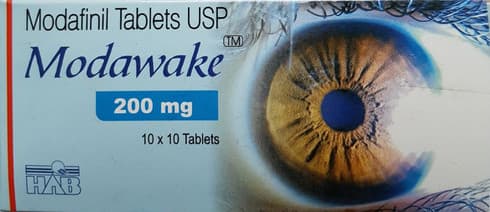
RUPharma🌐
Modafinil

RUPharma🌐
Modafinil

RUPharma🌐
Modafinil
RUPharma🌐
Modafinil
RUPharma🌐
Modafinil
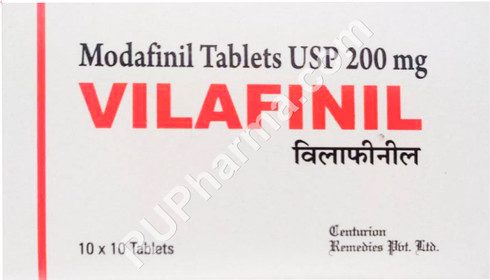
Research
- 1997first citedRandomized, double-blind, placebo-controlled crossover trial of modafinil in the treatment of e…
- 2019meta-analysisThe Efficacy of Modafinil as a Cognitive Enhancer: A Systematic Review and Meta-Analysis.
- 2020most active year4 papers
- 2025most recentRepurposing of modafinil as an anti-inflammatory drug: a systematic review of experimental stud…
- 1.Modafinil for cognitive neuroenhancement in healthy non-sleep-deprived subjects: A systematic review.
- 2.Effects of modafinil on dopamine and dopamine transporters in the male human brain: clinical implications.
- 3.Electrophysiological and amperometric evidence that modafinil blocks the dopamine uptake transporter to induce behavioral activation.
- 4.Behavioral responses of dopamine beta-hydroxylase knockout mice to modafinil suggest a dual noradrenergic-dopaminergic mechanism of action.
- 5.Randomized, double-blind, placebo-controlled crossover trial of modafinil in the treatment of excessive daytime sleepiness in narcolepsy.
- 6.Effects of modafinil on cognitive performance and alertness during sleep deprivation.
- 7.Modafinil, an atypical CNS stimulant?
- 8.Cognitive enhancement effects of stimulants: a randomized controlled trial testing methylphenidate, modafinil, and caffeine.
- 9.Modafinil: a review of neurochemical actions and effects on cognition.
- 10.The Efficacy of Modafinil as a Cognitive Enhancer: A Systematic Review and Meta-Analysis.
- 11.Effects of Modafinil (Provigil) on Memory and Learning in Experimental and Clinical Studies: From Molecular Mechanisms to Behaviour Molecular Mechanisms and Behavioural Effects.
- 12.Clinical pharmacokinetic profile of modafinil.
33 listed here; entry last updated August 2026
Reviews
- not for me
perhaps it is an individual response, but i could only describe it as a dirty peripheral wakefullness that has time and time again lead me to rumination sprials. not for me.
emptinessprevails · Aug 7, 20260 - Best wakefulness substance
Works as a great caffeine alternative, no quick crash and a cleaner less jittery effect. Although no real “adderall like” effect, if you are studying or trying to get real enhancement pair it with a racetam. Also don’t plan on sleeping 12+ hours after taking it, latest I would take it is 9:30 if you want good sleep.
gp8 · Aug 7, 20260 - pretty good all around
amazing eugeroic for staying awake, feels like Adderall's little brother lol. super good for staying awake, but i crash around 11 hours in IME. love it other than this
0 - pairs well with tropisetron or flec (ifykyk)
thn-102 is dope, 100:1 ratio is best in my opinion. also works sick with armodafinil or flmoda. tropisetron is also a ghetto THN, i think tropisetron is good with any stim tbf if i were to rank in terms of wakefulness: -armodafinil -flmodafinil -modafinil
0


My notesprivate to this device
FAQ
Why take it early in the day?
Its long half-life means late dosing can significantly disrupt nighttime sleep.
Is it a classic stimulant?
It's a eugeroic (wakefulness promoter) that works more smoothly than typical stimulants, though it does involve dopamine.
What is it approved for?
It's approved for conditions like narcolepsy and shift-work sleep disorder, and is used off-label for wakefulness.
Does it reduce the need for sleep?
It masks fatigue and promotes alertness but doesn't replace the restorative functions of actual sleep.
Adverse effects
- Occasional headache
- Insomnia if taken late in the day
- Slightly reduced appetite
- Some anxiety or irritability at higher doses
- Rare but serious skin rash reported