
spec sheet13 rows
L-Theanine is a non-proteinogenic amino acid found almost exclusively in the tea plant Camellia sinensis, where it contributes part of brewed tea's savory taste. Chemically it is N-ethyl-L-glutamine, a structural analog of the neurotransmitter glutamate that crosses the blood-brain barrier and interacts with glutamate receptors, weakly modulating NMDA receptors and inhibiting binding at AMPA/kainate sites, while also raising dopamine and other monoamines; on EEG it increases alpha brain-wave activity, the signature of a relaxed but alert state. It is widely used as a supplement for relaxation, attention, and sleep, and is often paired with caffeine, with which it shows a well-studied synergy on attention, although the overall strength of the clinical evidence is still debated.
- Calm, clear focus with none of the sedation
- The classic caffeine partner, 200 mg theanine to 100 mg caffeine
- Takes the jitter and the edge off any stimulant
- Raises alpha brain waves, the relaxed but alert EEG state
- Sharpens choice reaction time and attention switching
- Cheap, and about as side effect free as supplements get
- Mild headache in some people
- Drowsiness at higher intakes
- Occasional lightheadedness
Overview
L-Theanine is a water-soluble amino acid that does not occur in proteins and is found in unusually high amounts in the leaves of the tea plant, Camellia sinensis, where it can make up a notable fraction of the dry weight of green tea; smaller amounts appear in certain mushrooms [1][2]. Chemically it is a close analog of glutamic acid and glutamine, and it was first identified as a constituent of tea in the mid-twentieth century and isolated from Japanese gyokuro leaves shortly afterward [1][2]. Shading the plants before harvest raises the theanine content, one reason shaded teas such as matcha and gyokuro are prized [1].
After it is consumed, theanine is absorbed from the intestine and is able to cross the blood-brain barrier, which is the basis for interest in its effects on the brain [1]. Studies have reported that it may increase the alpha-wave activity associated with relaxed alertness, ease stress and anxiety, and support sleep quality, and that when it is combined with caffeine it may improve attention and cognitive performance; reviews caution, however, that many of these findings are inconsistent and that rigorous human trials are limited [1][2]. Possible neuroprotective and anti-seizure effects have also been described in animal models, and epidemiological work on tea drinking has been examined in relation to neurodegenerative disease [1][3].
Theanine has a favorable safety record in toxicology testing and is generally well tolerated [1]. In the United States it is treated as generally recognized as safe for use in certain foods and beverages, and in Japan it has long been permitted as a food additive; in Europe it is sold chiefly as a dietary supplement, and some jurisdictions have restricted its addition to beverages [1]. Because it is sold as a supplement rather than a drug, product purity and the balance of its L-form and D-form can vary between manufacturers [1].


Mechanism
Theanine's structural similarity to underlies most ideas about how it works. In laboratory studies it binds to glutamate receptors, though far more weakly than glutamate itself, behaving as a weak at and kainate receptors and interacting with the , and it can influence the transporters that handle glutamate and glutamine [1].
It has also been reported to modestly shift levels of the inhibitory neurotransmitter and of and , changes that fit with its calming reputation [1][2]. In human recordings theanine has been associated with increased alpha-wave activity in the brain, an electrical pattern linked to a state of relaxed but alert attention, which may help explain why it is taken to promote calm focus [1].
When paired with caffeine, theanine is thought to smooth out the stimulant's rougher edges, and the combination has been reported to improve attention and reaction time more than either compound alone; even so, reviewers stress that the underlying mechanisms remain incompletely defined [1].
receptor fingerprint
Alpha brain wavesincreases
/ balancemodulates
Caffeine jitterssmooths
()buffers
Dosingtypical ranges, not medical advice
interested in protocols and clinical dosages? make an account to see them! ^_^
Safetyrisks and cautions, not medical advice
L-theanine is very well tolerated and has an excellent safety record. A few people notice mild drowsiness or a slight headache, and because it can nudge blood pressure down, those on blood-pressure medication should just be aware. It is not sedating for most people, does not cause dependence, and has no meaningful known drug interactions at normal doses. It is a normal component of tea, which is reassuring for everyday use.
Interactionsdocumented pairs only, not exhaustive
The best documented interaction is the pharmacodynamic pairing of L-theanine with caffeine; numerous randomized human trials show the combination alters attention and alertness beyond either alone, so the practical concern is a modulation of caffeine's subjective and cognitive effects rather than a toxicity. Preclinical work reports L-theanine potentiating some chemotherapeutic agents such as doxorubicin in animal models, which remains an animal-only observation.
A theoretical additive blood-pressure-lowering effect with antihypertensive drugs and additive calming with sedatives has been raised on the basis of L-theanine's mild hypotensive and relaxant activity, but this is not established by controlled human interaction studies and should be treated as theoretical. No clinically significant CYP-mediated pharmacokinetic interactions are documented. This is research information, not medical advice.
Checking a whole stack? Run it through interactions + stacks.
History
L-Theanine is a non protein amino acid found predominantly in the tea plant Camellia sinensis and in certain mushrooms. It was first isolated and identified in 1949 by Japanese scientists studying the constituents of green tea, with Yajiro Sakato commonly credited for characterizing the compound and giving it the name theanine. Recognized as a major contributor to the savory umami taste of high grade shaded teas such as gyokuro, it was approved for food use in Japan in the 1960s. Over subsequent decades research shifted toward its psychoactive properties, establishing it as one of the most studied natural relaxant amino acids.
Reputation
L-Theanine enjoys a strongly positive reputation among supplement users, clinicians, and researchers as a safe, gentle anxiolytic that promotes a state of calm alertness without sedation. It is especially popular in combination with caffeine, a pairing widely credited with smoothing out the jitteriness of stimulation while supporting focus, and this synergy is among the better supported claims in the nootropic space. Reviewers generally consider it one of the most reliable and low risk entry level nootropics, while noting that its effects are subtle and that it is better understood as a tool for stress modulation and sleep quality than as a potent cognitive enhancer.
Subjective profileweighing the evidence above
One of the easiest recommendations here: cheap, essentially side-effect free, and it does exactly what it claims when paired with caffeine at roughly 200 mg to 100 mg. On its own the effect is subtle, which is fine, because taking the edge off a stimulant is the job it is best at.
Where to buy
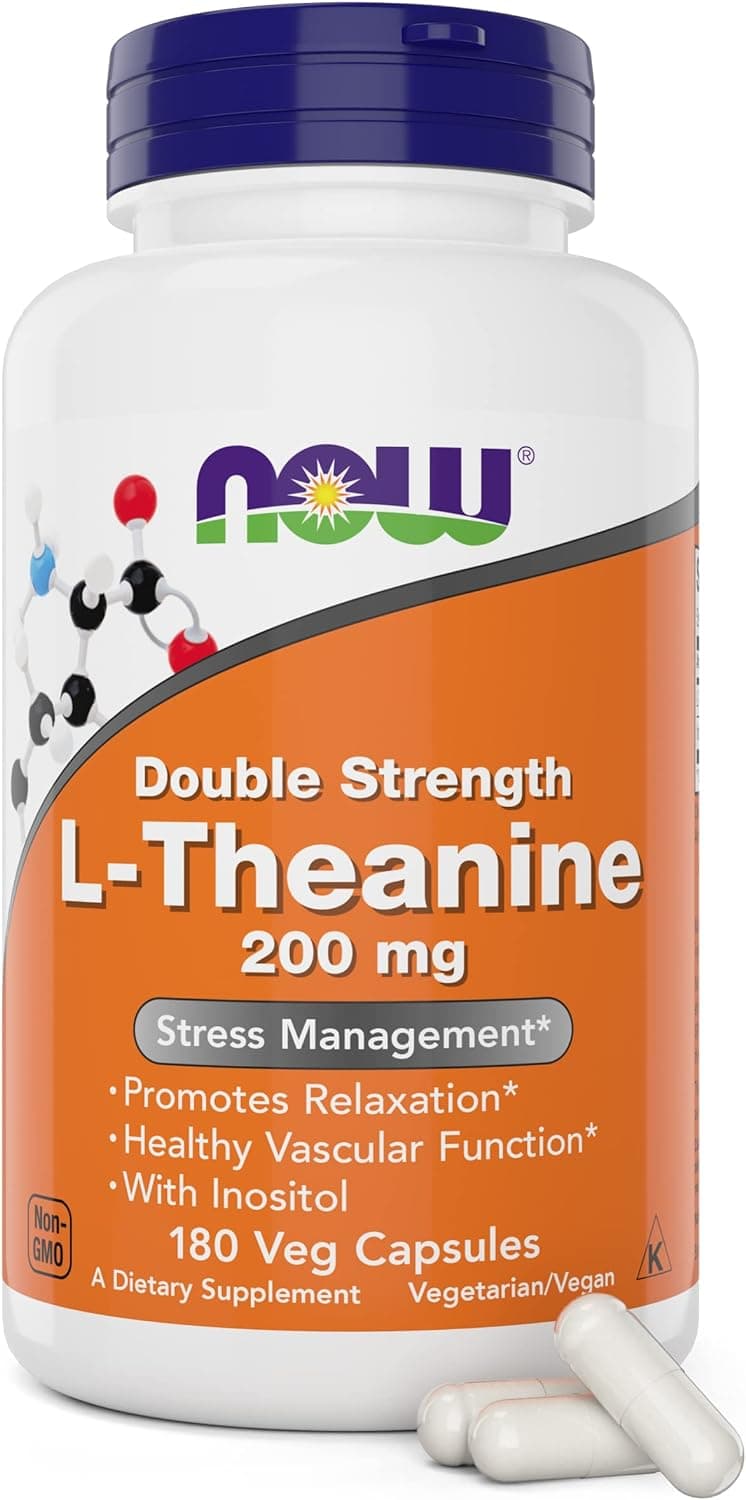
2 other outlets

Suppliers
Vendors carrying L-Theanine, with live product details and codes. Links are affiliate links that support the wiki at no cost to you.
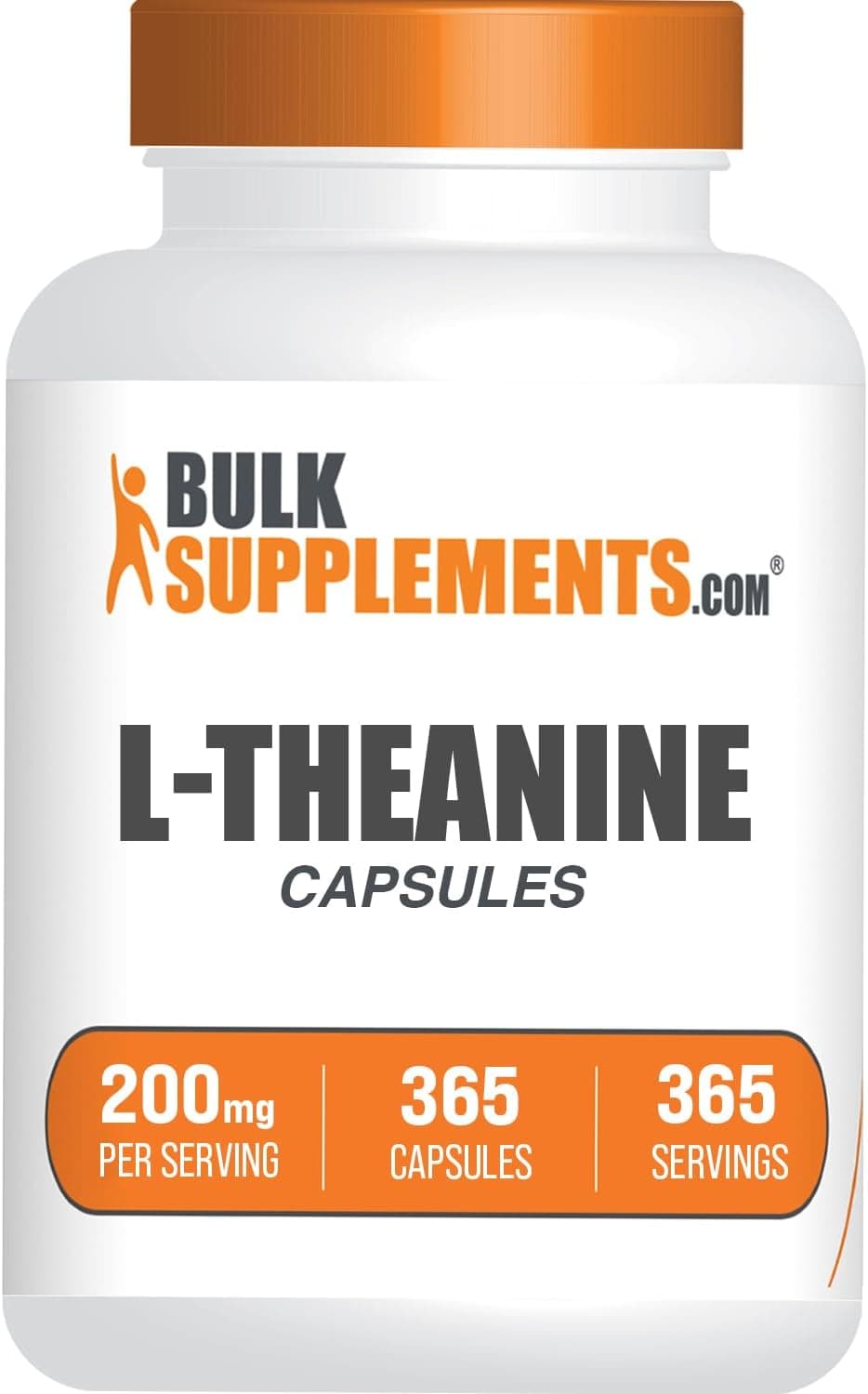
Amazon
L-Theanine
Amazon
L-Theanine
iHerb
L-Theanine
Research
- 1998first citedEffect of theanine, r-glutamylethylamide, on brain monoamines and striatal dopamine release in…
- 2014meta-analysisAcute effects of tea constituents L-theanine, caffeine, and epigallocatechin gallate on cogniti…
- 2025most active year3 papers
- 2026most recentEffects of L-theanine-caffeine combination on selective attention among adolescents with attent…
- 1.l-theanine: From tea leaf to trending supplement, does the science match the hype for brain health and relaxation?
- 2.L-theanine, unique amino acid of tea, and its metabolism, health effects, and safety.
- 3.Association of Tea Consumption with Risk of Alzheimer's Disease and Anti-Beta-Amyloid Effects of Tea.
- 4.Inhibition by theanine of binding of [3H]AMPA, [3H]kainate, and [3H]MDL 105,519 to glutamate receptors
- 5.Characterization of l-Theanine Excitatory Actions on Hippocampal Neurons: Toward the Generation of Novel N-Methyl-d-aspartate Receptor Modulators Based on Its Backbone
- 6.Effect of theanine, r-glutamylethylamide, on brain monoamines and striatal dopamine release in conscious rats
- 7.Theanine, gamma-glutamylethylamide, a unique amino acid in tea leaves, modulates neurotransmitter concentrations in the brain striatum interstitium in conscious rats
- 8.Effects of theanine, r-glutamylethylamide, on neurotransmitter release and its relationship with glutamic acid neurotransmission
- 9.The neuropharmacology of L-theanine(N-ethyl-L-glutamine): a possible neuroprotective and cognitive enhancing agent
- 10.Preventive effect of theanine intake on stress-induced impairments of hippocamapal long-term potentiation and recognition memory.
- 11.The effects of L-theanine, caffeine and their combination on cognition and mood
- 12.L-theanine and caffeine in combination affect human cognition as evidenced by oscillatory alpha-band activity and attention task performance
23 listed here; entry last updated August 2026
Reviews
My notesprivate to this device
FAQ
Why is it paired with caffeine?
It's thought to smooth out caffeine's jittery edge while supporting focus. The combination is popular for calm alertness.
What are alpha brain waves?
They're a pattern of brain activity linked to relaxed, wakeful states. L-theanine is associated with increasing them.
Where does it come from?
It's an amino acid found naturally in green tea. Supplements isolate it for convenience.
Is it sedating?
It generally promotes calm without strong sedation for most people. A few notice mild drowsiness.
Limitations of the evidence
- The mechanism does not explain the effect: theanine binds AMPA, kainate and the NMDA glycine site 80 to 30,000 times more weakly than glutamate itself, so no plausible brain concentration produces meaningful receptor occupancy
- Simple reaction time and Stroop interference are consistently null; the reliable gains are in choice reaction time and attention switching
- No significant effect on fatigue across 31 trials
- The stress effect is modest and was largely driven by studies at high risk of bias
- A 13-week rat study found renal tubular adenomas in high-dose females; the authors argue against a causal reading, and the observation is still in the record
Adverse effects
- Mild headache in some people
- Drowsiness at higher intakes
- Occasional lightheadedness
- Few side effects reported in trials
Notes and cautions
- Generally well tolerated