
spec sheet12 rows
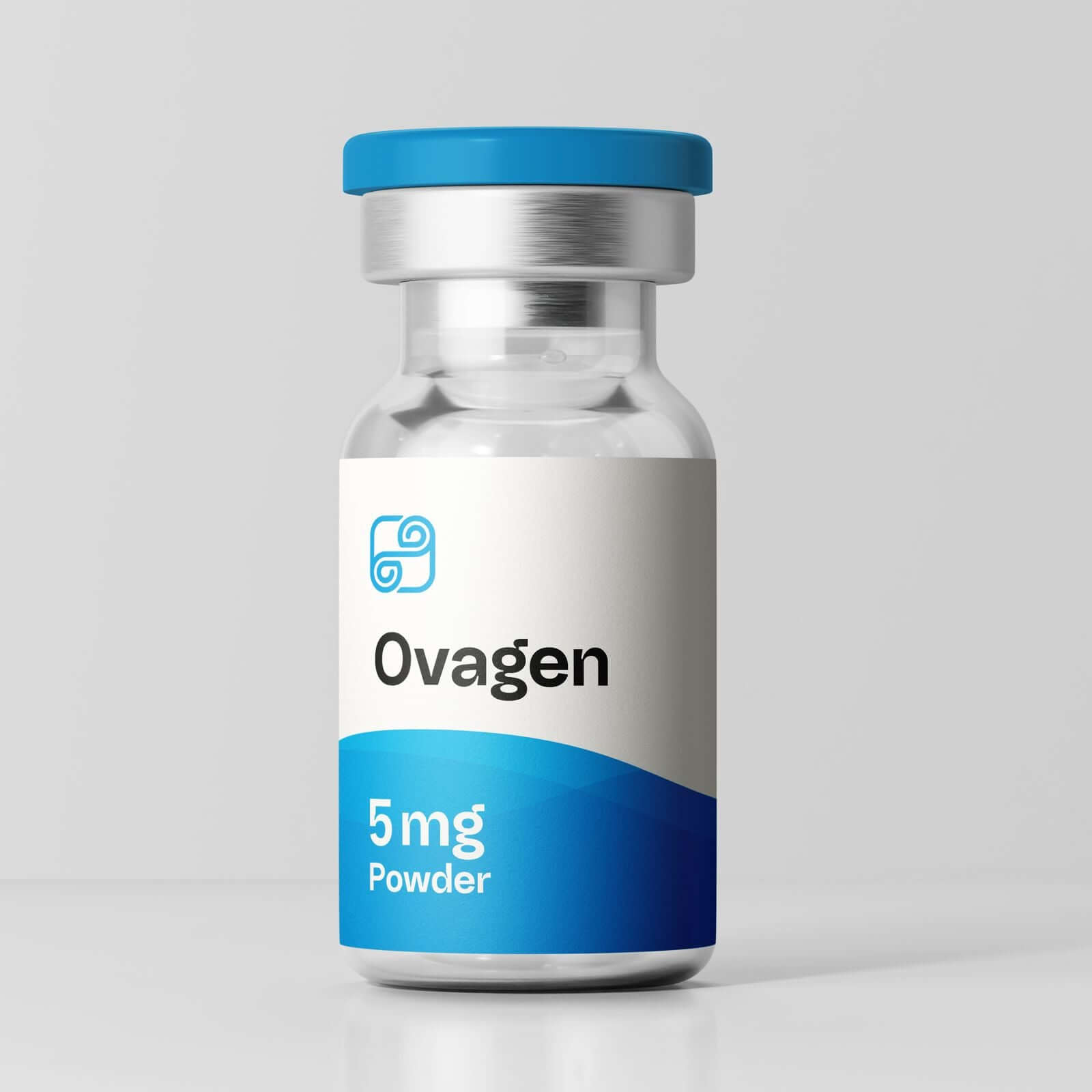
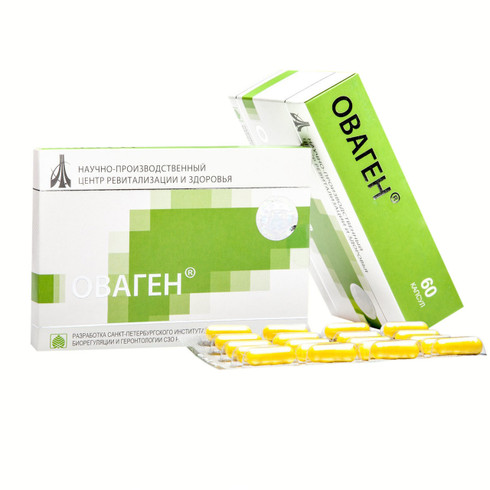
Ovagen is a short peptide bioregulator from the Russian Khavinson tradition, built on the Glu-Asp-Leu (EDL) sequence and directed at the liver and digestive tissue. In the bioregulator model, tiny peptides enter cells and steer tissue-specific gene expression rather than acting on surface receptors, an elegant, low-burden approach that fits naturally into a longevity-minded routine [1][2]. It is a research compound aimed at supporting detoxification, protein synthesis, and healthy cell turnover with age.
- Short peptide bioregulator directed at liver and gut tissue
- Liver support demonstrated in aged animal models
- Built on the elegant Glu-Asp-Leu tripeptide sequence
- Steers tissue specific gene expression from inside the cell
- Very low reported side effect burden
- Slots neatly into a broader longevity peptide framework
- Possible injection site irritation
Overview
Ovagen is a short peptide bioregulator associated with the Russian school of peptide gerontology founded by Vladimir Khavinson at the Saint Petersburg Institute of Bioregulation and Gerontology. It is built on the tripeptide sequence Glu-Asp-Leu (EDL) and is directed at the liver and gastrointestinal tissue. Peptide bioregulators of this family are very short peptides, typically two to seven amino acids, proposed to act by entering cells and even the nucleus to influence tissue-specific gene expression, rather than by binding cell-surface receptors [1].
The theoretical foundation of the class is well documented in the Russian literature. Short peptides have been shown to penetrate cell and nuclear membranes and to interact with DNA, histones, and the machinery of transcription, regulating gene expression and DNA methylation in an epigenetic manner [1]. Different sequences are reported to steer differentiation and function in a tissue-specific way; for example, the peptide AEDL has been associated with lung cell differentiation and KEDW with pancreatic cell differentiation, illustrating the sequence-specific logic that the EDL-based Ovagen is proposed to follow for hepatic and digestive tissue [2].
Within the broader bioregulator program, long-term treatment with short peptide preparations has been reported to increase mean lifespan in rodents by roughly 20 to 40 percent and to slow age-related changes in biomarkers of aging [3], and these peptides have been developed as peroral parapharmaceutical preparations intended to raise resistance to adverse factors and support healthy aging [4]. Ovagen is positioned as the liver and gut member of this system, with proposed effects on detoxification, protein synthesis, and healthy cell turnover.
Ovagen is a research compound rather than an approved drug. It is important to note that dedicated, independent peer-reviewed studies on Ovagen specifically are minimal; the supporting evidence is largely class-level and originates from a single research tradition, which places it in an early, exploratory category best regarded through the lens of the bioregulator concept as a whole.

- The bioregulator model holds that these peptides are short enough to enter the cell nucleus and interact directly with DNA, an epigenetic mode of action rather than classic receptor binding.
- Ovagen is defined by just three amino acids, Glu-Asp-Leu, making it one of the smallest peptides marketed for tissue-specific support.
Mechanism
Ovagen is appreciated for the clean simplicity of the bioregulator concept; a very short, tissue-directed that is proposed to nudge the liver and gut toward healthier function at the level of gene expression. In the model, short peptides are small enough to cross the cell membrane and enter the nucleus, where they can interact with single- and double-stranded DNA, histone proteins, and gene promoters, thereby regulating transcription and the methylation status that switches genes on or off [1]. This epigenetic, tissue-specific mode of action is the defining mechanistic claim of the class and the basis for Ovagen's proposed hepatic and digestive effects.
The sequence-specific nature of the model is central. Research on regulation of cell differentiation reports that particular short sequences direct particular tissues; AEDL is linked to lung and KEDW to pancreatic differentiation, among others, supporting the idea that an EDL-based peptide would exert its influence on its target tissue rather than acting globally [2]. For Ovagen this translates into proposed support for detoxification pathways, protein synthesis, and the orderly turnover of liver and gut cells as the body ages.
At the level of whole-organism outcomes, the class literature provides the strongest quantitative anchors, though these are class-level rather than Ovagen-specific. Long-term administration of short bioregulators increased mean lifespan in rodents by about 20 to 40 percent, slowed age-related shifts in aging biomarkers, and suppressed spontaneous and induced tumorigenesis in animal studies [3], and the peptides have been formulated for oral use as parapharmaceuticals intended to bolster resistance to extreme factors and age-related decline [4].
Reported benefits for Ovagen center on liver and digestive support within a geroprotective routine, and subjective effects described by users are generally subtle and slow to build, consistent with a gene-regulatory rather than acute pharmacological action. The honest framing is that Ovagen sits at the frontier; its promise rests on the coherence of the bioregulator model and its class evidence more than on dedicated trials of the itself [1][3].
receptor fingerprint
Hepatocyte gene expressionProposed epigenetic modulation of liver-specific genes
Gastrointestinal epitheliumTissue-directed regulatory signaling
Cellular proliferationModulation of proliferative activity in cultured cells
Safetyrisks and cautions, not medical advice
Ovagen is a short synthetic peptide sold as a bioregulator, but there is no robust independent human clinical evidence for its efficacy or safety, and it is not an approved medicine. The supporting claims come largely from a single research group and have not been widely replicated, and the sterility and purity of injectable research-grade material are not guaranteed. Its real risk profile in humans is unknown.
History
Ovagen belongs to the family of short peptide bioregulators developed within the Russian, formerly Soviet, gerontology tradition associated with Vladimir Khavinson and the St. Petersburg Institute of Bioregulation and Gerontology. That research program, which began in the 1970s in a military medical context, isolated and later synthesized very short tissue-directed peptides, and assigned each a target organ; Ovagen is built on the Glu-Asp-Leu (EDL) sequence and is directed at the liver and digestive tissue. Documentation specific to Ovagen itself is sparse, and most of the supporting evidence is drawn from the broader bioregulator class rather than from dedicated trials of this exact peptide. It has never been developed or approved as a conventional drug and is sold as a research compound and parapharmaceutical.
Reputation
Ovagen appeals to a longevity-minded audience drawn to the elegant simplicity of the bioregulator concept; a tiny, low-burden peptide proposed to nudge liver and gut tissue toward healthier gene expression rather than acting on surface receptors. The class it belongs to has an intriguing track record in animal studies, including reported extension of mean lifespan and suppression of tumorigenesis, which lends the idea genuine scientific interest. In fairness, subjective effects are described as subtle and slow to build, consistent with a gene-regulatory rather than acute action, and the honest framing is that Ovagen sits at the frontier; its promise rests on the coherence of the model and its class evidence more than on trials of the peptide itself. It remains a compound for the curious and the patient rather than one with established clinical outcomes.
Subjective profileweighing the evidence above
Thin. The bioregulator premise is tidy, but the supporting work comes largely from a single research group, has not been widely replicated, and there is no independent human clinical evidence. Injecting research-grade peptide of unverified sterility on that basis is a poor trade.
Where to buy
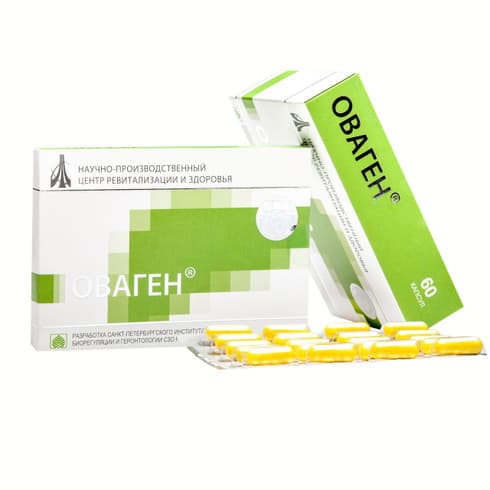
Suppliers
Vendors carrying Ovagen, with live product details and codes. Links are affiliate links that support the wiki at no cost to you.
| supplier | size | price | $/mg |
|---|---|---|---|
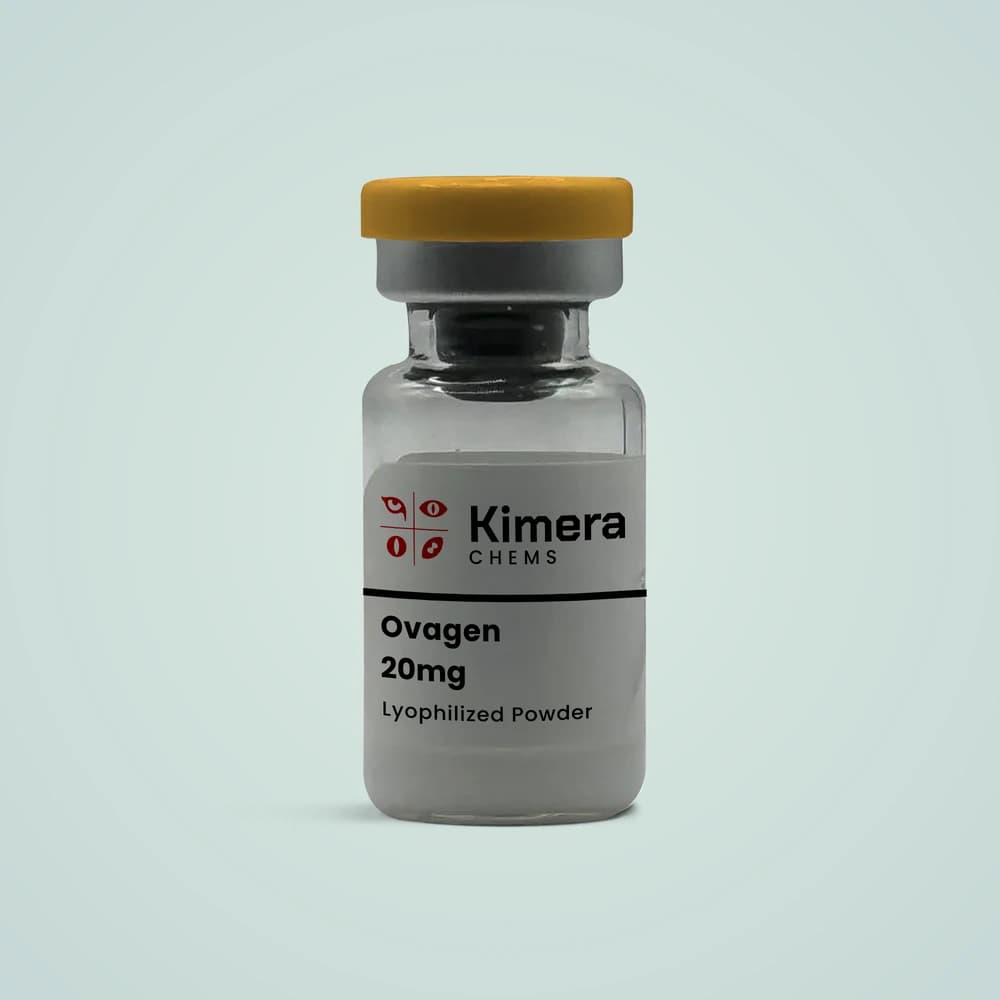
| Kimera Chemslowest | 20mg | $54.99 | $2.75/mg |
| Limitless Biochem | 5mg | $39.99 | $8.00/mg |
Limitless Biochem🌐
Ovagen
Kimera Chems
Ovagen
RUPharma🌐
Ovagen
RUO
Ovagen
Research
- 2003first citedPhysiological role of short peptides in nutrition
- 2021most recentPeptide Regulation of Gene Expression: A Systematic Review
- 1.Peptide Regulation of Gene Expression: A Systematic Review
- 2.Peptide Regulation of Cell Differentiation
- 3.Peptide bioregulation of aging: results and prospects
- 4.Physiological role of short peptides in nutrition
- 5.Peptides (Epigenetic Regulators) in the Structure of Rodents with a Long and Short Lifespan
5 listed here; entry last updated August 2026
Reviews
My notesprivate to this device
FAQ
What tissue is Ovagen aimed at?
It is marketed and studied as a liver and gastrointestinal bioregulator.
Is Ovagen proven in humans?
No; the evidence is largely preclinical and from a single research lineage, so claims stay tentative.
How is it thought to work?
The bioregulator model proposes short peptides enter cells and influence tissue-specific gene expression rather than binding surface receptors.
Limitations of the evidence
- Long term effects still unknown
Adverse effects
- Possible injection site irritation
Notes and cautions
- Independent human data still minimal
- Quality varies by source, so choose well