
spec sheet11 rows
Chonluten is a synthetic short peptide bioregulator derived from bronchial tissue, part of the celebrated Russian family of tissue-specific peptides developed for respiratory and immune support. It has been shown to calm inflammatory signaling in immune cells, reducing production of TNF and IL-6. For those focused on lung health, inflammation balance, and healthy aging, Chonluten is a distinctive and targeted peptide.
- a defined synthetic tripeptide, not a vague tissue extract
- aimed at bronchial and lung tissue specifically
- cut TNF and IL-6 output in cultured human immune cells
- the clearest laboratory signal the Cytogen range has produced
- reported as well tolerated in its source literature
- the lab data is the story; human trials have not followed
- Possible mild local reactions with parenteral use
Overview
Chonluten is a synthetic short peptide bioregulator belonging to the family of tissue-specific peptides developed within the St. Petersburg school of bioregulation and gerontology associated with Vladimir Khavinson [1][2]. It is a tripeptide derived from bronchial epithelial cells, and it is designed to act as an organ-specific regulator for the bronchopulmonary system [1]. The Khavinson peptides, characterized from 1973 onward, were originally isolated from animal tissues and found to be organ specific, giving rise to a family of synthetic short peptides each targeted to a particular tissue [1][4].
As a member of the short-peptide class, generally two to seven amino acids in length, Chonluten is studied as a regulator of gene expression, cellular proliferation, and inflammation. These peptides are small enough to penetrate cells and their nuclei and to influence transcription through interaction with DNA and chromatin [2]. The broader peptide-bioregulator concept holds that supplying tissue-specific peptides can help normalize the impaired synthesis of regulatory peptides that accompanies aging [4].
Chonluten's research applications center on the respiratory system, immune modulation, and geroprotection [1][4]. In experimental models it is examined for its influence on inflammatory pathways in monocytes and macrophages and on the differentiation and renewal of bronchopulmonary cells [1][3]. Regulatory status places it among the peptide bioregulators marketed in Russia as preparations or supplements; it is not an approved pharmaceutical in Western countries and is handled as a research peptide, typically supplied as a lyophilized powder or in capsule form.
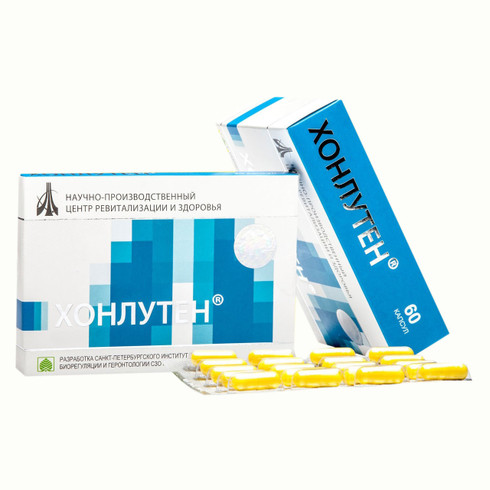

- Chonluten is just three amino acids long, glutamyl-aspartyl-glycine, small enough that its class of peptides is thought to enter the cell nucleus and influence gene expression directly.
- In human immune-cell studies it acted as a natural inducer of TNF tolerance, blunting the inflammatory response to bacterial lipopolysaccharide.
- It is one of a family of organ-specific peptides, each originally isolated from and aimed at a particular tissue; Chonluten's source tissue is the bronchopulmonary system.
Mechanism
Chonluten's proposed benefits are anti-inflammatory support and healthy renewal of the bronchopulmonary tissue from which it is derived. Its most direct evidence comes from work in the human monocyte and macrophage THP-1 cell line, where the Chonluten tripeptide, alongside other Khavinson peptides, modulated key proliferative pathways by increasing tyrosine phosphorylation of mitogen-activated cytoplasmic kinases [1]. Importantly, Chonluten inhibited the production of tumor necrosis factor (TNF) by monocytes exposed to the pro-inflammatory bacterial stimulus lipopolysaccharide, an effect linked to a documented mechanism of TNF tolerance that attenuates inflammatory activity [1].
Beyond TNF, the reduced lipopolysaccharide-stimulated expression of the pro-inflammatory IL-6 in differentiated macrophages and lowered the adhesion of treated monocytes to activated endothelial cells, a further anti-inflammatory action [1]. Taken together, these findings position Chonluten as a natural inducer of TNF tolerance in monocytes that acts on macrophages as an anti-inflammatory molecule during inflammatory and microbial challenges [1].
Mechanistically, Chonluten operates through the short- bioregulator model shared by the Khavinson family: because it is only a few amino acids long, it can enter cells and their nuclei and regulate gene expression and protein synthesis at an epigenetic level, biasing target tissues toward healthier function and renewal [2]. Within this framework it is grouped with tissue-specific peptides that guide differentiation of their respective organs, including the lung [3]. The current evidence base is largely preclinical and mechanistic, centered on cell and molecular models that map its anti-inflammatory and gene-regulatory activity [1][2].
receptor fingerprint
Bronchial epitheliumProposed tissue-specific regulation of cell renewal
Lung tissue gene expressionPeptide influence on transcription
Airway inflammatory toneModulation of local cytokine activity
Safetyrisks and cautions, not medical advice
Chonluten is a short peptide bioregulator marketed for respiratory and tissue support; human safety data are very limited, coming mainly from small Russian studies, and it is sold as a research chemical. Its risks, long-term effects and interactions are not characterized, and considerations are inferred from its peptide class rather than robust clinical evidence.
History
Chonluten is one of the short peptide bioregulators developed within the research school of Vladimir Khavinson at the Saint Petersburg Institute of Bioregulation and Gerontology in Russia, a program of peptide research that took shape from the 1970s onward. The approach grew out of Soviet-era work seeking natural regulators that could restore the function of specific tissues, with each peptide originally extracted from, and directed at, a particular organ.
Chonluten was derived from bronchial and lung tissue and later reproduced as a defined synthetic tripeptide, glutamyl-aspartyl-glycine. Much of the foundational research is documented in Russian-language literature, though international interest grew as members of the peptide family were characterized in modern cell and molecular models. A 2022 study by Avolio and colleagues examined Chonluten alongside other Khavinson peptides in a human monocyte and macrophage cell line, documenting concrete anti-inflammatory activity and helping bring the compound to wider scientific attention.
Reputation
Chonluten occupies a distinctive niche as a targeted, tissue-specific peptide for respiratory and immune support, and it benefits from the intriguing pedigree of the Khavinson peptide family, long celebrated in Russia for their role in healthy-aging research. What makes it compelling to modern readers is that its reputation now rests on more than tradition; laboratory work has shown that the Chonluten tripeptide can genuinely calm inflammatory signaling in immune cells, reducing production of the key mediators TNF and IL-6 and lowering the adhesion of immune cells to blood-vessel walls.
Its proposed mode of action is elegant in concept, since a peptide only three amino acids long is small enough to enter cells and even their nuclei, where it may bias gene expression toward healthier tissue function. This is a genuinely fascinating model of biological regulation, and it should be presented honestly; the current evidence is largely preclinical and mechanistic, so Chonluten is best seen as a promising and well-motivated peptide whose clinical benefits await fuller study.
Subjective profileweighing the evidence above
A cytokine result in cultured monocytes is the strongest signal the Cytogen range has produced, and it is still a long way from an oral capsule reaching an airway; short peptides are cleaved in the gut like any other. That gap is the whole story, and nothing in the human record closes it. Worth reading about as a curiosity of Russian peptide pharmacology, not worth buying for a lung problem.
Where to buy

Suppliers
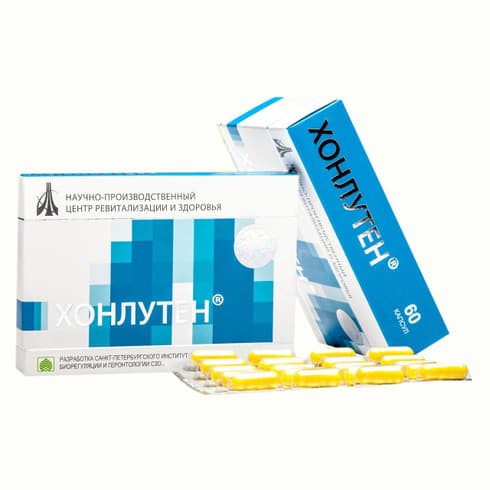
Vendors carrying Chonluten, with live product details and codes. Links are affiliate links that support the wiki at no cost to you.
Kimera Chems
Chonluten
RUPharma🌐
Honluten
RUO
Chonluten
Research
- 2002first citedPeptides and Ageing
- 2022most recentPeptides Regulating Proliferative Activity and Inflammatory Pathways in the Monocyte/Macrophage…
- 1.Peptides Regulating Proliferative Activity and Inflammatory Pathways in the Monocyte/Macrophage THP-1 Cell Line
- 2.Peptide Regulation of Gene Expression: A Systematic Review
- 3.Peptide Regulation of Cell Differentiation
- 4.Peptides and Ageing
4 listed here; entry last updated August 2026
Reviews
My notesprivate to this device
FAQ
How is Chonluten different from Bronchogen?
Both target lung and bronchial tissue and are marketed similarly; they are different short peptide sequences from the same family.
Is it a proven asthma or COPD treatment?
No; it is not approved for those and should not replace prescribed respiratory care.
Where does the evidence come from?
Mostly the St. Petersburg institute that developed these peptides; independent Western data are thin.
Is it safe?
Reported as well tolerated in early work, but independent long-term safety data are lacking, so caution is warranted.
Limitations of the evidence
- Human clinical evidence is limited; data are largely preclinical
Adverse effects
- Possible mild local reactions with parenteral use
Notes and cautions
- Generally well tolerated within the peptide bioregulator class
- Not an approved pharmaceutical outside its region of origin