
data + articles · 8 listed
newest 2024spec sheet11 rows
Pinealon is a synthetic tripeptide bioregulator (Glu-Asp-Arg, also called the EDR peptide) from the Russian Khavinson family of short peptides, developed to support the brain and target age-related cognitive decline [1][5]. In laboratory and animal studies it acts as a neuroprotective agent that shields neurons from oxidative stress and hypoxia, promotes healthy dendrite growth, and helps regulate the genes that keep neurons functioning [1][3]. Marketed as a peptide geroprotector for memory and healthy brain aging, it is one of the best known members of the short-peptide nootropic class [4][5].
- Peptide bioregulator built for the aging brain
- Neuroprotective, pro-cognitive, and memory-focused
- Regrew dendritic spines in lab models
- Doubled good outcomes in a small human trial
- Big endurance jump in rodent studies
- Linked to years of biological age reversal
- Injectable peptide use carries the usual risks of injection, including irritation or infection
Overview
Pinealon is a short synthetic peptide belonging to the class of peptide bioregulators developed in Russia by Vladimir Khavinson and colleagues at the Saint Petersburg Institute of Bioregulation and Gerontology [1][5]. Chemically it is the tripeptide Glu-Asp-Arg, commonly abbreviated EDR after the single-letter codes of its three amino acids (glutamic acid, aspartic acid, arginine) [1][3]. It is one of a family of ultrashort peptides, alongside relatives such as epitalon, vesugen, and cortagen, that are marketed as targeted regulators of specific tissues; pinealon is associated with the brain and central nervous system and is often described in supplement form as a pineal or neuronal peptide [2][5].
Research on pinealon has focused on neuroprotection and healthy aging. In animal models of hypobaric and prenatal hypoxia, pinealon showed the most pronounced antihypoxic and neuroprotective effect among a group of short peptides, increasing the resistance of neurons to oxygen deprivation [2]. In cell-culture work the EDR peptide reduces neuronal apoptosis, stimulates antioxidant enzyme activity, and, in a model of neuronal aging built from reprogrammed human fibroblasts, lowered oxidative DNA damage while promoting the branching of dendrites [1][3]. A substantial body of this literature examines the peptide's relevance to Alzheimer's disease and other age-related cognitive decline [1][6][7].
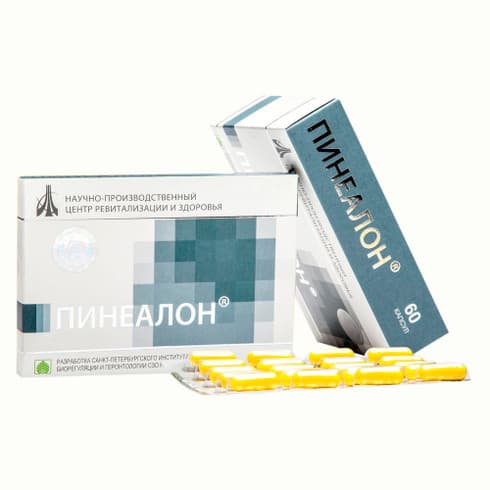
Much of the evidence base comes from the Khavinson research group and is preclinical or in vitro, with a smaller number of small human studies; one clinical report applied pinealon together with the peptide vesugen in older adults with organic brain syndrome and chronic polymorbidity, describing improvements in central nervous system activity and markers of biological age [4][5]. Pinealon is not an approved pharmaceutical in Western countries and is sold as a dietary supplement or research peptide, typically as a capsule or a powder for oral or injectable use under the Khavinson peptide bioregulator brands [4][5]. Its regulatory status, like that of the broader short-peptide category, remains outside mainstream drug approval frameworks [5].
- Despite being only three amino acids long, pinealon is small enough to enter the cell nucleus, where it is proposed to bind DNA and histones and regulate gene expression directly.
- In a molecular-docking study, the EDR peptide sequence was found to be complementary to a nucleotide sequence in the tryptophan hydroxylase gene, suggesting it can epigenetically stimulate serotonin synthesis in brain cortex cells.
Mechanism
Pinealon (Glu-Asp-Arg) is proposed to act through a distinctive mechanism for such a small molecule: direct regulation of gene expression. Because the tripeptide is small enough to enter cells and reach the nucleus, it is thought to bind to histone proteins and to regions of DNA and RNA, thereby modulating the transcription of genes that govern neuronal survival and function [1][6]. Through this route the EDR has been reported to influence the MAPK/ERK signaling pathway and to shift the balance of proapoptotic proteins such as caspase-3 and p53 and antioxidant enzymes such as SOD2 and GPX1, reducing programmed cell death and reinforcing the cell's own antioxidant defenses [1]. This epigenetic and gene-regulatory model is the leading explanation for how ultrashort peptides like pinealon can exert broad neuroprotective effects without acting as classical receptor drugs [6].
The downstream benefits observed in the laboratory follow from this activity. In models of , pinealon was the most effective of several short peptides at protecting neurons from oxygen deprivation, an effect attributed less to simply blocking reactive oxygen species than to stimulating the internal antioxidant enzyme system and possibly limiting the excitotoxic action of N-methyl-D-aspartate () receptor overactivation [2]. In a human cellular aging model created by transdifferentiating skin fibroblasts from elderly donors into cortical neurons, the EDR reduced oxidative DNA damage and, together with related peptides, increased both the number of primary dendritic processes and the total length of dendrites, indicating support for neuronal connectivity [3]. Preclinical studies also report that the preserves dendritic spines in neurons derived from Alzheimer's and Huntington's disease models and normalizes behavioral responses in animals [1].
Taken together, the mechanistic picture is of a gene-regulating neuroprotective that supports antioxidant capacity, limits neuronal apoptosis and , and promotes dendrite maintenance, which is the basis for its positioning as a and geroprotector for memory and brain aging [1][3]. It is important to note that these mechanisms are drawn largely from in vitro and animal work by the 's developers, and large independent clinical trials quantifying the effect size in humans are lacking; the human evidence to date consists mainly of small studies reporting improved central nervous system activity and memory in older adults [4][5].
receptor fingerprint
Free radicals / suppresses
Gene expression ( bioregulator)modulates
FKBP1B (neuronal calcium handling)normalizes
FNDC5 / irisinupregulates
SOD2 / GPX1 antioxidant enzymesinduces
PPARA / PPARGupregulates
Caspase-3 / p53 apoptosis signalingsuppresses
Nestin / GAP43induces
ERK1/2 signalingmodulates
Dosingtypical ranges, not medical advice
interested in protocols and clinical dosages? make an account to see them! ^_^
Safetyrisks and cautions, not medical advice
Pinealon reads clean in the preclinical and Russian clinical record; short bioregulator peptides like this come across as low toxicity and well tolerated, without the immune or hormonal baggage of bigger peptides. In pigs, daily dosing at up to a thousand times the therapeutic range for six months left organs and blood work unremarkable, which is reassuring. Being honest though, the solid human evidence is thin and largely from one research lineage (Khavinson's group), so there is no established long term safety picture beyond that, and it is sold as an unscheduled research peptide, not an approved medicine. Self experiment reports mention only minor stuff; mild injection site irritation, an occasional headache, some fatigue, and at higher doses a little sleepiness, lower blood sugar, or a mood dip. Sensible to keep it to short courses and treat it as exploratory.
Reconstitutionarithmetic only, not dosing advice
arithmetic only; not medical or dosing advice.
History
Pinealon is a synthetic tripeptide (Glu-Asp-Arg), also called the EDR peptide, from the family of short peptide bioregulators developed in Russia by Professor Vladimir Khavinson and colleagues at the St. Petersburg Institute of Bioregulation and Gerontology. This research program, which grew out of Soviet-era work on organ-derived peptide extracts beginning in the 1970s and 1980s, sought ultrashort peptides that could regulate gene expression and counter age-related decline. Pinealon was designed specifically to support the brain and target age-related cognitive impairment. Much of its published evidence comes from the developers' own laboratory and animal studies, with limited large-scale independent clinical validation to date.
Reputation
Pinealon is one of the better-known members of the Khavinson short-peptide class and is discussed positively as a neuroprotective geroprotector for memory and healthy brain aging. Laboratory work is genuinely intriguing: the peptide has protected neurons from hypoxia and oxidative stress, supported dendrite growth in aged human-derived neurons, and appears to act through an unusual gene-regulatory mechanism rather than as a classical receptor drug. Enthusiasts appreciate this novel epigenetic angle and its clean safety impression. It is important to be candid that most of this evidence is preclinical and originates largely from the peptide's developers, and rigorous independent human trials quantifying its benefits are still lacking.
Subjective profileweighing the evidence above
More interesting preclinical work than most bioregulator peptides, and the small brain-injury trial that doubled good outcomes is worth noting. But that is one small study from a single research tradition, the human evidence is thin, and no validated dose exists. Low risk, low certainty.
Where to buy
Suppliers
Vendors carrying Pinealon, with live product details and codes. Links are affiliate links that support the wiki at no cost to you.
| supplier | size | price | $/mg |
|---|---|---|---|
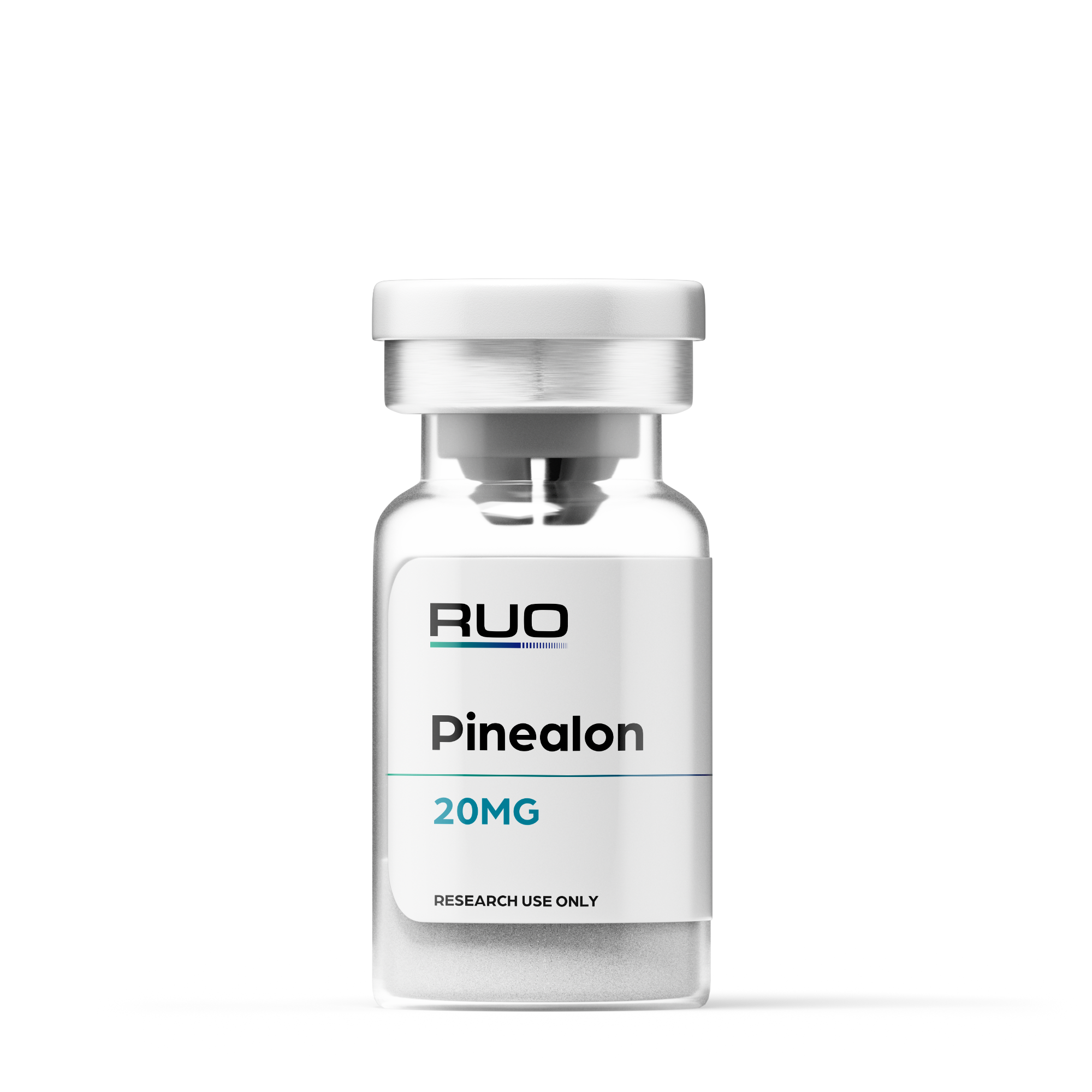
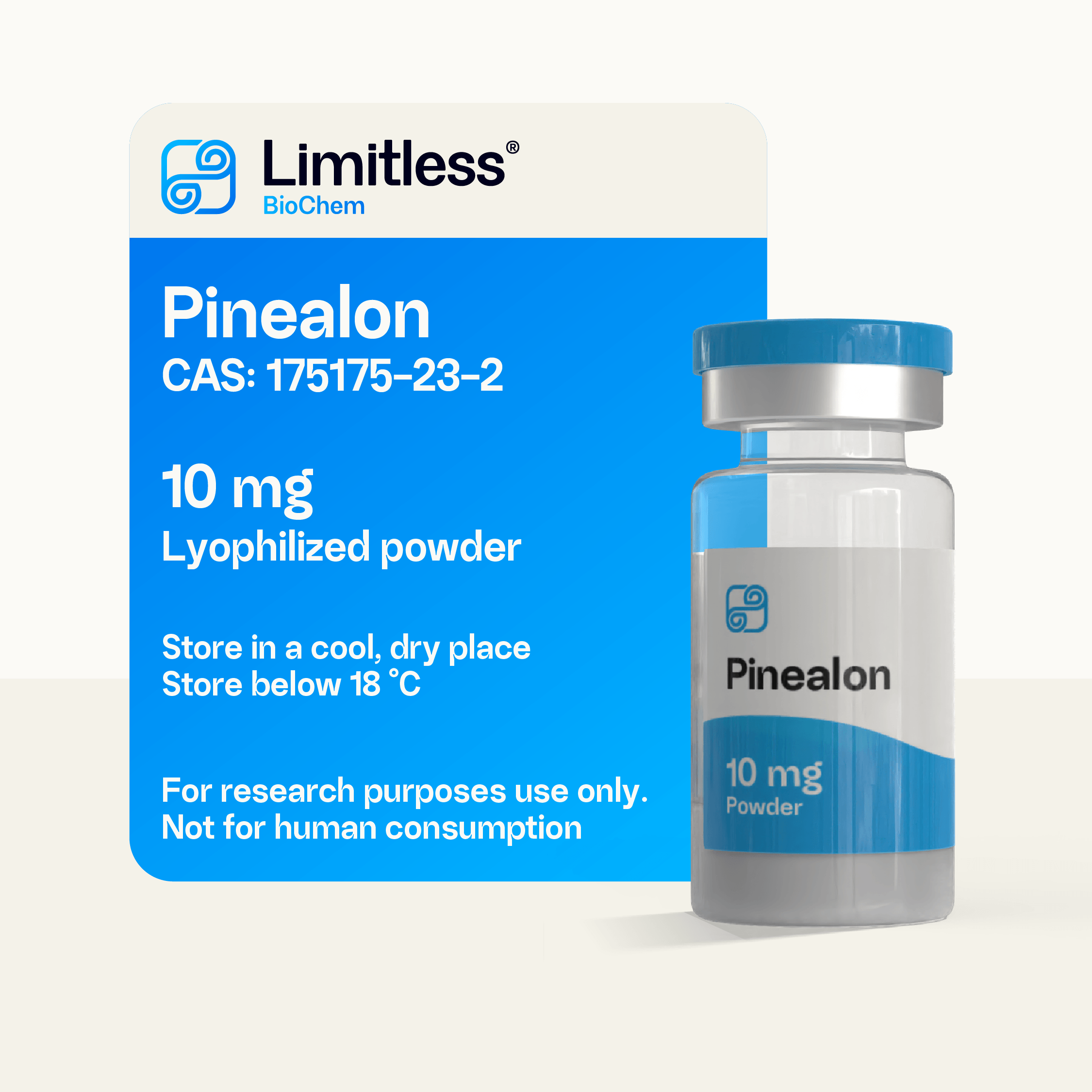
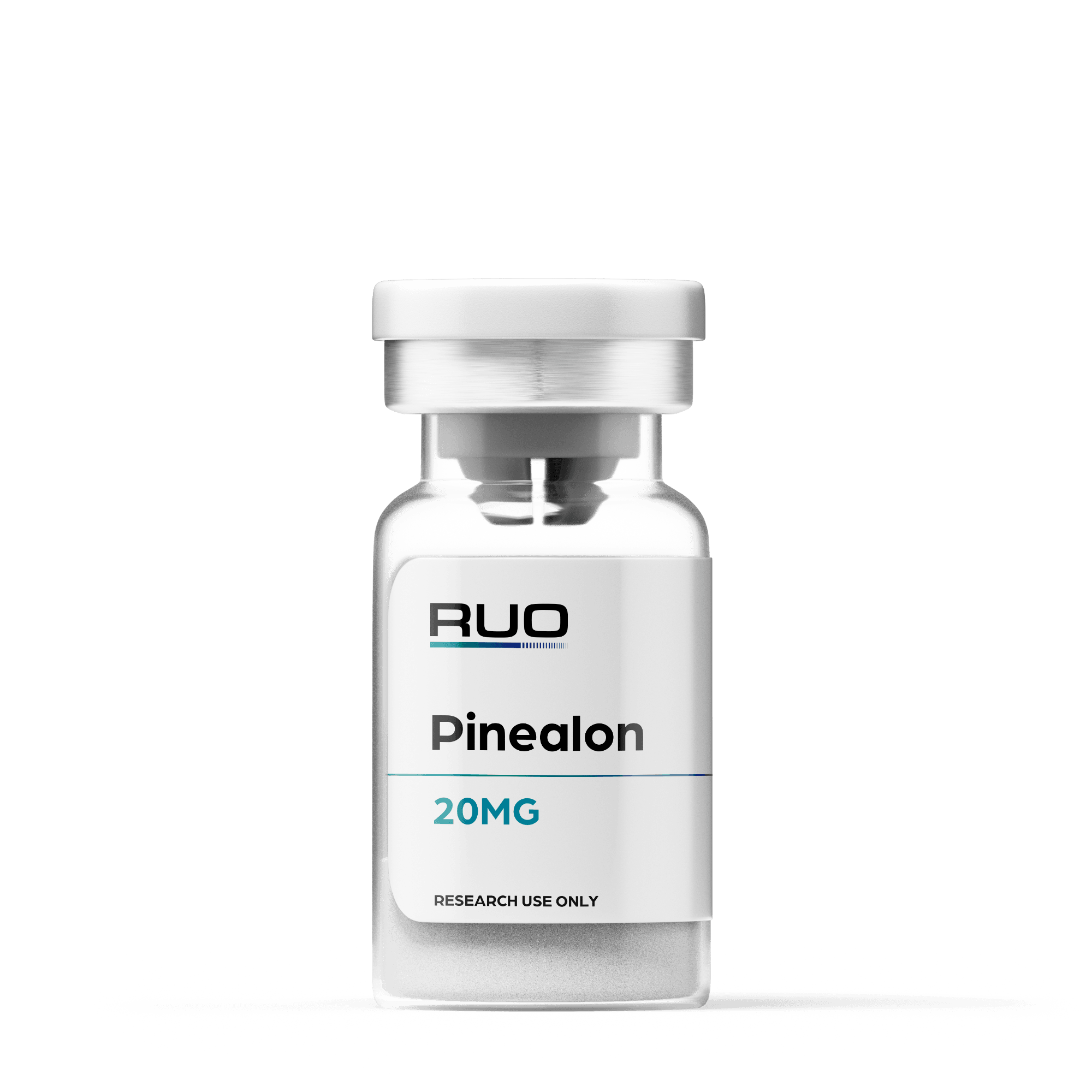
| RUOlowest | 20mg | $30.00 | $1.50/mg |
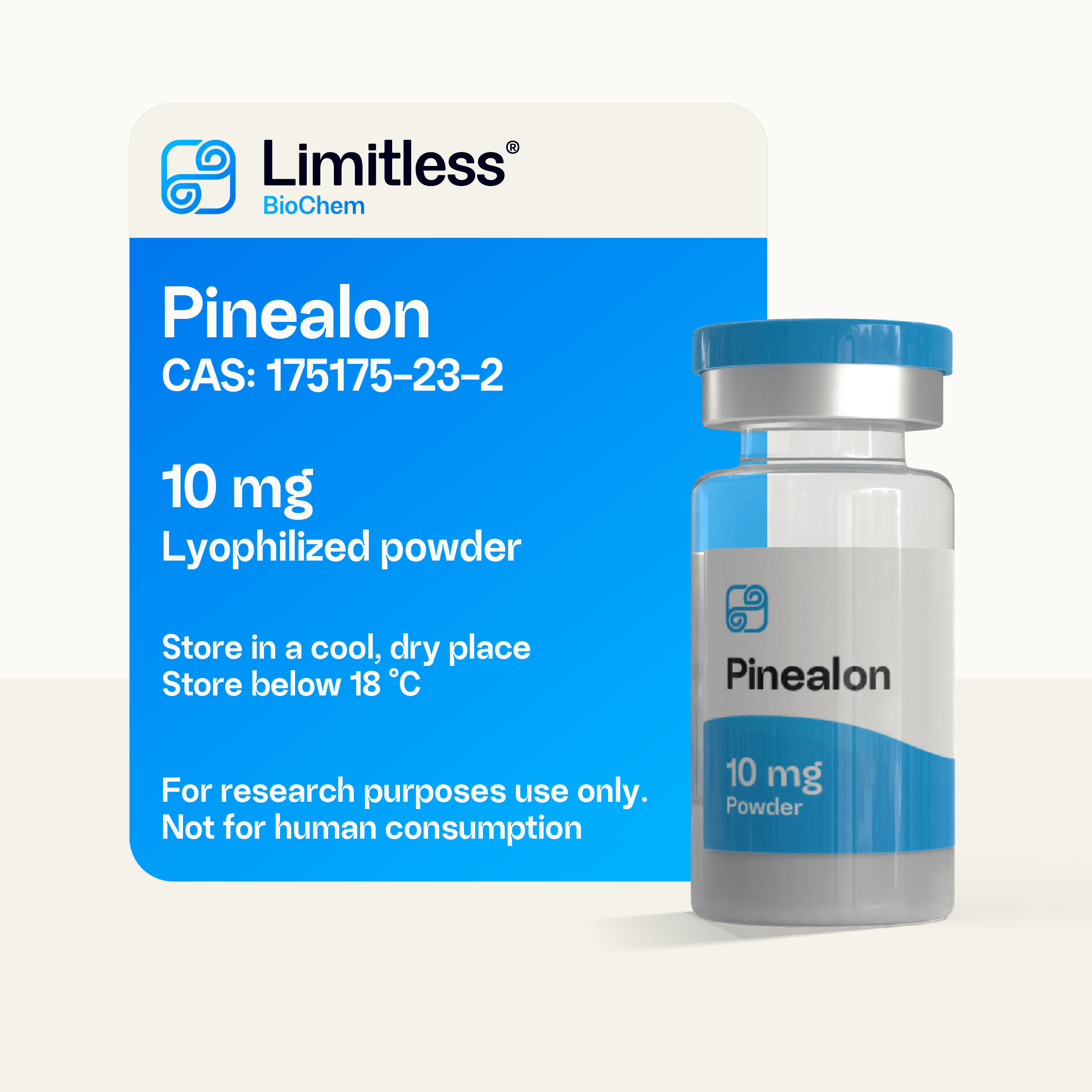
| Limitless Biochem | 10mg | $49.20 | $4.92/mg |
RUO
Pinealon
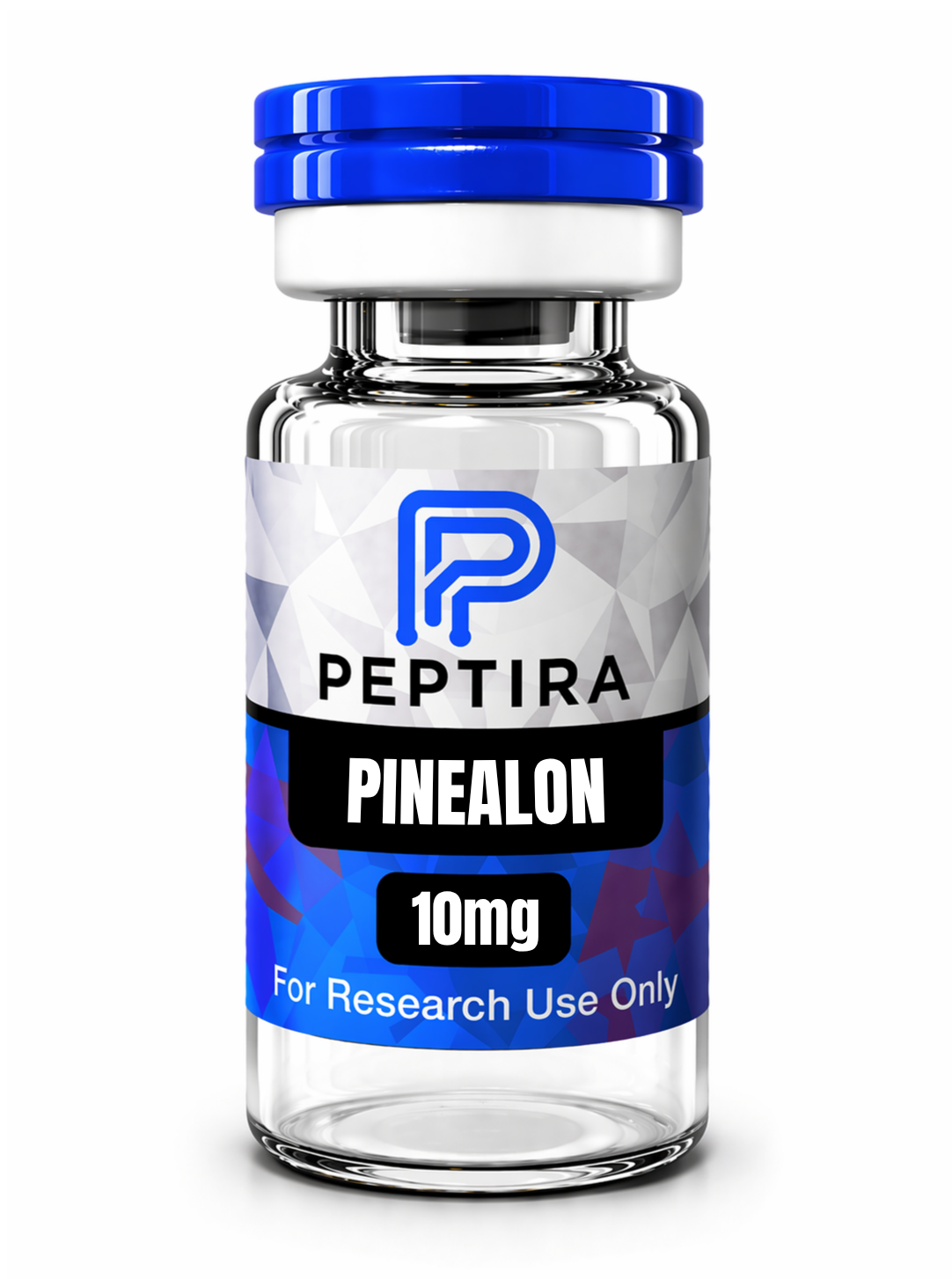
Peptira
Pinealon
Limitless Biochem🌐
Pinealon
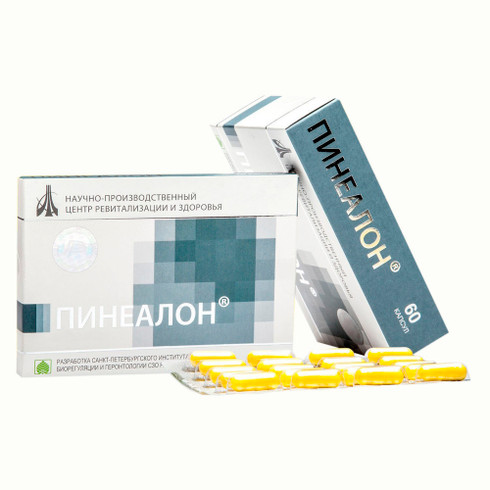
RUPharma🌐
Pinealon
Research
- 2008first cited[Investigation of antihypoxic properties of short peptides].
- 2024most recent[Prospects for use of short peptides in pharmacotherapeutic correction of Alzheimer's disease.].
- 1.EDR Peptide: Possible Mechanism of Gene Expression and Protein Synthesis Regulation Involved in the Pathogenesis of Alzheimer's Disease.
- 2.[Investigation of antihypoxic properties of short peptides].
- 3.Short Peptides Protect Fibroblast-Derived Induced Neurons from Age-Related Changes.
- 4.[EFFECT OF SYNTHETIC PEPTIDES ON AGING OF PATIENTS WITH CHRONIC POLYMORBIDITY AND ORGANIC BRAIN SYNDROME OF THE CENTRAL NERVOUS SYSTEM IN REMISSION].
- 5.[Neuroprotective effects of peptides bioregulators in people of various age].
- 6.Neuroepigenetic Mechanisms of Action of Ultrashort Peptides in Alzheimer's Disease.
- 7.[Prospects for use of short peptides in pharmacotherapeutic correction of Alzheimer's disease.].
- 8.Short peptides stimulate serotonin expression in cells of brain cortex
8 listed here; entry last updated August 2026
Reviews
My notesprivate to this device
FAQ
What is pinealon?
It is a short Russian developed bioregulator peptide (Glu-Asp-Arg) aimed at the aging brain and protecting neurons.
What is a bioregulator peptide?
These are short peptides proposed to slip into the nucleus and tune gene expression, though solid human evidence is still limited.
Is it an approved medication?
No, it is not a broadly approved drug and human data is sparse, mostly from one Russian research group.
Why refrigerate it?
Peptides are generally kept cold, especially after reconstitution, to preserve stability.
Adverse effects
- Injectable peptide use carries the usual risks of injection, including irritation or infection
Notes and cautions
- Pinealon is generally described as well tolerated in the available studies, which are mostly small or preclinical
- Because the human evidence base is limited, its long-term safety is not well established
- One study noted prooxidant activity and reduced markers of certain blood stem cells, effects the authors said warrant further study
- It is not an approved medicine in Western countries, and supplement quality is not guaranteed