
spec sheet10 rows
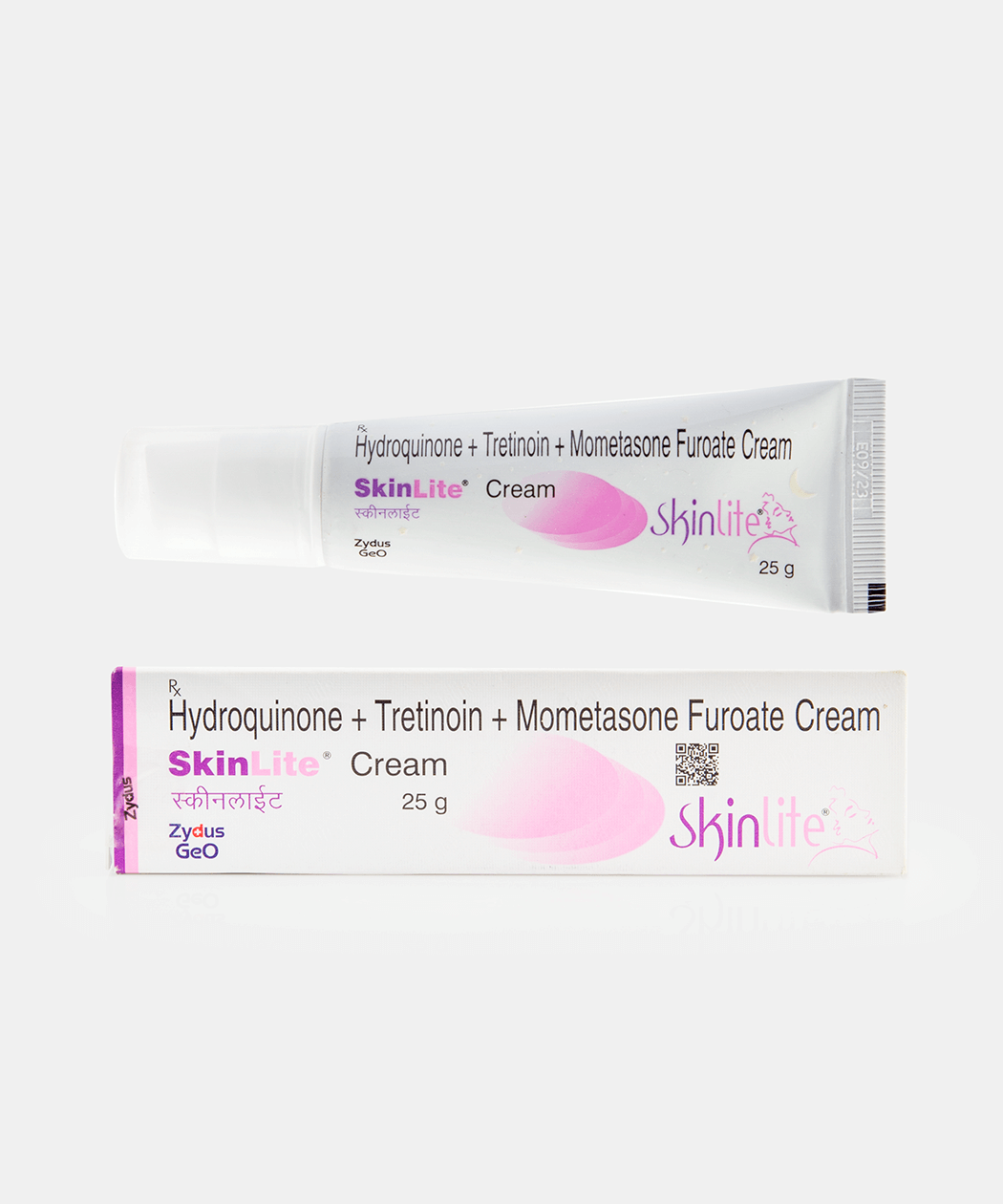
Hydroquinone + Tretinoin + Mometasone is a triple-combination topical cream used to lighten melasma and other facial hyperpigmentation. It is a modified version of the classic Kligman formula, pairing the depigmenting agent hydroquinone and the retinoid tretinoin with mometasone, a stronger corticosteroid than the fluocinolone used in the original. The formulation is widely prescribed and sold in some regions, though the more potent steroid raises particular safety concerns.
- a triple combination cream that fades melasma fast
- works noticeably faster than any single agent
- evens tone across stubborn patches of pigment
- the retinoid drives the lightener deeper into skin
- the steroid keeps irritation down during treatment
- a refined take on the classic Kligman formula
- Telangiectasia (fine dilated blood vessels) and skin thinning from the corticosteroid
- Excess facial hair or acne-like eruptions with prolonged steroid use
- Redness, peeling, dryness and stinging from the retinoid
Overview
This preparation is a modified triple-combination cream, a variation on Kligman's original three-drug formula for melasma. It combines hydroquinone, a phenolic depigmenting agent that suppresses melanin production; tretinoin, the acid form of vitamin A that speeds skin-cell turnover and helps clear pigment; and mometasone (mometasone furoate), a corticosteroid included to reduce the irritation the other two ingredients cause. Whereas the reference triple cream uses the mild steroid fluocinolone acetonide, this version substitutes mometasone, a more potent corticosteroid, and the modification has become popular in some markets, particularly across South Asia [1].
Triple-combination therapy is the best-supported topical approach to melasma. A Cochrane systematic review found that the hydroquinone-tretinoin-corticosteroid combination lightened melasma significantly more effectively than hydroquinone alone or two-drug pairings [2], and evidence-based reviews place triple-combination creams among the most effective treatments for the condition [3]. The mometasone-based version delivers the same three-pronged action and is used for the same melasma and hyperpigmentation indications; it is applied to the affected facial skin as a short nightly course, with broad-spectrum daily sun protection considered essential to keep the pigment from returning [4].
A specific concern with this formulation is the strength of its steroid. Because mometasone is more potent than the fluocinolone in the standard product, prolonged or unsupervised use raises the risk of corticosteroid side effects on delicate facial skin. A retrospective study of melasma patients using a mometasone-based triple combination found that many had continued it well beyond the recommended period and that a substantial share developed steroid-related problems, most commonly telangiectasia (fine dilated blood vessels), along with skin thinning, excess facial hair and acne-like eruptions; a notable fraction even rated their melasma as worse than before treatment [1]. The formulation is therefore best used briefly and under medical supervision, and in some countries such fixed steroid combinations sold without prescription have drawn regulatory criticism. Further risks are shared with the other actives; hydroquinone can rarely cause exogenous ochronosis, and tretinoin commonly produces dryness, peeling and heightened sun sensitivity [1].
- The formula is a modern variant of the 1970s Kligman formula, the original triple-combination cream for melasma.
- Its distinguishing feature is the swap to mometasone, a stronger corticosteroid than the fluocinolone used in the standard version.
- Combination therapies uniting a lightener, a retinoid, and a steroid consistently outperform single agents in melasma reviews.
Mechanism
The cream lightens pigmented facial skin through three complementary mechanisms. Hydroquinone is taken up by melanocytes and inhibits tyrosinase, the rate-limiting enzyme in the conversion of tyrosine to melanin, while its oxidation products further reduce pigment formation, so less melanin is made [3]. Tretinoin binds nuclear retinoic-acid receptors and increases the turnover of pigment-carrying skin cells, thinning the horny layer so that existing pigment is shed faster and the hydroquinone penetrates more effectively [2].
Mometasone furoate is a corticosteroid that binds the glucocorticoid receptor and suppresses the inflammatory signals released when hydroquinone and tretinoin irritate the skin; by calming this irritation it improves tolerability, and it may slightly dampen melanocyte activity as well. The same corticosteroid action that soothes the skin, however, also thins it and weakens dermal blood vessels over time, which is why the more potent mometasone in this version is prone to producing visible steroid side effects with extended use [1]. The combined result is quicker, more thorough lightening than any single agent, balanced against a steroid-related safety trade-off.
receptor fingerprint
Tyrosinase in melanocytes (hydroquinone)inhibits
Melanocyte melanin productionmodulates
Epidermal keratinocyte turnover (tretinoin)activates
Cutaneous inflammatory mediators (mometasone)inhibits
Melanosome transfer to keratinocytesmodulates
Dosingtypical ranges, not medical advice
interested in protocols and clinical dosages? make an account to see them! ^_^
Safetyrisks and cautions, not medical advice
This is a prescription strength cream. The most common effects are redness, burning, stinging, dryness and peeling, especially early on. The steroid component is the reason it must not be used long term or spread widely, because prolonged topical steroids can thin the skin, cause visible small vessels, trigger acne or perioral dermatitis and, on the face, do lasting damage. Hydroquinone used for too long or too strong can paradoxically cause a bluish black discoloration called ochronosis. Tretinoin makes skin sun sensitive and is not used in pregnancy, so daily broad spectrum sunscreen is essential and courses are kept short and supervised.
History
This triple-combination cream descends directly from the classic formula devised by the American dermatologist Albert Kligman and colleagues in the 1970s, who combined hydroquinone, tretinoin, and a corticosteroid to treat melasma more effectively than any single agent. The original Kligman formula used a mild corticosteroid, and the later commercially standardized triple combination employed fluocinolone acetonide. The present version modifies that template by substituting mometasone furoate, a more potent corticosteroid, in place of the milder steroid.
Preparations of this type, marketed in some regions under names such as Melacare and Skinshine, became widely prescribed and sold for facial hyperpigmentation, particularly where melasma is prevalent. The three-agent design pairs hydroquinone's inhibition of melanin synthesis with tretinoin's acceleration of pigment-cell turnover and enhanced penetration, while the corticosteroid calms the irritation the other two can cause. The choice of a stronger steroid, however, has raised particular safety concerns about skin thinning and steroid-related side effects with extended use.
Reputation
As an heir to the celebrated Kligman formula, this triple combination is respected for delivering quicker and more thorough lightening than any of its ingredients could achieve alone. Systematic reviews of melasma consistently rank combination therapies, uniting hydroquinone, a retinoid, and a corticosteroid, among the most effective treatments for stubborn facial pigmentation, and this cream follows that well-validated design.
Hydroquinone suppresses melanin production, tretinoin speeds the shedding of pigmented cells and improves absorption, and the corticosteroid soothes irritation to make the regimen more tolerable. Many patients value its convenience and the visible results it can produce. It is important, though, to be candid that this version uses mometasone, a more potent steroid than the original formulation, which raises a real risk of skin thinning, telangiectasia, and other steroid side effects if used for prolonged or unsupervised periods. Under proper guidance and for limited courses, it remains a potent and time-tested option.
Subjective profileweighing the evidence above
It works on melasma, and fast, which is the appeal. The problem is the steroid, stronger than the one in the original formula, and on facial skin prolonged use brings thinning, visible vessels and steroid acne. Short supervised courses only; this is not a maintenance cream, and rebound pigmentation follows misuse.
Where to buy
Suppliers
Vendors carrying Hydroquinone + Tretinoin + Mometasone, with live product details and codes. Links are affiliate links that support the wiki at no cost to you.
PCT.Zone
Hydroquinone + Tretinoin + Mometasone
Research
- 2010first citedInterventions for melasma.
- 2022most recentMelasma treatment: a systematic review
- 1.Mometasone-based triple combination therapy in melasma: is it really safe?
- 2.Interventions for melasma.
- 3.Melasma Treatment: An Evidence-Based Review
- 4.Melasma and Post Inflammatory Hyperpigmentation: Management Update and Expert Opinion
- 5.Melasma treatment: a systematic review
5 listed here; entry last updated August 2026
Reviews
My notesprivate to this device
FAQ
How long can I use it?
It is meant for short, supervised courses of roughly eight weeks; using it indefinitely raises the risk of steroid damage and ochronosis.
Why is sunscreen so important?
Sun exposure drives melasma right back, so without daily broad spectrum sunscreen the cream underperforms and the pigment returns.
Is it safe in pregnancy?
No, the tretinoin component means it should be avoided during pregnancy; talk to your doctor about alternatives.
Can the dark patches come back?
Yes, melasma often returns if sun protection lapses or the cream is stopped abruptly, so maintenance and sunscreen matter.
What is the steroid thinning risk?
Applying the steroid to the face for too long can thin the skin and bring out small blood vessels, which is why courses are kept short.
Adverse effects
- Telangiectasia (fine dilated blood vessels) and skin thinning from the corticosteroid
- Excess facial hair or acne-like eruptions with prolonged steroid use
- Redness, peeling, dryness and stinging from the retinoid
- Increased sensitivity to sunlight
- Rebound or worsening pigmentation if overused or stopped abruptly
- Rarely, blue-black discoloration (exogenous ochronosis) from the hydroquinone