
data + articles · 4 listed
newest 2020spec sheet10 rows
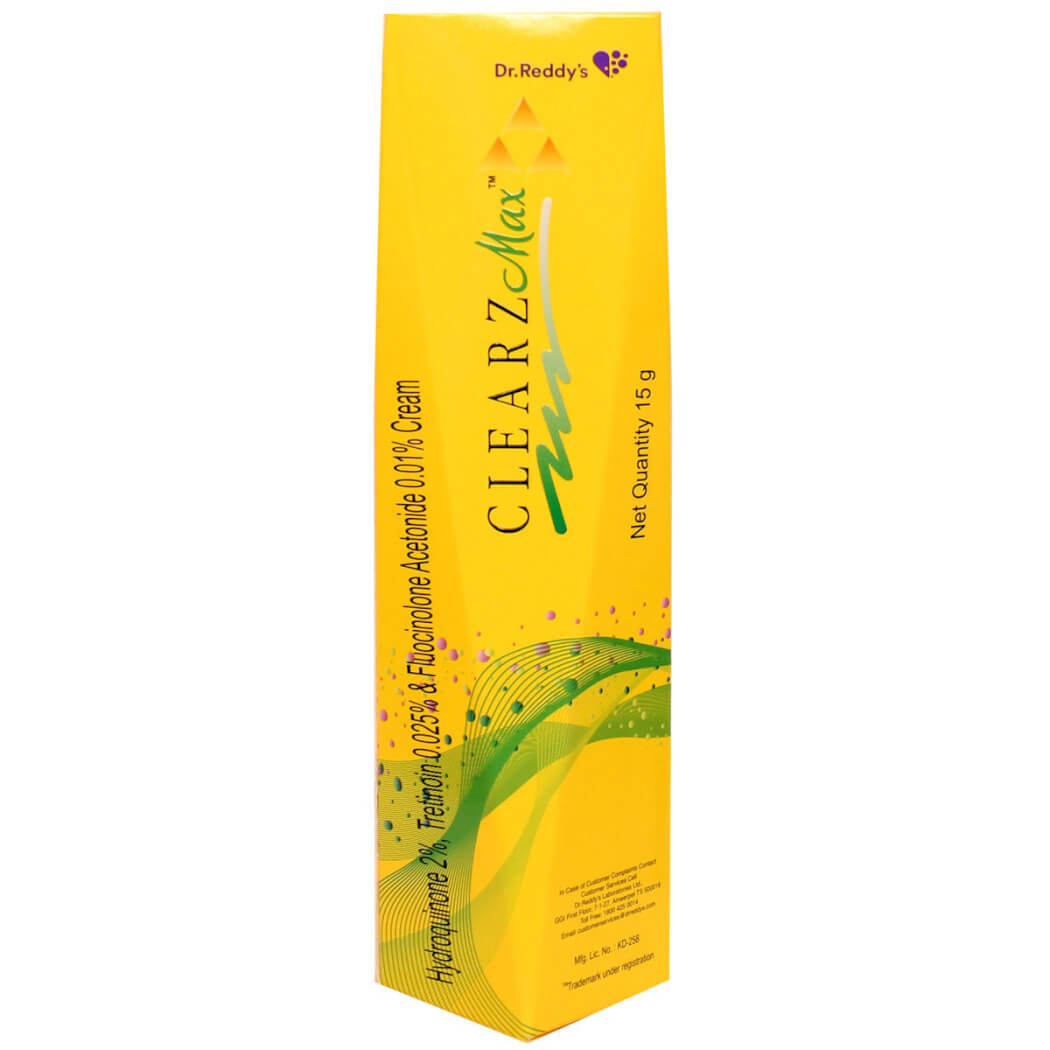
Hydroquinone + Tretinoin + Fluocinolone Acetonide is a triple-combination topical cream used to treat melasma, a chronic facial hyperpigmentation. It brings together a depigmenting agent (hydroquinone), a retinoid (tretinoin) and a low-potency corticosteroid (fluocinolone acetonide) in a single formulation. Marketed in the United States as Tri-Luma and rooted in the older Kligman formula, it is widely regarded as one of the most effective topical treatments for melasma.
- The most effective topical option for stubborn melasma
- Three actives in one cream, each covering the others' gaps
- Fades patches faster than single agent creams
- Tretinoin drives penetration so the pigment blocker reaches deeper
- The steroid keeps irritation down during the course
- A well studied prescription formula rooted in the Kligman recipe
- Redness, peeling, dryness and stinging, mainly from the retinoid
- Increased sensitivity to sunlight
- Skin thinning, visible small blood vessels or acne-like eruptions with prolonged corticosteroid use
Overview
This preparation is a fixed triple-combination cream, often called Kligman's formula after the dermatologist who popularized the three-drug approach, and sold in the United States under the brand Tri-Luma. It unites three complementary actives: hydroquinone, a phenolic depigmenting agent that suppresses melanin formation; tretinoin (all-trans retinoic acid), a vitamin A retinoid that speeds skin-cell turnover and helps disperse pigment; and fluocinolone acetonide, a mild corticosteroid that calms the irritation the other two ingredients can cause. It is approved specifically for melasma and is applied to the affected facial skin, usually as a short nightly course [3].
Melasma is difficult to treat, and the triple-combination cream carries the strongest evidence base among topical options. A Cochrane systematic review found that the hydroquinone-tretinoin-fluocinolone combination lightened melasma significantly more than hydroquinone on its own, and more than any two-drug pairing of the same ingredients [2]. Evidence-based reviews likewise rank triple-combination cream, alongside hydroquinone monotherapy, as the most effective and best-studied treatment for the condition [1], and management guidance notes that it is the combination product carrying formal regulatory approval for melasma [3]. Economic analyses have concluded that, despite a higher unit price, the triple cream can be the most cost-effective choice, because its greater efficacy means fewer treatments are needed to clear the pigment [4].
The cream is a prescription medicine, reflecting the status of both hydroquinone and the corticosteroid. It is intended for time-limited use rather than indefinite application, because the ingredients each carry risks with prolonged exposure; hydroquinone can, rarely, cause the blue-black discoloration of exogenous ochronosis, tretinoin commonly produces dryness, peeling and photosensitivity, and continued use of even a mild facial corticosteroid can thin the skin and create visible small blood vessels [2][3]. Daily broad-spectrum sun protection is considered an essential companion to the cream, since ultraviolet light readily reverses the lightening. The product is supplied as a cream for topical use only.
Mechanism
The three ingredients attack facial hyperpigmentation through separate but cooperative routes. Hydroquinone enters melanocytes and inhibits tyrosinase, the rate-limiting enzyme of melanin synthesis, while its oxidation to reactive quinones further curbs pigment production, so less melanin is made and deposited [1]. Tretinoin, the acid form of vitamin A, binds nuclear retinoic-acid receptors and accelerates the turnover and shedding of pigment-laden keratinocytes; it also thins the outer horny layer, which helps existing pigment disperse and, importantly, improves the penetration of hydroquinone into the skin [2].
Fluocinolone acetonide is a glucocorticoid that binds the intracellular glucocorticoid receptor and damps the inflammatory response; its main role here is to reduce the redness, stinging and irritation that hydroquinone and tretinoin tend to provoke, which improves tolerability, and it may also modestly slow melanocyte activity. Because the retinoid enhances hydroquinone delivery and the steroid tames irritation, the combination lightens melasma more completely than any of the agents used alone [2].
receptor fingerprint
Tyrosinase enzyme in melanocytesinhibits
Retinoic acid receptor (tretinoin)activates
Glucocorticoid receptor (fluocinolone)activates
Melanocytes (hydroquinone)blocks
Inflammatory cytokines and prostaglandinsinhibits
Dosingtypical ranges, not medical advice
interested in protocols and clinical dosages? make an account to see them! ^_^
Safetyrisks and cautions, not medical advice
This is a prescription cream meant for short term courses. The most common side effects are redness, peeling, burning, stinging, and dryness at the application site, and some people develop irritant or allergic contact dermatitis. Long use of hydroquinone can rarely cause ochronosis, a blue-black darkening that is hard to reverse. The steroid part, if used too long, can thin the skin, cause visible blood vessels, acne-like breakouts, or unwanted lightening around the edges. Tretinoin raises sun sensitivity and should be avoided in pregnancy. Daily sunscreen is essential because sun exposure undoes the results.
Subjective profileweighing the evidence above
The most effective topical option for stubborn melasma, and worth the irritation if pigment has not budged for anything else. It is a short-course prescription rather than a maintenance cream; the steroid thins skin over time and hydroquinone can rarely cause a hard-to-reverse darkening.
Where to buy
Suppliers
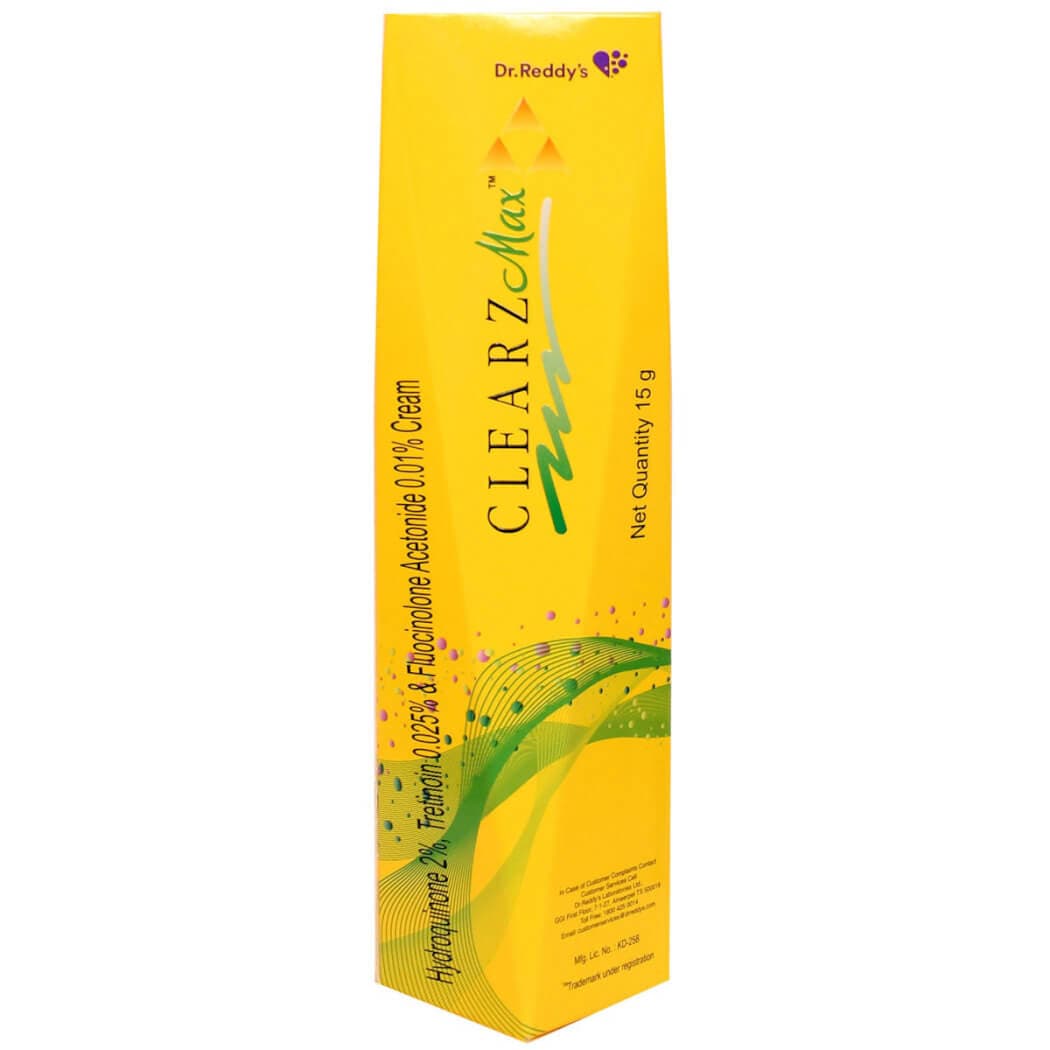
Vendors carrying Hydroquinone + Tretinoin + Fluocinolone Acetonide, with live product details and codes. Links are affiliate links that support the wiki at no cost to you.
PCT.Zone
Hydroquinone + Tretinoin + Fluocinolone Acetonide
Research
- 2010first citedInterventions for melasma.
- 2020most recentMelasma Treatment: An Evidence-Based Review
- 1.Melasma Treatment: An Evidence-Based Review
- 2.Interventions for melasma.
- 3.Melasma and Post Inflammatory Hyperpigmentation: Management Update and Expert Opinion
- 4.Cost-effectiveness of a hydroquinone/tretinoin/fluocinolone acetonide cream combination in treating melasma in the United States
4 listed here; entry last updated August 2026
Reviews
My notesprivate to this device
FAQ
How long can I use this cream?
It is meant for short courses, often around 8 weeks, then tapered; long continuous use raises the risk of skin thinning and ochronosis.
Do I really need sunscreen?
Yes, sunscreen is non negotiable because sun exposure drives melasma and will quickly undo any fading you achieve.
Why is there a steroid in a pigment cream?
The steroid calms the redness and irritation that hydroquinone and tretinoin can cause, which makes the treatment easier to tolerate.
Can I use it while pregnant?
No, the tretinoin component means it should be avoided in pregnancy; ask your doctor about safer alternatives.
Will the melasma come back?
Melasma often returns without sun protection and maintenance, so ongoing sunscreen and periodic touch up treatment are usually needed.
Adverse effects
- Redness, peeling, dryness and stinging, mainly from the retinoid
- Increased sensitivity to sunlight
- Skin thinning, visible small blood vessels or acne-like eruptions with prolonged corticosteroid use
- Rarely, blue-black discoloration (exogenous ochronosis) from the hydroquinone
- Temporary burning or itching after application