
spec sheet10 rows
Glutathione + Kojic Acid + Glycolic Acid Glutathione, kojic acid, and glycolic acid is a three-ingredient combination used in cosmetic skin-lightening and brightening formulations. It joins two agents that reduce melanin production, the antioxidant peptide glutathione and the tyrosinase inhibitor kojic acid, with glycolic acid, an alpha-hydroxy acid that exfoliates the surface of the skin. The blend is designed to fade hyperpigmentation and improve skin tone and texture by combining pigment-reducing and exfoliating actions.
- a three way attack on dark spots; two brighteners, one exfoliant
- fades melasma, sun spots and post acne marks
- the glycolic acid does what brighteners alone cannot
- evens tone and smooths texture at the same time
- antioxidant support for skin that takes daily sun
- an over the counter route to clearer, brighter skin
- Glycolic acid and kojic acid can cause skin irritation or redness
- Exfoliating acids increase sensitivity to sunlight
- Safety of injectable or high-dose glutathione for skin lightening is not established
Overview
This formulation combines three commonly used skin-care ingredients with complementary roles. Glutathione is a naturally occurring antioxidant tripeptide used with the aim of reducing the formation of darker melanin [1]. Kojic acid, a compound derived from fungi, inhibits tyrosinase, the enzyme that drives melanin synthesis, and has long been used as a skin-whitening agent [2]. Glycolic acid is the smallest alpha-hydroxy acid and a widely used chemical exfoliant that loosens and removes dead surface cells [4]. Together the three are intended to lighten pigment while smoothing and renewing the outer skin.
Products combining glutathione, kojic acid, and glycolic acid are marketed as creams, soaps, serums, and peel preparations for reducing dark spots, melasma, uneven tone, and dullness, and are especially popular in cosmetic skin-brightening ranges. Glycolic acid also enhances exfoliation and may improve the penetration and effect of the pigment-reducing ingredients, which is part of the rationale for including it. Such blends are generally sold as cosmetics rather than medical treatments.
The individual ingredients have varying degrees of support. Reviews of glutathione find that it may slightly brighten sun-exposed skin but that the overall evidence is inconclusive and limited by poor absorption of the oral form [1]. Kojic acid is an established tyrosinase inhibitor used for hyperpigmentation, and clinical studies of kojic-acid-containing topical mixtures report benefit in melasma [2][3]. Glycolic acid peels are well studied in dermatology and can improve melasma, photoaging, and post-inflammatory pigmentation, with results comparable to other peeling agents [3][4][5]. Direct clinical trials of the specific three-ingredient combination, however, are limited, so its benefits are inferred largely from the actions of its parts.
Like other skin-lightening blends, these products are generally regulated as cosmetics, and their ingredient concentrations and availability differ by region. Glycolic acid and kojic acid can both irritate the skin, and exfoliating acids increase sensitivity to sunlight, so careful use and diligent sun protection are important [4]. As with glutathione alone, the value and safety of high-dose or injectable glutathione for lightening are not well established [1]. People with sensitive skin or existing pigmentation disorders are often advised to introduce such combinations cautiously and under guidance.
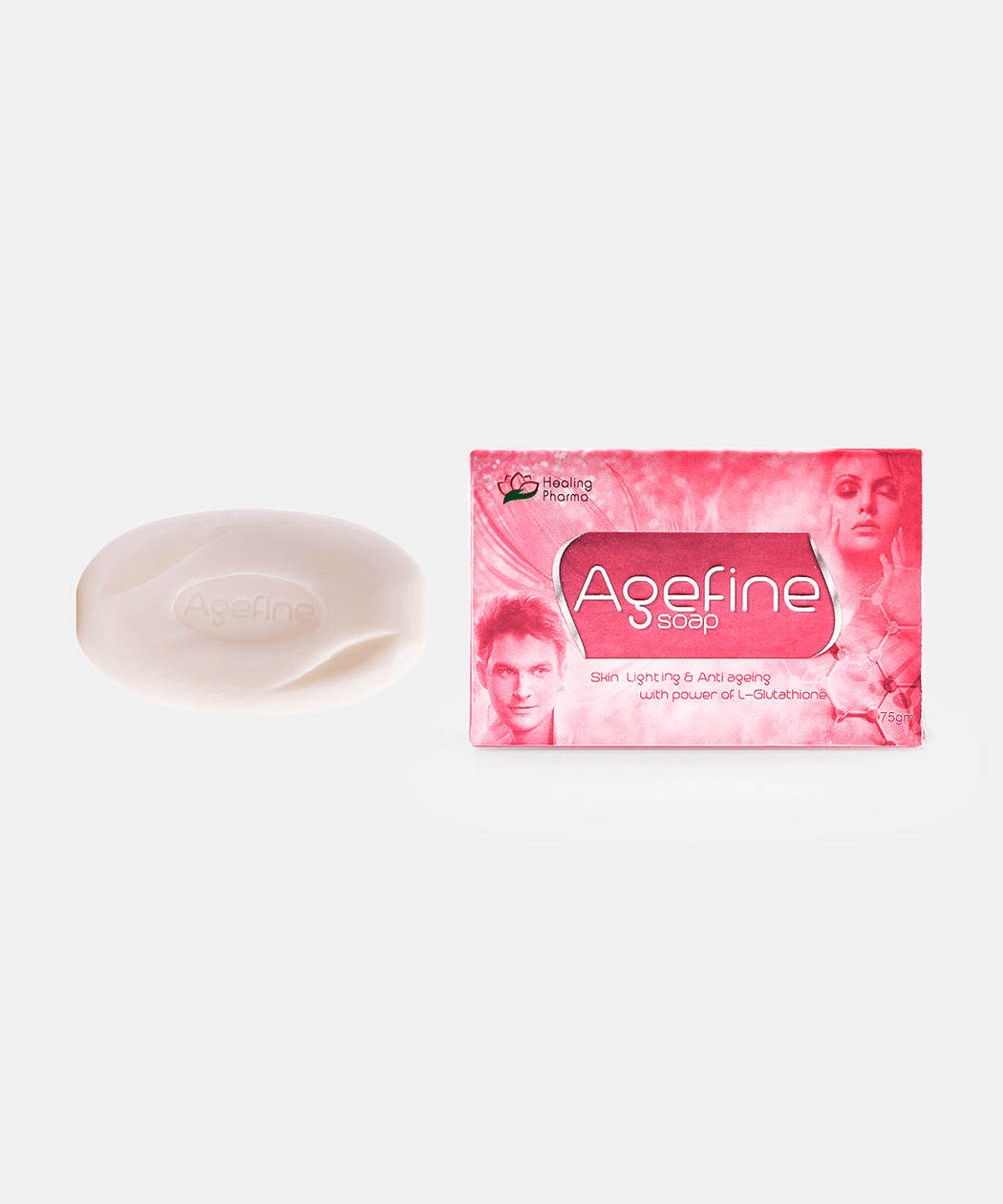
- Glycolic acid is the smallest of the alpha-hydroxy acids, which is why it penetrates skin so readily and pairs well with brightening agents.
- Alpha-hydroxy acid therapy was pioneered in dermatology in the 1970s by Eugene Van Scott and Ruey Yu.
- The blend layers two agents that reduce melanin formation onto an exfoliant that removes cells already carrying pigment, targeting discoloration at three points at once.
Mechanism
The three ingredients act at different points in the formation and appearance of skin pigment. Melanin is synthesized by melanocytes in a pathway whose rate-limiting steps are catalyzed by the enzyme tyrosinase. Kojic acid inhibits tyrosinase by binding copper at its active site, directly slowing melanin production [2][3]. Glutathione contributes as an antioxidant that can interfere with oxidative steps of melanin synthesis and shift production from darker eumelanin toward lighter pheomelanin, in addition to scavenging free radicals [1].
Glycolic acid works on a separate front: as a small alpha-hydroxy acid it penetrates the stratum corneum and weakens the cohesion between surface skin cells, accelerating exfoliation and the shedding of pigment-laden cells, and at higher strengths producing a controlled peel that promotes renewal and can stimulate the dermis [4][5]. By pairing two inhibitors of pigment formation with an exfoliant that removes already-pigmented cells and improves ingredient penetration, the combination is intended to lighten and even skin tone through several mechanisms at once. The practical effect depends heavily on formulation and on the limited skin delivery of glutathione, which tempers expectations from the pigment-reducing component [1].
receptor fingerprint
Stratum corneum and corneocyte cohesionmodulates
Tyrosinaseinhibits
Copper cofactor at tyrosinase active siteblocks
Eumelanin productionmodulates
Reactive oxygen speciesmodulates
Epidermal melanin distributionmodulates
Dosingtypical ranges, not medical advice
interested in protocols and clinical dosages? make an account to see them! ^_^
Safetyrisks and cautions, not medical advice
This is a cosmetic product, not a prescription medicine, but it can still irritate. The most common issues are redness, stinging, dryness, and peeling, mostly from the glycolic acid, and kojic acid can cause allergic contact dermatitis in some people. Glycolic acid makes skin more sensitive to sunlight, so daily sunscreen is important or new dark spots can form. Start slowly and patch test, since overuse can leave skin raw and inflamed. It is worth separating this topical soap from the intravenous glutathione injections marketed for whitening; those are not approved for this use and have drawn safety warnings from regulators, including the Philippine FDA.
History
This three-ingredient formulation brings together agents with very different origins into a single cosmetic product, most often a cleansing bar or soap. Kojic acid, isolated from the koji mold Aspergillus oryzae in 1907, contributes established tyrosinase inhibition; glutathione, long recognized as a principal cellular antioxidant, adds a pigment-redirecting antioxidant action that gained cosmetic popularity in Southeast Asia; and glycolic acid, the smallest alpha-hydroxy acid, was brought into dermatology by Eugene Van Scott and Ruey Yu, who pioneered alpha-hydroxy acid therapy in the 1970s.
The specific blend arose from the skin-brightening soap market rather than from a formal discovery program, layering two pigment-reducing agents onto an exfoliant that removes already-pigmented surface cells. Such combination bars became especially widespread in the Philippines and other Asian markets during the 2000s. As with its components, rigorous clinical trials on the exact three-way formulation are sparse, and its rationale rests on the well-documented behavior of each ingredient studied separately.
Reputation
The three-way blend is popular because it addresses pigmentation on more than one front at once, combining two agents that slow melanin formation with an exfoliant that sheds pigment-laden cells and improves penetration of the others. Glycolic acid brings a strong, well-studied record for smoothing texture and fading discoloration in melasma and post-inflammatory hyperpigmentation, while kojic acid and glutathione target the pigment pathway itself. In soap and cleanser form the combination is convenient and inexpensive, and many users appreciate the added benefit of gentle resurfacing alongside brightening. Results build gradually and depend heavily on formulation and consistent use, and the acidic, exfoliating action can cause irritation or sun sensitivity if overused. Its honest strength is a sensible, multi-mechanism approach to uneven tone rather than any single powerful effect.
Subjective profileweighing the evidence above
A reasonable over-the-counter approach to dark spots, since the exfoliating acid does something the brightening agents cannot do alone. Start slowly, patch test, and wear sunscreen daily or you will trade old pigmentation for new. High-dose or injectable glutathione for lightening is a different thing and is not well established.
Where to buy
Suppliers
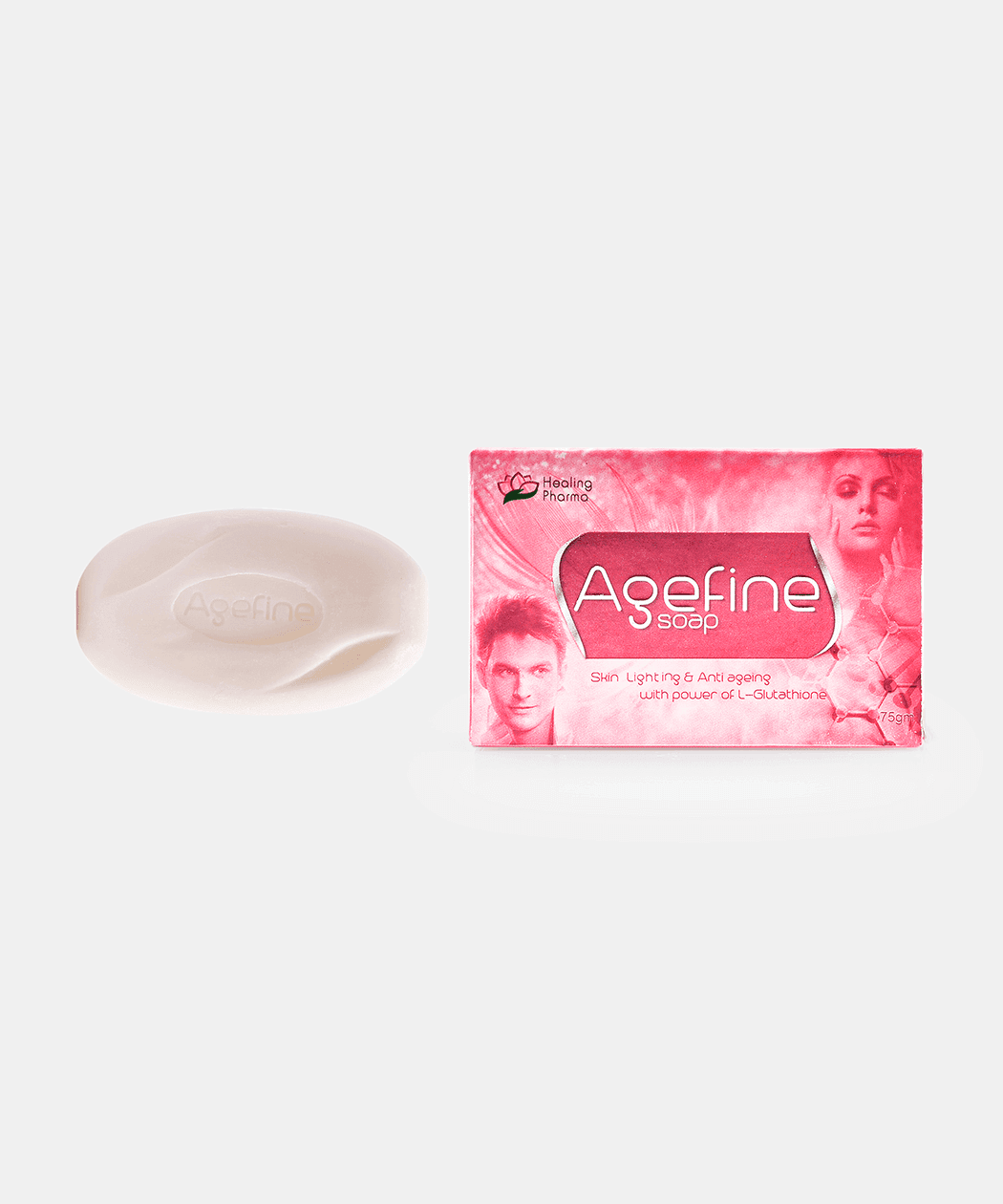
Vendors carrying Glutathione + Kojic Acid + Glycolic Acid, with live product details and codes. Links are affiliate links that support the wiki at no cost to you.
PCT.Zone
Glutathione + Kojic Acid + Glycolic Acid
Research
- 2012first citedComparative study of 15% TCA peel versus 35% glycolic acid peel for the treatment of melasma
- 2022controlled trialEvaluating the tolerance and efficacy of laser-assisted delivery of tranexamic acid, niacinamid…
- 2024most recentBiomedical applications of tyrosinases and tyrosinase inhibitors
- 1.The clinical effect of glutathione on skin color and other related skin conditions: A systematic review
- 2.Biomedical applications of tyrosinases and tyrosinase inhibitors
- 3.Evaluating the tolerance and efficacy of laser-assisted delivery of tranexamic acid, niacinamide, and kojic acid for melasma: A single center, prospective, split-face trial
- 4.Glycolic acid peel therapy: a current review
- 5.Comparative study of 15% TCA peel versus 35% glycolic acid peel for the treatment of melasma
- 6.Glutathione and its antiaging and antimelanogenic effects
6 listed here; entry last updated August 2026
Reviews
My notesprivate to this device
FAQ
How long before I see results?
Most people notice gradual brightening over four to twelve weeks of regular use. It is slow and reversible, so results fade if you stop.
Does the glutathione in soap actually reach the skin?
Topical glutathione has limited penetration, so much of the lightening from these soaps comes from the kojic and glycolic acids. Evidence for glutathione applied to skin is modest.
Do I need sunscreen with it?
Yes. Glycolic acid thins the outer skin layer and raises sun sensitivity, and sun exposure drives the very pigment you are trying to fade, so daily broad-spectrum sunscreen is essential.
Is it safe for daily use?
Many people use it daily, but start a few times a week and build up. If skin gets raw, red, or peels, cut back, since overuse can damage the skin barrier.
Is skin-whitening glutathione injection the same thing?
No. Intravenous glutathione sold for whitening is a different, unapproved use that regulators have warned against. This soap is a topical cosmetic and a separate matter.
Limitations of the evidence
- Benefits vary and evidence for the specific combination is limited
Adverse effects
- Glycolic acid and kojic acid can cause skin irritation or redness
- Exfoliating acids increase sensitivity to sunlight
- Safety of injectable or high-dose glutathione for skin lightening is not established