
spec sheet10 rows
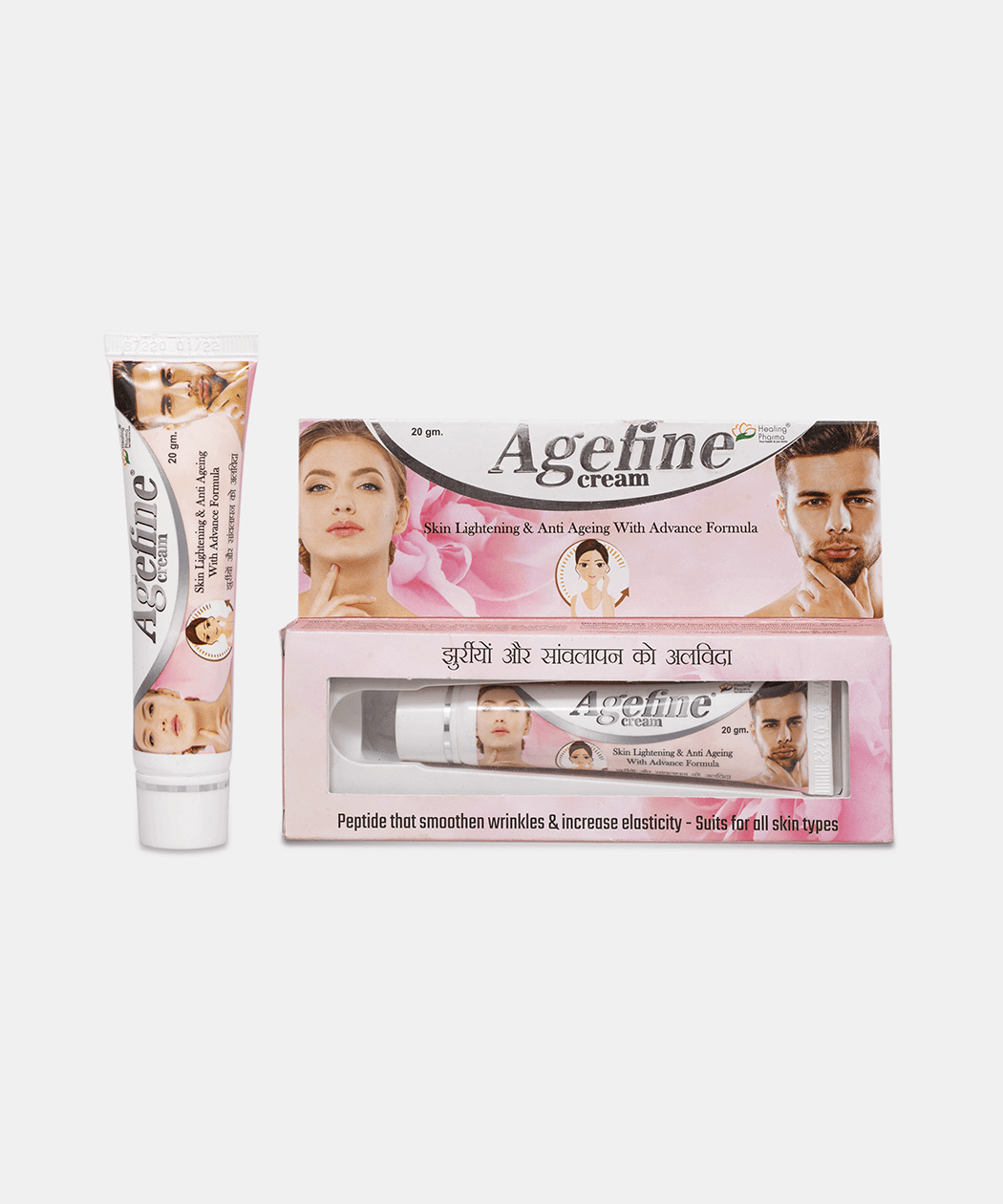
Glutathione + Kojic Acid Glutathione and kojic acid is a combination of two agents used together in cosmetic skin-lightening and brightening products. Glutathione is a naturally occurring antioxidant tripeptide that can shift melanin production toward lighter pigments, while kojic acid is a fungal-derived compound that inhibits tyrosinase, the key enzyme in melanin synthesis. Marketed in creams, soaps, and oral supplements, the pairing is intended to reduce hyperpigmentation and even out skin tone, although the strength of the clinical evidence varies.
- A reasonable topical pairing for melasma and uneven tone
- Kojic acid blocks tyrosinase, the key melanin enzyme
- Glutathione shifts melanin production toward lighter pigments
- Two mechanisms working together to reduce hyperpigmentation
- Sold in creams, soaps and supplements, no prescription
- Antioxidant support that evens patchy skin tone
- Kojic acid can cause skin irritation or contact dermatitis
- Sun protection is important because UV exposure worsens pigmentation
Overview
This combination brings together two popular depigmenting ingredients that act on different steps of skin pigment formation. Glutathione is a small peptide made of the amino acids glutamate, cysteine, and glycine and is one of the body's principal antioxidants; in the context of skin lightening it is used topically and orally with the aim of reducing the production of darker melanin [1]. Kojic acid is a compound produced by certain fungi and during the fermentation of foods, and it is a well-established inhibitor of tyrosinase, the enzyme that controls melanin synthesis, which has led to its long use as a skin-whitening agent in cosmetics [3]. Combining the two is intended to address pigmentation through complementary mechanisms.
Products pairing glutathione and kojic acid are widely sold, particularly in parts of Asia, as creams, lotions, serums, cleansing bars, and oral supplements marketed to lighten overall skin tone and to fade dark spots, melasma, and post-inflammatory pigmentation. Kojic acid is typically applied topically, while glutathione is used both on the skin and as an oral or, in some settings, injectable supplement. The combination is generally positioned as a cosmetic rather than a medical treatment.
Evidence for these ingredients is mixed and, for the specific combination, limited. A systematic review of glutathione found that it may modestly brighten skin color in sun-exposed areas, but concluded that the overall evidence is inconclusive because studies are few and their quality uneven, and because oral glutathione has limited absorption [1]. A controlled trial of oral glutathione taken with the amino acid cystine reported measurable lightening of skin and reduction of dark spots in participants [2]. Kojic acid has a longer track record as a tyrosinase inhibitor and is included among agents used for hyperpigmentation, often within combination formulas, and clinical studies of kojic-acid-containing topical mixtures report improvement in melasma [3][4]. Rigorous trials of the two ingredients used specifically together are scarce.
Glutathione and kojic acid are treated as cosmetic ingredients in most markets rather than approved drugs for pigmentation, and their availability and permitted concentrations vary by country. Kojic acid can cause skin irritation and contact dermatitis in some users, and both ingredients are best used with sun protection because ultraviolet exposure drives the pigmentation they aim to reduce. The safety of high-dose or injectable glutathione for skin lightening is not well established, and health authorities in several countries have cautioned against unapproved injectable use [1].
- Kojic acid takes its name from koji, the Aspergillus mold used to ferment sake, soy sauce, and miso; it was first isolated from that mold in 1907.
- In a randomized, double-blind trial, reduced L-glutathione combined with L-cystine lightened skin and shrank facial dark spots significantly more than either ingredient used alone.
- Orally taken glutathione is largely broken down in the gut, which is one reason its skin effects are gradual and its clinical evidence has been inconsistent.
Mechanism
The two ingredients target melanin production through distinct but complementary routes. Melanin is made by melanocytes in a pathway in which the enzyme tyrosinase catalyzes the first and rate-limiting steps, and the pigment produced can be darker eumelanin or lighter pheomelanin. Kojic acid acts directly on this pathway by chelating copper at the active site of tyrosinase and inhibiting the enzyme, thereby slowing the formation of melanin and lightening the skin [3][4].
Glutathione is thought to work differently: as an antioxidant it can interrupt oxidative steps in melanin synthesis and shift the balance of production away from darker eumelanin toward lighter pheomelanin, and it may also quench free radicals and inhibit tyrosinase indirectly [1][2]. By combining an enzyme inhibitor with an antioxidant that redirects pigment type, the pairing is intended to reduce overall melanin formation more effectively than either agent alone. A practical limitation is delivery, since orally taken glutathione is poorly absorbed and its levels in the skin after ingestion are uncertain, which is one reason its clinical effects have been inconsistent [1].
receptor fingerprint
Tyrosinaseinhibits
Copper cofactor at tyrosinase active siteblocks
Melanin (eumelanin) synthesisblocks
Reactive oxygen speciesmodulates
Eumelanin to phaeomelanin balancemodulates
Dosingtypical ranges, not medical advice
interested in protocols and clinical dosages? make an account to see them! ^_^
Safetyrisks and cautions, not medical advice
Topical glutathione and kojic acid are cosmetic ingredients rather than prescription drugs, and used on the skin they are generally well tolerated. The most common issue is irritation; kojic acid in particular can cause redness, stinging, and contact dermatitis, and it can make skin more sun-sensitive, so daily sunscreen is important. Oral glutathione appears safe in studies but its brightening benefit is modest and unproven for the long term. The real concern is intravenous glutathione, which regulators have warned against for skin lightening because of poor evidence and reports of serious side effects. Results are temporary and fade after stopping.
History
Kojic acid was first isolated in 1907 by the Japanese scientist K. Saito from Aspergillus oryzae, the koji mold used for centuries to ferment sake, soy sauce, and miso, and its name derives directly from koji. Its ability to inhibit tyrosinase and lighten pigment was characterized through the twentieth century, and by the 1980s and 1990s it had become an established cosmetic skin-brightening agent in Asia.
Glutathione, a tripeptide identified as a major cellular antioxidant far earlier, entered skin-lightening use more recently, popularized in Southeast Asia after clinicians observed lighter skin as a side effect of high-dose glutathione given for other indications. The pairing of the two agents in creams, soaps, and oral supplements is a market-driven combination rather than the product of a single discovery, uniting a direct tyrosinase inhibitor with an antioxidant that shifts pigment type. Controlled evidence for oral glutathione remains limited and is complicated by its poor oral absorption, a point its own investigators acknowledge.
Reputation
The combination is one of the most widely used skin-brightening pairings in cosmetic dermatology, valued because its two ingredients attack pigmentation through complementary routes rather than a single mechanism. Kojic acid has a long and well-documented record as a tyrosinase inhibitor, and glutathione is attractive as a naturally occurring antioxidant with an excellent tolerability profile.
Randomized, placebo-controlled work supports a measurable, if modest, lightening effect from oral glutathione, including significant reductions in melanin index and facial dark spots over twelve weeks. Users often favor the blend for gradually evening tone and fading hyperpigmentation with minimal irritation compared with harsher agents. It is fair to note that results are gradual and variable, and that the poor oral bioavailability of glutathione tempers expectations; the honest appeal lies in a gentle, multi-pathway approach rather than dramatic depigmentation.
Subjective profileweighing the evidence above
A reasonable topical pairing for melasma and uneven tone if you are diligent with sunscreen, though the results are modest and slow. Oral glutathione does very little for pigment, and intravenous glutathione for skin lightening is the one to avoid outright.
Where to buy
Suppliers
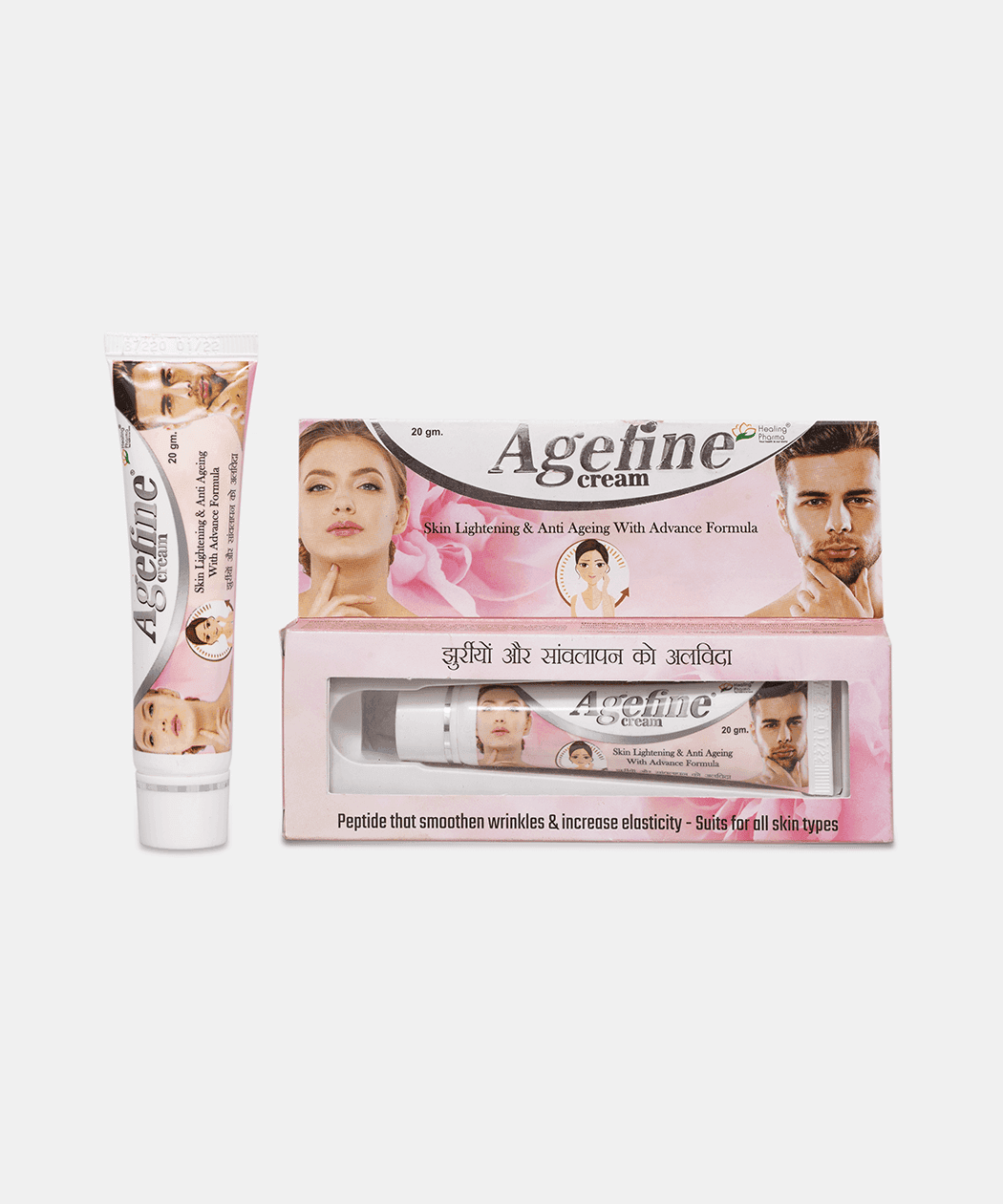
Vendors carrying Glutathione + Kojic Acid, with live product details and codes. Links are affiliate links that support the wiki at no cost to you.
PCT.Zone
Glutathione + Kojic Acid
Research
- 2017first citedGlutathione and its antiaging and antimelanogenic effects
- 2024most recentBiomedical applications of tyrosinases and tyrosinase inhibitors
- 1.The clinical effect of glutathione on skin color and other related skin conditions: A systematic review
- 2.The effects of the oral supplementation of L-Cystine associated with reduced L-Glutathione-GSH on human skin pigmentation: a randomized, double-blinded, benchmark and placebo controlled clinical trial
- 3.Biomedical applications of tyrosinases and tyrosinase inhibitors
- 4.Evaluating the tolerance and efficacy of laser-assisted delivery of tranexamic acid, niacinamide, and kojic acid for melasma: A single center, prospective, split-face trial
- 5.Glutathione and its antiaging and antimelanogenic effects
5 listed here; entry last updated August 2026
Reviews
My notesprivate to this device
FAQ
Does it permanently lighten skin?
No; any brightening is reversible and fades once you stop, since both agents only slow melanin while you keep using them.
Is the injectable form safe?
Intravenous glutathione for skin lightening is not recommended; regulators have warned about weak evidence and serious side effects.
How long until I see a change?
Topical brightening usually takes several weeks to a few months of consistent use, and only with daily sun protection.
Why is sunscreen so important with it?
Sun exposure drives the very melanin these agents try to reduce, and kojic acid can raise sun sensitivity, so sunscreen protects your results and your skin.
Does oral glutathione really work?
Trials show modest, short-term brightening at best; the evidence is mixed, which is why this pairing rates as moderate rather than strong.
Limitations of the evidence
- Benefits are often modest and the evidence is limited
- Safety of injectable or high-dose glutathione for skin lightening is not established
Adverse effects
- Kojic acid can cause skin irritation or contact dermatitis
- Sun protection is important because UV exposure worsens pigmentation