
spec sheet13 rows
Mometasone furoate is a synthetic corticosteroid (glucocorticoid) with strong anti-inflammatory activity, used for a range of allergic and inflammatory conditions. It is applied to the skin for inflammatory rashes, sprayed into the nose for hay fever and nasal polyps, and inhaled to help control asthma. Patented in 1981 and introduced in the late 1980s, it appears on the World Health Organization's list of essential medicines and is available generically.
- Strong anti-inflammatory power for stubborn rashes
- Dependable on eczema, psoriasis and hay fever
- Sprayed into the nose for hay fever and nasal polyps
- Inhaled to help control asthma
- Once daily dosing, potent with little skin thinning
- On the World Health Organization essential medicines list
- Nosebleeds or nasal irritation with the nasal spray
- Sore throat or headache
- Hoarseness or oral thrush with the inhaler
Overview
Mometasone furoate is a synthetic glucocorticoid, one of the corticosteroid family of anti-inflammatory drugs. Chemically it is a furoate ester of the steroid mometasone, and it binds with high affinity to the glucocorticoid receptor, which is the basis of its potent suppression of inflammation [1][3].
The drug was patented in 1981 and came into medical use in 1987. It is regarded as a well-established treatment, features on the World Health Organization's Model List of Essential Medicines, and is now available in generic form [3]. A notable feature is that very little of the drug is absorbed into the bloodstream when applied to the skin, the nose or the airways, which helps confine its effects to the site of application and contributes to its favorable tolerability [2].
Mometasone furoate is used across three main routes. Applied to the skin as a cream or ointment, it treats inflammatory skin disorders such as eczema and psoriasis. Delivered as a nasal spray, it is a first-line option for seasonal and perennial allergic rhinitis (hay fever) and for nasal polyps, and reviews have judged the evidence for its efficacy in allergic rhinitis to be strong [1][2]. Given by inhaler, it is used for the maintenance treatment of asthma, where it improves lung function and symptom control and has performed comparably to other inhaled corticosteroids such as budesonide, beclomethasone and fluticasone; it is meant for ongoing prevention rather than for relieving an acute attack [3].
The medicine is supplied as topical creams and ointments, metered nasal sprays and oral inhalers. Its regulatory status varies by country and formulation: the nasal spray is available over the counter in the United States, while other forms and jurisdictions generally require a prescription [2][3].

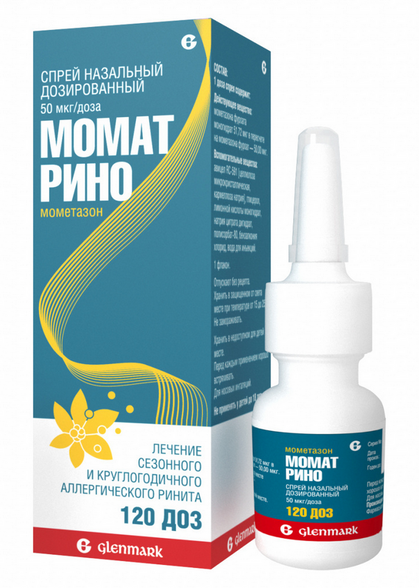
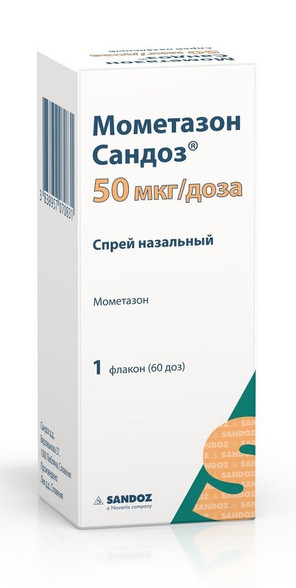
- The same active ingredient is sold under different brand names for entirely different body parts; Elocon for the skin, Nasonex for the nose, and Asmanex for the lungs.
- Mometasone furoate is included on the World Health Organization's List of Essential Medicines, a mark of its value and safety.
- Only a small fraction of a nasal or inhaled dose reaches the bloodstream, which is why it can calm inflammation locally with little systemic steroid effect.
Mechanism
Like other glucocorticoids, mometasone furoate works by entering cells and binding to the glucocorticoid receptor. The activated receptor moves to the cell nucleus and alters the transcription of many genes, switching off the production of pro-inflammatory proteins such as cytokines while promoting anti-inflammatory ones; the net effect is reduced release of inflammatory mediators, stabilization of cell membranes and a smaller influx of inflammatory cells into the treated tissue [1][3].
This broad damping of the inflammatory response is what relieves the swelling, congestion, itching and irritation of the conditions it is used for [1]. Pharmacological comparisons have shown that mometasone furoate binds the glucocorticoid receptor very potently but is somewhat less selective than fluticasone propionate, with additional activity at the progesterone receptor and partial activity at the mineralocorticoid receptor [4]. Because only a small fraction of a topical, nasal or inhaled dose reaches the systemic circulation, its anti-inflammatory action is largely local [2].
receptor fingerprint
Glucocorticoid receptor (NR3C1)agonist
Phospholipase A2 (via annexin A1)inhibits
NF-kB signalingblocks
IL-1, IL-6 and TNF-alpha cytokinesmodulates
Dermal capillary tone and permeabilitymodulates
Dosingtypical ranges, not medical advice
interested in protocols and clinical dosages? make an account to see them! ^_^
Safetyrisks and cautions, not medical advice
This is a prescription topical steroid. Common local effects include burning, stinging, dryness, and with long or heavy use, thinning of the skin, stretch marks, visible small blood vessels, and acne-like eruptions. Applying it to large areas, under airtight dressings, or on thin skin like the face and groin raises absorption and the odds of side effects. It should not go on untreated skin infections, and prolonged use in children carries a higher risk of suppressing the cortisol axis because they absorb more relative to body size. Keep it away from the eyes.
Interactionsdocumented pairs only, not exhaustive
Mometasone furoate has one interaction carrying real risk, and it is metabolic. Mometasone is a CYP3A4 substrate whose safety at intranasal and inhaled doses rests on near-complete first-pass clearance; systemic bioavailability is under 1%. Strong CYP3A4 inhibition removes that protection.
Ritonavir and cobicistat are the inhibitors that have caused harm in practice. The published cases of iatrogenic Cushing's syndrome and adrenal suppression from intranasal or inhaled corticosteroids taken with boosted antiretrovirals involve fluticasone and budesonide most often, and a systematic review of those reports flagged mometasone as sharing enough pharmacokinetic character with fluticasone to warrant the same caution. Itraconazole, ketoconazole and clarithromycin act through the same enzyme.
Topical mometasone on intact skin has essentially no interaction profile. The standard corticosteroid cautions about live vaccines and blood glucose apply only at exposures high enough to become systemic.
Checking a whole stack? Run it through interactions + stacks.
History
Mometasone furoate is a synthetic corticosteroid developed by Schering-Plough; it was patented in 1981 and introduced for clinical use in the late 1980s. It was engineered as a potent topical glucocorticoid whose furoate ester enhances receptor binding and skin penetration while keeping systemic absorption low. First marketed as a topical cream and ointment (Elocon) for inflammatory skin conditions, it was later formulated as an aqueous nasal spray (Nasonex) for allergic rhinitis and nasal polyps, and subsequently as a dry-powder inhaler for asthma maintenance. Its broad utility across skin, nose, and airway, combined with a favorable local-versus-systemic profile, earned it a place on the World Health Organization's List of Essential Medicines. It is now widely available as a generic in multiple formulations.
Reputation
Mometasone furoate is regarded as a workhorse corticosteroid with an excellent balance of potency and safety, which is precisely why it appears in so many different products and on essential-medicines lists. In the nose it is a trusted first-line treatment for hay fever and nasal polyps; on the skin it is a dependable mid-to-high potency option for eczema and psoriasis; and in inhaled form it helps keep asthma under control. Its key virtue is that very little of a topical, nasal, or inhaled dose reaches the bloodstream, so it delivers strong local anti-inflammatory action with a low burden of systemic steroid effects. Clinicians and patients value its once-daily dosing and long safety record. As with any corticosteroid, prolonged or heavy use warrants care, but within its intended uses it is considered both effective and reassuringly well tolerated.
Subjective profileweighing the evidence above
A workhorse worth keeping in the cabinet: once-daily, potent for how little skin thinning it causes, and dependable on eczema, psoriasis and hay fever. Keep it off the face, groin and broken skin, and reassess after two or three weeks rather than using it indefinitely.
Where to buy
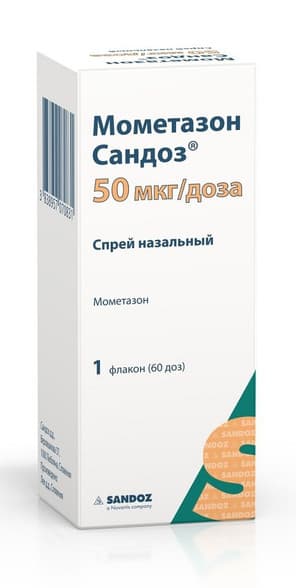

Suppliers
Vendors carrying Mometasone Furoate, with live product details and codes. Links are affiliate links that support the wiki at no cost to you.
PCT.Zone
Mometasone Furoate
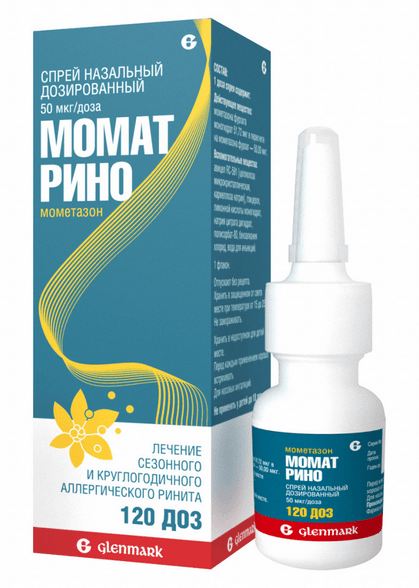
RUPharma🌐
Mometasone Furoate
RUPharma🌐
Mometasone Furoate
Research
- 2002first citedMometasone furoate is a less specific glucocorticoid than fluticasone propionate.
- 2019most recentIn-office Placement of Mometasone Furoate Sinus Implants for Recurrent Nasal Polyps: A Pooled A…
- 1.Mometasone furoate: a review of its intranasal use in allergic rhinitis.
- 2.Mometasone furoate nasal spray: a systematic review.
- 3.Mometasone furoate in the management of asthma: a review.
- 4.Mometasone furoate is a less specific glucocorticoid than fluticasone propionate.
- 5.In-office Placement of Mometasone Furoate Sinus Implants for Recurrent Nasal Polyps: A Pooled Analysis
5 listed here; entry last updated August 2026
Reviews
My notesprivate to this device
FAQ
Is mometasone a strong steroid?
Yes, it counts as potent, but its design keeps most of the action in the skin so it controls flares with a relatively low risk of thinning.
Can I use it on my face?
Only briefly and if your doctor agrees; facial skin is thin and absorbs more, which raises the risk of thinning and redness.
How long can I keep using it?
Short courses work best; many clinicians cap continuous use at a couple of weeks, then step down and reassess.
Will it affect my hormones?
Used as directed on limited areas it barely touches your cortisol system; heavy use over large areas can change that.
Can I put it on a skin infection?
Not by itself; steroids can worsen untreated fungal or bacterial infections, so the infection needs its own treatment.
Adverse effects
- Nosebleeds or nasal irritation with the nasal spray
- Sore throat or headache
- Hoarseness or oral thrush with the inhaler
- Skin burning, itching, or thinning with prolonged topical use
- Rarely, systemic corticosteroid effects with heavy or prolonged use