
spec sheet13 rows
Dexamethasone is a synthetic fluorinated glucocorticoid, a class of corticosteroid hormone valued for its potent anti-inflammatory and immunosuppressive effects. First introduced in the late 1950s, it is a long-acting relative of cortisol that is many times more potent than the body's natural glucocorticoids while causing little salt and water retention. It is prescribed for a broad range of conditions, including allergic and autoimmune disorders, swelling of the brain, croup, certain cancers, and, since 2020, severe COVID-19. Dexamethasone is a widely available generic medicine and appears on the World Health Organization's list of essential medicines.
- Shuts down inflammation quickly and completely
- Calms severe allergic and autoimmune flares
- Reduces swelling of the brain and tissues
- Improves survival in severe COVID-19
- A trusted antiemetic during chemotherapy
- Cheap generic on the WHO essential medicines list
- Can raise blood sugar and blood pressure
- Mood changes, insomnia, and increased appetite are common
- Long-term use may thin bones, impair wound healing, and increase infection risk
Overview
Dexamethasone belongs to the glucocorticoid class of corticosteroids, synthetic relatives of the adrenal hormone cortisol that act on the immune and inflammatory systems [4]. It is a fluorinated steroid whose chemical modifications make it considerably more potent and longer acting than cortisol, while producing very little of the salt-retaining effect linked to some other steroids. Introduced in the late 1950s, it has become one of the most widely used corticosteroids in medicine.
The drug is prescribed across many fields of medicine. It is used to calm allergic reactions and autoimmune and inflammatory diseases, to reduce swelling of the brain caused by tumors or injury, to treat croup in children, and as an adjunct in some cases of bacterial meningitis, where giving a corticosteroid before or alongside antibiotics can lessen inflammatory complications [3]. In cancer care it is combined with other agents to prevent chemotherapy-induced nausea and forms part of standard regimens for multiple myeloma. Obstetricians give it before premature birth to speed maturation of the fetal lungs, and it is used at high altitude to manage cerebral edema.
Dexamethasone attracted worldwide attention in 2020 when the large randomized RECOVERY trial found that it reduced deaths among hospitalized COVID-19 patients who required supplemental oxygen or mechanical ventilation, while showing no benefit in those who did not need oxygen [1]. A later meta-analysis pooling several trials confirmed that systemic corticosteroids lowered mortality in critically ill COVID-19 patients [2]. On the strength of these findings, health authorities including the World Health Organization incorporated the drug into treatment guidelines for severe disease [2].
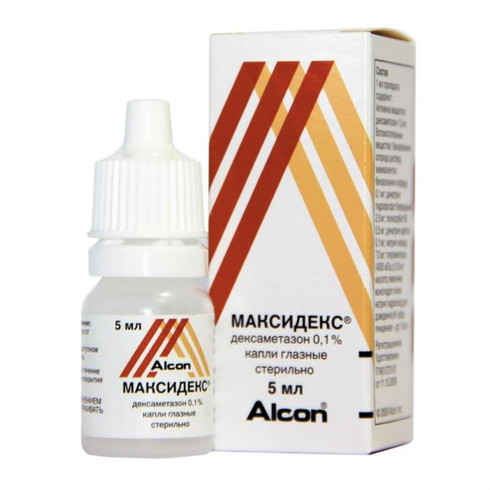
Dexamethasone is available in many formulations, including tablets, oral solution, injectable forms for intravenous, intramuscular, and other routes, eye drops, and a sustained-release intravitreal implant used in certain eye conditions. It is a prescription medicine in most countries, is inexpensive and sold as a generic, and is included on the World Health Organization's Model List of Essential Medicines. Because corticosteroids can raise blood sugar, affect mood, thin bone, and suppress the body's own adrenal hormone production, longer courses require careful medical supervision and gradual withdrawal.
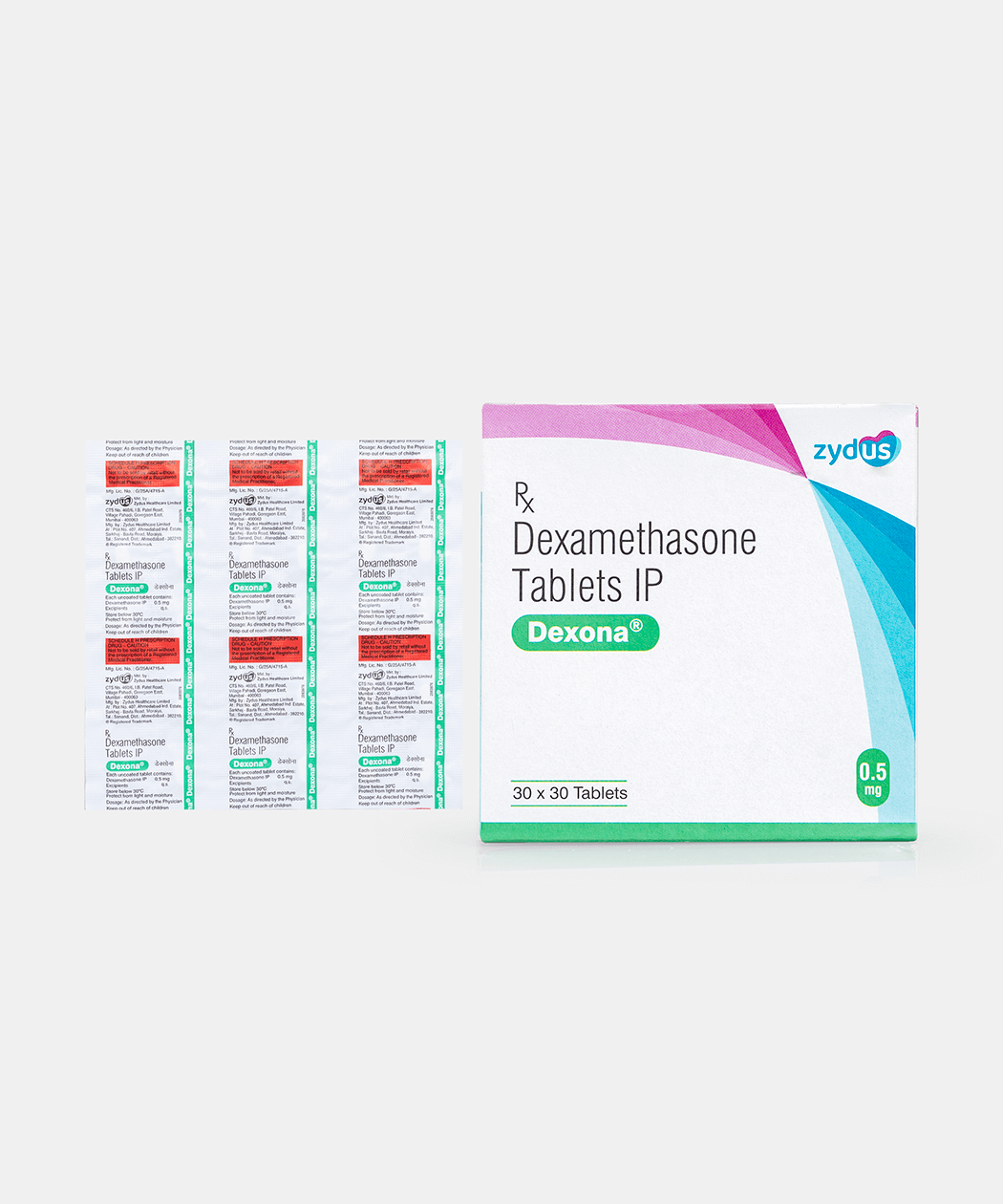

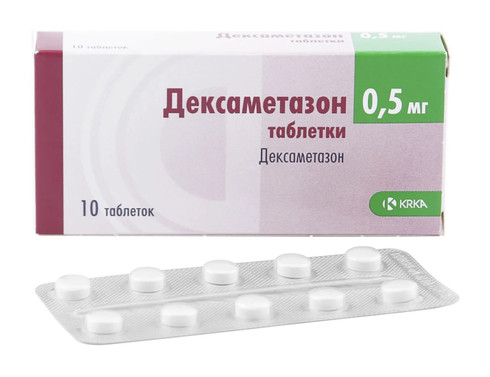
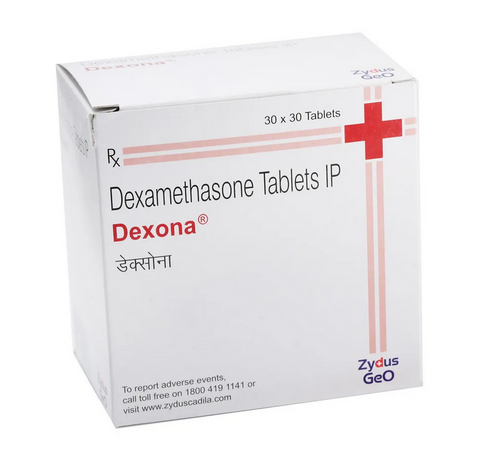
- Dexamethasone is roughly 25 to 30 times more potent as an anti-inflammatory than the body's own cortisol, yet causes little salt and water retention.
- In 2020 the RECOVERY trial found that dexamethasone lowered deaths in hospitalized COVID-19 patients on oxygen or ventilation, making it one of the first proven treatments for the disease.
- It is also used as a diagnostic tool: the dexamethasone suppression test helps doctors investigate disorders of cortisol production such as Cushing's syndrome.
Mechanism
Dexamethasone works chiefly by entering cells and binding the intracellular glucocorticoid receptor, a -activated transcription factor [4]. The activated receptor moves into the nucleus, where it switches on genes that produce anti-inflammatory proteins and, together with other transcription factors, switches off genes for pro-inflammatory cytokines and enzymes [4]. Through these genomic actions the drug broadly suppresses inflammation and dampens the activity of immune cells, which underlies its usefulness in inflammatory, allergic, and autoimmune disorders [4]. Because it is highly selective for the glucocorticoid receptor and has little affinity for the mineralocorticoid receptor, it produces strong anti-inflammatory effects with minimal salt and water retention; sustained use also suppresses the hypothalamic-pituitary-adrenal axis that governs natural release [4].
receptor fingerprint
Glucocorticoid receptoragonist
NF-kB signalinginhibits
Phospholipase A2 activityinhibits
Immune cell activationmodulates
( production)modulates
Dosingtypical ranges, not medical advice
interested in protocols and clinical dosages? make an account to see them! ^_^
Safetyrisks and cautions, not medical advice
Dexamethasone is prescription only, and short courses are usually well tolerated, but its effects add up. Common short-term effects include raised blood sugar, mood or sleep changes, increased appetite, and stomach irritation. Longer use can suppress the adrenal glands, so it must be tapered rather than stopped abruptly; it can also thin bones, raise infection risk, and cause cataracts, muscle weakness, and high blood pressure. It can unmask or worsen infections and diabetes. It interacts with NSAIDs to raise ulcer risk, with drugs that lower potassium, and with many CYP3A4 medicines. People on it long term should carry a steroid warning and never stop suddenly.
Interactionsdocumented pairs only, not exhaustive
Dexamethasone induces CYP3A4 as well as being a substrate of it, so it works in both directions. As an inducer it lowers exposure to CYP3A4-dependent drugs, including many kinase inhibitors, hormonal contraceptives, some antiretrovirals and the direct oral anticoagulants; efficacy quietly falls rather than toxicity appearing. As a substrate it accumulates when a strong inhibitor such as ritonavir or itraconazole is present, and adrenal suppression and Cushingoid features follow. Rifampicin, phenytoin and carbamazepine do the opposite and can undercut a corticosteroid course.
The pharmacodynamic interactions are the ones seen most in practice. NSAIDs added to a corticosteroid multiply the risk of gastric ulceration and bleeding. Blood glucose rises, which opposes insulin and oral antidiabetics. Potassium falls further alongside loop or thiazide diuretics and amphotericin B, which in turn raises the risk of digoxin toxicity. Live vaccines are unsafe at immunosuppressive doses.
Checking a whole stack? Run it through interactions + stacks.
History
Dexamethasone was developed in the late 1950s during an intensive era of steroid chemistry aimed at improving on cortisone, and it was first synthesized by a team including the American chemist Philip Showalter Hench's contemporaries; the compound was introduced to medical use around 1958 and 1961. Chemists produced it by adding a fluorine atom and a methyl group to the cortisol skeleton, changes that dramatically increased its anti-inflammatory potency while stripping away the salt-and-water-retaining activity that limited earlier corticosteroids.
Marketed under brand names such as Decadron, it rapidly became a versatile treatment across allergic, autoimmune, and inflammatory diseases, as well as for cerebral edema, croup, and certain cancers. Decades later it entered a new spotlight when the United Kingdom's large RECOVERY trial reported in 2020 that this inexpensive, long-available generic reduced mortality in hospitalized patients with severe COVID-19, one of the first proven life-saving therapies for the disease. Dexamethasone appears on the World Health Organization's list of essential medicines and remains a cornerstone glucocorticoid worldwide.
Reputation
Dexamethasone is one of the most trusted and widely used medicines in the world, renowned for its powerful ability to switch off inflammation across an enormous range of conditions. Clinicians value its high potency, long duration of action, and minimal tendency to cause fluid retention, which together make it a flexible tool from the emergency room to the oncology ward. Its standing was elevated dramatically in 2020, when a landmark trial showed that this decades-old, low-cost drug could save lives in severe COVID-19, a discovery hailed as a major breakthrough of the pandemic.
Because it is inexpensive, off-patent, and available almost everywhere, it delivers outsized public-health value and rightly sits on the World Health Organization's list of essential medicines. As with all glucocorticoids, its benefits are balanced by the effects of longer-term use, so it is dosed and tapered with care, but few medicines combine such broad usefulness with such proven impact.
Subjective profileweighing the evidence above
Extraordinarily effective and correspondingly serious. Short courses save lives in severe COVID-19 and shut down autoimmune flares and brain swelling, but the costs compound: blood sugar, mood, sleep, bone density and infection risk all suffer with time, and it must be tapered rather than stopped.
Where to buy
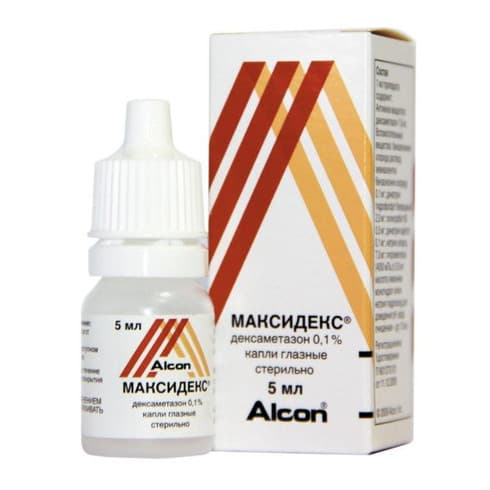

Suppliers
Vendors carrying Dexamethasone, with live product details and codes. Links are affiliate links that support the wiki at no cost to you.
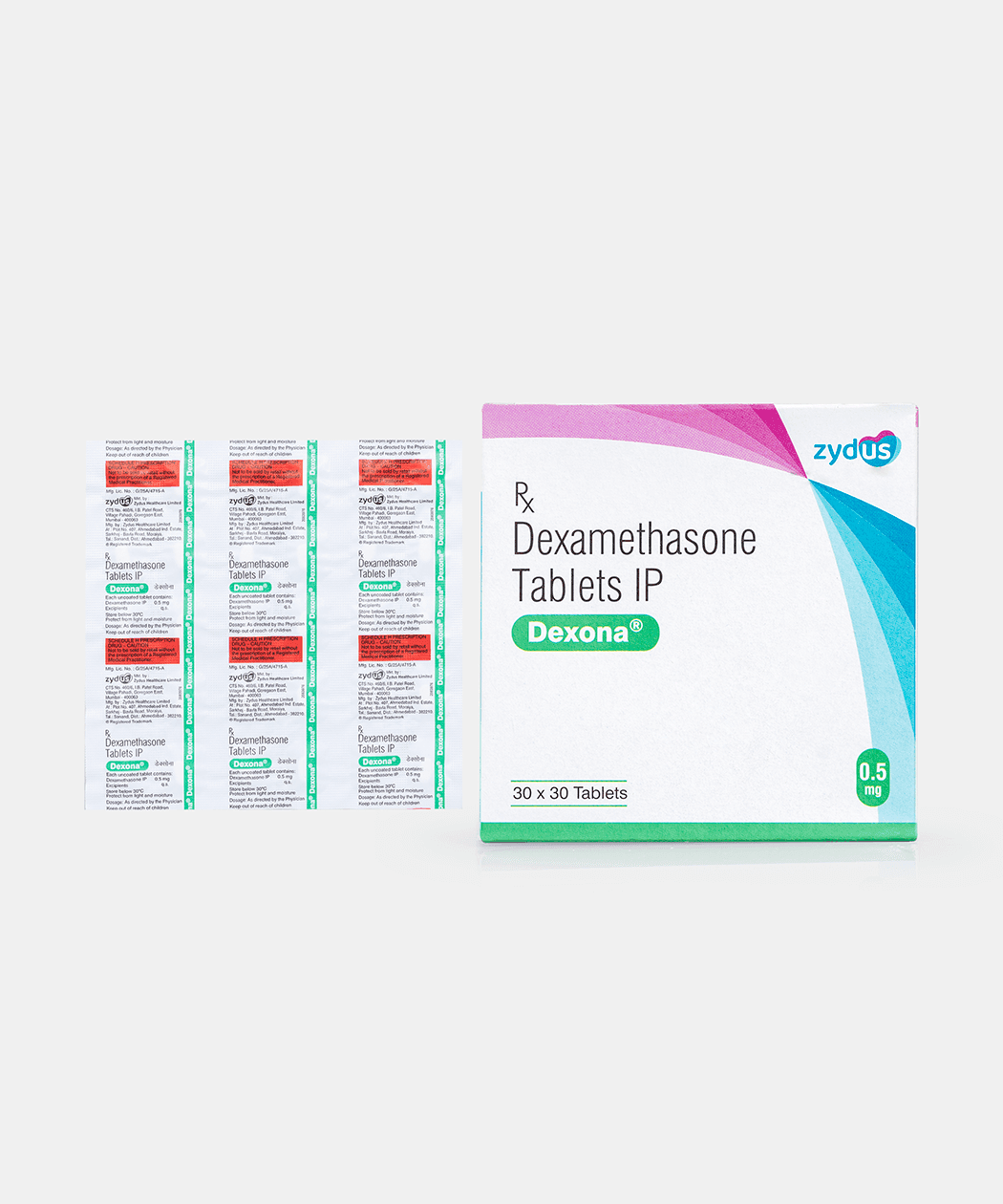
PCT.Zone
Dexamethasone
PCT.Zone
Dexamethasone

RUPharma🌐
Dexamethasone

RUPharma🌐
Dexamethasone
RUPharma🌐
Dexamethasone
Research
- 2005first citedAntiinflammatory action of glucocorticoids: new mechanisms for old drugs
- 2020meta-analysisAssociation Between Administration of Systemic Corticosteroids and Mortality Among Critically I…
- 2021most recentDexamethasone in Hospitalized Patients with Covid-19.
- 1.Dexamethasone in Hospitalized Patients with Covid-19.
- 2.Association Between Administration of Systemic Corticosteroids and Mortality Among Critically Ill Patients With COVID-19: A Meta-analysis
- 3.Corticosteroids for acute bacterial meningitis.
- 4.Antiinflammatory action of glucocorticoids: new mechanisms for old drugs
4 listed here; entry last updated August 2026
Reviews
My notesprivate to this device
FAQ
Why can't I just stop taking it?
After more than a short course, your adrenal glands slow their own cortisol output, so the dose must be tapered gradually to let them recover.
How is it different from prednisone?
Dexamethasone is more potent and longer-acting, with almost no salt-retaining effect, so smaller doses last longer.
Will it raise my blood sugar?
Often yes; steroids push glucose up, which matters especially for people with diabetes, who may need closer monitoring.
Is a short course dangerous?
Short courses are generally safe and well tolerated; most serious effects come from high doses or long-term use.
Why is it used for COVID-19?
In hospitalized patients needing oxygen, it calms the damaging inflammatory response and was shown to improve survival.
Adverse effects
- Can raise blood sugar and blood pressure
- Mood changes, insomnia, and increased appetite are common
- Long-term use may thin bones, impair wound healing, and increase infection risk
Notes and cautions
- Prolonged courses should be tapered gradually rather than stopped abruptly